

X Report 2 Feb 2025
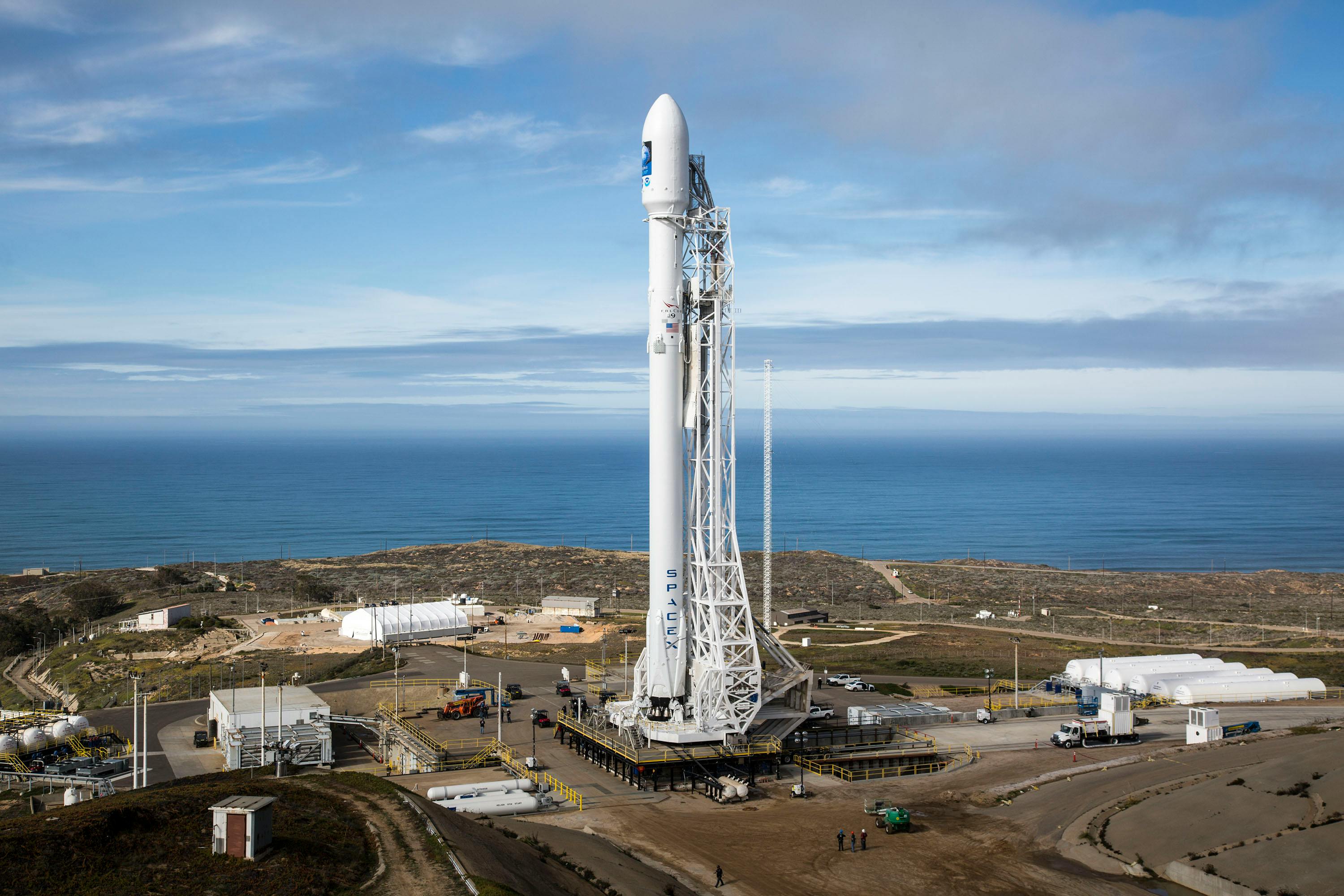
SpaceX successfully launched 43 Starlink satellites across two missions, marking significant achievements at Cape Canaveral and Vandenberg Space Force Bases.


Launch Date
May 10, 1989
Launch Site
Launch Pad
LC40
Launch Vehicle
Titan 34D/Transtage
NORAD ID
19977
International Designator
1989-035B
Decay Date
Unknown
Name
TITAN 34D R/B(1)
Alternative Name
Titan 34D-16 Stage 2
Type
Status
Owner
AFSSD2
Country
United States
Constellation
N/A
Related Satellites
Major Events
N/A
Length
9.9
Diameter
3.1
Span
9.9
Dry Mass
2900
Launch Mass
2900
Shape
Cyl
Radar Cross Section
Unknown
Visual Magnitude
Unknown
Color
Unknown
Material Composition
Unknown
Payload
LR91AJ11 34D-16
Purpose
Unknown
Mission
Unknown
Manufacturer
MM
Life Expectancy
Unknown
Bus
Titan 3M Stage 2
Configuration
Unknown
Motor
Unknown
Equipment
Unknown
Power System
Unknown
ADCS
Unknown
Transmitter Frequency
Unknown
Learn more about satellites and other related topics.
SpaceX successfully launched 43 Starlink satellites across two missions, marking significant achievements at Cape Canaveral and Vandenberg Space Force Bases.

Today's brief covers the expansion of the U.S. missile defense shield, a new contract for Viasat from the U.S. Space Force, and the Missile Defense Agency's call for innovative Iron Dome concepts.

SpaceX's secretive Starfall reentry demo launched June 23 as Starmind AI constellation targets 1M orbital compute nodes.
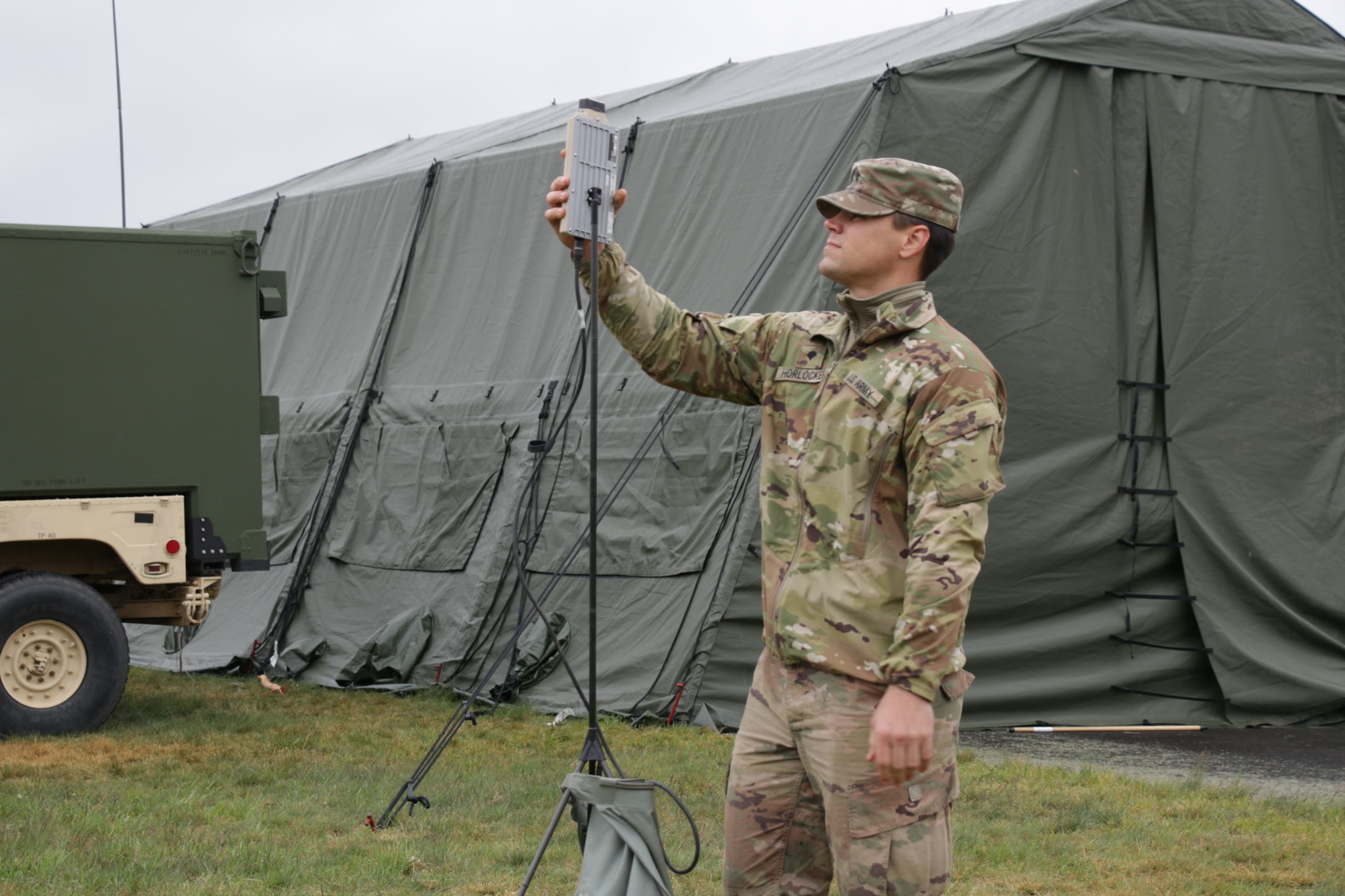
Russia's Volna Kupol Garant electronic warfare system was purpose-built to jam Starlink. It costs around $1.5 million per unit, covers just 20 square kilometers, and can only target one satellite at a time. Ukraine has been finding and destroying them within days of deployment.
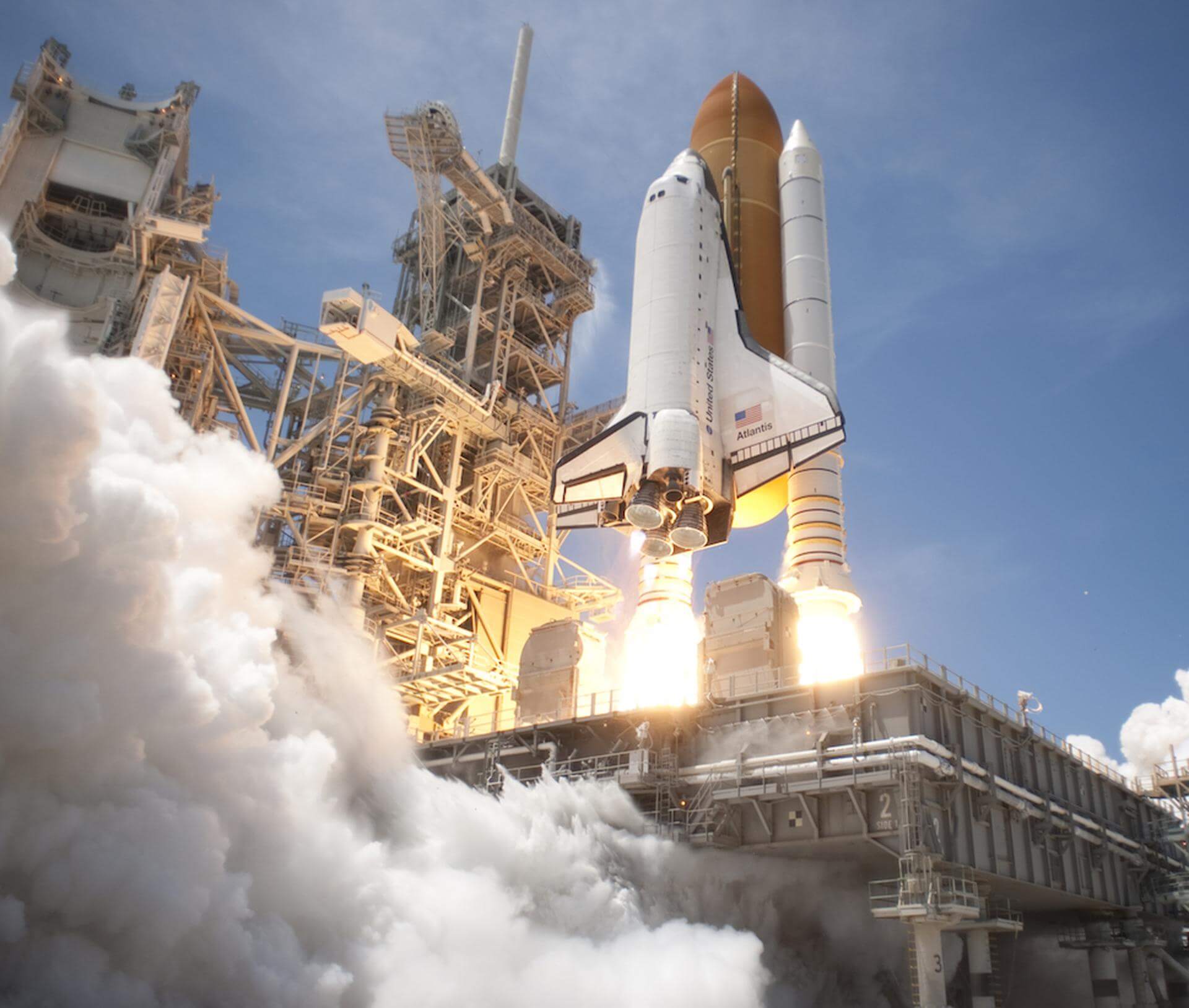
ESA's Proba-3 spacecraft lost contact last month following on-orbit anomaly. Mission requires both satellites in precise formation for solar corona science. Recovery status uncertain.
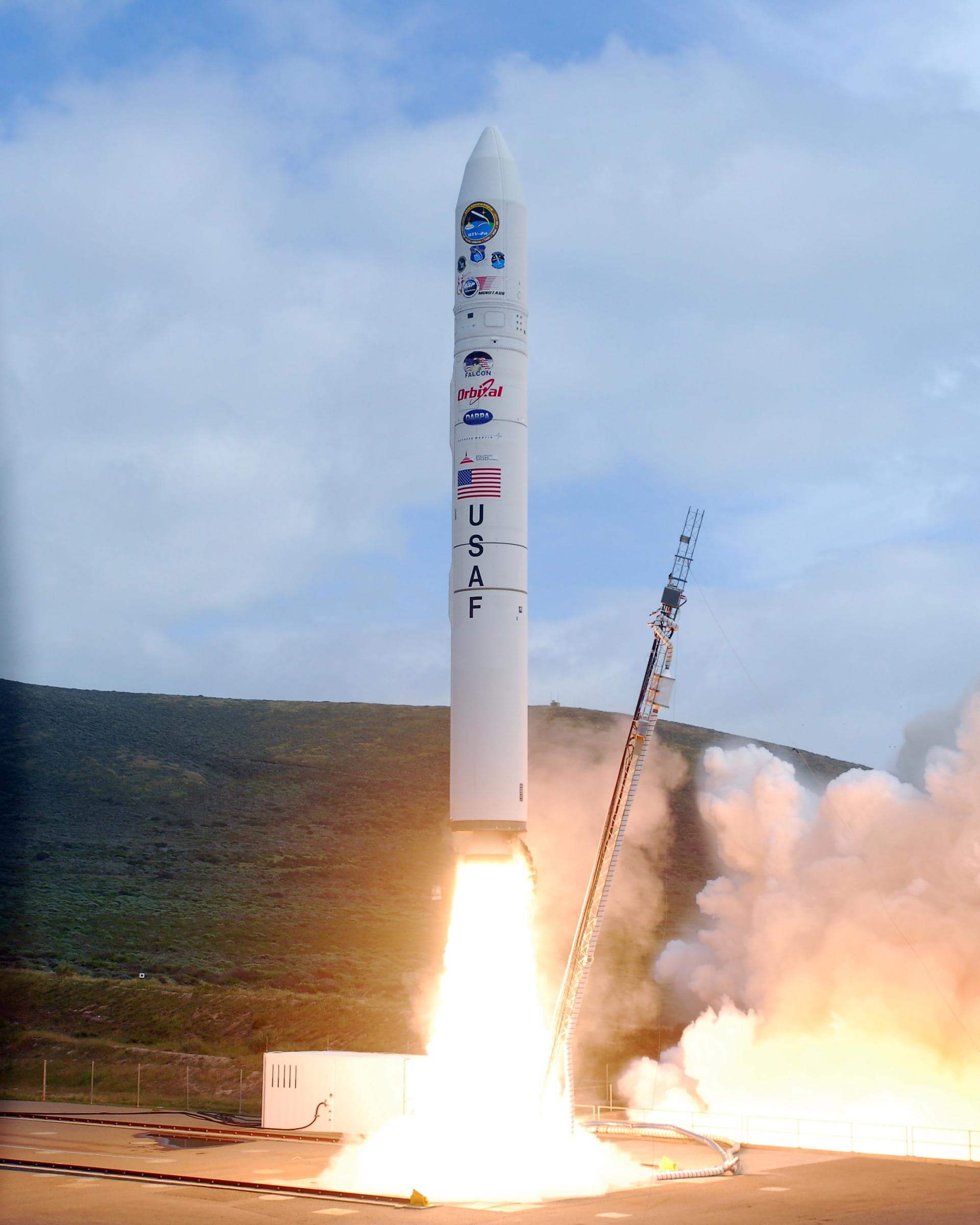
Today's brief covers strategic alignments in U.S. military space operations, a landmark missile defense program, and advances in secure satellite communications.
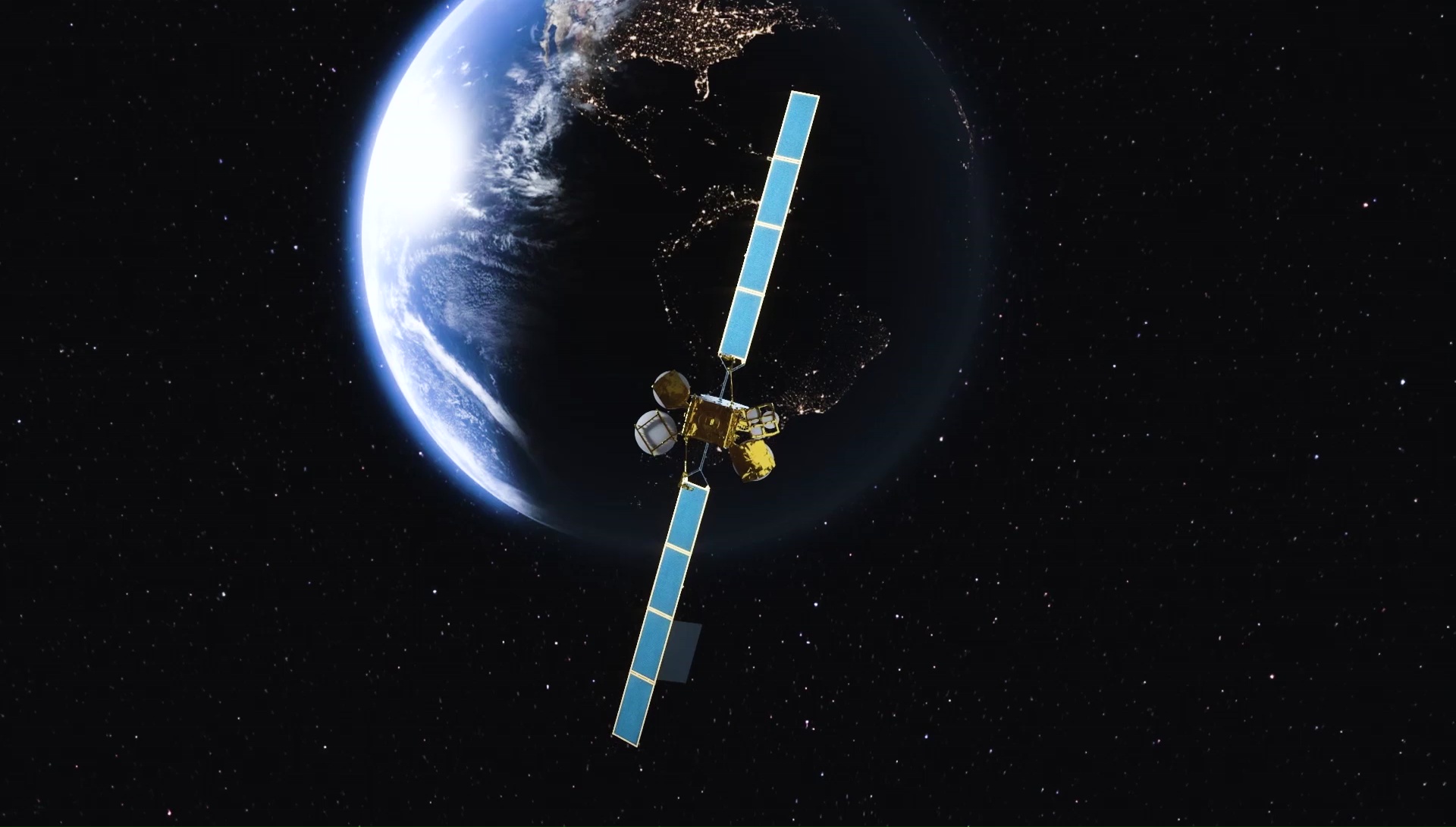
Europe's first high-power all-electric telecom satellite doesn't just sit above the Pacific - it got there on robotic arms and plasma thrusters, broke records doing it, and now keeps your airplane Wi-Fi running between LA and Tokyo.

How a controversial telescope network has become a significant player in tracking the increasingly crowded orbital environment, raising important questions about transparency, dual-use technologies, and the future of space situational awareness.