

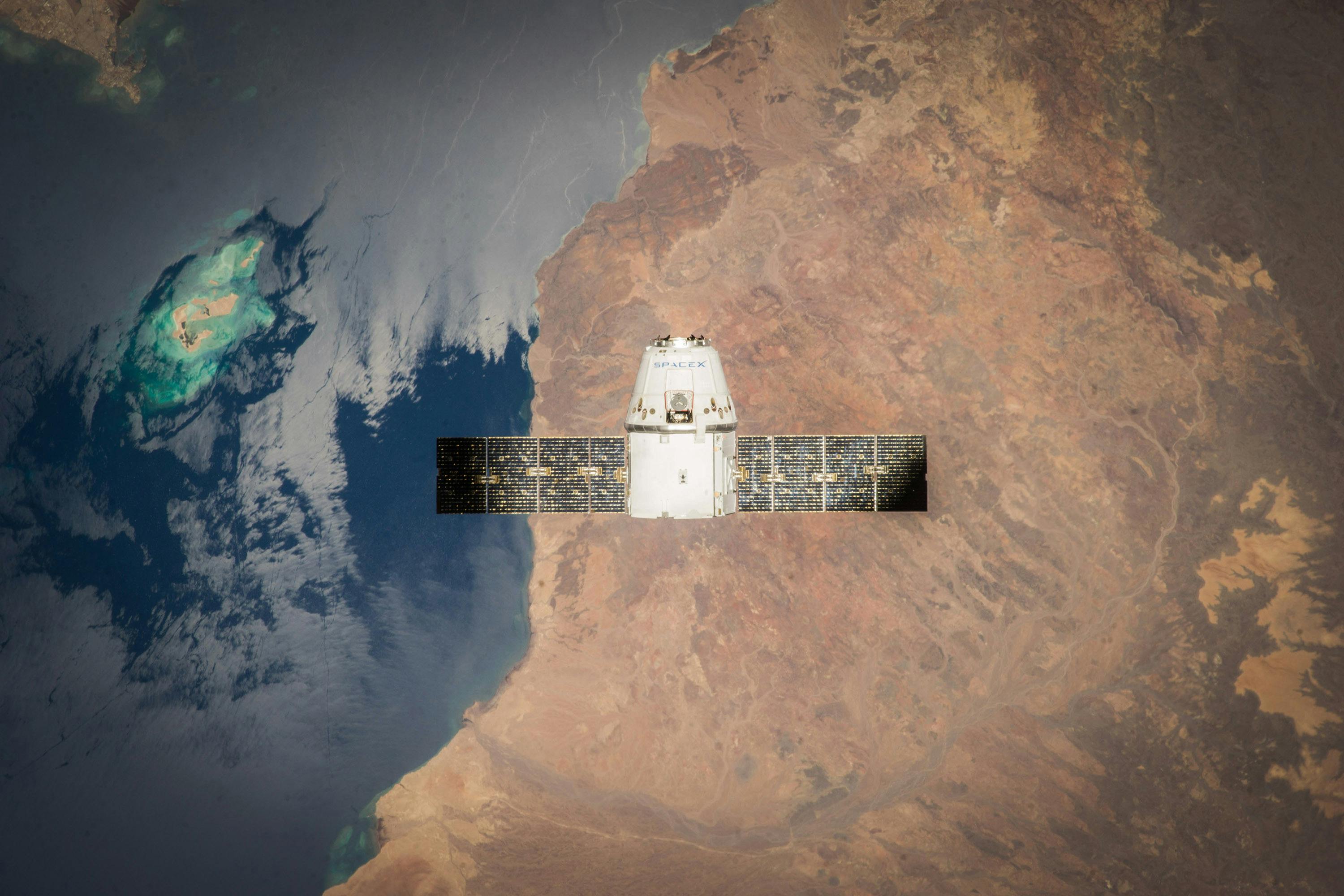
X Report 29 May 2025
SpaceX made strides in both Starship and Starlink missions this week, launching another round of satellites while concurrently testing their Starship capabilities amidst challenges.


Launch Date
February 9, 1966
Launch Site
AFWTR
Launch Pad
75-1-2
Launch Vehicle
Thor SLV-2A Agena D
NORAD ID
01997
International Designator
1966-009A
Decay Date
9/26/1969
Name
OPS 1439
Alternative Name
OPS 1439
Type
Status
Owner
NRO/SAFSP
Country
United States
Constellation
N/A
Related Satellites
Major Events
N/A
Apologies, there is no summary for this satellite yet. I am working to generate these for every object in the catalog, but it is going to take time.
Length
3
Diameter
1.5
Span
3
Dry Mass
600
Launch Mass
600
Shape
Irr
Radar Cross Section
0.31
Visual Magnitude
Unknown
Color
Unknown
Material Composition
Unknown
Payload
Project 770 Group 3-D
Purpose
Unknown
Mission
Unknown
Manufacturer
LMSC/CHAIL
Life Expectancy
Unknown
Bus
SAMOS F-2
Configuration
Unknown
Motor
Unknown
Equipment
Unknown
Power System
Unknown
ADCS
Unknown
Transmitter Frequency
Unknown
Learn more about satellites and other related topics.
SpaceX made strides in both Starship and Starlink missions this week, launching another round of satellites while concurrently testing their Starship capabilities amidst challenges.
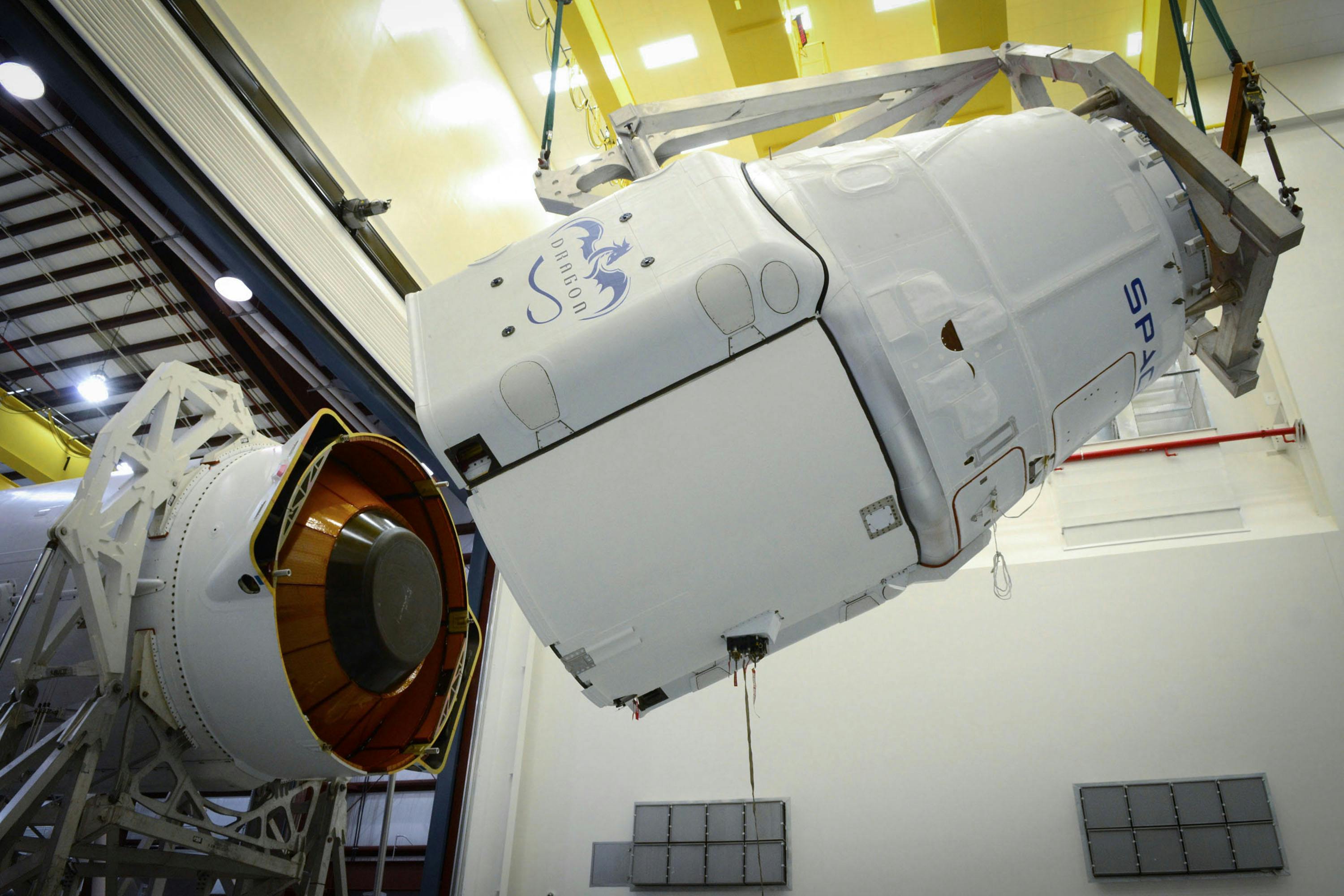
SpaceX gears up for Starship Flight 8 amidst Starlink's growing presence in global internet markets.
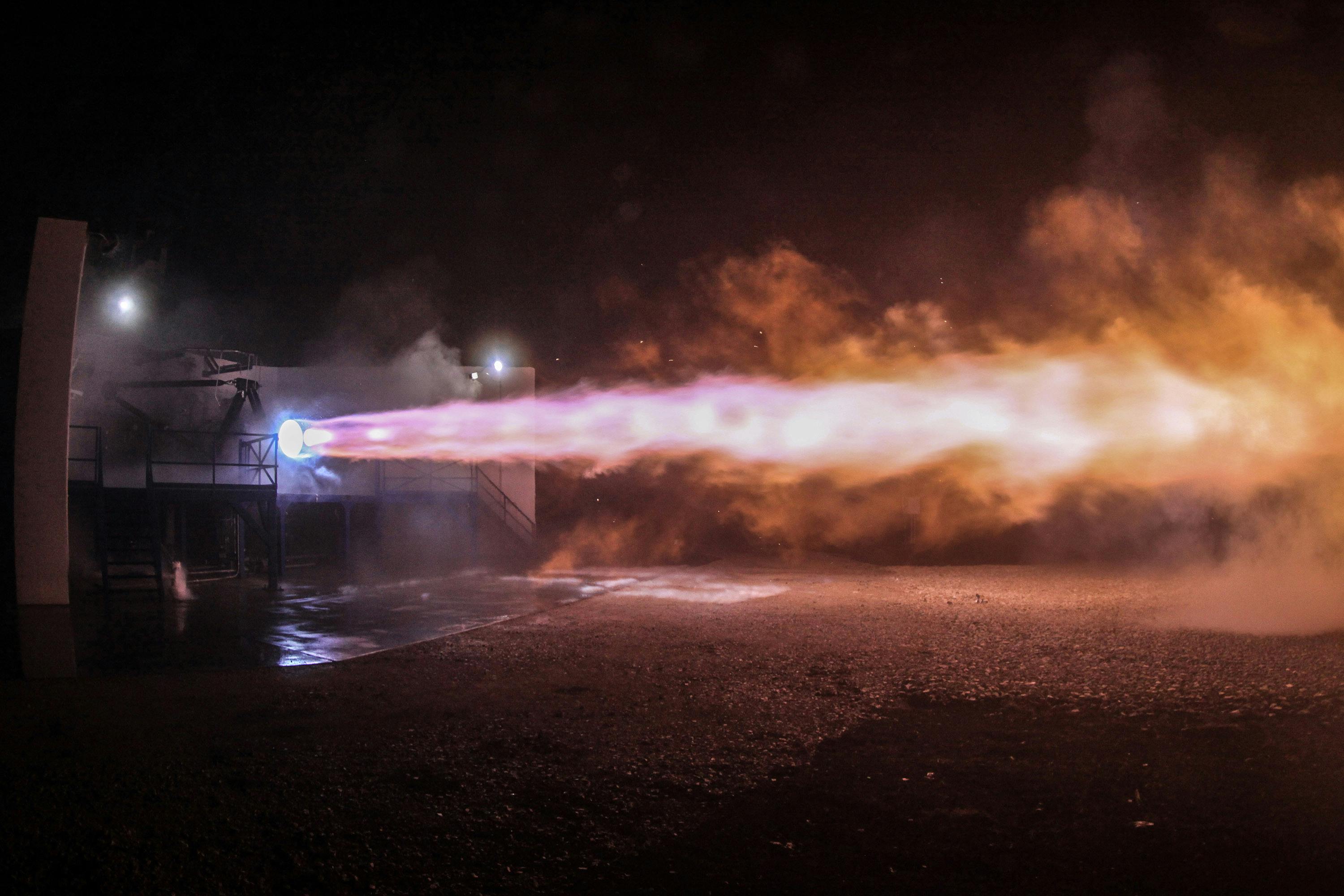
SpaceX pauses all Falcon 9 launches after upper stage anomaly during Starlink mission. Crew-12 astronaut launch may be affected. Booster 19 rolls out for cryogenic testing.
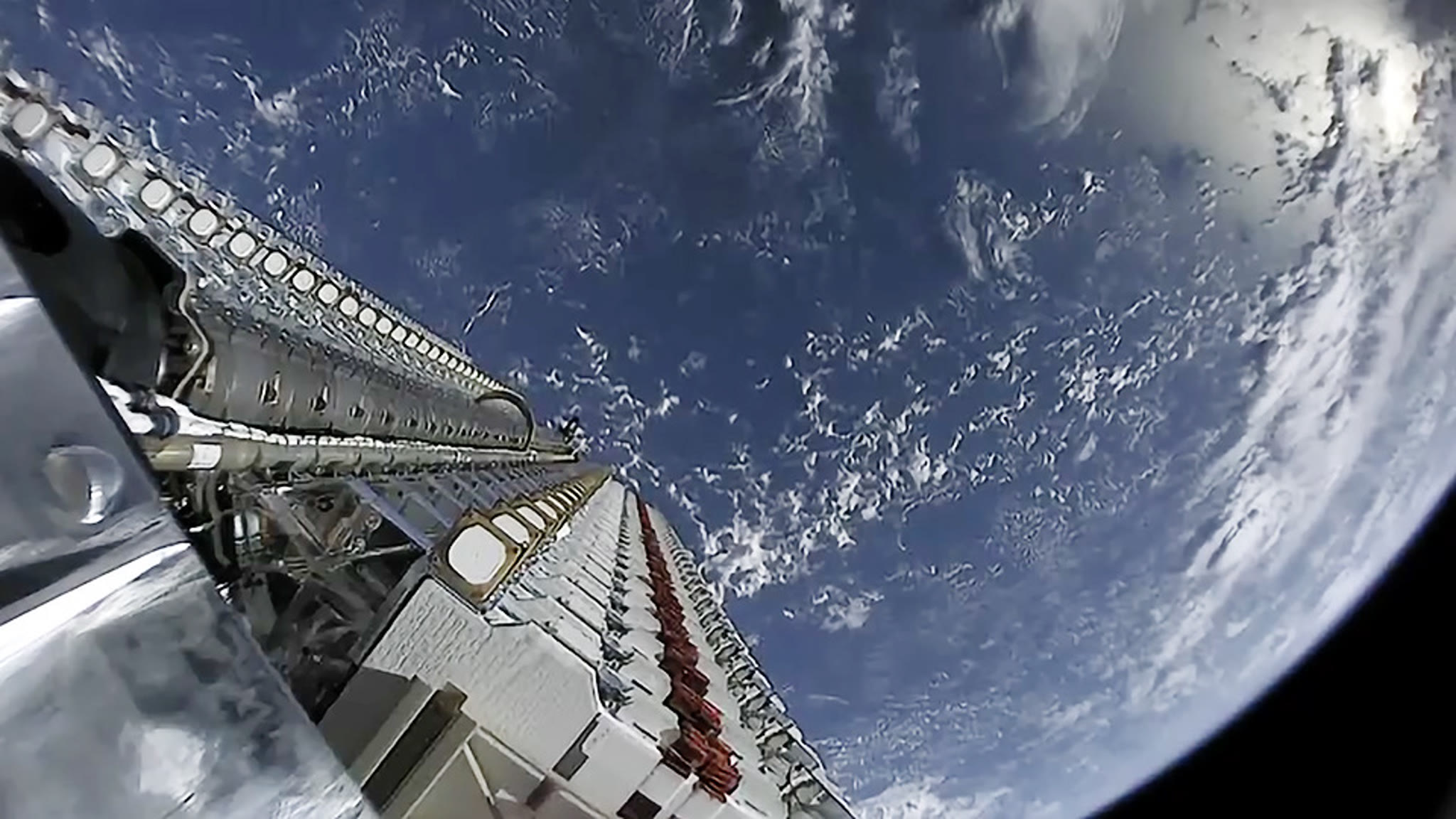
Starlink satellites fired their thrusters to dodge a collision roughly 300,000 times in 2025, about 822 times a day. Behind that number is a fragile, half-automated system of warnings, probabilities, and judgment calls that decides which close approaches are worth a maneuver and which are just noise.

Today's brief covers Blue Origin's national security mission, a new missile interceptor project by Space Force, developments with Starship boosters, and more.

Scientists use earthquake sensors to track space debris reentry via sonic boom detection. SpaceX launches 25 Starlink satellites in seventh mission of 2026. NASA and DOE partner for lunar nuclear power.
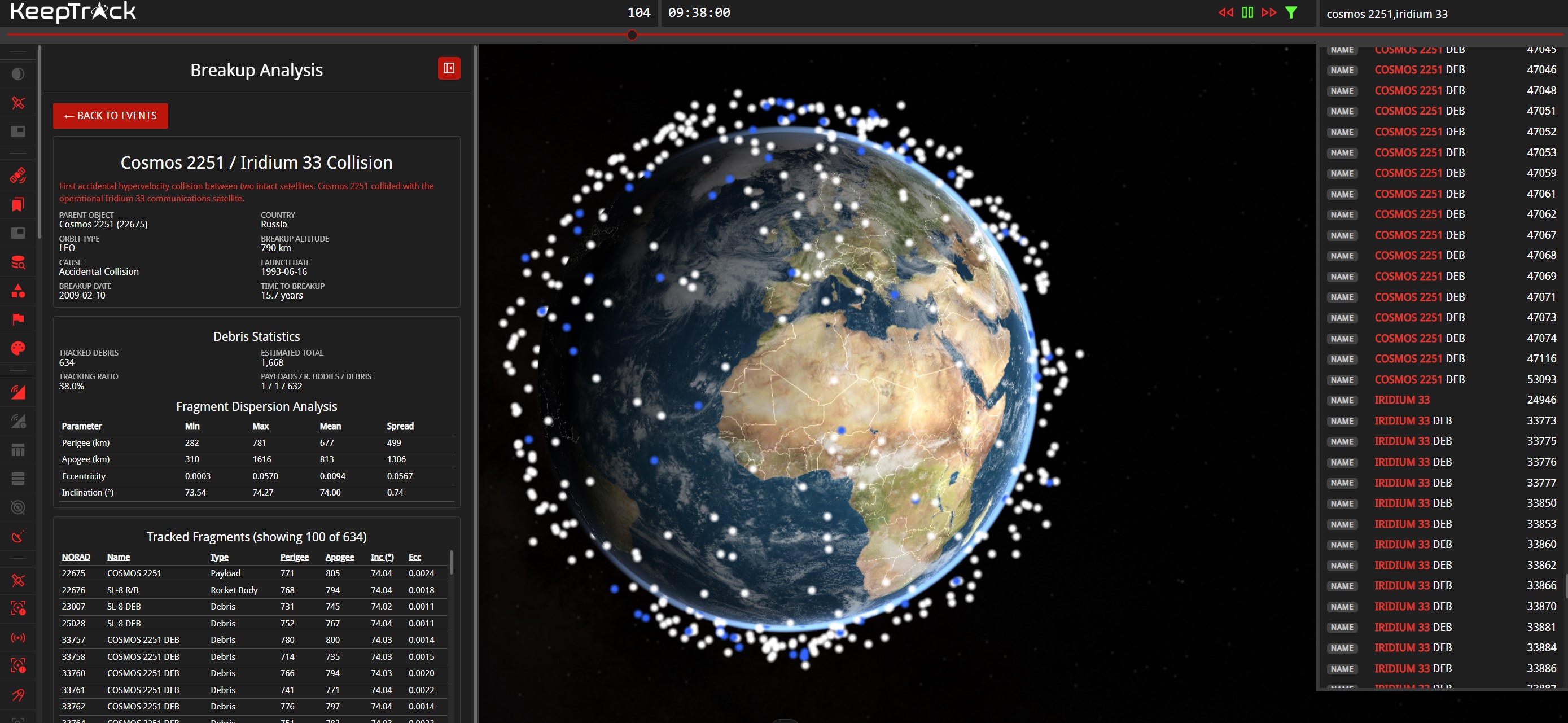
On February 10, 2009, an active Iridium communications satellite and a derelict Soviet military spacecraft slammed into each other 789 kilometers above Siberia. The collision produced more than 2,300 pieces of trackable debris that are still up there. Seventeen years later, the Iridium-Cosmos collision remains the event that made space debris a policy problem the world could no longer ignore.
Today's highlights include Rocket Lab's progress on the Space Force's VICTUS HAZE mission, BlackSky's new government contract, and AEI's policy recommendations for Space Force restructuring.