


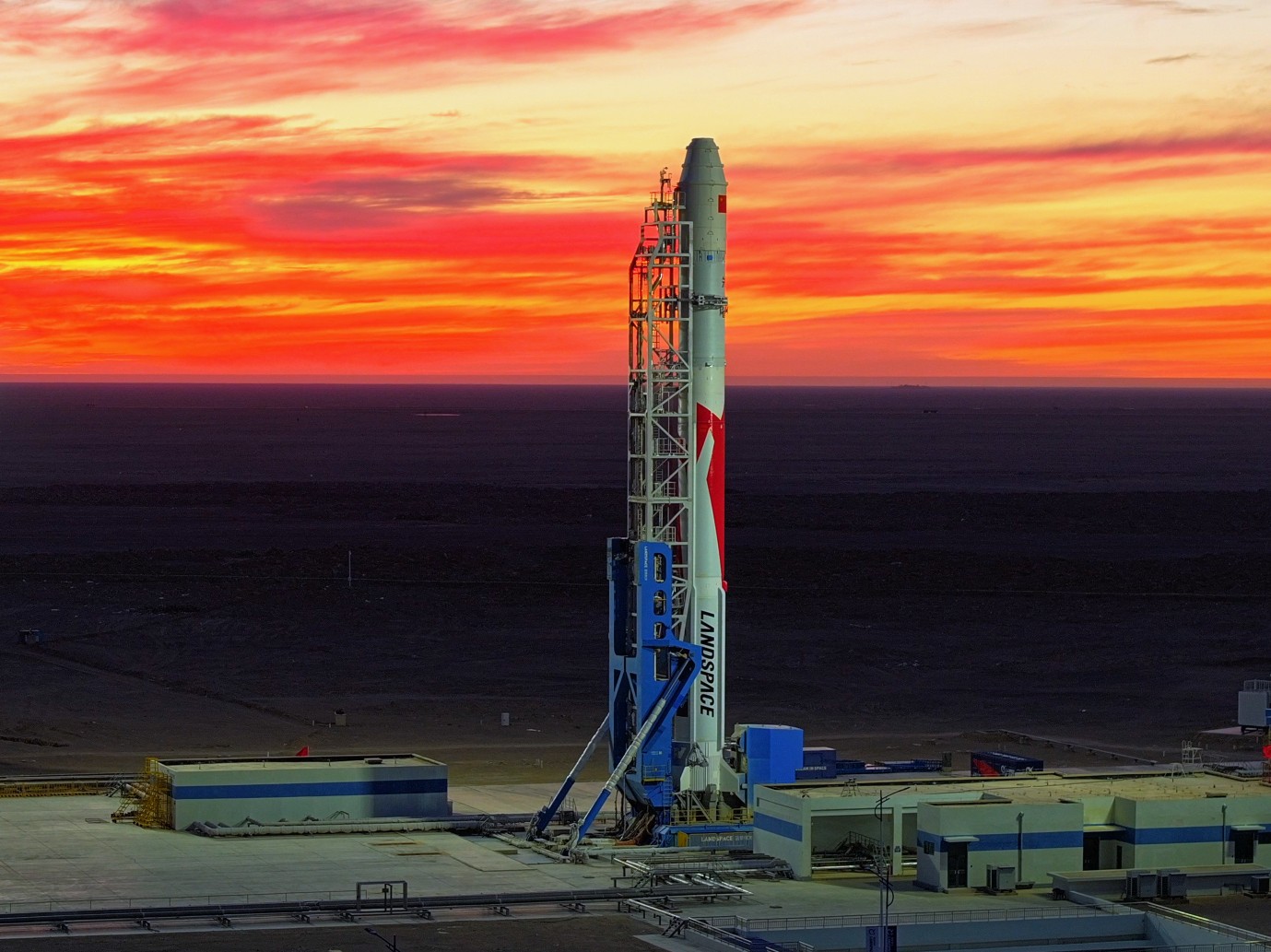
Artemis 2 Crew Arrives for April 1 Lunar Flyby Launch | KeepTrack Space Brief
Artemis 2 astronauts arrive at KSC for April 1 launch. Four-person crew will fly lunar free-return trajectory, first crewed lunar mission since Apollo 17 in 1972.



Launch Date
June 29, 1961
Launch Site
Launch Pad
LC17B
Launch Vehicle
Thor Ablestar
NORAD ID
19961
International Designator
1961-015MJ
Epoch
Thu, 02 Jul 2026 22:30:31 GMT
Apogee
Calculating...
Perigee
Calculating...
Inclination
65.64°
Right Ascension
167.47°
Eccentricity
Calculating...
Argument of Perigee
351.96°
Period
104.45 min
Mean Motion
13.79 rev/day
Latitude
Calculating...
Longitude
Calculating...
Altitude
Calculating...
Velocity
Calculating...
Name
THOR ABLESTAR DEB
Alternative Name
deb Ablestar
Type
Status
Owner
AFSSD
Country
United States
Constellation
N/A
Related Satellites
Major Events
N/A
1 19961U 61015MJ 26183.93786649 .00000235 00000-0 28436-3 0 9997
2 19961 65.6406 167.4675 0159165 351.9555 34.8417 13.78672020942694
Source: Celestrak
Length
0
Diameter
0
Span
0
Dry Mass
0
Launch Mass
0
Shape
N/A
Radar Cross Section
0.014
Visual Magnitude
Unknown
Color
Unknown
Material Composition
Unknown
Payload
Unknown
Purpose
Unknown
Mission
Unknown
Manufacturer
Unknown
Life Expectancy
Unknown
Bus
Unknown
Configuration
Unknown
Motor
Unknown
Equipment
Unknown
Power System
Unknown
ADCS
Unknown
Transmitter Frequency
Unknown
Learn more about satellites and other related topics.
Artemis 2 astronauts arrive at KSC for April 1 launch. Four-person crew will fly lunar free-return trajectory, first crewed lunar mission since Apollo 17 in 1972.
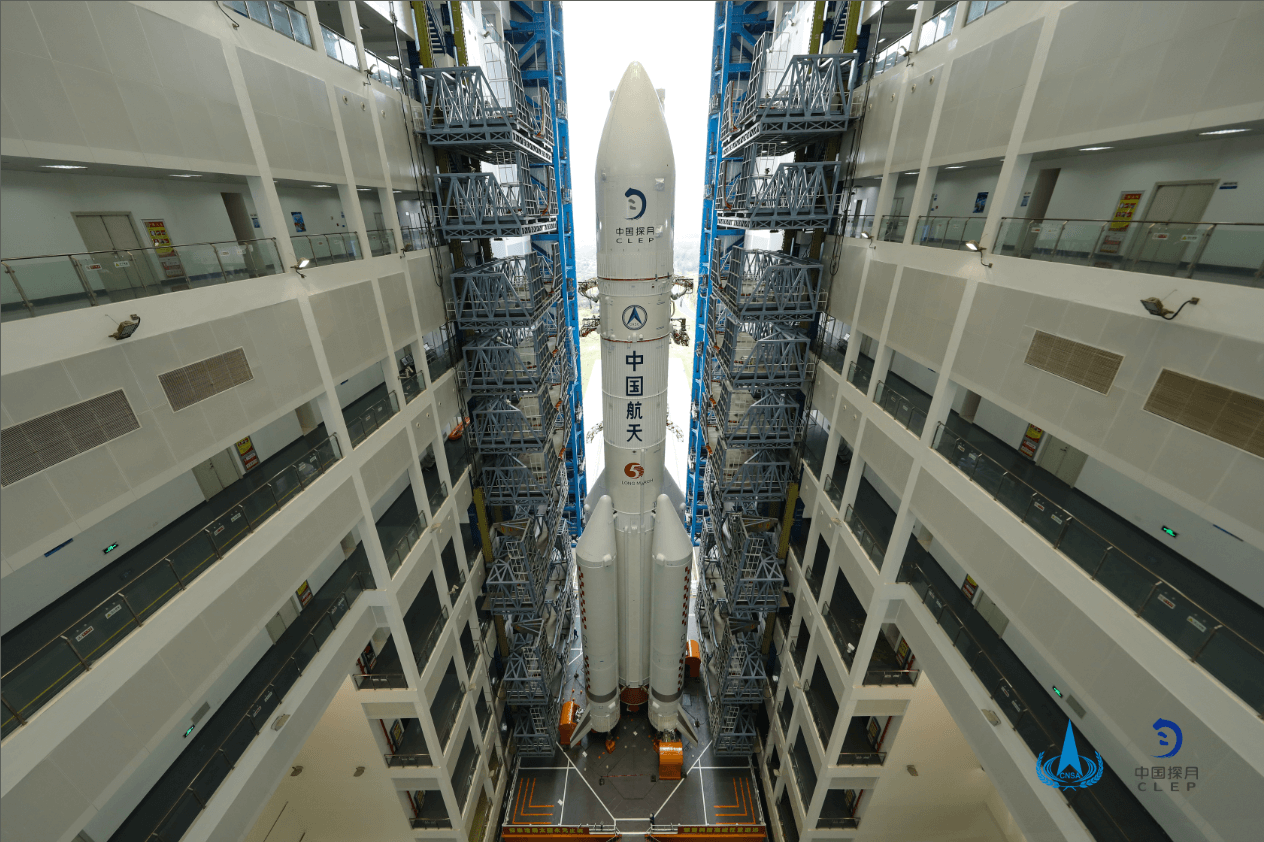
NASA concludes MAVEN mission after six months attempting to restore contact with Mars probe. Meanwhile, Falcon 9 booster flies record 35th flight on Starlink 10-35 mission.
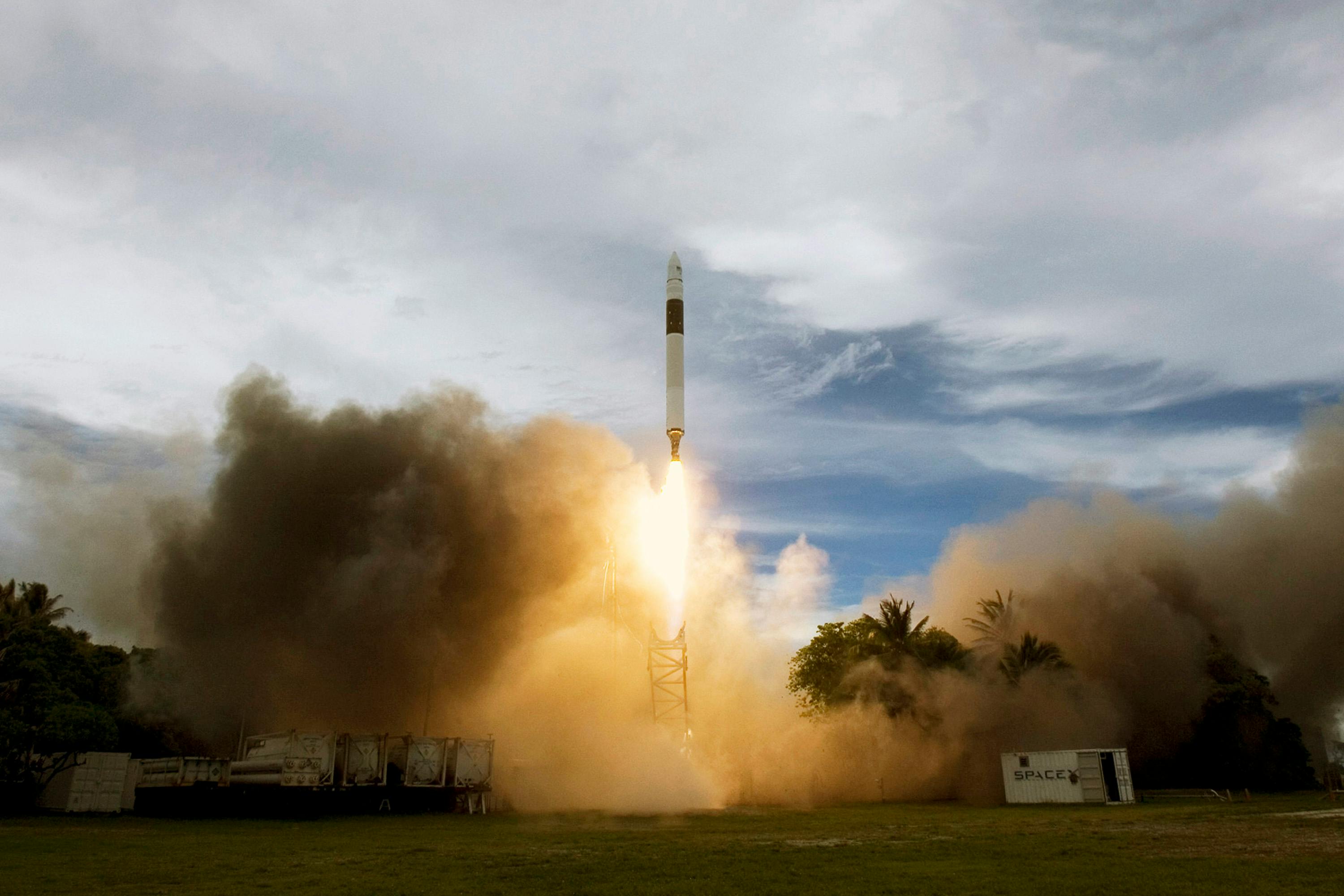
SpaceX successfully launched 28 Starlink satellites while EchoStar enhances its stake in the company through a $2.6 billion spectrum deal, amid growing demands for space domain awareness.
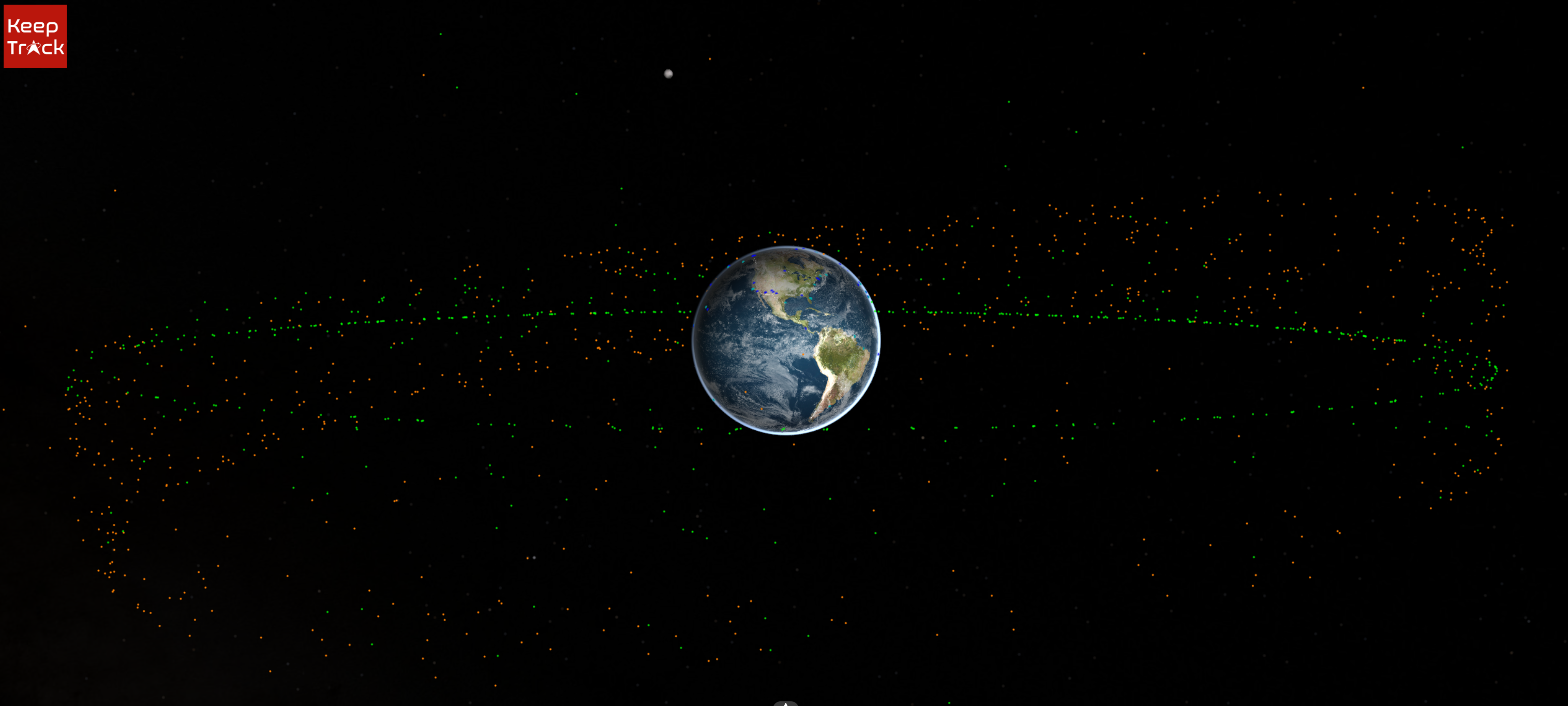
The final resting place for retired satellites, a disposal orbit where defunct spacecraft are sent to stay out of the way
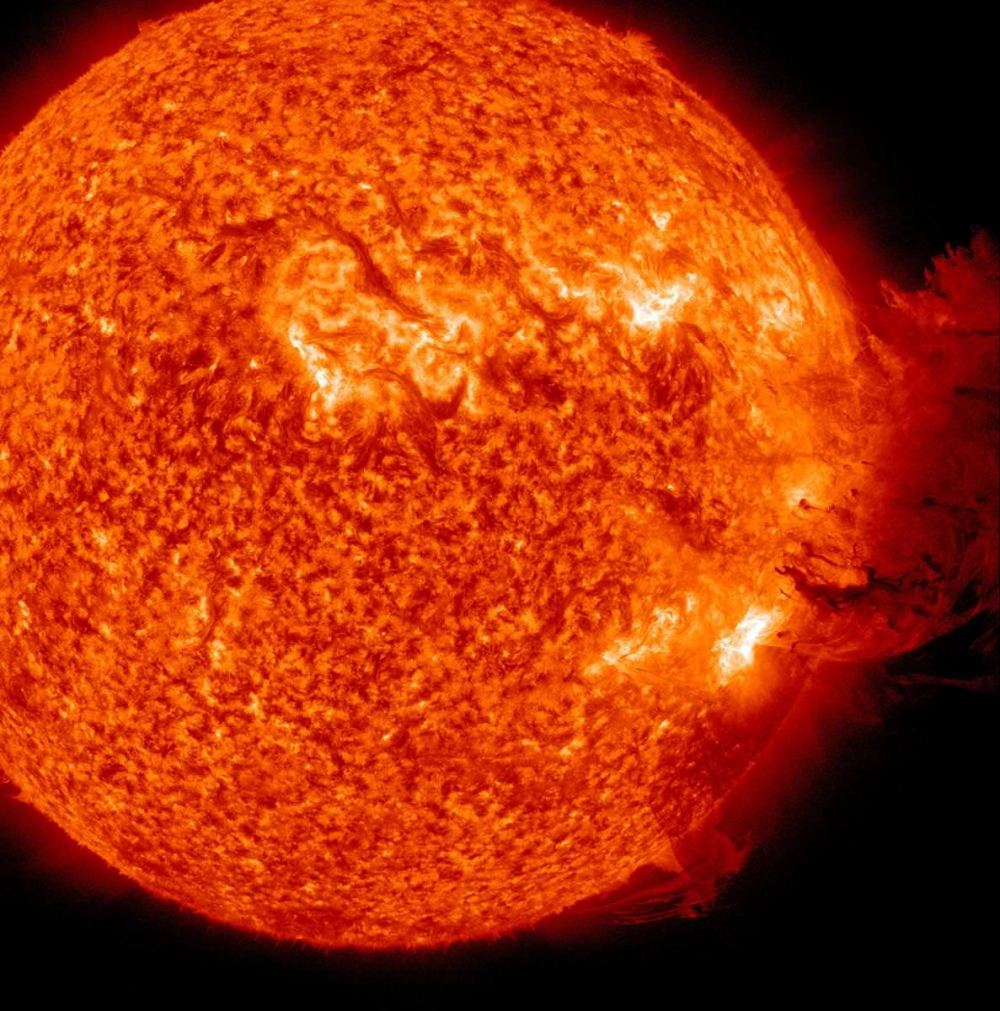
Fifteen years ago, NASA launched its most advanced solar observatory, revolutionizing our understanding of our star and transforming space weather prediction
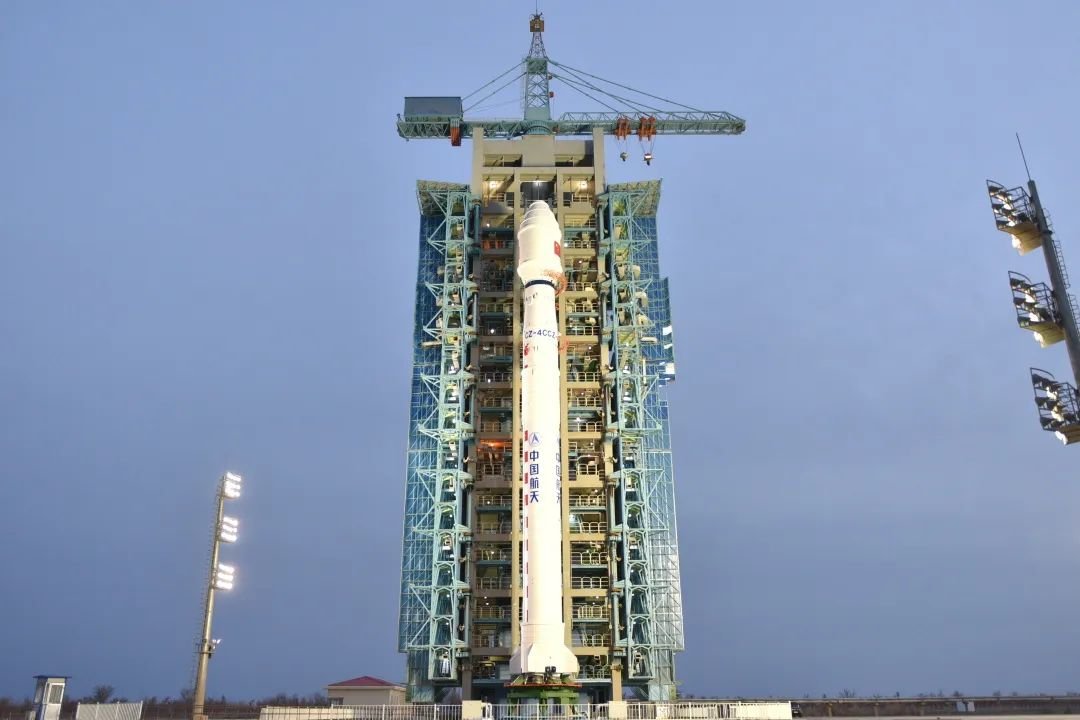
Today's Space Brief covers the inaugural national security mission of ULA's Vulcan Centaur, the Space Force's 2026 budget insights, and shifts in military drone technology.
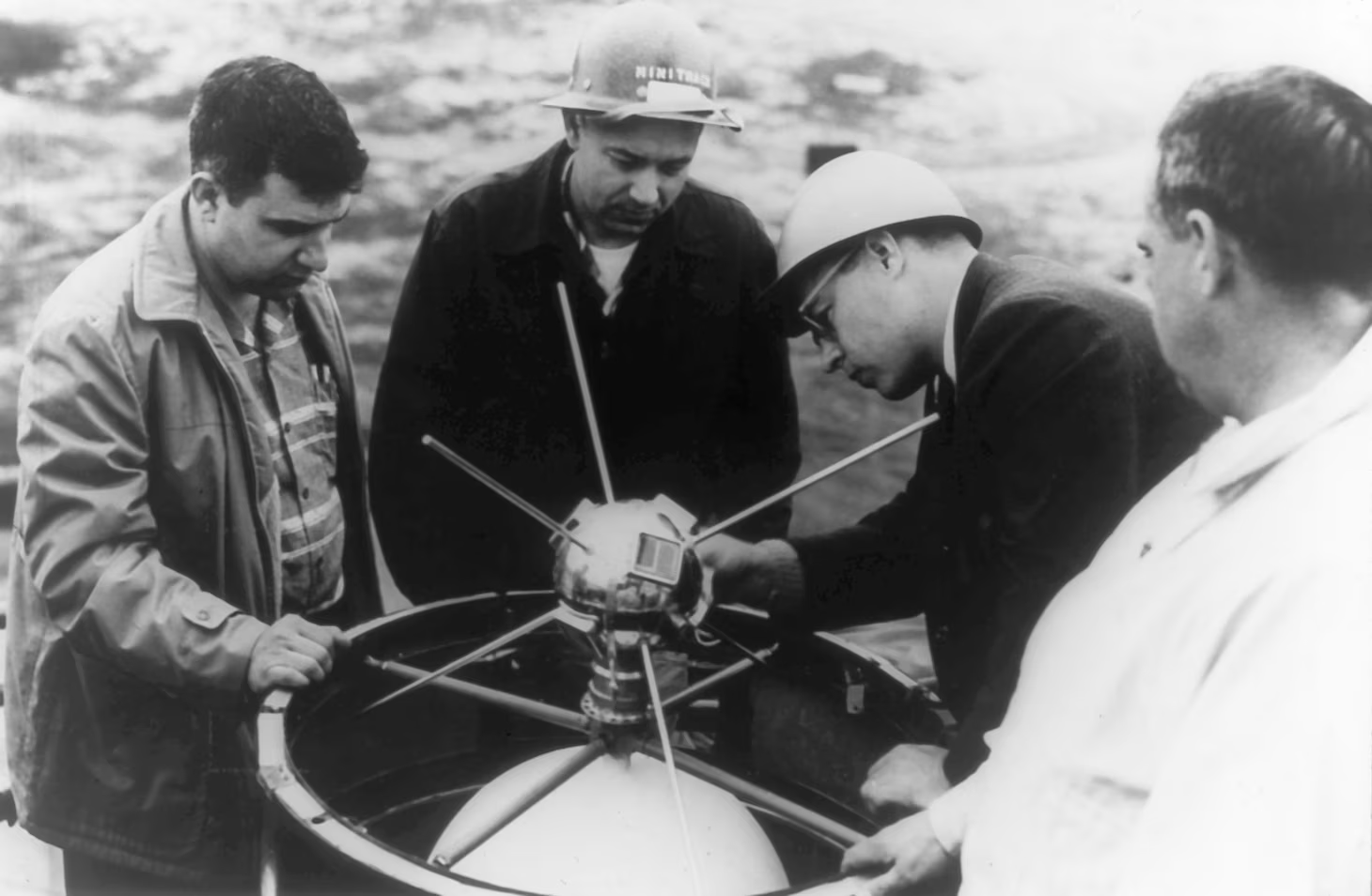
How the U.S. Navy's Vanguard rocket became a Cold War icon, launched the world's oldest satellite still in orbit, and laid the groundwork for NASA's space exploration efforts.
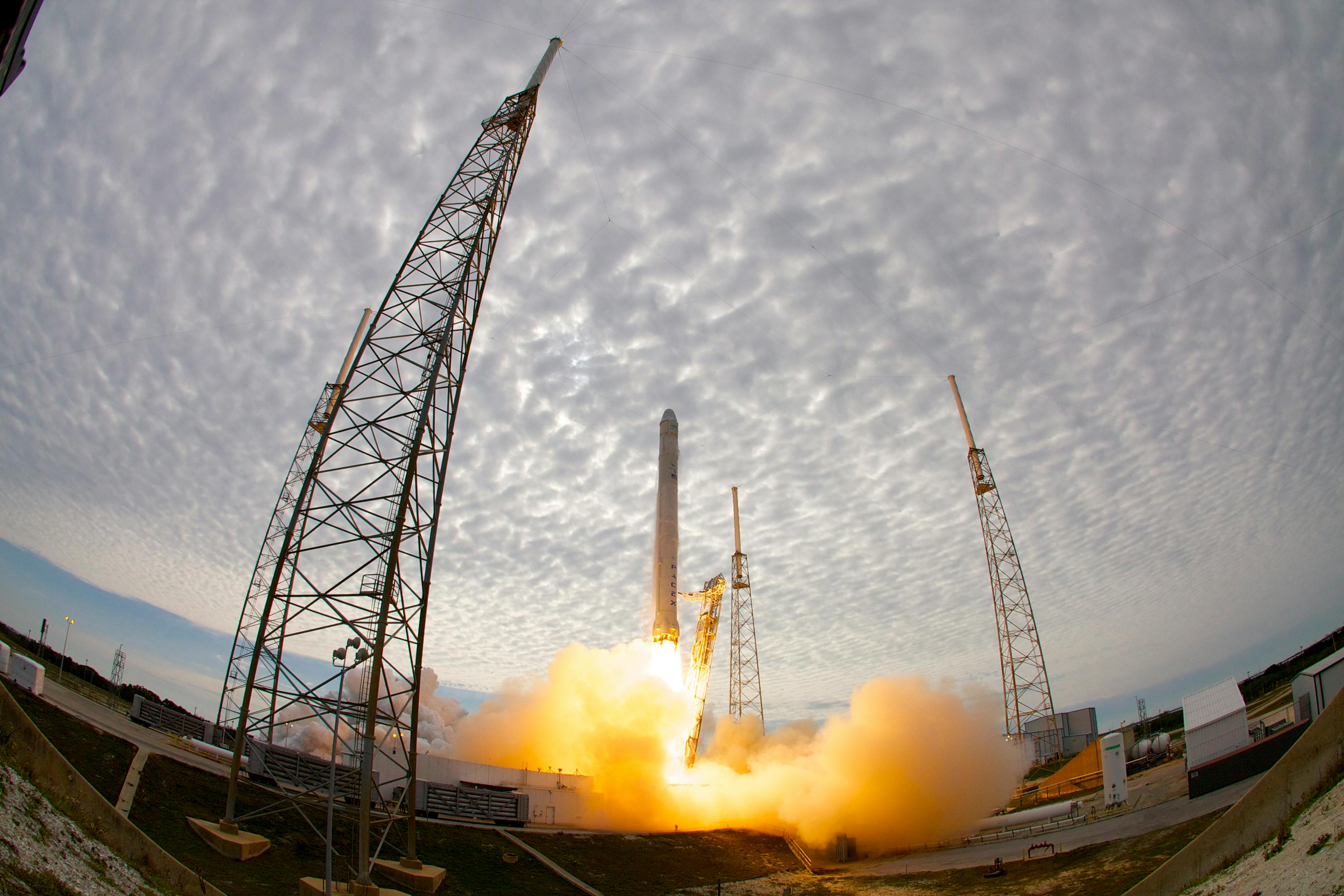
Starlink satellite count 2026: SpaceX tops 10,000 active satellites, 10,037 working of 11,558 launched, under seven years after first launch.