


X Report 29 Sep 2025
In today's update, SpaceX successfully launched 28 Starlink satellites from Vandenberg, while Italy grapples with its satellite strategy amid rising reliance on Starlink services.



Launch Date
March 16, 1989
Launch Site
PLMSC
Launch Pad
LC16/2
Launch Vehicle
Soyuz-U-PVB
NORAD ID
19914
International Designator
1989-022F
Decay Date
4/17/1989
Name
COSMOS 2006 DEB
Alternative Name
PTDU cover
Type
Status
Owner
UNKS
Country
USSR
Constellation
N/A
Related Satellites
Major Events
N/A
Length
0
Diameter
0
Span
0
Dry Mass
0
Launch Mass
0
Shape
N/A
Radar Cross Section
2.05
Visual Magnitude
Unknown
Color
Unknown
Material Composition
Unknown
Payload
KDU part
Purpose
Unknown
Mission
Unknown
Manufacturer
TSSKB
Life Expectancy
Unknown
Bus
Zenit deb
Configuration
Unknown
Motor
Unknown
Equipment
Unknown
Power System
Unknown
ADCS
Unknown
Transmitter Frequency
Unknown
Learn more about satellites and other related topics.
In today's update, SpaceX successfully launched 28 Starlink satellites from Vandenberg, while Italy grapples with its satellite strategy amid rising reliance on Starlink services.

Space Force awards Pulse Space $40 million to develop laser systems for transmitting power and data between spacecraft in orbit. Game-changing on-orbit energy transfer capability.
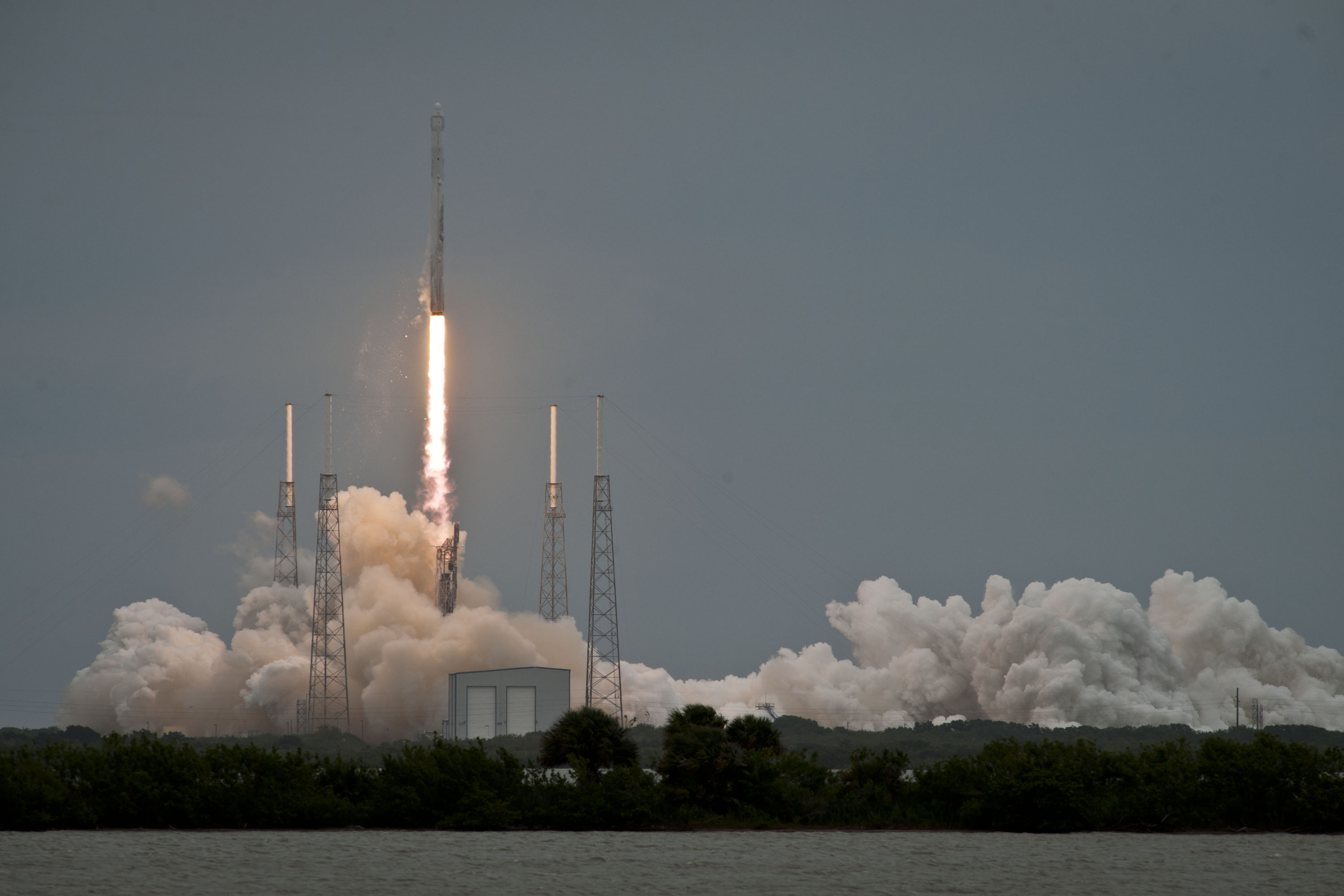
On April 18, 2014, a Falcon 9 first stage did something no orbital rocket had ever done before. It fired its engines on the way down, steered itself through the atmosphere using grid fins that did not yet exist, and touched the Atlantic Ocean softly enough to survive the impact. Nobody recovered it. The data was the whole point.
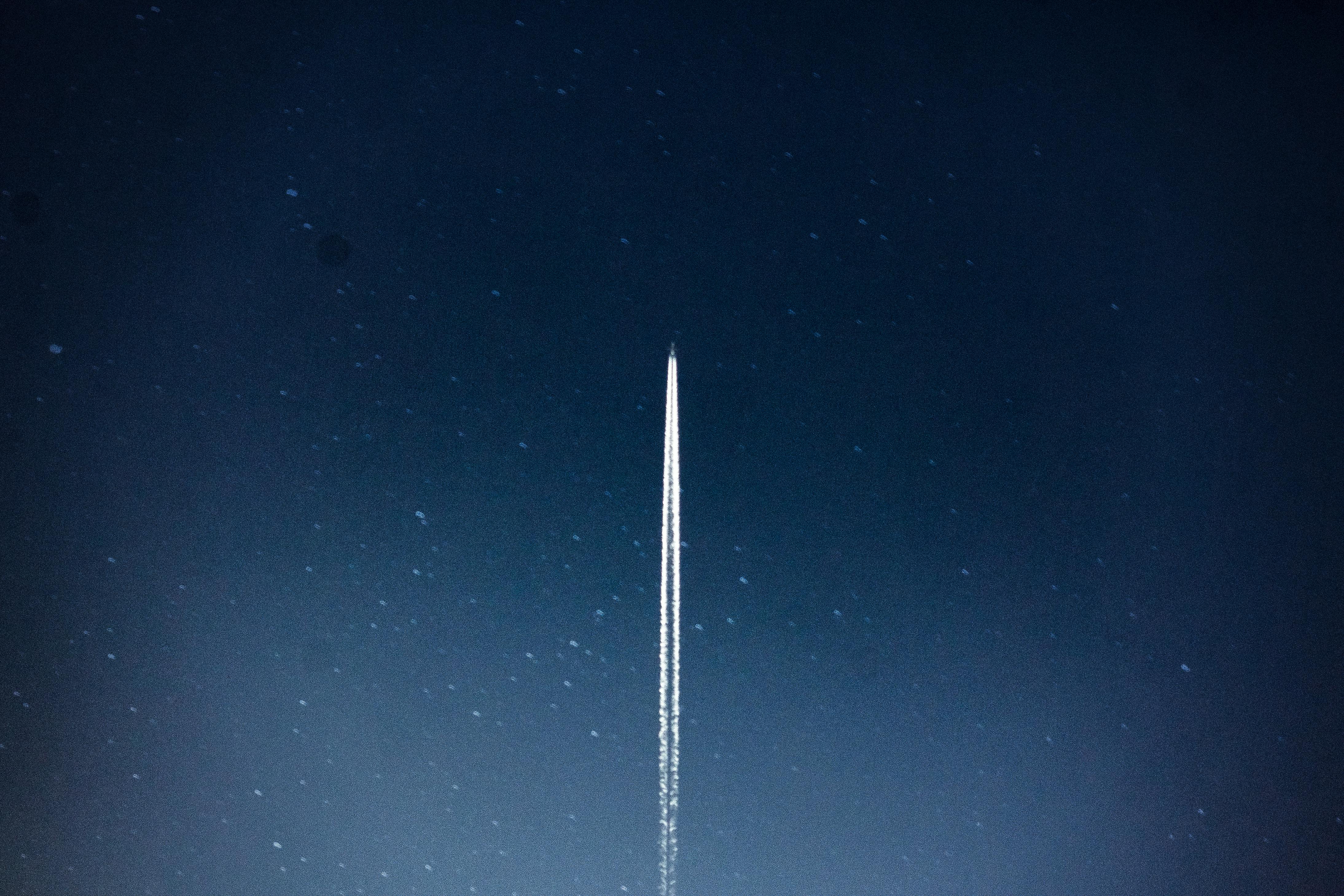
SpaceX's disk-shaped Starfall reentry vehicle debuts as the constellation hits 10,671 working satellites across low Earth orbit.

SpaceX targets a $75B IPO valuing the company at $1.75T, as 50+ new Starlink satellites reach orbit via dual coast launches.

Explore the latest in satellite launches and space reconnaissance as Lockheed Martin, SpaceX, and military entities push forward with innovative missions. A new propulsion clean room marks growth in satellite tech.
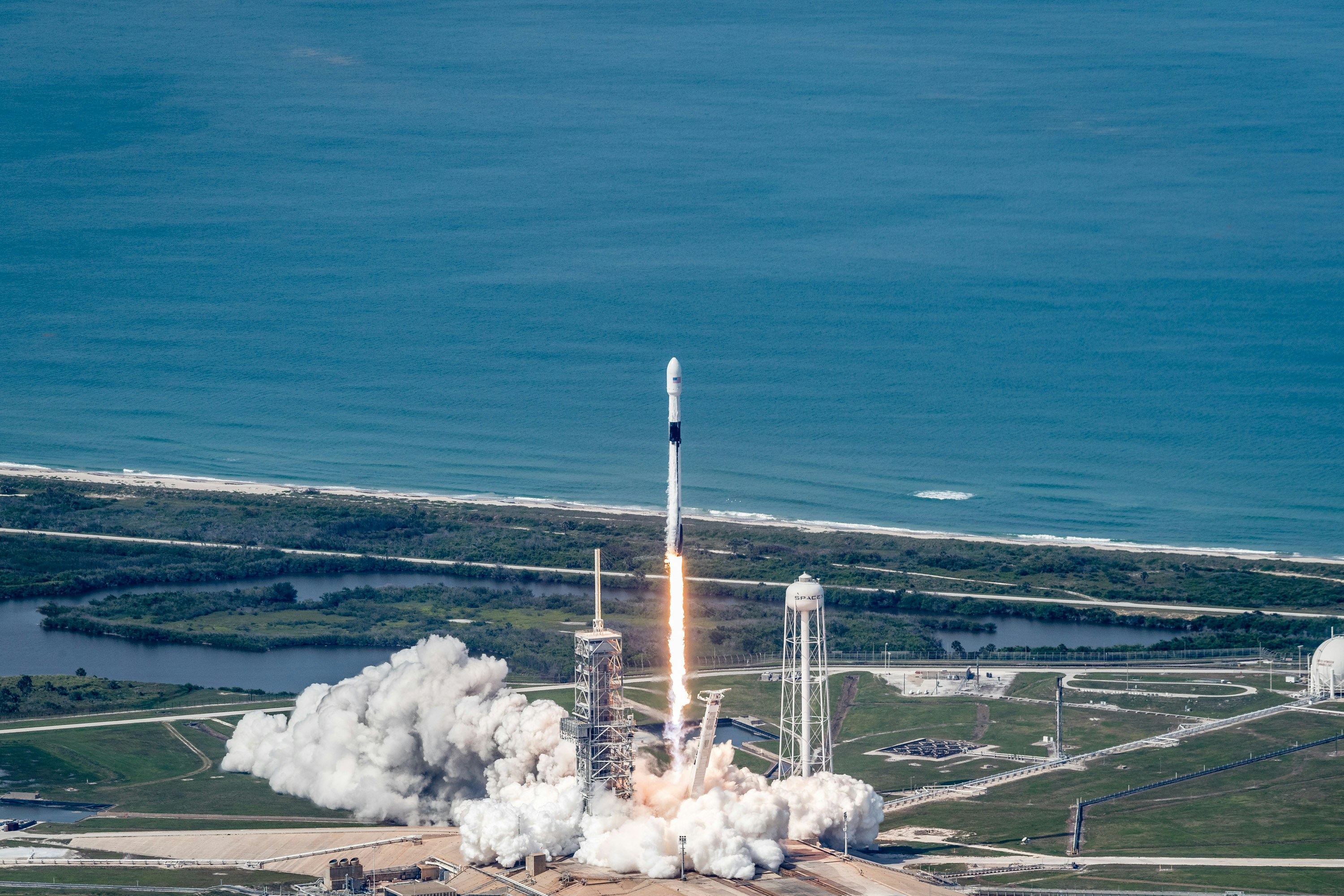
SpaceX's Falcon 9 rideshare lifted 45 satellites including South Korea's CAS500-2 Earth observer from Vandenberg at 0700 UTC May 3.
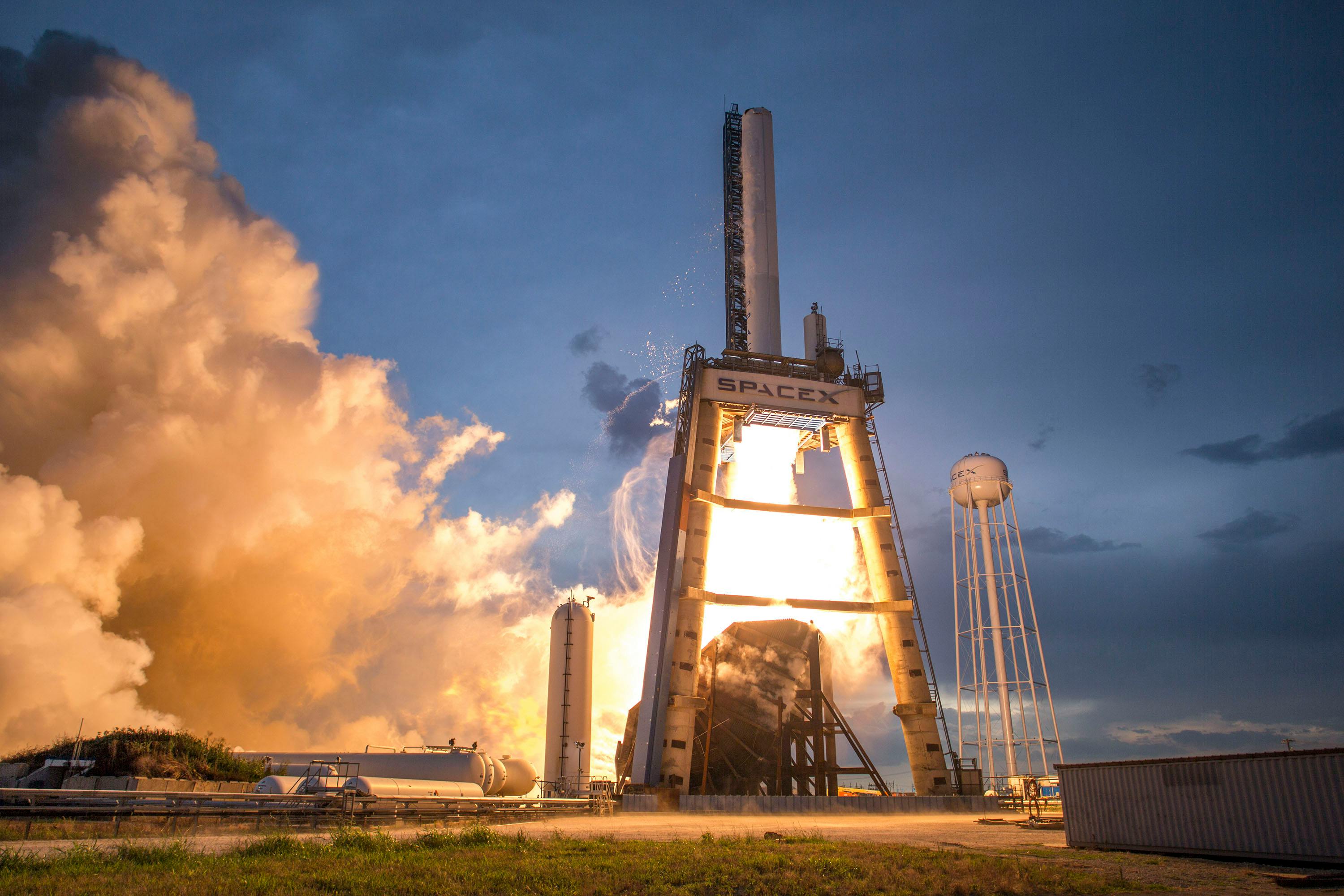
SpaceX to launch GPS III SV09 satellite for Space Force at 11:38 p.m. EST from Cape Canaveral. Musk confirms Starship V3 with Raptor V3 engines targets mid-March first flight.