


The Day America's Moon Rocket Began Its Journey
Fifty-nine years ago, a revolutionary new rocket thundered skyward from Cape Kennedy, testing the spacecraft that would eventually carry astronauts to the lunar surface


Launch Date
March 24, 1989
Launch Site
PLMSC
Launch Pad
LC132/2
Launch Vehicle
Kosmos 11K65M
NORAD ID
19906
International Designator
1989-025E
Epoch
Sat, 04 Jul 2026 05:23:00 GMT
Apogee
Calculating...
Perigee
Calculating...
Inclination
74.01°
Right Ascension
274.61°
Eccentricity
Calculating...
Argument of Perigee
198.98°
Period
115.18 min
Mean Motion
12.50 rev/day
Latitude
Calculating...
Longitude
Calculating...
Altitude
Calculating...
Velocity
Calculating...
Name
COSMOS 2012
Alternative Name
Kosmos-2012
Type
Status
Owner
UNKS
Country
USSR
Constellation
N/A
Related Satellites
Major Events
N/A
1 19906U 89025E 26185.22431647 .00000010 00000-0 16993-3 0 9992
2 19906 74.0110 274.6077 0010364 198.9779 188.2246 12.50246597701401
Source: Celestrak
Length
0.8
Diameter
0.8
Span
0.8
Dry Mass
60
Launch Mass
60
Shape
Poly
Radar Cross Section
0.6567
Visual Magnitude
Unknown
Color
Unknown
Material Composition
Unknown
Payload
Strela-1M Blok 43 No. 5
Purpose
Military Communication
Mission
Military Communication
Manufacturer
NPOPM
Life Expectancy
6 months
Bus
Strela-1 11F625
Configuration
Unknown
Motor
Unknown
Equipment
Unknown
Power System
Solar cells, batteries
ADCS
Unknown
Transmitter Frequency
Unknown
Learn more about satellites and other related topics.
Fifty-nine years ago, a revolutionary new rocket thundered skyward from Cape Kennedy, testing the spacecraft that would eventually carry astronauts to the lunar surface

SpaceX launches diabetes research mission to ISS; EU considers SES for Starlink support; Amazon's Kuiper enters satellite race.
Stay updated on key orbital events including Rocket Lab's upcoming launch, significant legislative moves in space traffic management, and changes in defense policies impacting space operations.
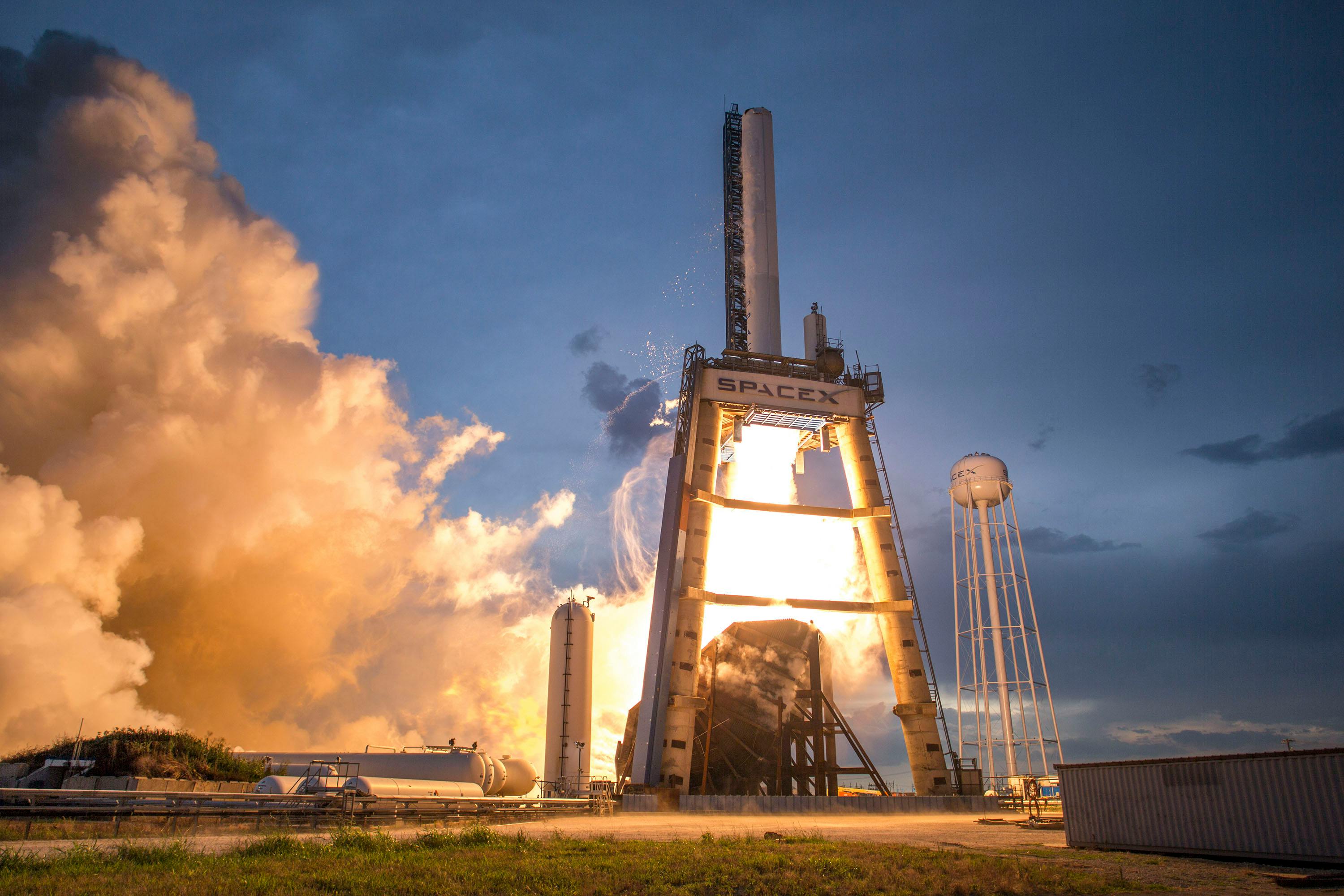
SpaceX successfully launched the latest GPS satellite for the U.S. military, while the FAA has initiated a mishap investigation on a recent Starship test flight. CEO Elon Musk provided updates on the future of the Starship program, indicating ambitious plans ahead.
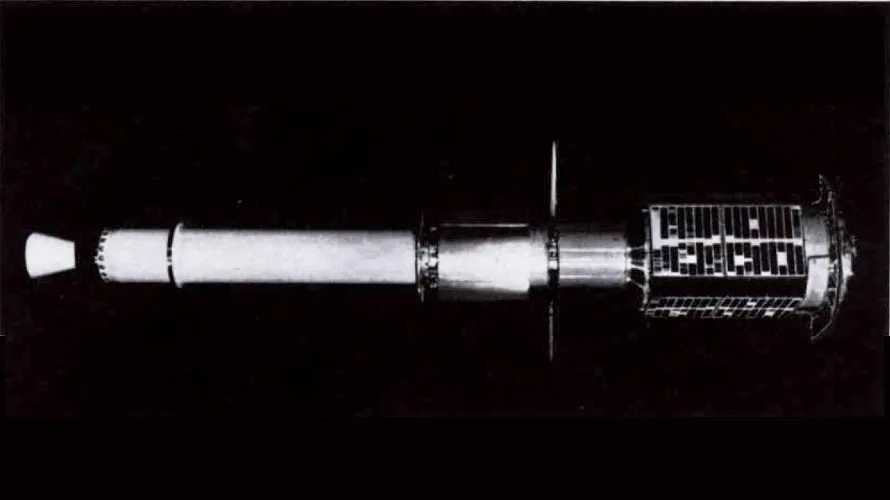
On April 27, 1961, a Scout rocket lifted a 37-kilogram NASA satellite into orbit from Wallops Island carrying the first serious instrument for detecting cosmic gamma rays. Explorer 11 operated for seven months before its tape recorder failed. In that time it registered 22 gamma-ray photons - a pitiful number by modern standards, but enough to launch an entire branch of astronomy.
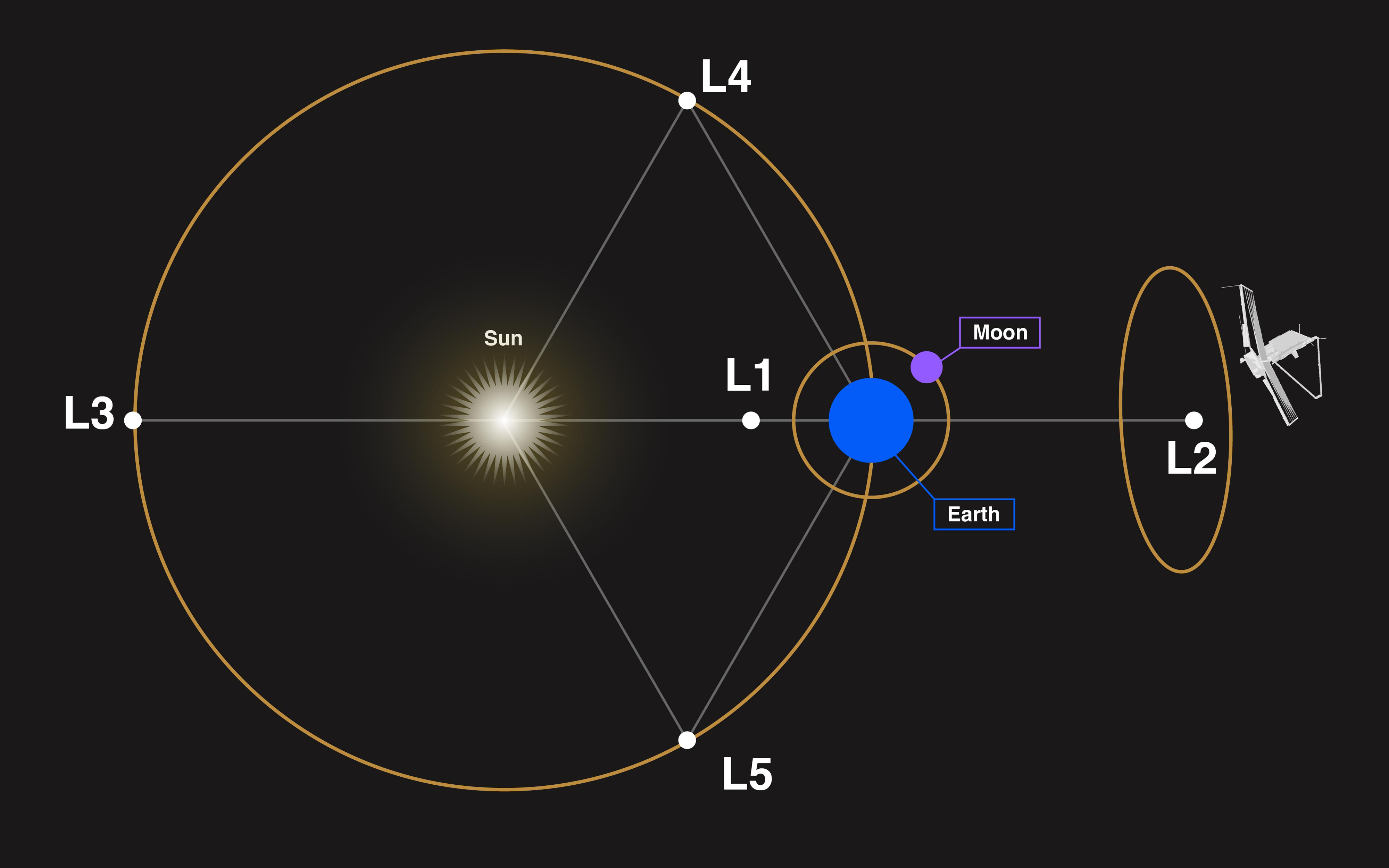
Five spots in the Earth-Sun system where the gravitational tug of two massive bodies and the pull of circular motion all cancel out, creating gravitational parking spaces where spacecraft can sit for decades with almost no fuel.
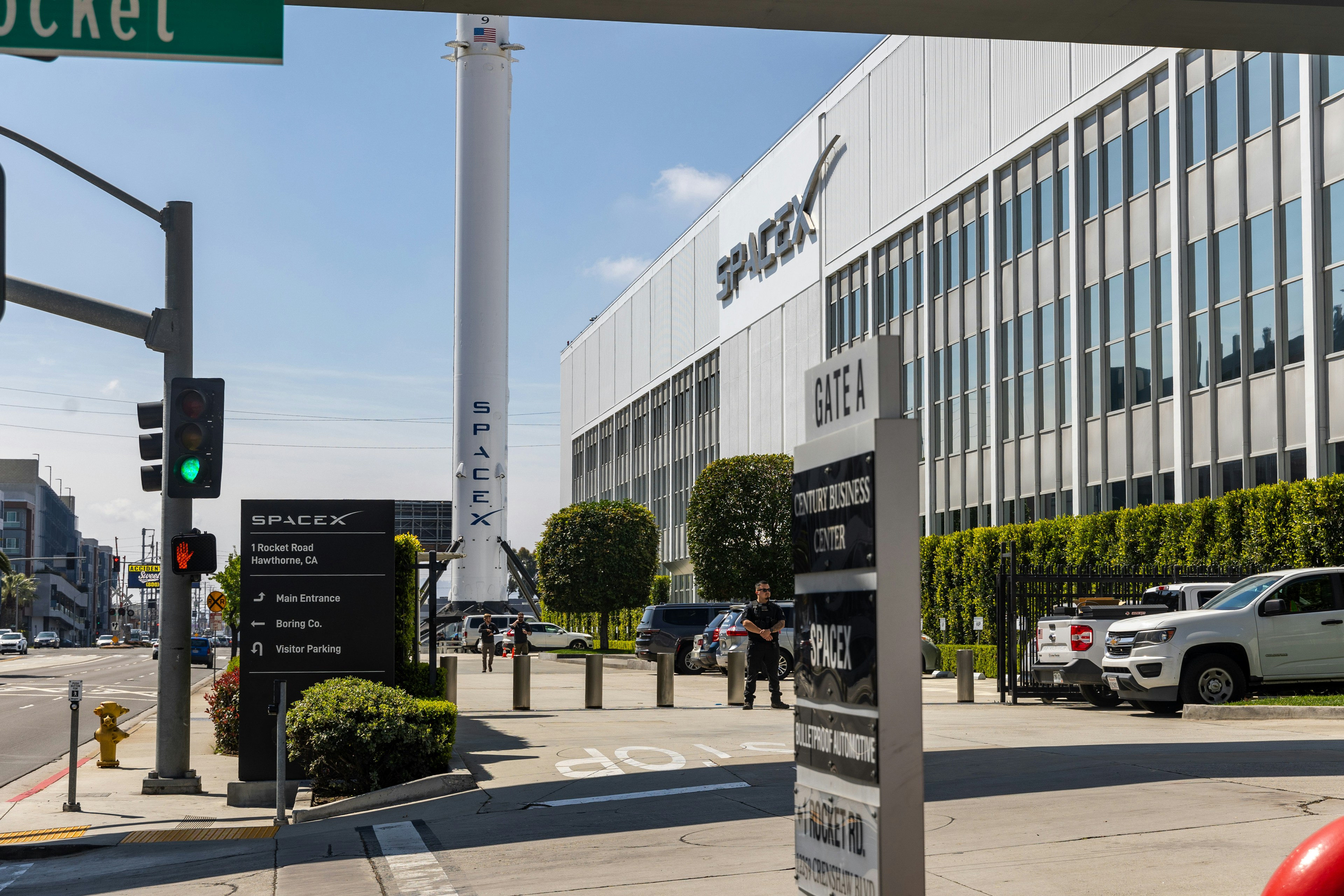
Crew-11 prepares for historic first ISS medical evacuation via Crew Dragon. Lufthansa Group to equip all 850 aircraft with Starlink. Starship infrastructure advances at Starbase and Cape Canaveral.
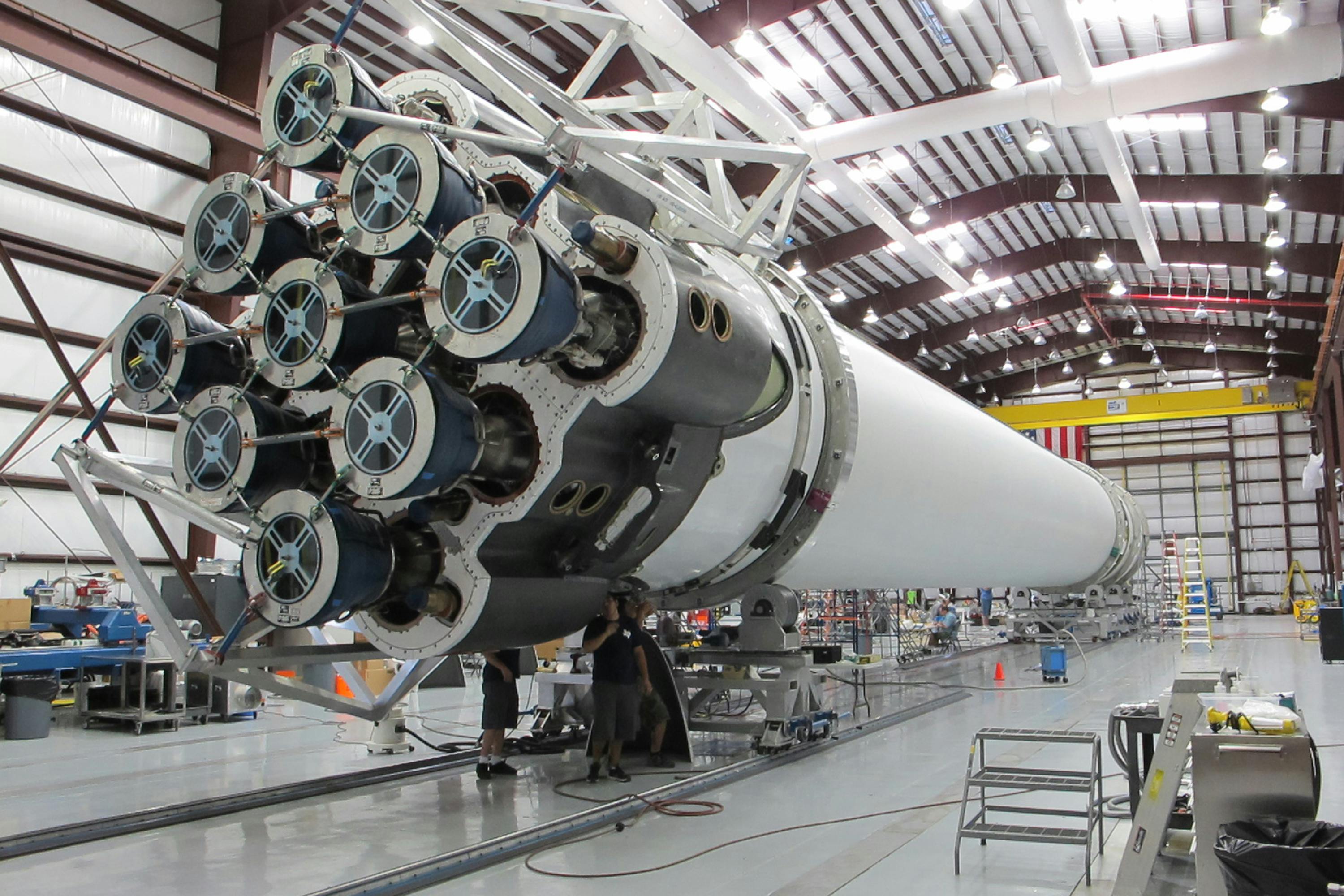
SpaceX makes strides with United States national security satellites, securing substantial spectrum for Starlink's direct-to-cell services, and preparing for future Starship developments.