

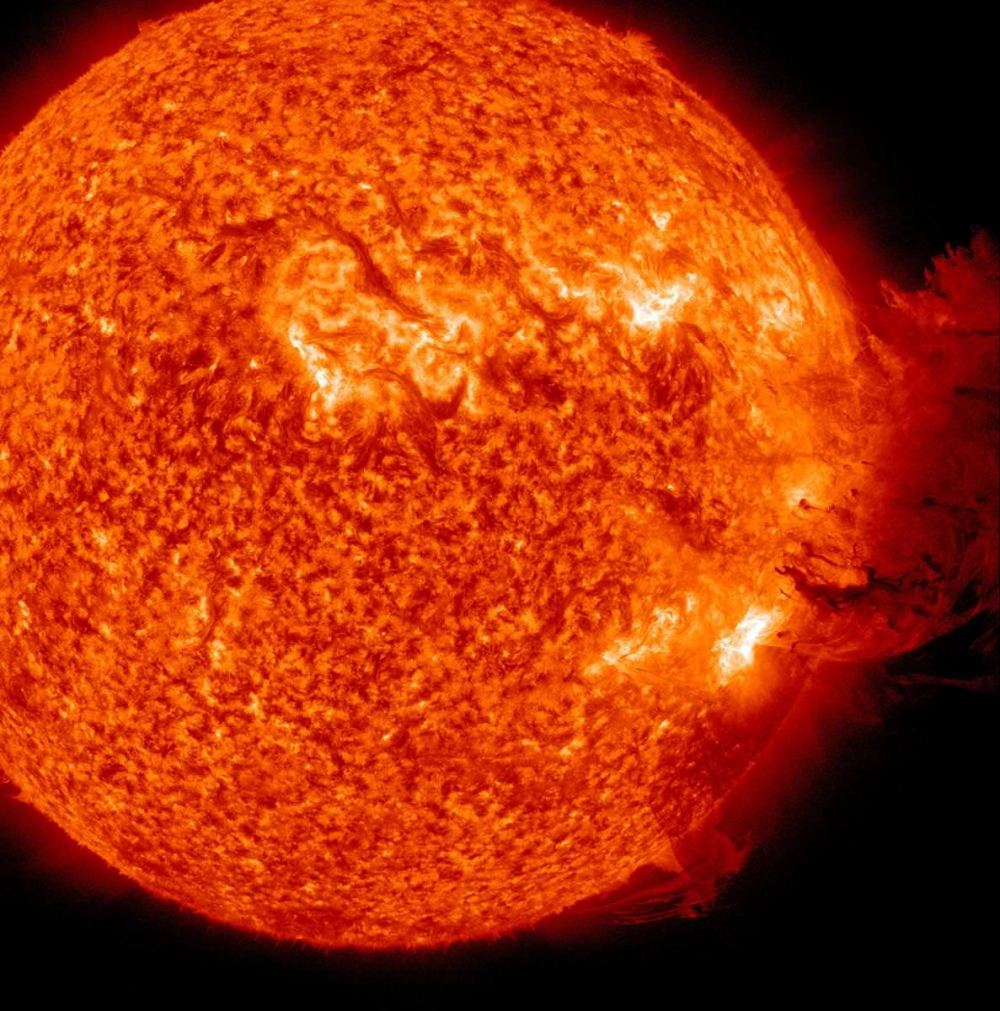
The Day Humanity Gained New Eyes on the Sun
Fifteen years ago, NASA launched its most advanced solar observatory, revolutionizing our understanding of our star and transforming space weather prediction


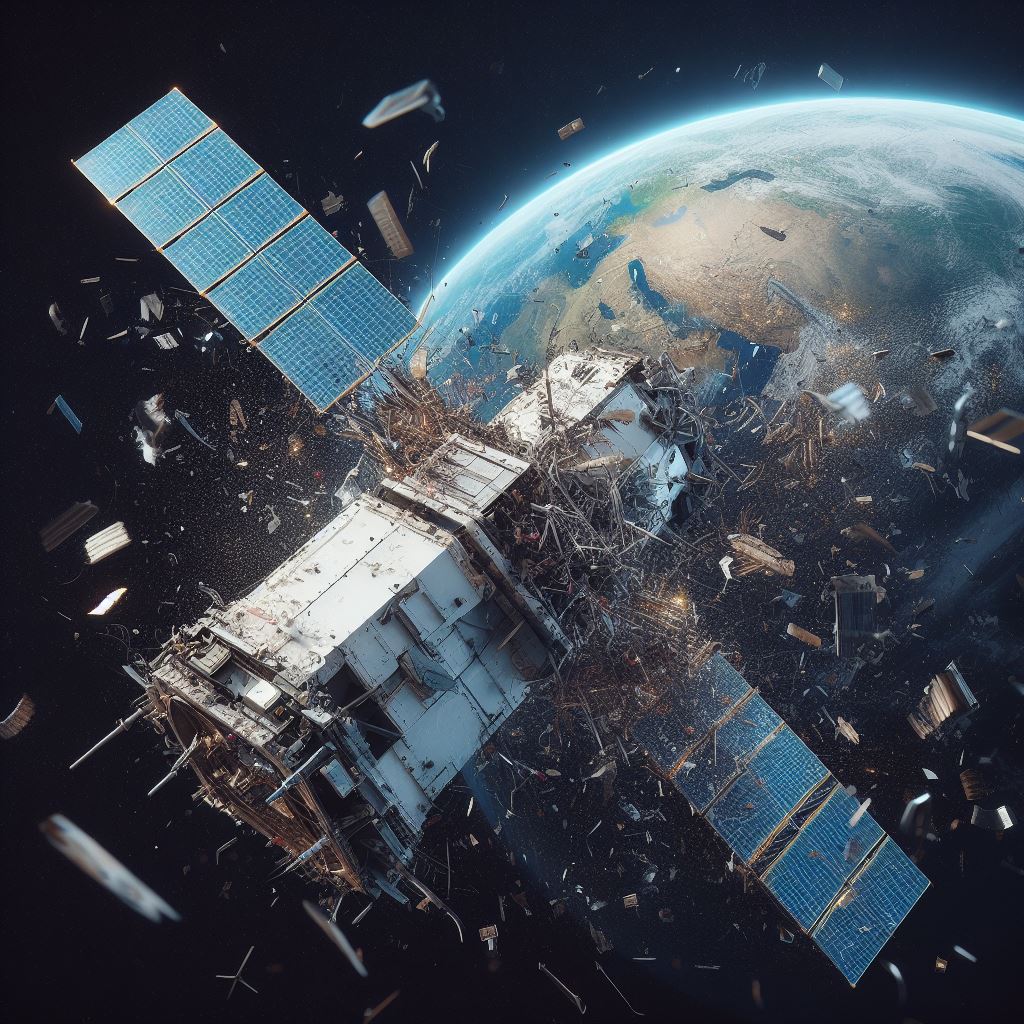
Launch Date
February 20, 1987
Launch Site
PLMSC
Launch Pad
LC32/2
Launch Vehicle
Tsiklon-3
NORAD ID
19836
International Designator
1987-020CL
Decay Date
10/26/1989
Name
COSMOS 1823 DEB
Alternative Name
deb Kosmos-1823
Type
Status
Owner
UNKS
Country
USSR
Constellation
N/A
Related Satellites
Major Events
N/A
Length
0
Diameter
0
Span
0
Dry Mass
0
Launch Mass
0
Shape
N/A
Radar Cross Section
0.19
Visual Magnitude
Unknown
Color
Unknown
Material Composition
Unknown
Payload
Unknown
Purpose
Unknown
Mission
Unknown
Manufacturer
Unknown
Life Expectancy
Unknown
Bus
Unknown
Configuration
Unknown
Motor
Unknown
Equipment
Unknown
Power System
Unknown
ADCS
Unknown
Transmitter Frequency
Unknown
Learn more about satellites and other related topics.
Fifteen years ago, NASA launched its most advanced solar observatory, revolutionizing our understanding of our star and transforming space weather prediction
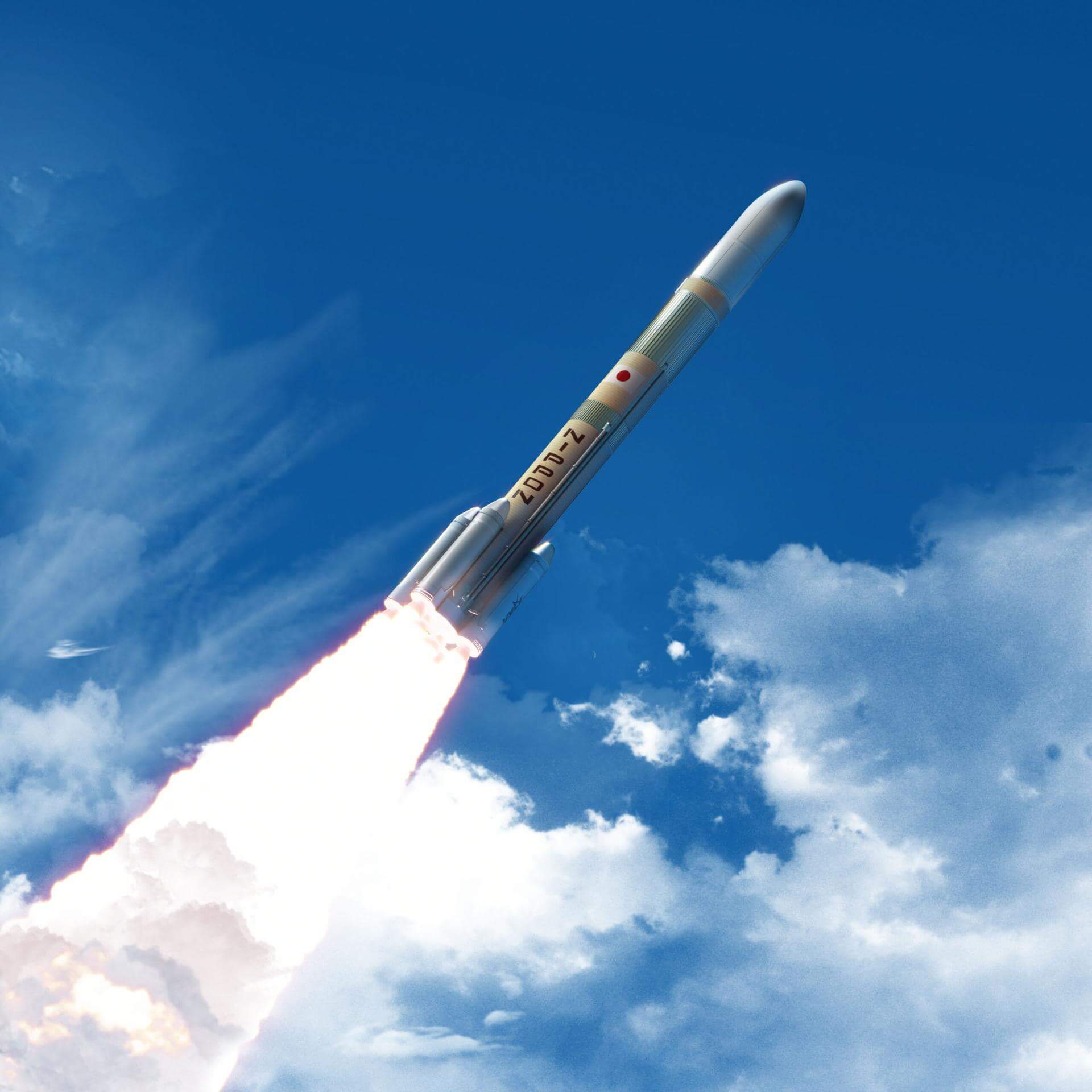
Today's brief covers the latest in satellite technology contracts, China's rocket launch ambitions, and new launch authorizations paving the way for space exploration advancements.
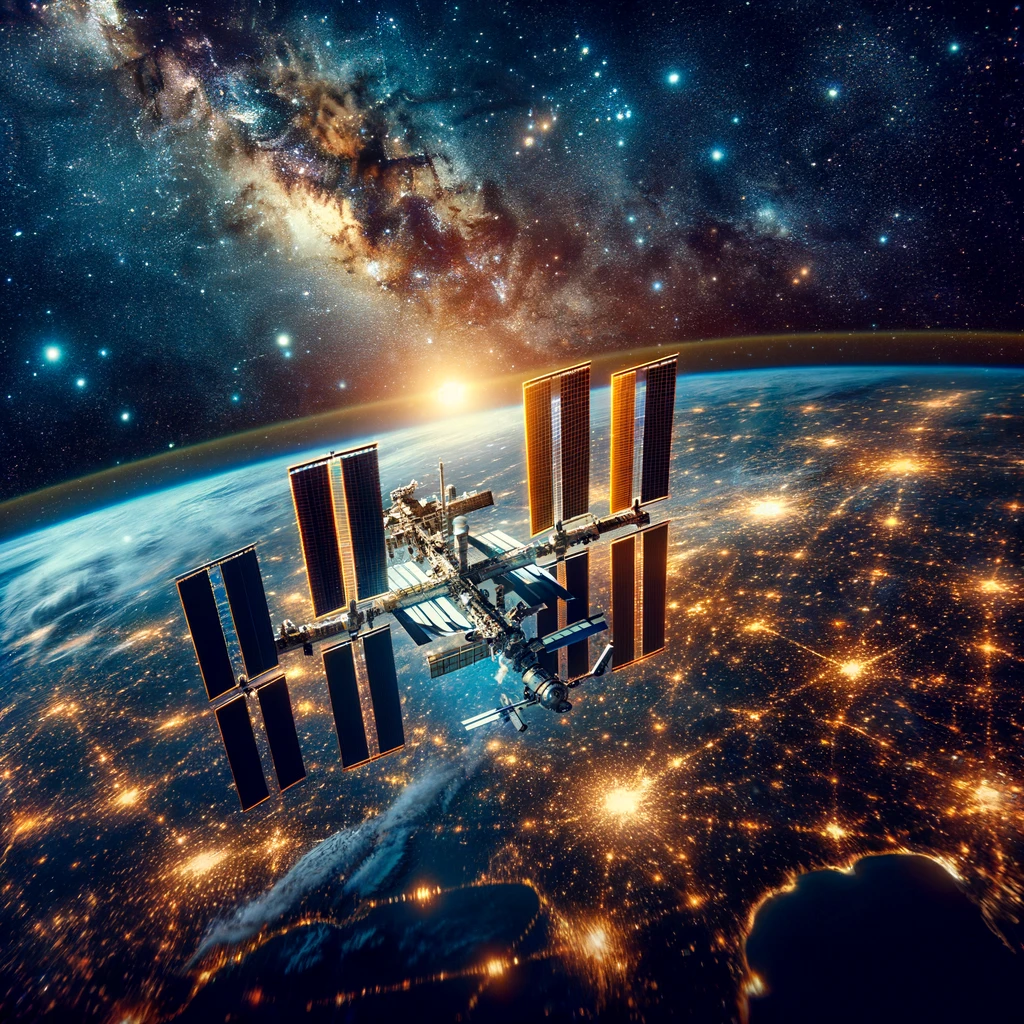
A look at how tracking the space station offers a unique view of space exploration.
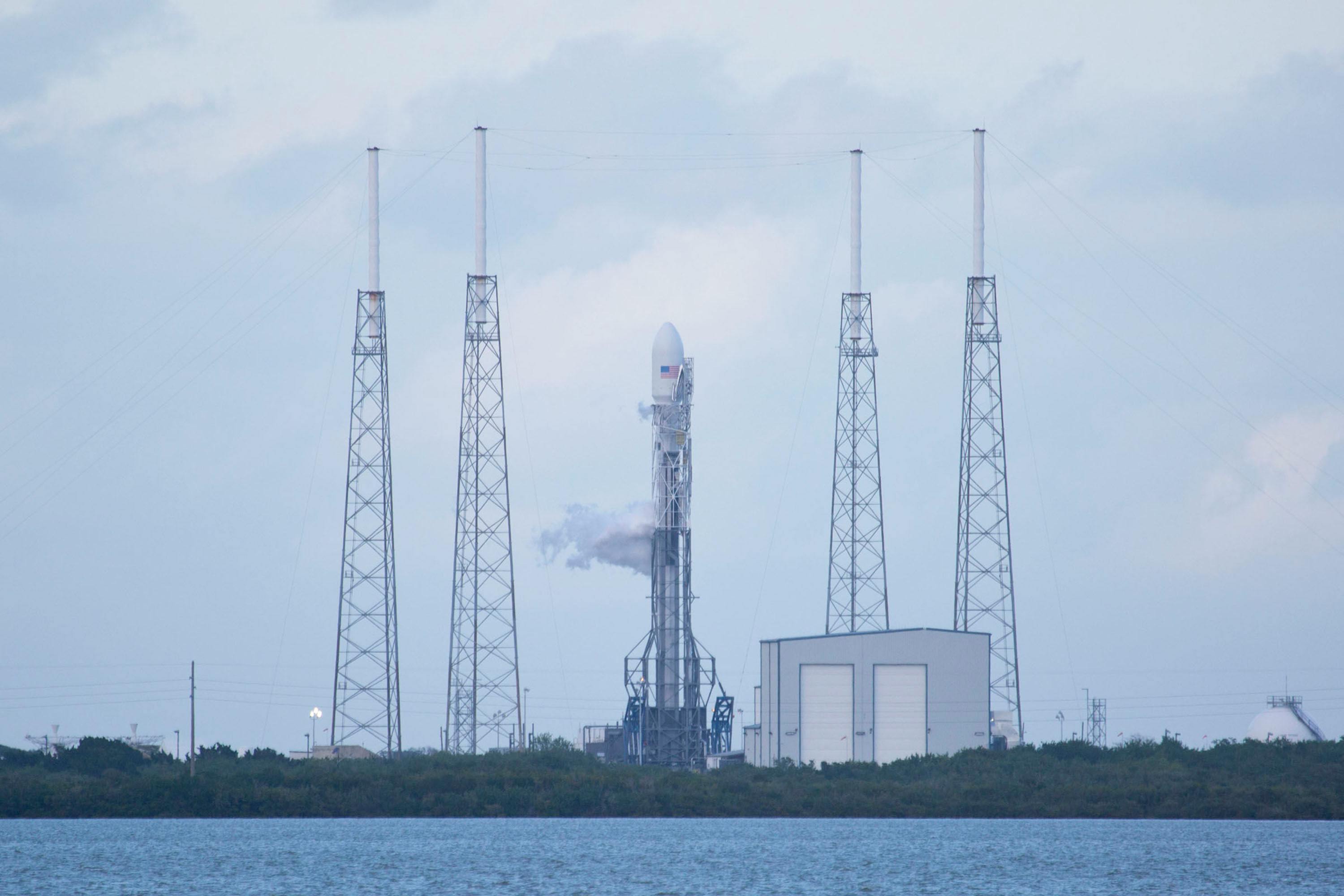
The FAA has approved Starship Flight 9, paving the way for an upcoming test launch, while SpaceX's Dragon spacecraft is set to undock from the ISS after weather delays.
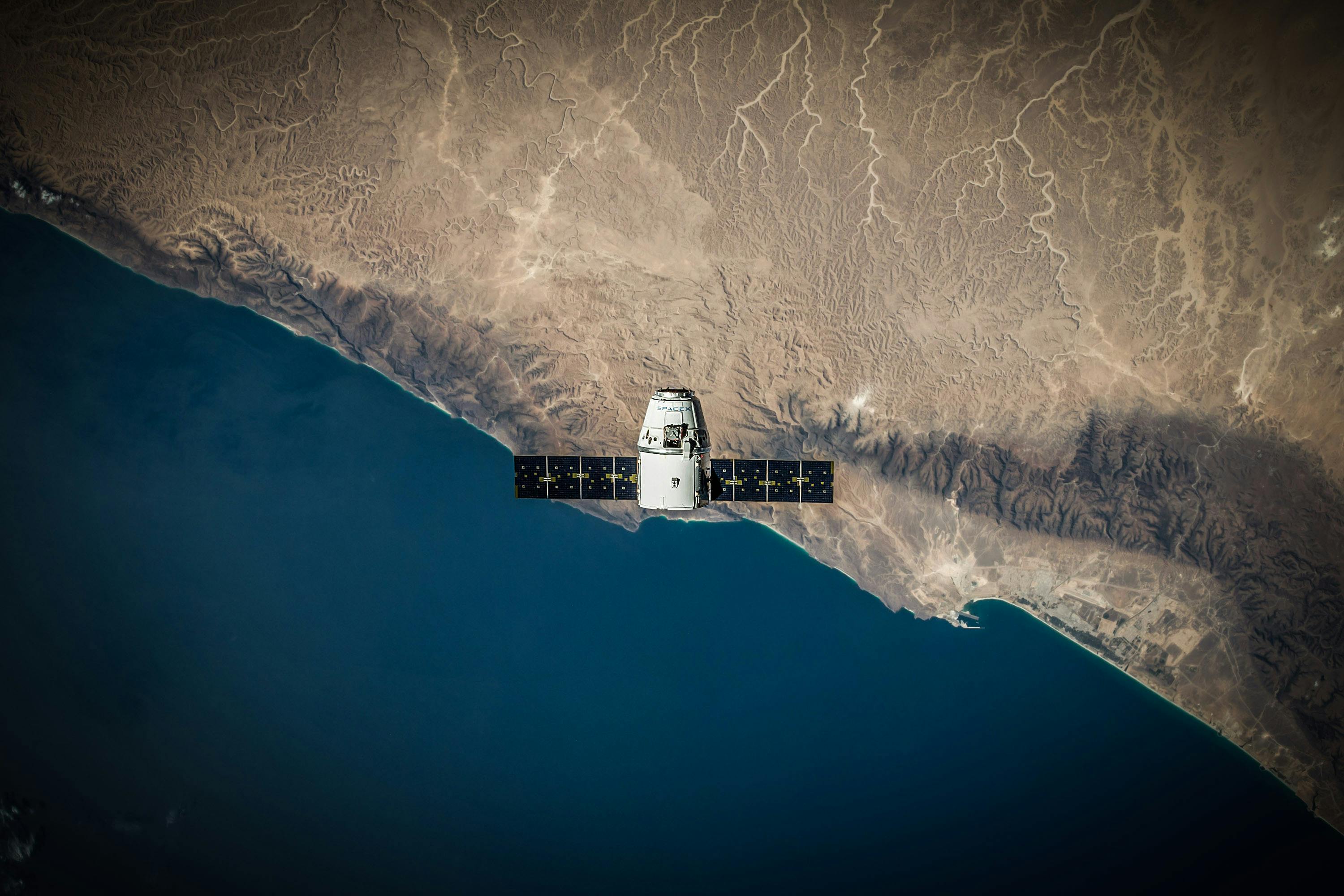
On December 14, 2025, SpaceX achieved a significant milestone with its 550th booster landing following the launch of 27 new Starlink satellites, while exploring potential IPO strategies to fund future projects.
SpaceX ramps up Starship preparations in Florida while California prepares for another Starlink launch.

SpaceX targets a $75B IPO valuing the company at $1.75T, as 50+ new Starlink satellites reach orbit via dual coast launches.

Today's brief covers advances in satellite docking technology, challenges faced by space companies with government navigation, and China's leap in space autonomy through AI developments.