

X Report 28 Oct 2025
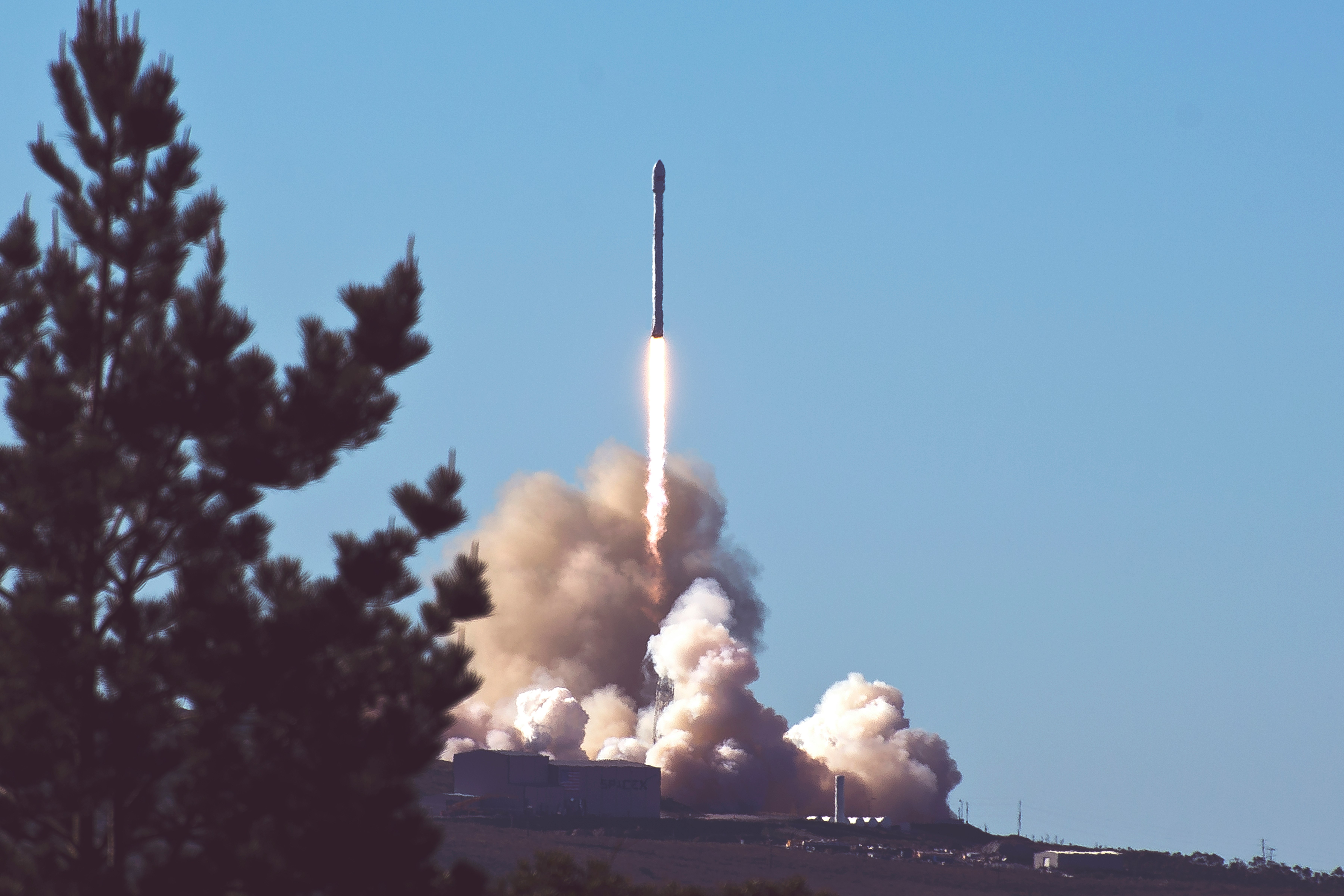
SpaceX successfully launched 28 Starlink satellites and settled a lawsuit, while Starlink's performance faces scrutiny in Ukraine. Additionally, MTN is enhancing Starlink's business services.


Launch Date
February 21, 1989
Launch Site
KSCUT
Launch Pad
M1
Launch Vehicle
Mu-3S-II
NORAD ID
19823
International Designator
1989-016B
Decay Date
4/4/1989
Name
M-3S2 R/B(1)
Alternative Name
M-3S2-4 Stage 3
Type
Status
Owner
ISASM
Country
Japan
Constellation
N/A
Related Satellites
Major Events
N/A
Length
2.7
Diameter
1.5
Span
2.7
Dry Mass
310
Launch Mass
310
Shape
Sphere + Cone
Radar Cross Section
6.27
Visual Magnitude
Unknown
Color
Unknown
Material Composition
Unknown
Payload
M-3B
Purpose
Unknown
Mission
Unknown
Manufacturer
NISS
Life Expectancy
Unknown
Bus
M-3B
Configuration
Unknown
Motor
Unknown
Equipment
Unknown
Power System
Unknown
ADCS
Unknown
Transmitter Frequency
Unknown
Learn more about satellites and other related topics.
SpaceX successfully launched 28 Starlink satellites and settled a lawsuit, while Starlink's performance faces scrutiny in Ukraine. Additionally, MTN is enhancing Starlink's business services.
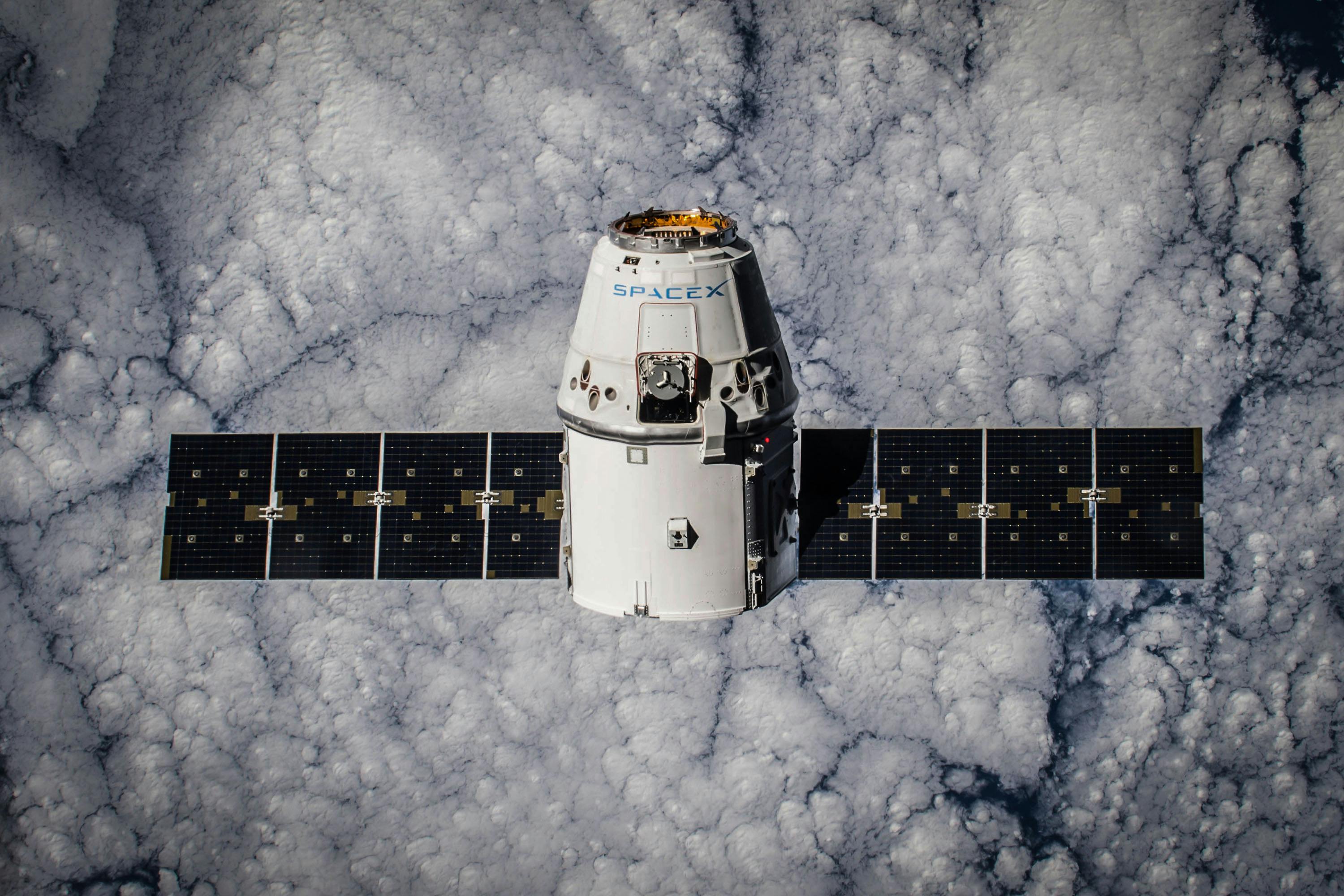
Severe weather conditions disrupt the launch of Amazon’s Project Kuiper satellites, highlighting ongoing challenges in satellite deployment amidst increasing competition in the space industry.

Starship Flight 12 summary: V3 reached space May 22 and survived reentry despite one Raptor vacuum engine shutdown, with most test objectives complete.

SpaceX is preparing for significant infrastructure expansion in Texas and Florida to support Starship, launches its third NRO mission in a week, and faces regulatory scrutiny from the Bahamas.

Expansion of national security capabilities with new services, shifts in Pentagon priorities, challenges in zero trust compliance, and more.

SpaceX delivered 3 Block 2 BlueBird satellites for AST SpaceMobile from Pad 40, advancing direct-to-cell broadband with 10,650 Starlink craft now active.
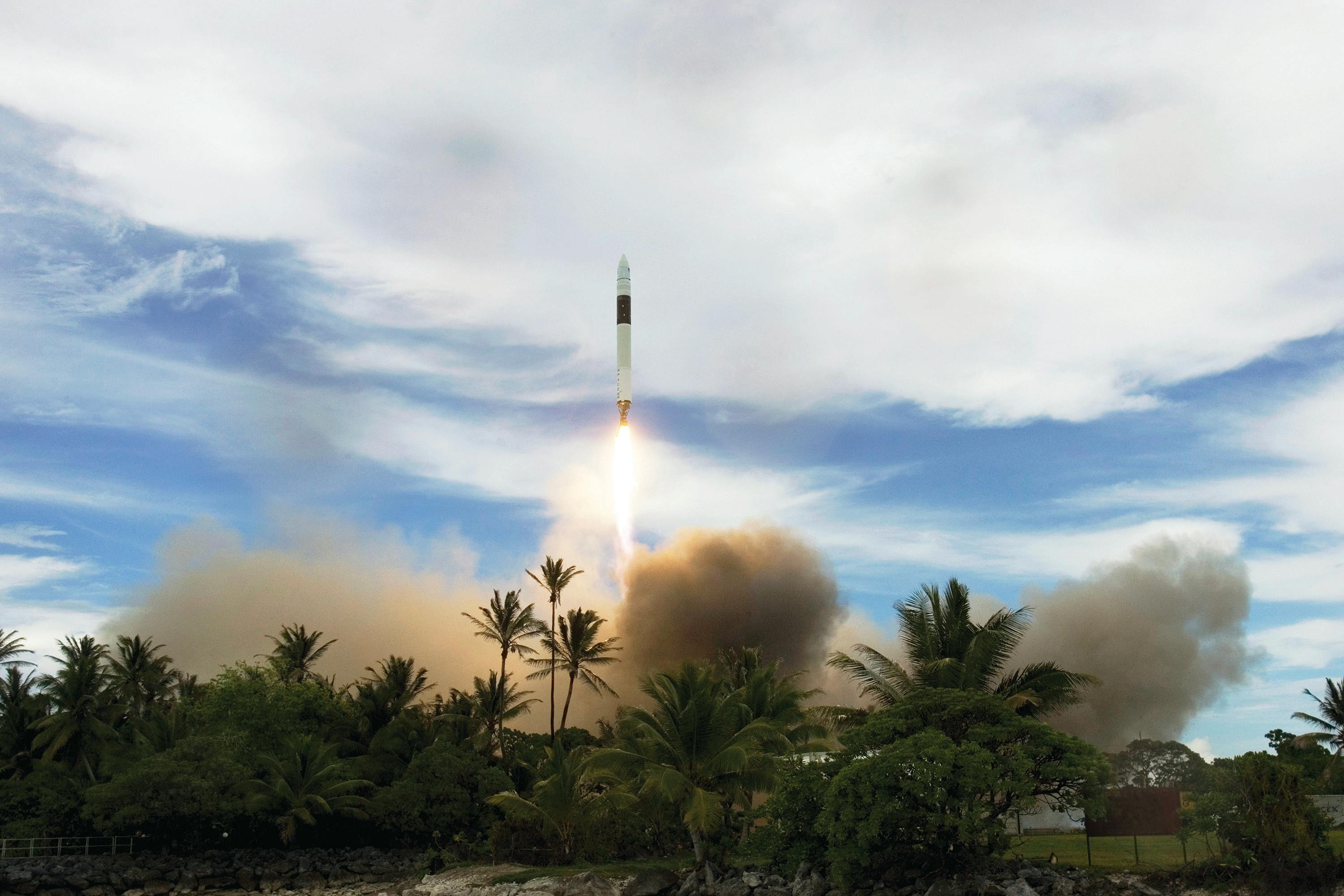
SpaceX prepares for sixth Starship flight, slated for mid-November, following successful fifth test in October.
NASA's SLS and Orion spacecraft rolled back to Launch Complex 39B, targeting April 1 for first crewed lunar flyby with four astronauts aboard.