


Space Force Awards $437M to Viasat, SES for Military Satcom | KeepTrack Space Brief
Space Force contracts Viasat and SES for $437M Protected Tactical Satcom-Global program. Four new GEO satellites replace vulnerable single-satellite systems.


Launch Date
February 14, 1989
Launch Site
Launch Pad
LC17A
Launch Vehicle
Delta 6925
NORAD ID
19802
International Designator
1989-013A
Epoch
Mon, 29 Jun 2026 06:48:34 GMT
Apogee
Calculating...
Perigee
Calculating...
Inclination
55.03°
Right Ascension
94.22°
Eccentricity
Calculating...
Argument of Perigee
250.92°
Period
777.01 min
Mean Motion
1.85 rev/day
Latitude
Calculating...
Longitude
Calculating...
Altitude
Calculating...
Velocity
Calculating...
Name
NAVSTAR 13 (USA 35)
Alternative Name
GPS II-1
Type
Status
Owner
AFSD
Country
United States
Constellation
N/A
Related Satellites
Major Events
N/A
1 19802U 89013A 26180.28373580 -.00000043 00000-0 00000-0 0 9992
2 19802 55.0348 94.2239 0043701 250.9247 292.6815 1.85325665258492
Source: Celestrak
Length
2.4
Diameter
1.8
Span
5.3
Dry Mass
776
Launch Mass
776
Shape
Box + 2 Pan
Radar Cross Section
1.6147
Visual Magnitude
Unknown
Color
Unknown
Material Composition
Unknown
Payload
GPS SVN 14
Purpose
Navigation
Mission
Navigation
Manufacturer
RWISB
Life Expectancy
7.5 years
Bus
GPS II
Configuration
3-Axis stabilized
Motor
Star 37XFP
Equipment
?
Power System
2 deployable solar arrays, batteries
ADCS
Unknown
Transmitter Frequency
Unknown
Learn more about satellites and other related topics.
Space Force contracts Viasat and SES for $437M Protected Tactical Satcom-Global program. Four new GEO satellites replace vulnerable single-satellite systems.
Discover the latest in space news with the ULA's recent launch for the US Space Force, significant developments in radar tracking at high altitudes, and impactful policy changes involving military space missions.
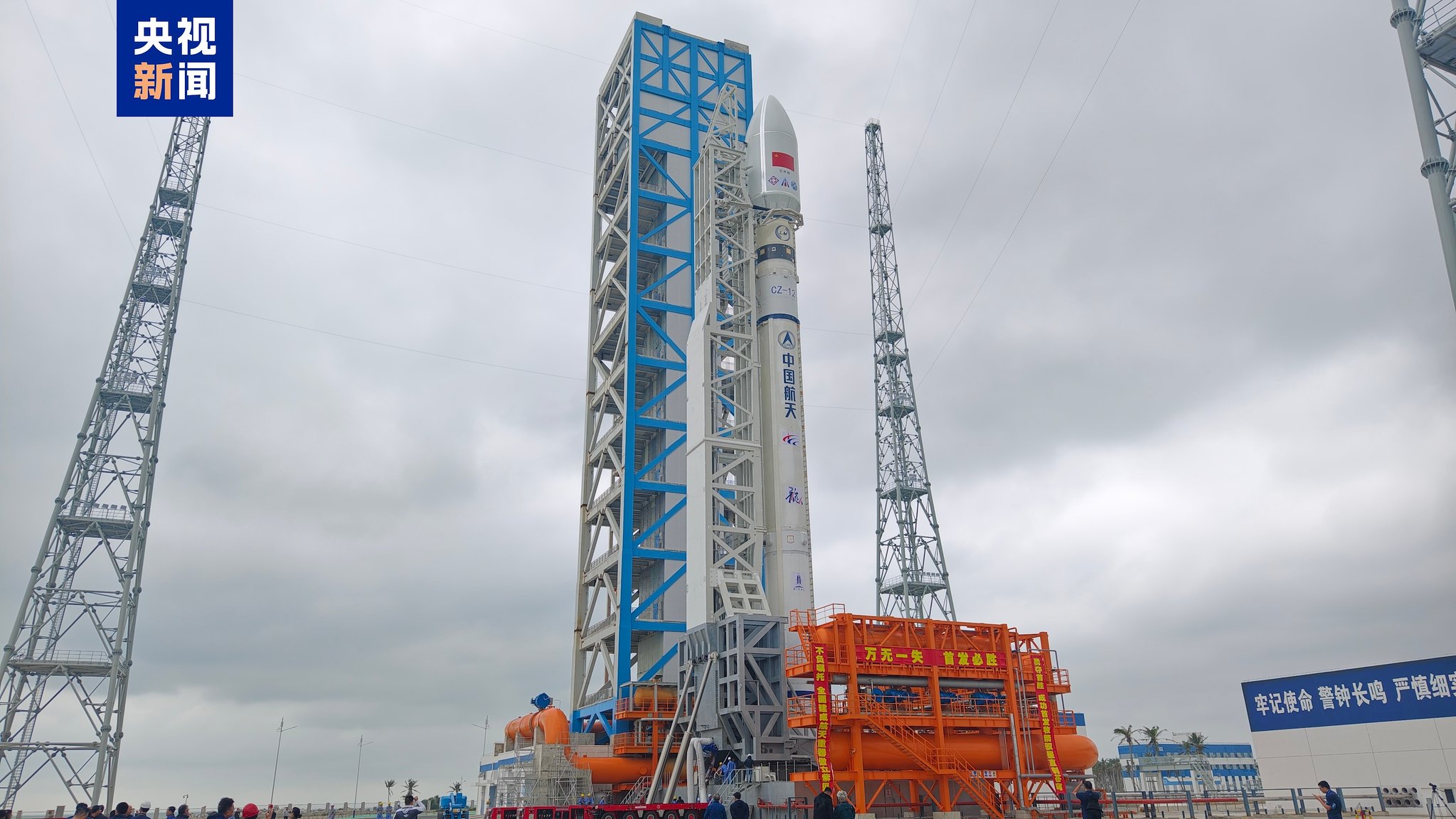
Today's top space events include a new military satellite launch by York Space, advancements in phased array antennas by Space Force, and the debut of Denmark's Arctic satellite. Also covered are developments in Starlink's services in Vietnam.
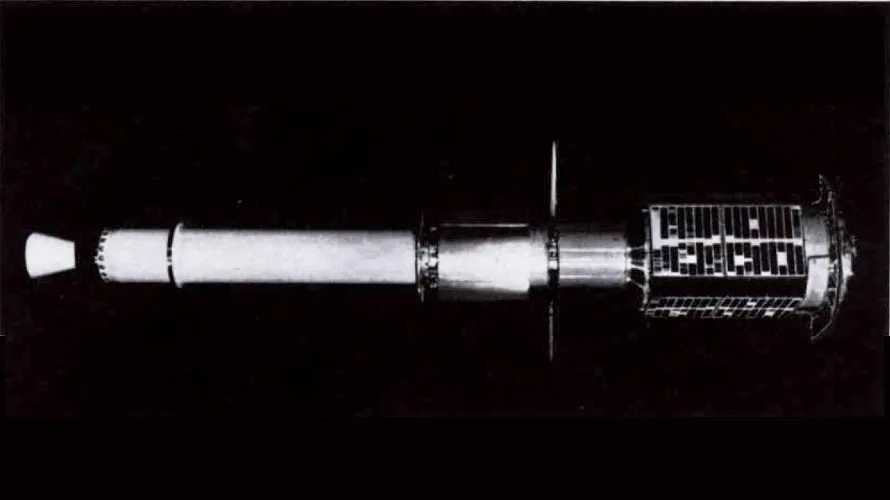
On April 27, 1961, a Scout rocket lifted a 37-kilogram NASA satellite into orbit from Wallops Island carrying the first serious instrument for detecting cosmic gamma rays. Explorer 11 operated for seven months before its tape recorder failed. In that time it registered 22 gamma-ray photons - a pitiful number by modern standards, but enough to launch an entire branch of astronomy.

Today's brief covers China's latest classified satellite launch, breakups in orbital refueling experiments, exciting advancements in microsatellites, and SpaceX's remarkable strides in spaceflight.

SpaceX Starlink connectivity equips Trump's $400M interim Air Force One as Falcon 9 prepares to orbit 24 more satellites on mission 17-28.
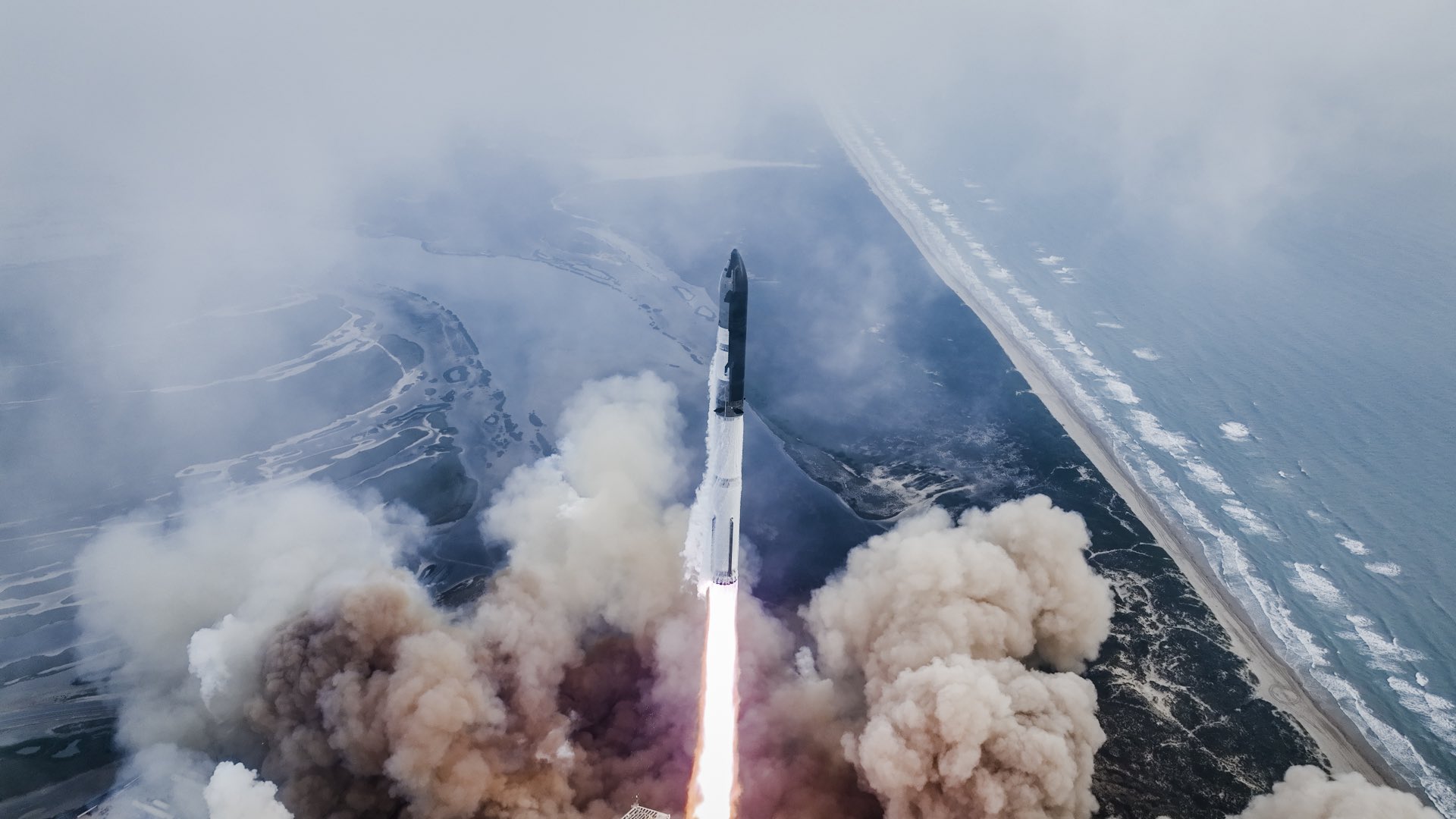
Today's edition covers China's latest launches in their classified satellite programs, ongoing discussions in the U.S. Senate on missile defense, and the ever-escalating space debris crisis threatening national security.

Today's Space Brief covers the latest developments in space debris detection, Ursa Major's defense push, and SpaceX's Starlink launch. Additionally, insights into microreactors for military bases, US Cyber Command updates, and gravitational wave discoveries are highlighted.