SL-12 R/B(1) (19752)

COSPAR: 1989-001D | Alt Name: Proton-K 350-02 Stage 3
DECAYED

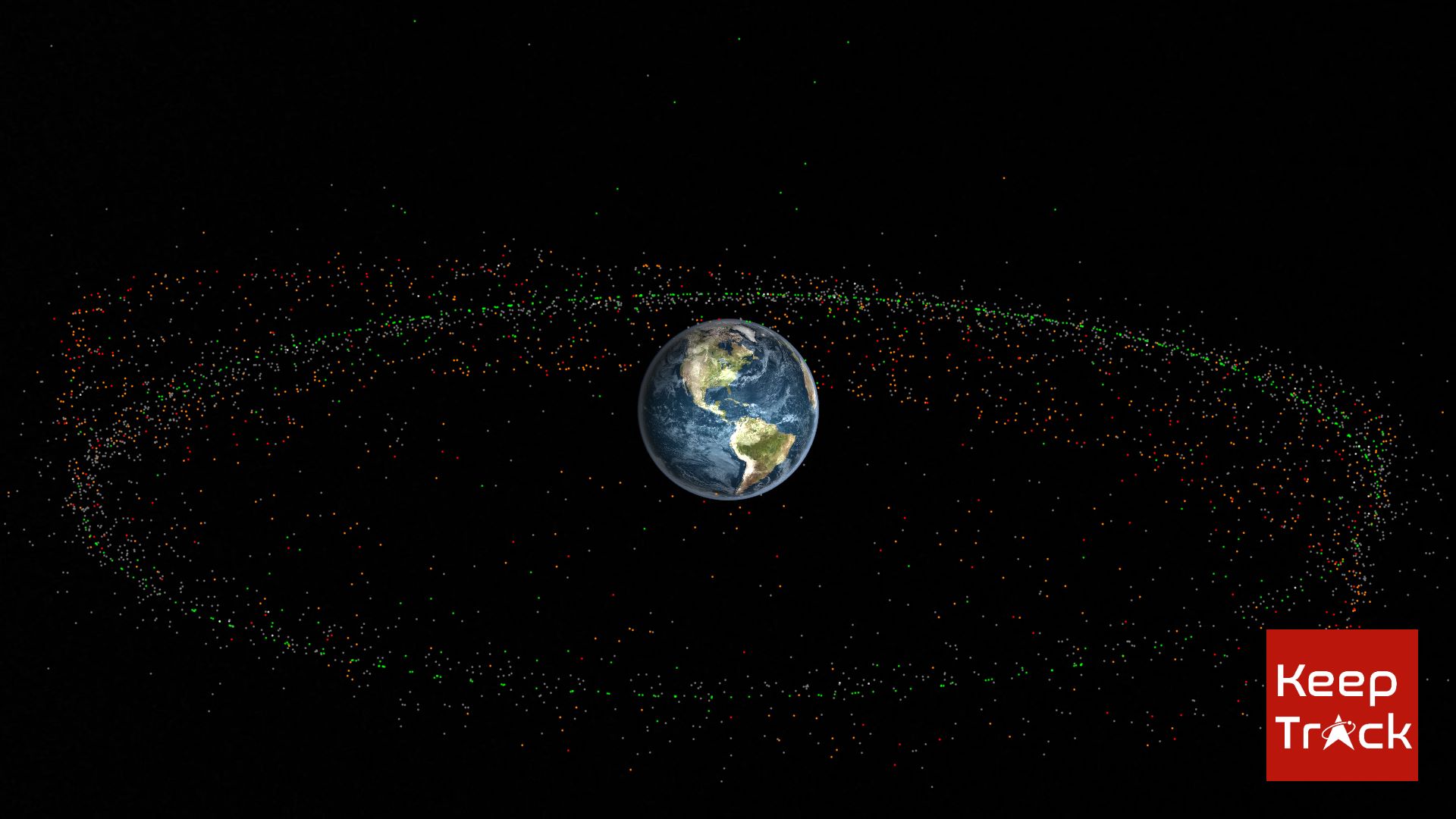
Image
SL-12 R/B(1) Satellite Image
Additional Sources
Launch Details

Launch Date

January 10, 1989

Launch Pad

LC200/39

Launch Vehicle

Proton-K/DM-2

Orbital Elements

NORAD ID

19752

International Designator

1989-001D

Decay Date

1/10/1989

Basic Satellite Info

Name

SL-12 R/B(1)

Alternative Name

Proton-K 350-02 Stage 3

Type

Rocket Body

Status

Space Junk

Owner

RVSN

Country

USSR

Constellation

N/A

Related Satellites

Major Events

N/A

Summary
A rocket body, also commonly referred to as an upper stage or spent rocket stage, is the structural shell left behind after a rocket has delivered its payload to orbit. These large and often heavy pieces of space hardware can remain in orbit for years, posing significant collision hazards as part of the growing space debris problem. If left uncontrolled, rocket bodies have the potential to reenter Earth's atmosphere unpredictably, which can lead to falling debris in populated areas. Additionally, they risk colliding with operational satellites or the International Space Station, creating more debris and putting human life at risk.
Physical Characteristics

Length

6.5

Diameter

4.2

Span

6.5

Dry Mass

4185

Launch Mass

4185

Shape

Cyl

Radar Cross Section

Unknown

Visual Magnitude

Unknown

Color

Unknown

Material Composition

Unknown

Technical Details

Payload

8S812

Purpose

Unknown

Mission

Unknown

Manufacturer

ZIKH

Life Expectancy

Unknown

Bus

8S812

Configuration

Unknown

Motor

Unknown

Equipment

Unknown

Power System

Unknown

ADCS

Unknown

Transmitter Frequency

Unknown

Satellite Articles

View All Posts »

Learn more about satellites and other related topics.

Falling Space Debris Risk to Aircraft Grows, North Korea Tests Hypersonic Missiles | KeepTrack Space Brief

Falling Space Debris Risk to Aircraft Grows, North Korea Tests Hypersonic Missiles | KeepTrack Space Brief

Experts warn falling space debris risk to aircraft is increasing. North Korea tests advanced hypersonic missiles. Space Force seeks launch providers for Cape Canaveral and Vandenberg pads.

Geosynchronous Orbit (GEO)

Geosynchronous Orbit (GEO)

Understanding the unique orbital sweet spot that keeps satellites perfectly positioned above Earth

SpaceX Hits 10,000 Starlink Satellites in Orbit | KeepTrack Space Brief

SpaceX Hits 10,000 Starlink Satellites in Orbit | KeepTrack Space Brief

SpaceX surpassed 10,000 simultaneous Starlink satellites in orbit after Starlink 17-24 deployed 25 satellites from California. Milestone reached in under 7 years.

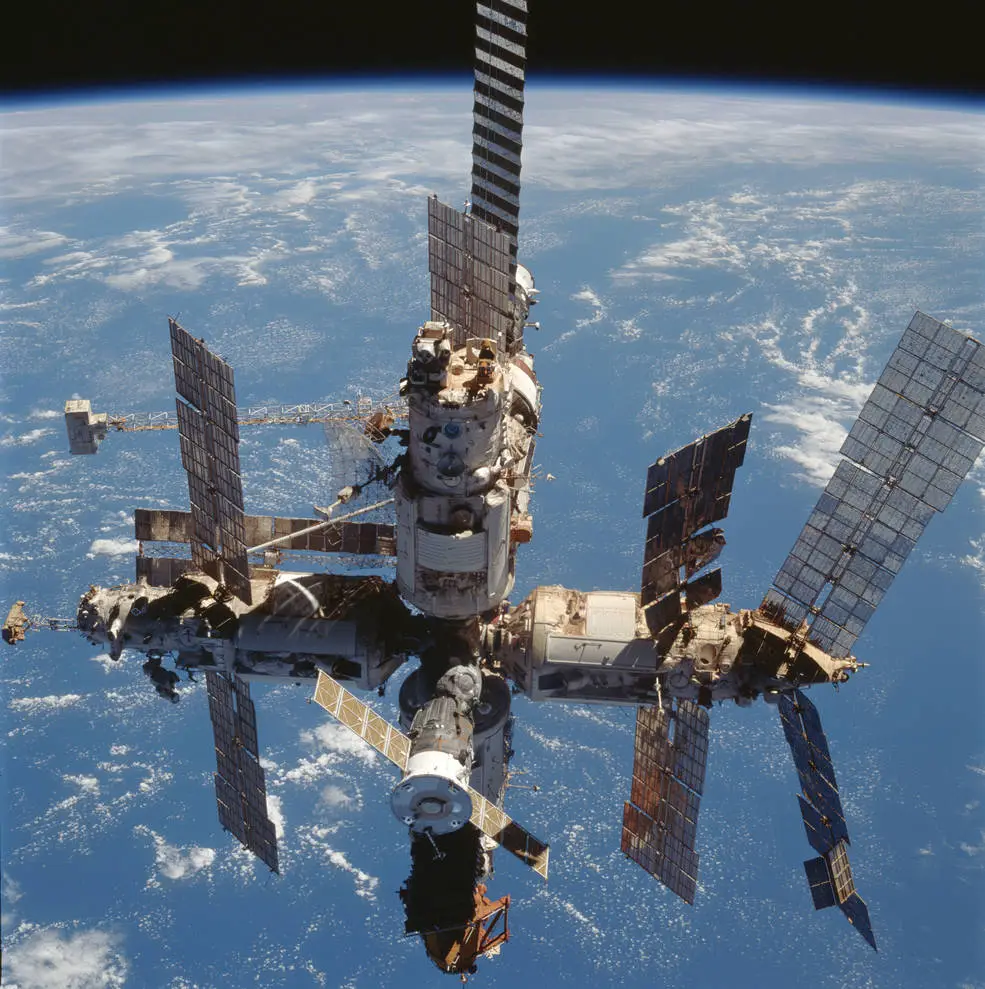
The Day Humanity's First Modular Space Station Reached Orbit

The Day Humanity's First Modular Space Station Reached Orbit

Thirty-nine years ago, a Proton rocket carried the core of the Mir space station into orbit, launching an unprecedented era of continuous human presence in space and international cooperation

X Report 18 Jan 2025

X Report 18 Jan 2025

SpaceX faces setbacks with Starship Flight 7 as FAA launches an investigation, while future transportation policies might impact SpaceX operations. Meanwhile, the Starlink constellation continues strong.

Space Brief 6 Oct 2025

Space Brief 6 Oct 2025

Today's highlights include Firefly's acquisition of SciTec, DARPA's vision for a moon economy, and ESA's new deep space antenna in Australia. Stay updated on the latest in space intelligence and defense technology transformations, plus noteworthy rogue planet phenomena.

X Report 24 Jun 2025

X Report 24 Jun 2025

SpaceX successfully launched the Transporter-14 mission, adding multiple payloads, including Canadian satellites and a memorial capsule, while Starlink expands its services in Vietnam and enhances T-Mobile's reach.

Roman Space Telescope Arrives at KSC for August 30 Falcon Heavy Launch | KeepTrack Space Brief

Roman Space Telescope Arrives at KSC for August 30 Falcon Heavy Launch | KeepTrack Space Brief

NASA's $4.3B Nancy Grace Roman Space Telescope arrived at Kennedy Space Center for 70 days of prelaunch processing ahead of its August 30 Falcon Heavy launch.