


Artemis 2 Returns to Pad, Targets April 1 Launch | KeepTrack Space Brief
NASA's SLS and Orion spacecraft rolled back to Launch Complex 39B, targeting April 1 for first crewed lunar flyby with four astronauts aboard.


Launch Date
January 10, 1989
Launch Site
Launch Pad
LC200/39
Launch Vehicle
Proton-K/DM-2
NORAD ID
19751
International Designator
1989-001C
Epoch
Sat, 04 Jul 2026 06:00:26 GMT
Apogee
Calculating...
Perigee
Calculating...
Inclination
64.96°
Right Ascension
71.61°
Eccentricity
Calculating...
Argument of Perigee
217.53°
Period
675.56 min
Mean Motion
2.13 rev/day
Latitude
Calculating...
Longitude
Calculating...
Altitude
Calculating...
Velocity
Calculating...
Name
COSMOS 1989 (ETALON 1)
Alternative Name
Kosmos-1989
Type
Status
Owner
NPOPM
Country
USSR
Constellation
N/A
Related Satellites
Major Events
N/A
1 19751U 89001C 26185.25030181 -.00000010 00000-0 00000-0 0 9995
2 19751 64.9551 71.6122 0023325 217.5349 240.9400 2.13156048291731
Source: Celestrak
Length
1.3
Diameter
1.3
Span
1.3
Dry Mass
1230
Launch Mass
1230
Shape
Sphere
Radar Cross Section
1.2589
Visual Magnitude
Unknown
Color
Unknown
Material Composition
Unknown
Payload
Etalon PKA No. 1L
Purpose
Geodesy
Mission
Geodesy
Manufacturer
OAZ
Life Expectancy
Unknown
Bus
Etalon
Configuration
1.294 m sphere
Motor
None
Equipment
RetroReflector array
Power System
None
ADCS
Unknown
Transmitter Frequency
Unknown
Learn more about satellites and other related topics.
NASA's SLS and Orion spacecraft rolled back to Launch Complex 39B, targeting April 1 for first crewed lunar flyby with four astronauts aboard.

Today's brief covers a diverse range of topics, including reentry mission approvals, leadership changes in the Space Development Agency, and innovative military satellite communications.

SpaceX launches Maxar's high-resolution imaging satellites, Ontario reconsiders its Starlink contract, and the countdown to NASA's Lunar Trailblazer mission begins.
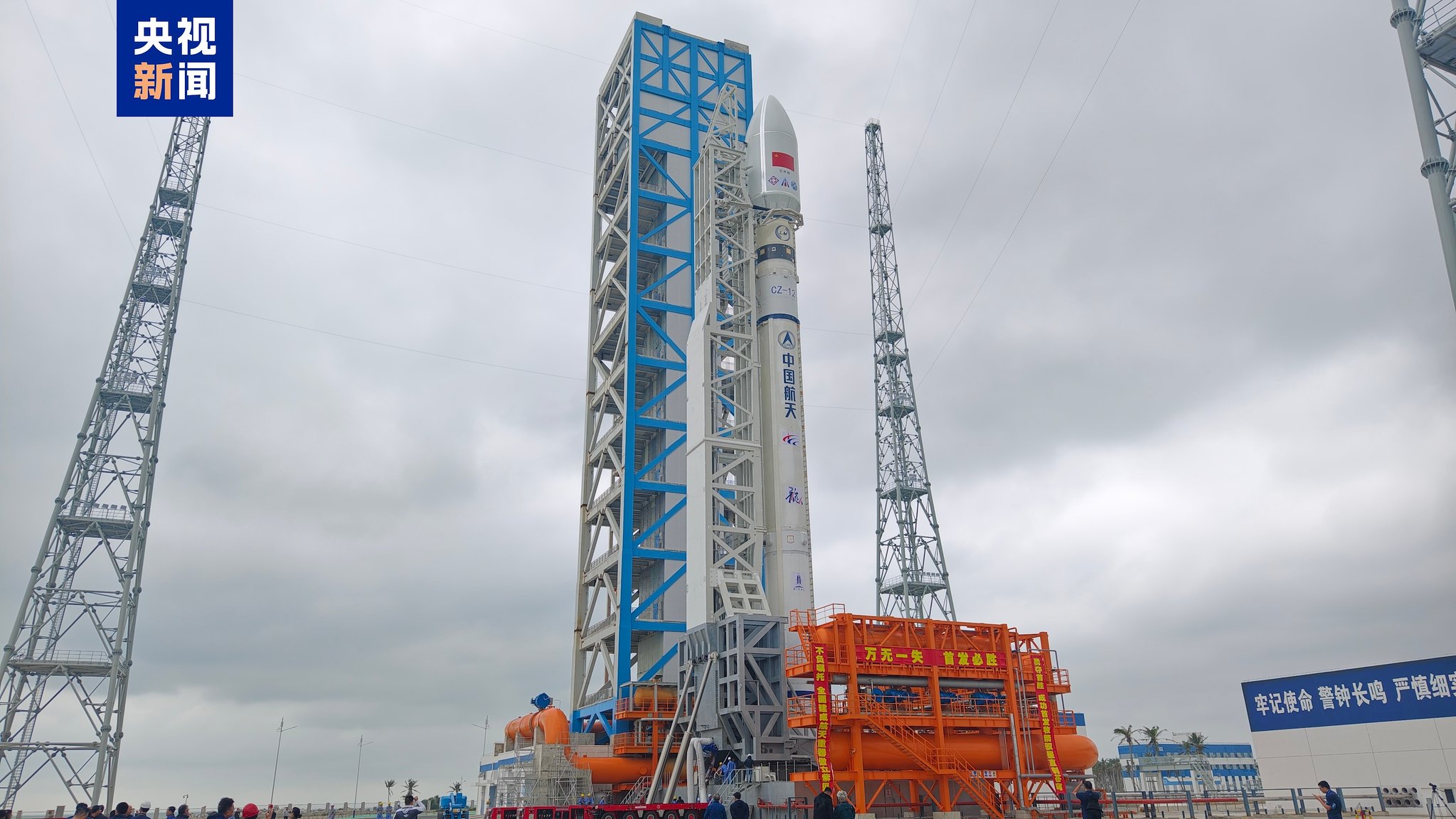
Today's brief covers SpaceX's Starship launch approval, Antares' nuclear funding, and shifts in global space defense strategies.

SpaceX continues to dominate with two Starlink launches in one day, the unveiling of its final Crew Dragon, and facing legal challenges from Mexico regarding a recent Starship incident.
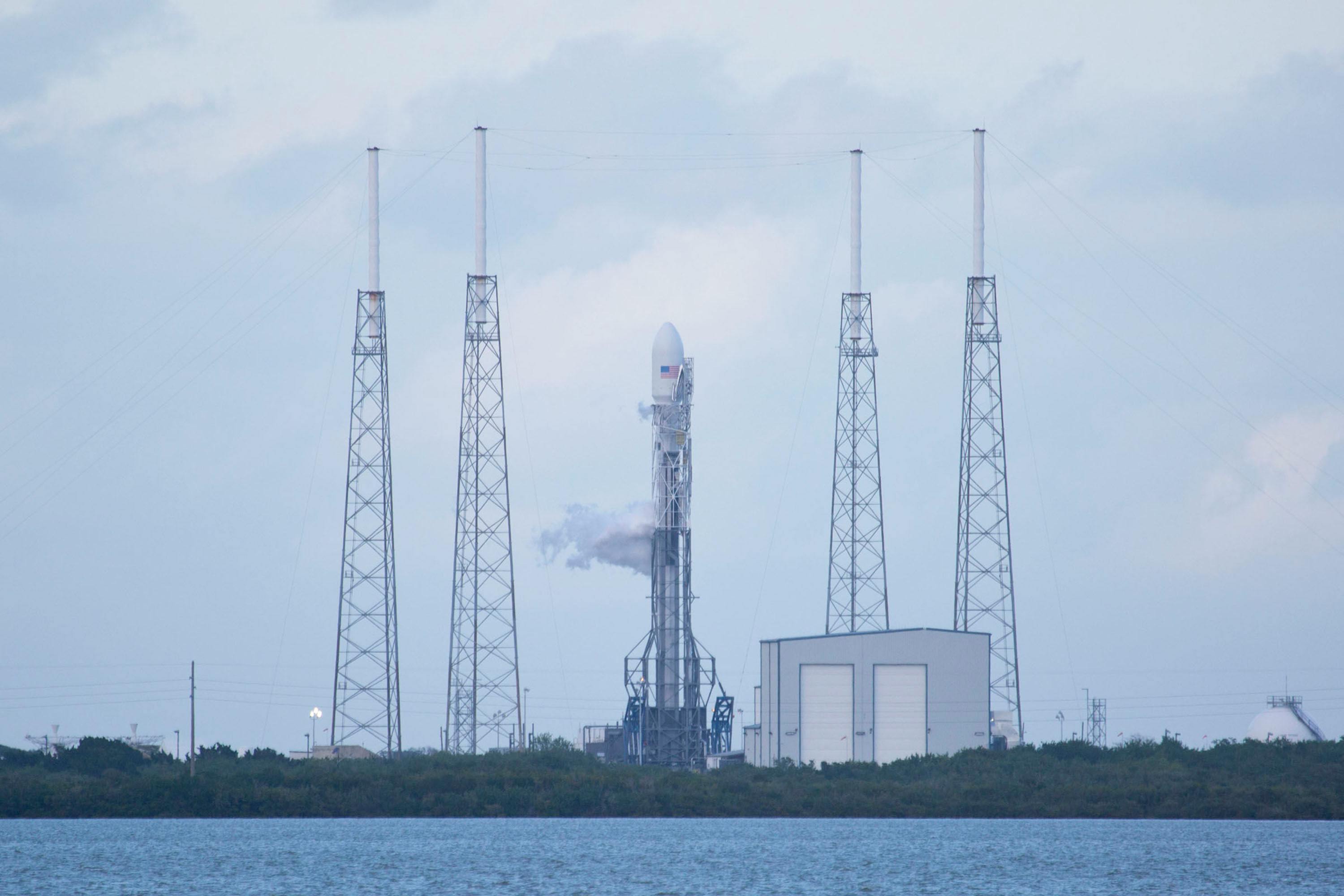
How many Starlink satellites are in orbit in 2026? 10,087 working of 10,097 on orbit, 11,612 launched to date, per KeepTrack data.

The Kessler Syndrome threatens humanity's future in space as cascading satellite collisions create exponential debris growth. With 36,000+ tracked objects and recent incidents accelerating risks, we face a critical juncture: implement solutions now or potentially lose access to low Earth orbit forever.
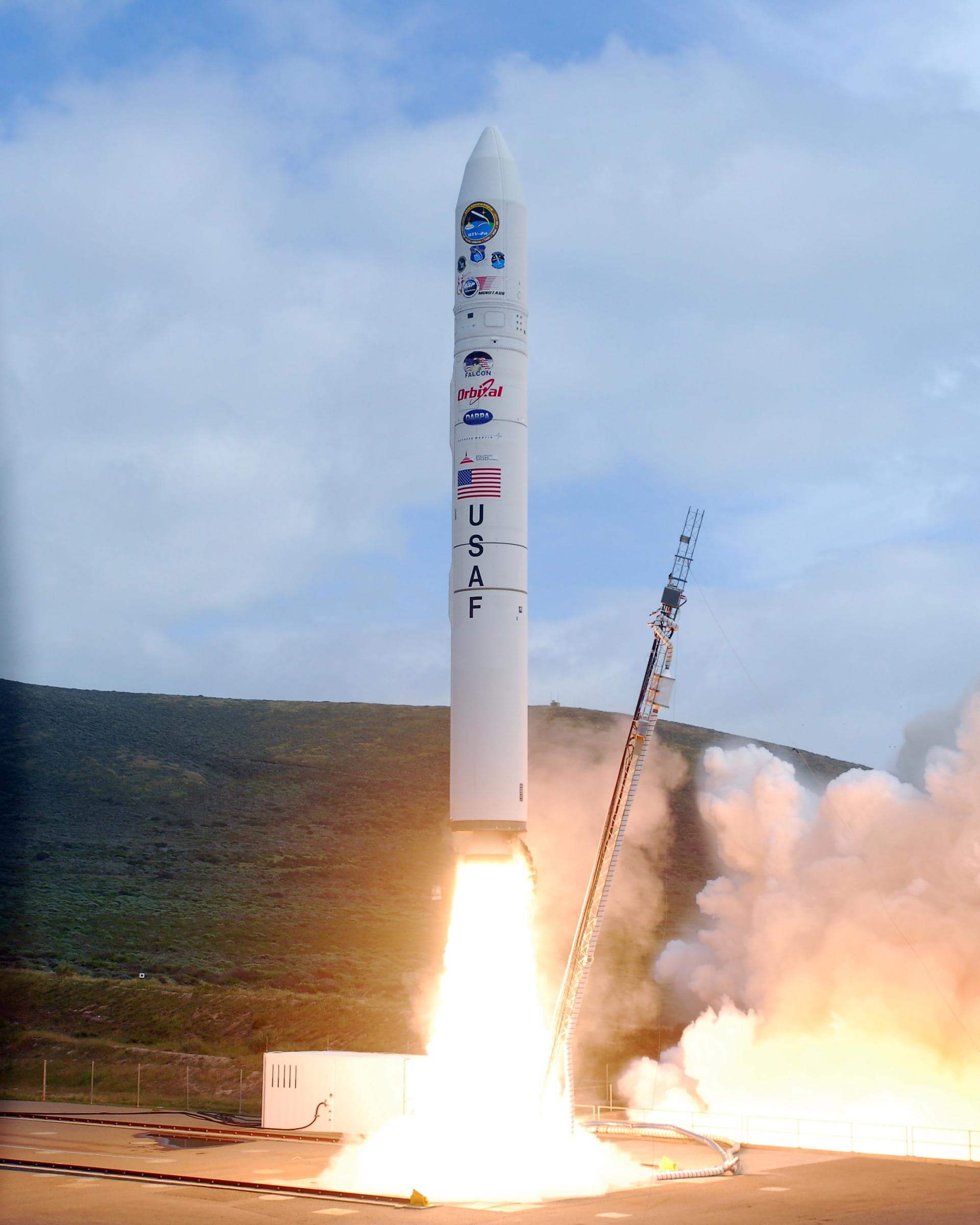
Today's brief covers strategic alignments in U.S. military space operations, a landmark missile defense program, and advances in secure satellite communications.