

X Report 4 Mar 2025
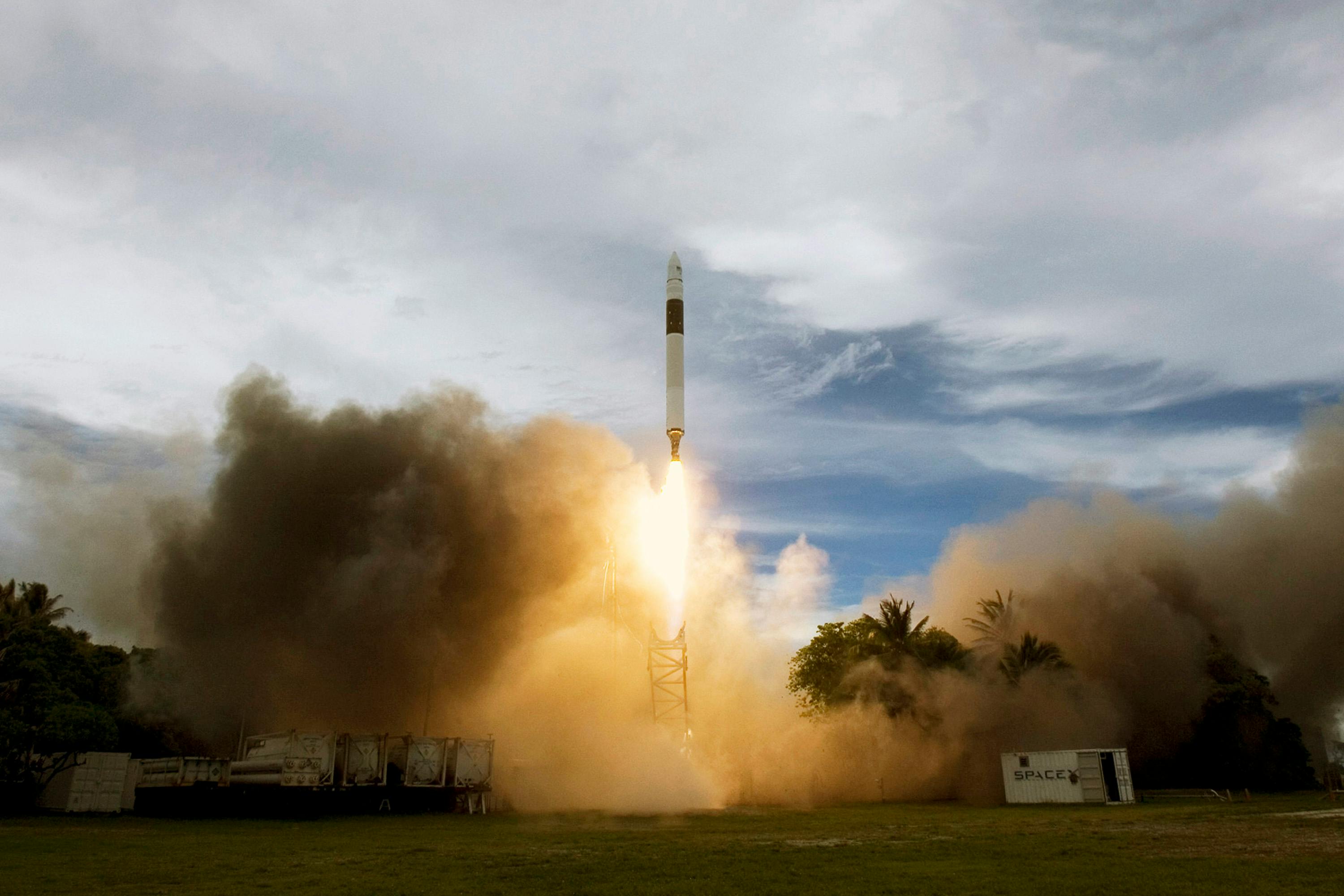
SpaceX faces a series of challenges with scrubbing the Starship Flight 8 launch and losing a Falcon 9 booster post-landing, while successfully deploying new Starlink satellites.


Launch Date
December 23, 1988
Launch Site
PLMSC
Launch Pad
LC32/1
Launch Vehicle
Tsiklon-3
NORAD ID
19720
International Designator
1988-113A
Decay Date
5/4/1992
Name
COSMOS 1985
Alternative Name
Kosmos-1985
Type
Status
Owner
UNKS
Country
USSR
Constellation
N/A
Related Satellites
Major Events
N/A
Length
3.3
Diameter
1.6
Span
33.9
Dry Mass
1450
Launch Mass
1450
Shape
Cyl + 8 Pan + Ant
Radar Cross Section
9.9887
Visual Magnitude
Unknown
Color
Unknown
Material Composition
Unknown
Payload
Kol'tso No. 1L
Purpose
Radar calibration
Mission
Radar calibration
Manufacturer
YUZH
Life Expectancy
Unknown
Bus
Kol'tso
Configuration
Unknown
Motor
Unknown
Equipment
Unknown
Power System
8 deployable fixed solar arrays, batteries
ADCS
Unknown
Transmitter Frequency
Unknown
Learn more about satellites and other related topics.
SpaceX faces a series of challenges with scrubbing the Starship Flight 8 launch and losing a Falcon 9 booster post-landing, while successfully deploying new Starlink satellites.
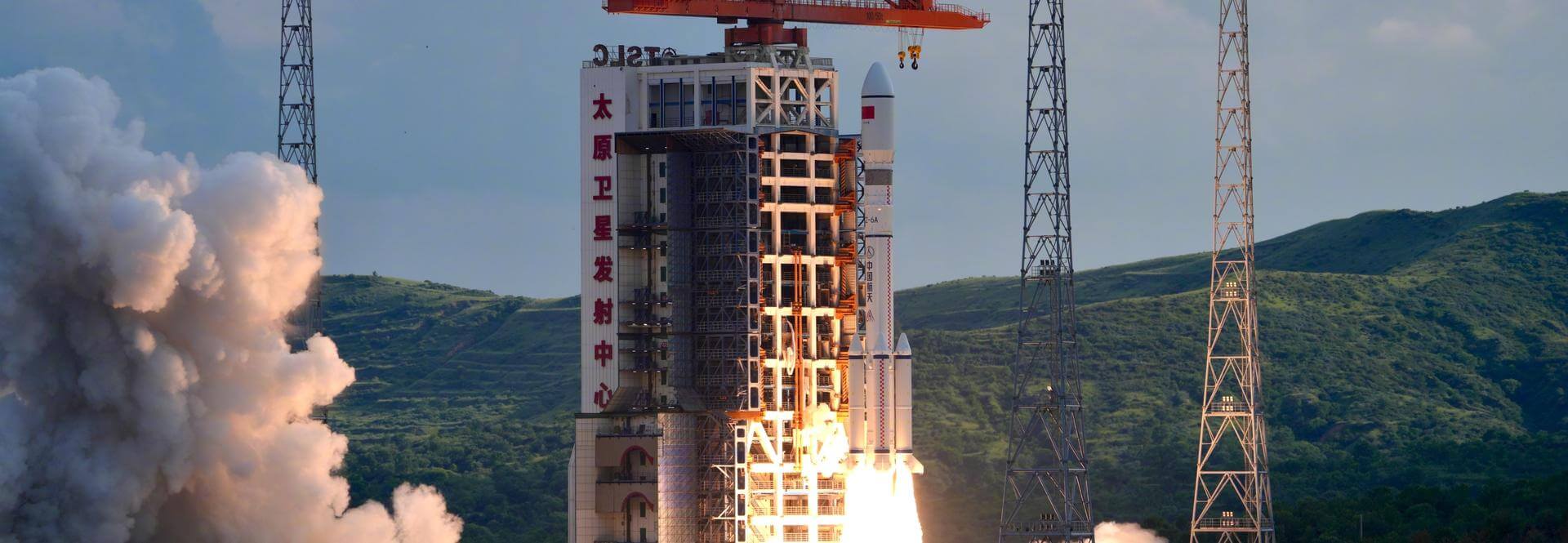
Blue Origin's LC-36 gantry damaged in blast; CEO targets end-2026 return. SpaceX awarded $4.16B Space Force contract for airborne threat tracking satellites.

The Kessler Syndrome threatens humanity's future in space as cascading satellite collisions create exponential debris growth. With 36,000+ tracked objects and recent incidents accelerating risks, we face a critical juncture: implement solutions now or potentially lose access to low Earth orbit forever.

SpaceX advances pre-launch tests amid Starlink deployment surge and strategic expansions in Texas.

Today's brief covers the integration of commercial and military space capabilities, a notable change in Crew 12 mission, advancements in digital training for space operations, and more.
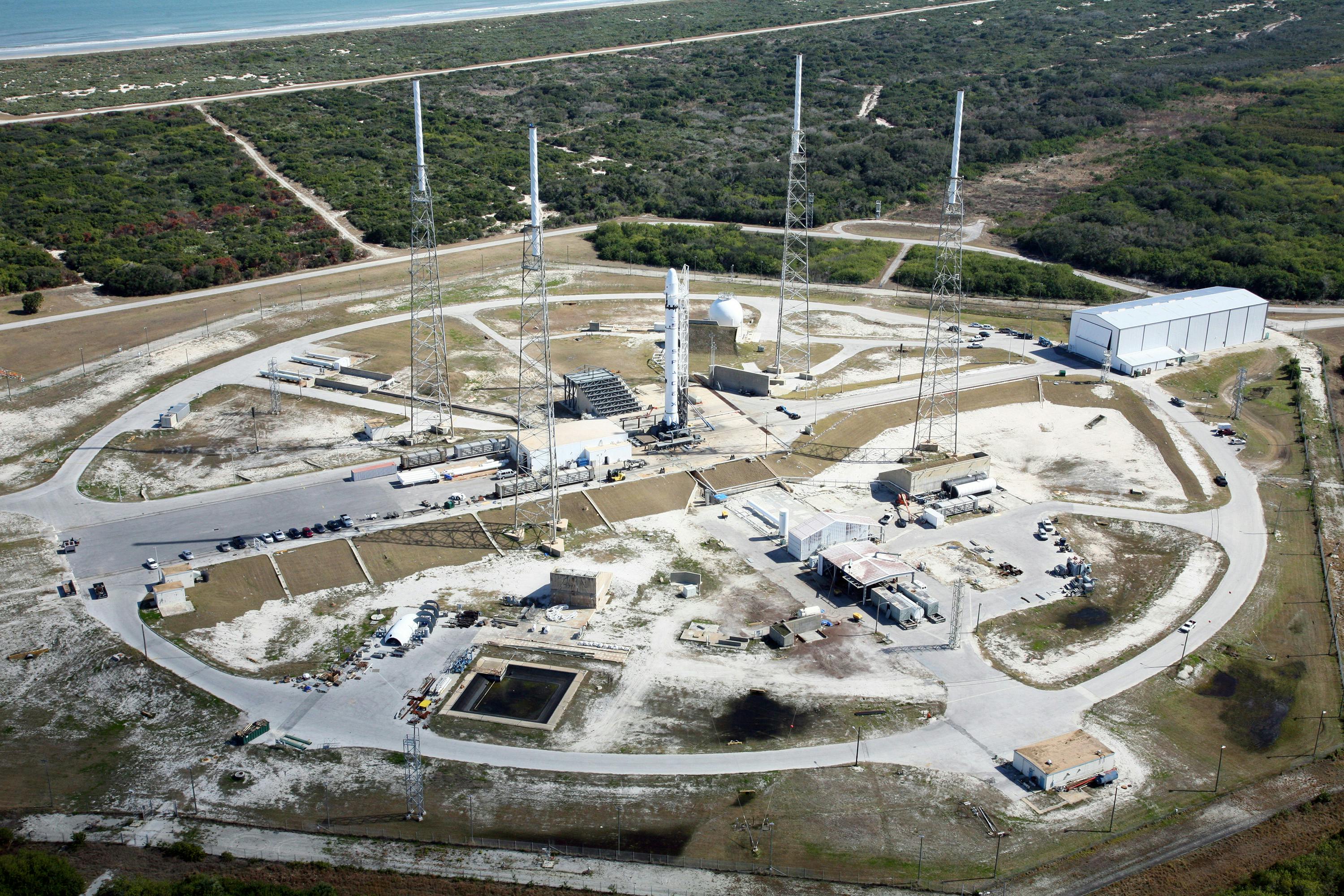
SpaceX successfully launched 29 new Starlink satellites today, further expanding its satellite internet constellation amidst growing competition in the space broadband market.
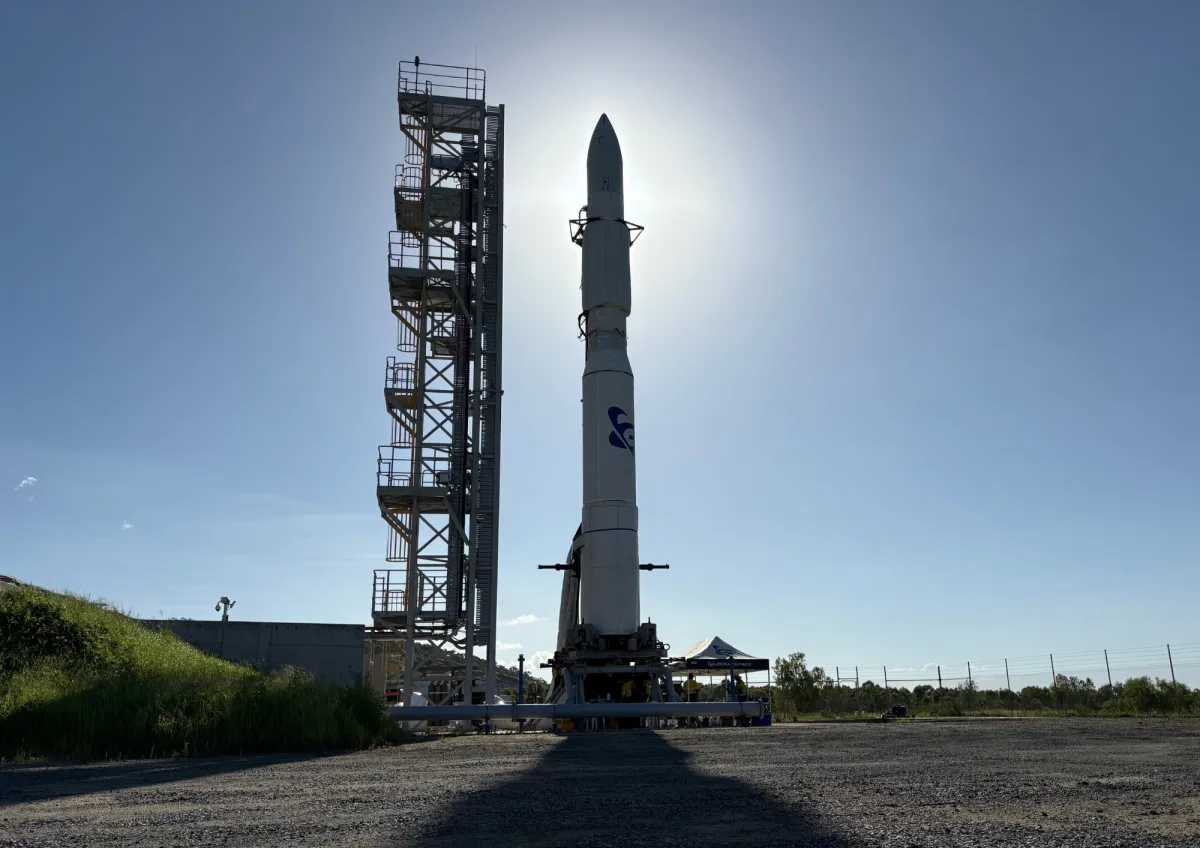
Today's space highlights include significant military contracts for aerospace innovations, advancements in small-satellite procurement, and discussions on the role of nuclear energy in space exploration.

Intel joins Terafab, Elon Musk's Austin AI chip complex, to supply SpaceX and Tesla as Falcon 9 prepares a Cygnus ISS run.