


X Report 1 Feb 2025
Exciting SpaceX updates include the arrival of Athena moon lander, SPHEREx telescope's upcoming launch, and SpaceX's GigaBay development.


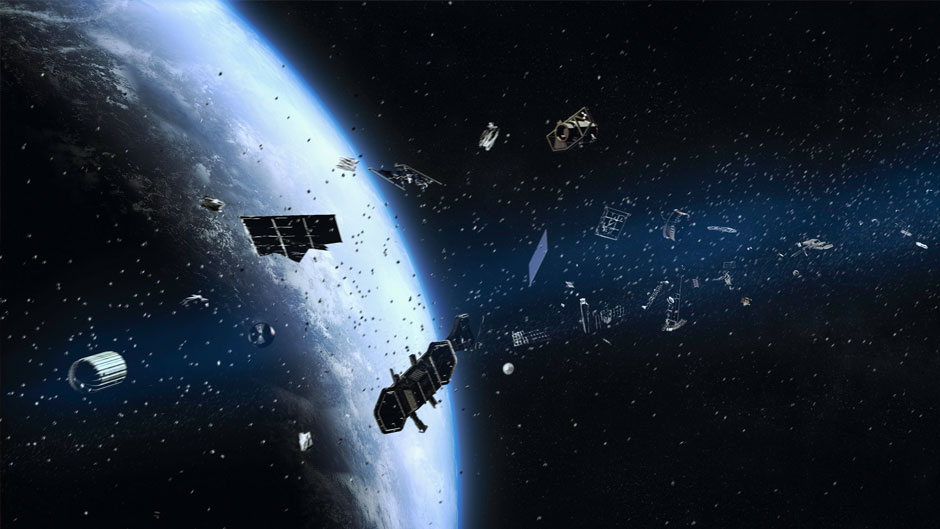
Launch Date
February 19, 1986
Launch Site
Launch Pad
LC1
Launch Vehicle
Soyuz-U
NORAD ID
19707
International Designator
1986-017BE
Decay Date
1/23/1989
Name
MIR DEB
Alternative Name
Garbage bag
Type
Status
Owner
NPOE
Country
USSR
Constellation
N/A
Related Satellites
Major Events
N/A
Length
0
Diameter
0
Span
0
Dry Mass
0
Launch Mass
0
Shape
N/A
Radar Cross Section
0.03
Visual Magnitude
Unknown
Color
Unknown
Material Composition
Unknown
Payload
Unknown
Purpose
Unknown
Mission
Unknown
Manufacturer
Unknown
Life Expectancy
Unknown
Bus
Unknown
Configuration
Unknown
Motor
Unknown
Equipment
Unknown
Power System
Unknown
ADCS
Unknown
Transmitter Frequency
Unknown
Learn more about satellites and other related topics.
Exciting SpaceX updates include the arrival of Athena moon lander, SPHEREx telescope's upcoming launch, and SpaceX's GigaBay development.

U.S. Space Force selects Boeing's 702MP spacecraft for next-generation MUOS satellites. Rocket Lab delivers Synspective's 10th StriX radar satellite. Track both missions.
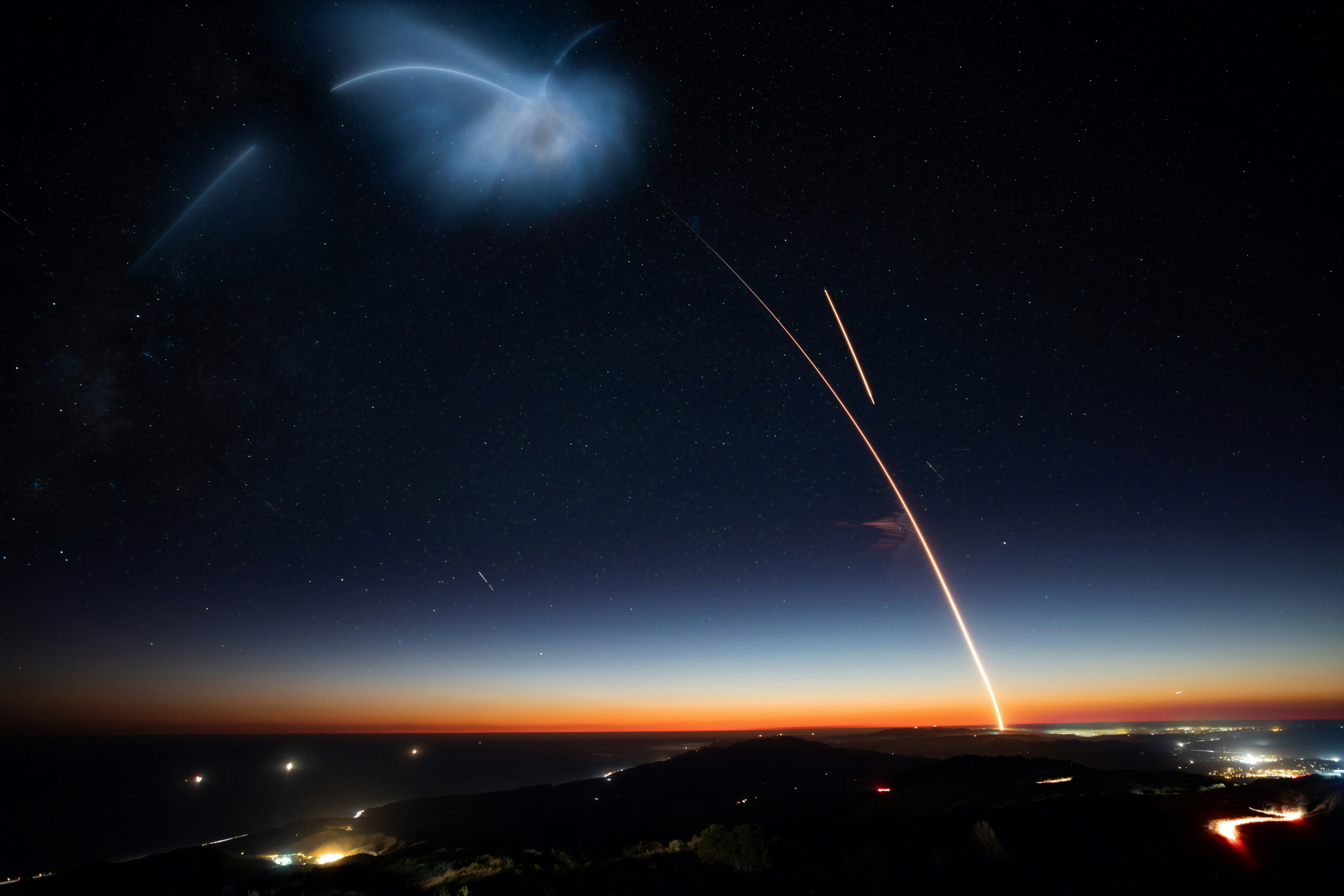
SpaceX successfully launched 28 more Starlink satellites from Cape Canaveral, marking another milestone in its satellite constellation expansion.

Today's Space Brief covers SpaceX's recent launch for OneWeb, advances in remote-control robots for lunar missions, the power loss of Intelsat 33e, and developments in inflatable space habitats.
Today's brief covers China's ongoing assessments following a potential debris strike on Shenzhou-20, SpaceX's record-breaking Starlink launch, Rocket Lab's delay of the Neutron rocket, and more.
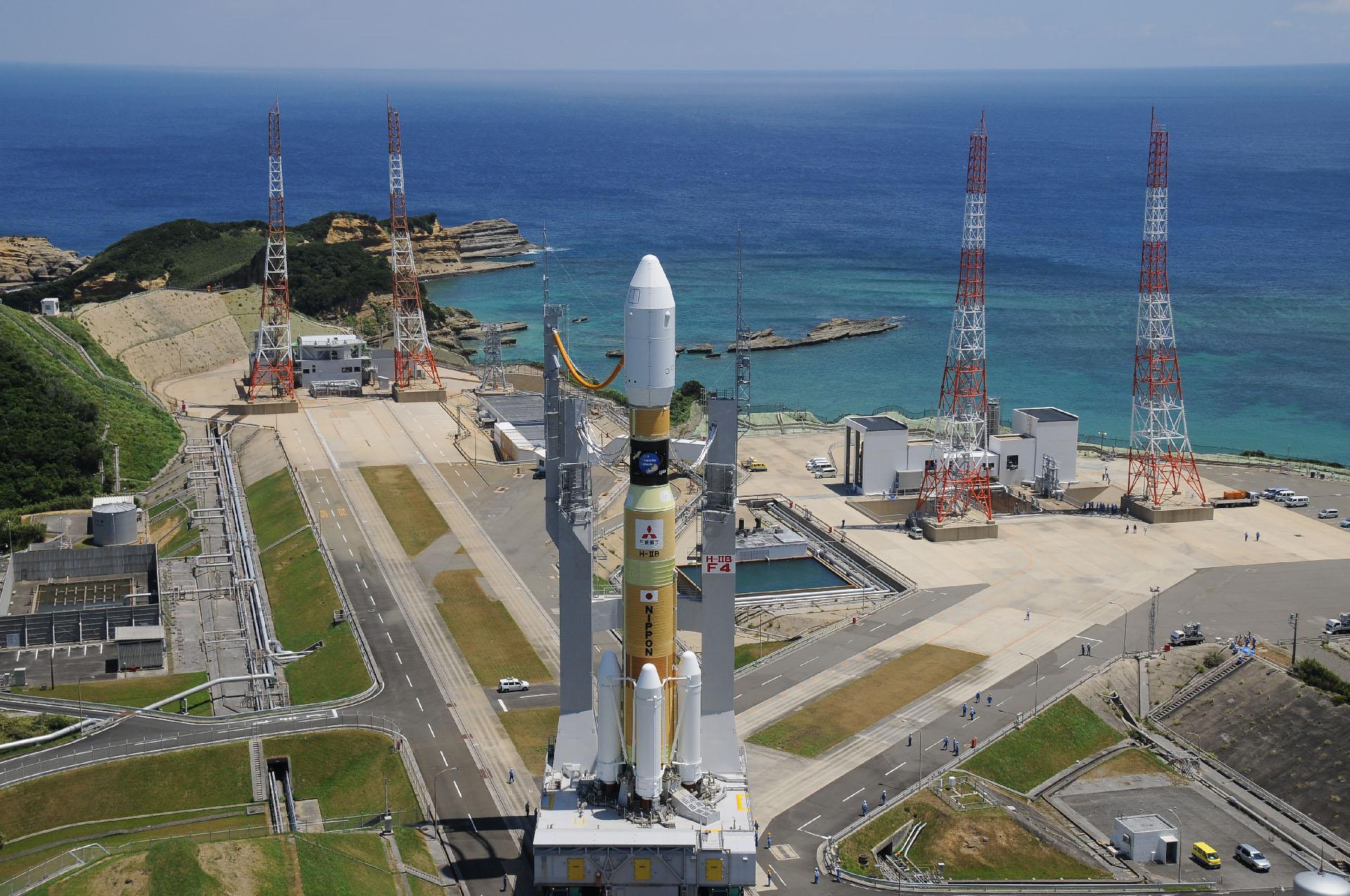
Today's update covers new military space initiatives, impacts of drone threats in Europe, and advancements in secure cloud technology for NATO and Ukraine.
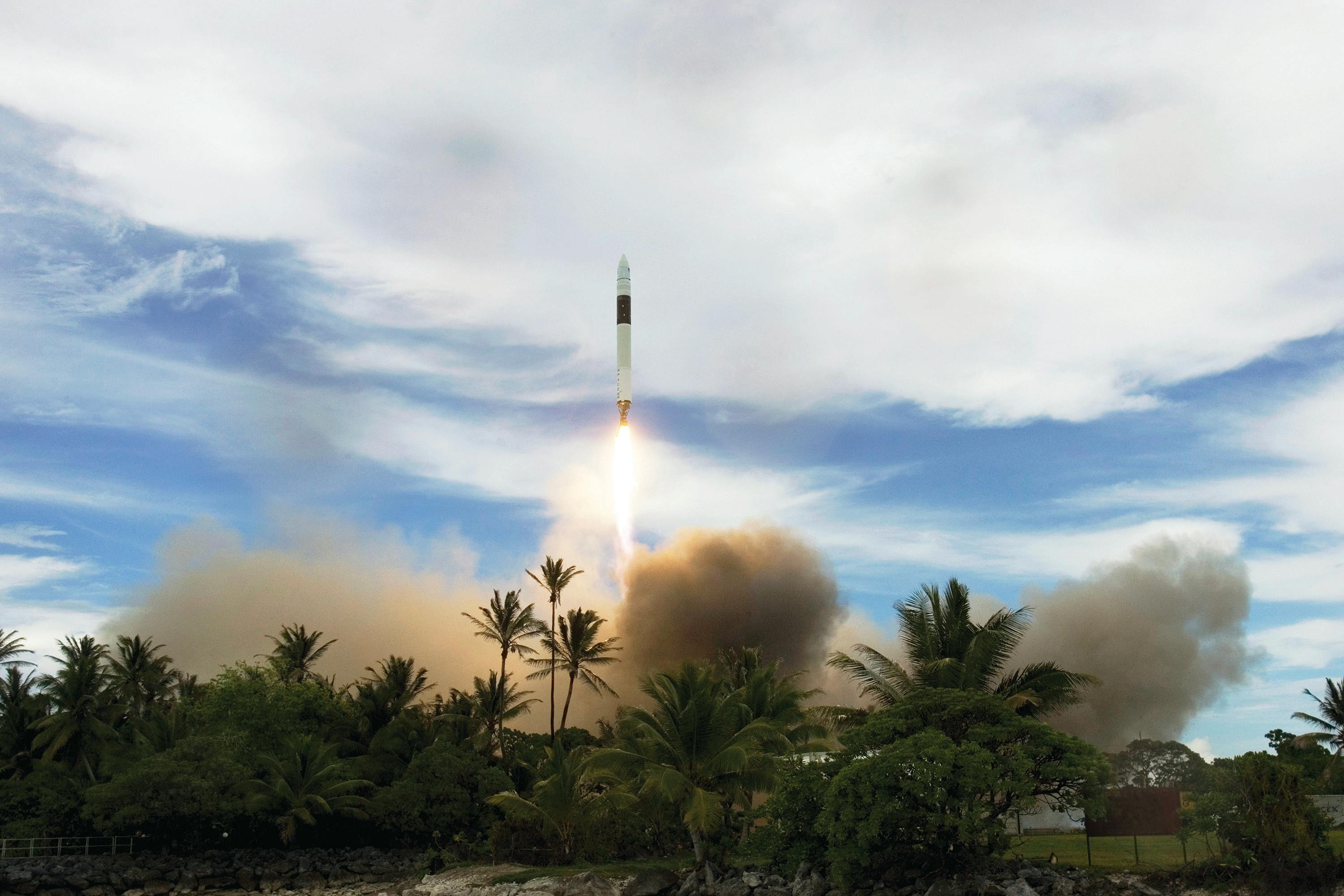
SpaceX launches 24 Starlink satellites, pushing its 2025 total beyond 2,000, while facing community pushback in Florida for its Starship operations.
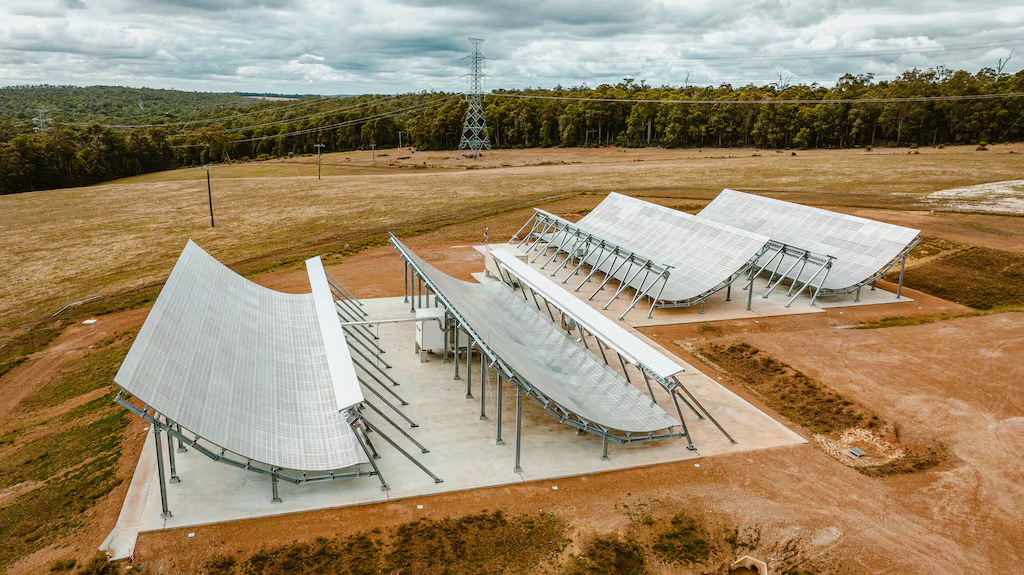
A startup built on Cold War-era radar science now tracks 25,000 objects in orbit - and the Pentagon can't get enough of it. But can its radars really compete with the Space Surveillance Network?