

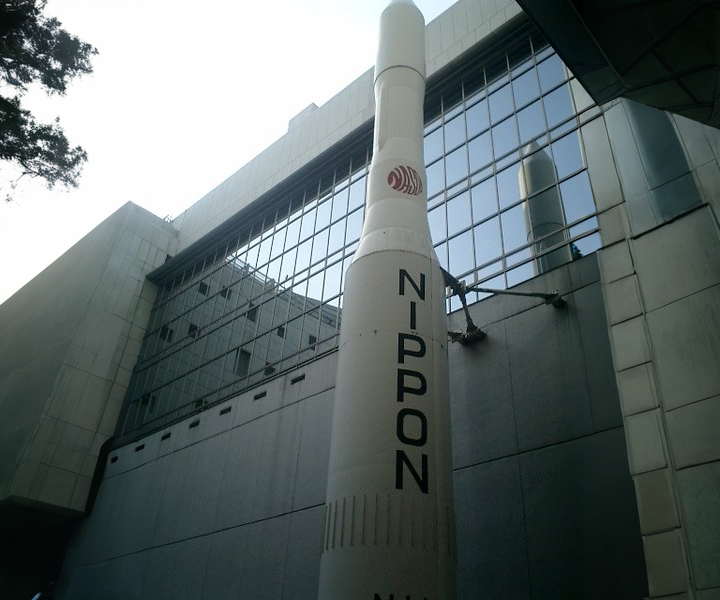
The Day Japan Joined the Geostationary Club
Forty-eight years ago, a pioneering satellite named Kiku 2 propelled Japan into the exclusive group of nations capable of operating satellites in geostationary orbit



Launch Date
February 19, 1986
Launch Site
Launch Pad
LC1
Launch Vehicle
Soyuz-U
NORAD ID
19692
International Designator
1986-017AX
Decay Date
12/19/1988
Name
MIR DEB
Alternative Name
ERA debris
Type
Status
Owner
NPOE
Country
USSR
Constellation
N/A
Related Satellites
Major Events
N/A
Length
0
Diameter
0
Span
0
Dry Mass
0
Launch Mass
0
Shape
N/A
Radar Cross Section
Unknown
Visual Magnitude
Unknown
Color
Unknown
Material Composition
Unknown
Payload
Unknown
Purpose
Unknown
Mission
Unknown
Manufacturer
Unknown
Life Expectancy
Unknown
Bus
Unknown
Configuration
Unknown
Motor
Unknown
Equipment
Unknown
Power System
Unknown
ADCS
Unknown
Transmitter Frequency
Unknown
Learn more about satellites and other related topics.
Forty-eight years ago, a pioneering satellite named Kiku 2 propelled Japan into the exclusive group of nations capable of operating satellites in geostationary orbit
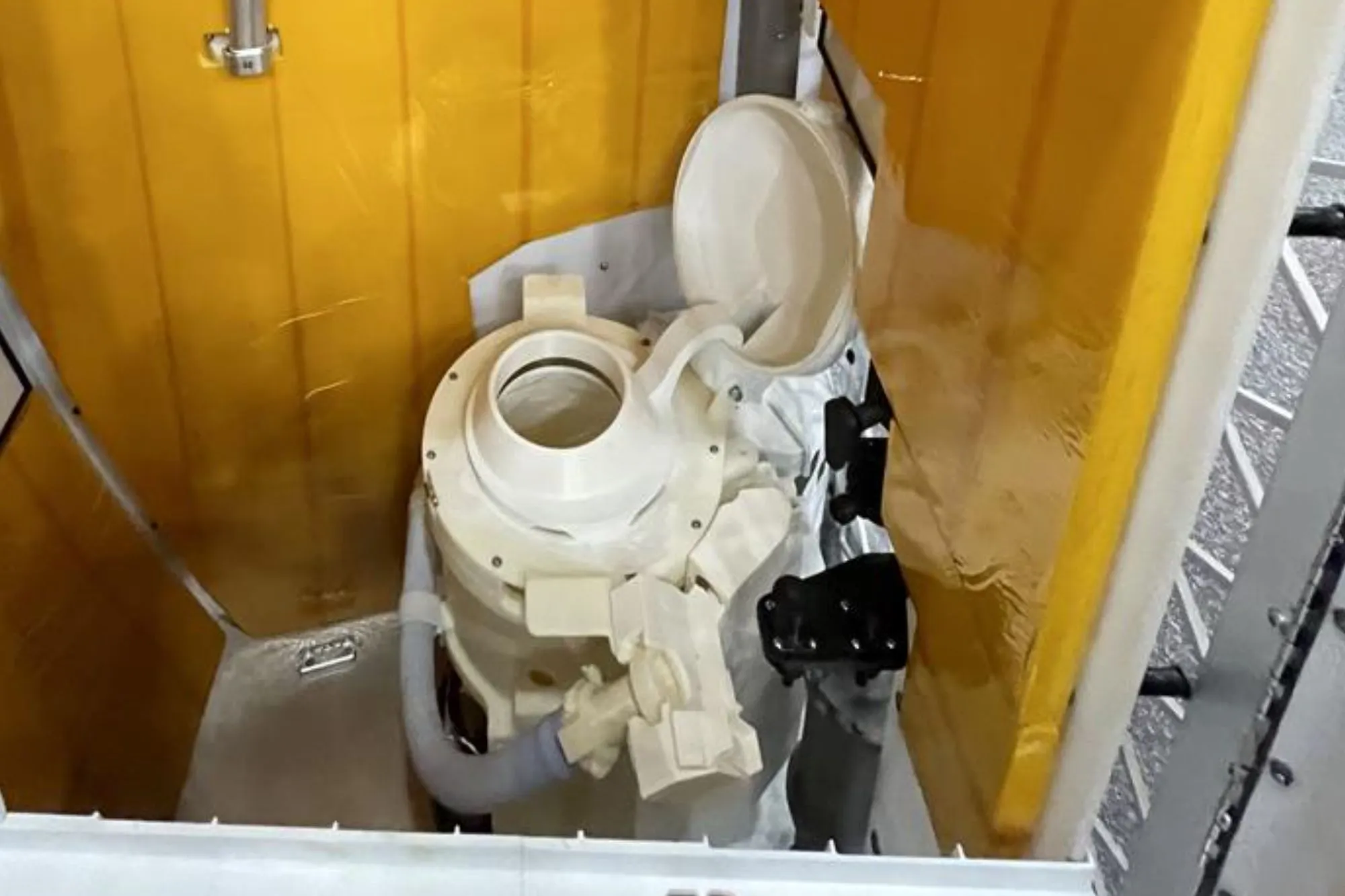
Sixty years of space toilet engineering, a decade of development, and a $30 million contract - and the Artemis II crew still had to pee in bags on Day 1.

Today's Space Brief covers China's Haiyang-4 satellite launch, Intuitive Machines' Artemis infrastructure proposals, deployment of the GREMLIN sensor suite, and more.

Today's top stories include SpaceX's latest Starlink launch, Blue Origin's FAA exemption request, and major acquisitions by Intuitive Machines and Firefly Aerospace shaping the defense and space landscape.
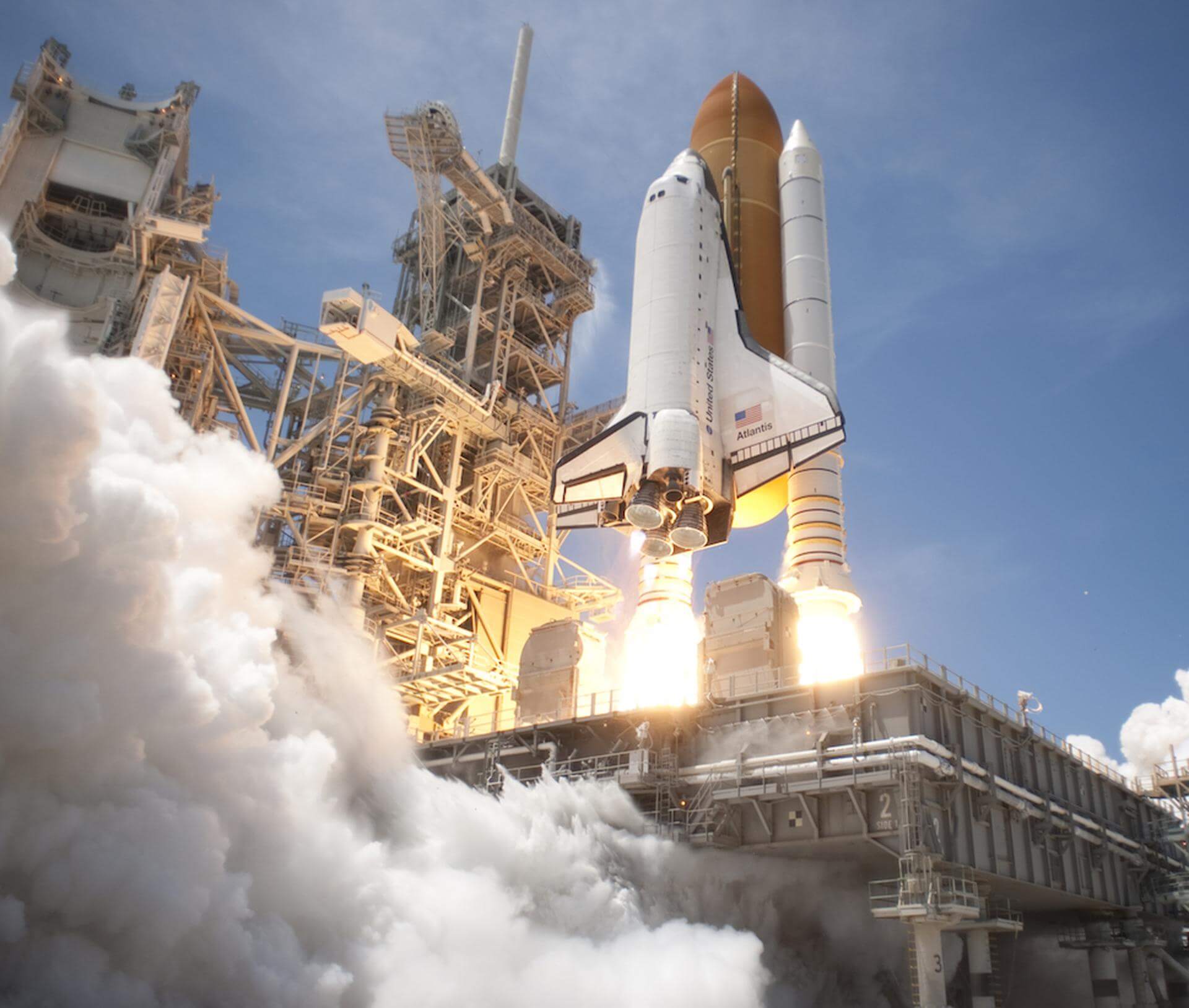
Space Force confirmed 9 companies won orbital Air Moving Target Indication contracts. Capability shifts airborne surveillance to satellites for expanded coverage and survivability.

Major challenges emerged with SpaceX's next-generation Starship booster testing, while Starlink deployments continued with successful launches.

SpaceX faced delays in launching its 10th Starship test flight while successfully deploying a Cargo Dragon to resupply the ISS, marking a significant milestone in the ongoing collaboration with NASA.
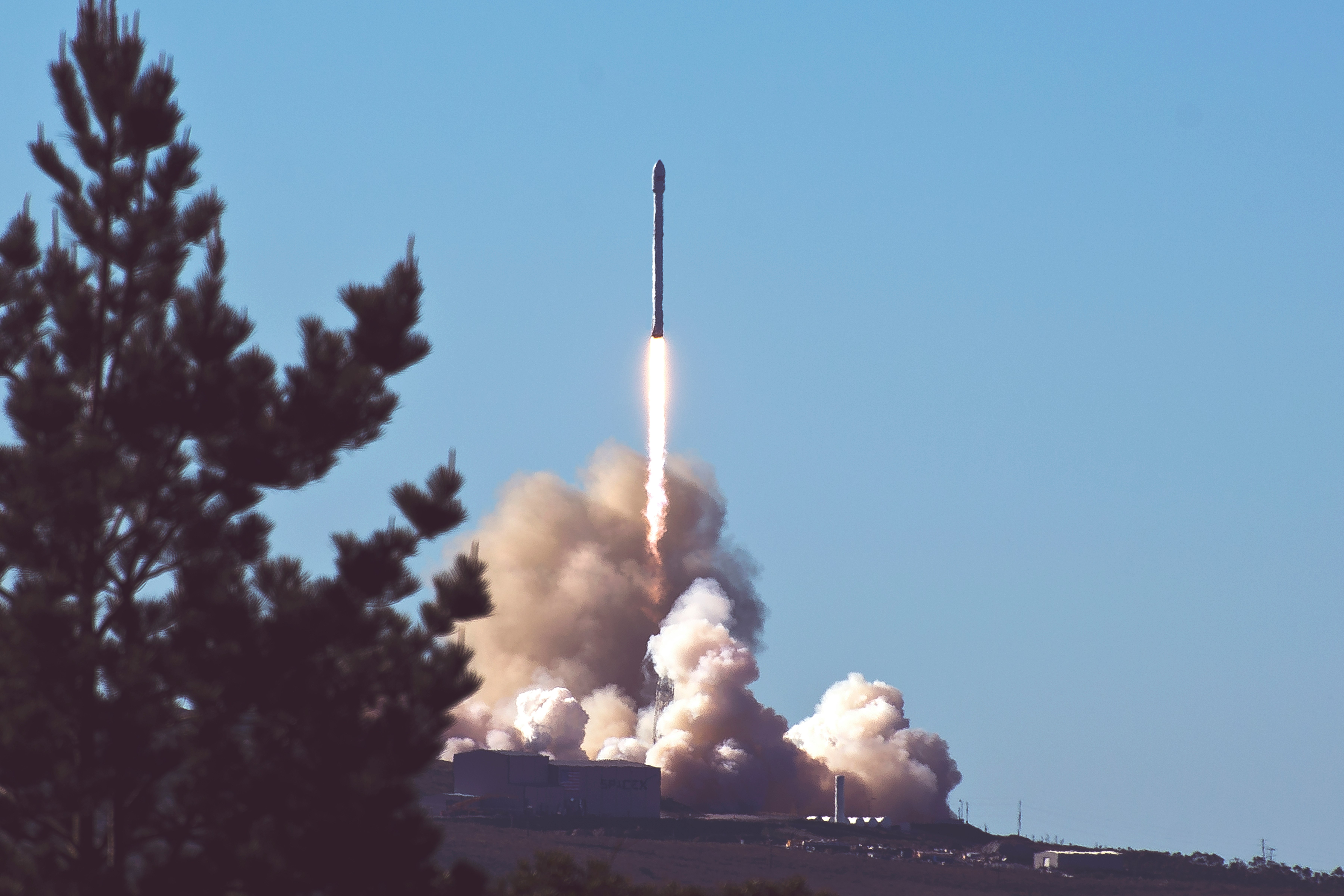
SpaceX launches two Falcon 9 rockets in one day carrying Starlink satellites from both coasts. Most-flown booster achieves record 33rd flight. 28 V2 Mini Optimized sats deployed.