


Space Brief 6 Dec 2025
Discover the latest developments in hypersonic missile production, defense innovation strategies, and satellite infrastructure resilience impacting military operations.



Launch Date
November 24, 1988
Launch Site
PLMSC
Launch Pad
LC41/1
Launch Vehicle
Soyuz-U
NORAD ID
19674
International Designator
1988-103F
Decay Date
12/17/1988
Name
COSMOS 1981 DEB
Alternative Name
KDU
Type
Status
Owner
UNKS
Country
USSR
Constellation
N/A
Related Satellites
Major Events
N/A
Length
1
Diameter
0.4
Span
1
Dry Mass
140
Launch Mass
425
Shape
Frust
Radar Cross Section
Unknown
Visual Magnitude
Unknown
Color
Unknown
Material Composition
Unknown
Payload
KDU
Purpose
Unknown
Mission
Unknown
Manufacturer
TSSKB
Life Expectancy
Unknown
Bus
Zenit KDU
Configuration
Unknown
Motor
Unknown
Equipment
Unknown
Power System
Unknown
ADCS
Unknown
Transmitter Frequency
Unknown
Learn more about satellites and other related topics.
Discover the latest developments in hypersonic missile production, defense innovation strategies, and satellite infrastructure resilience impacting military operations.
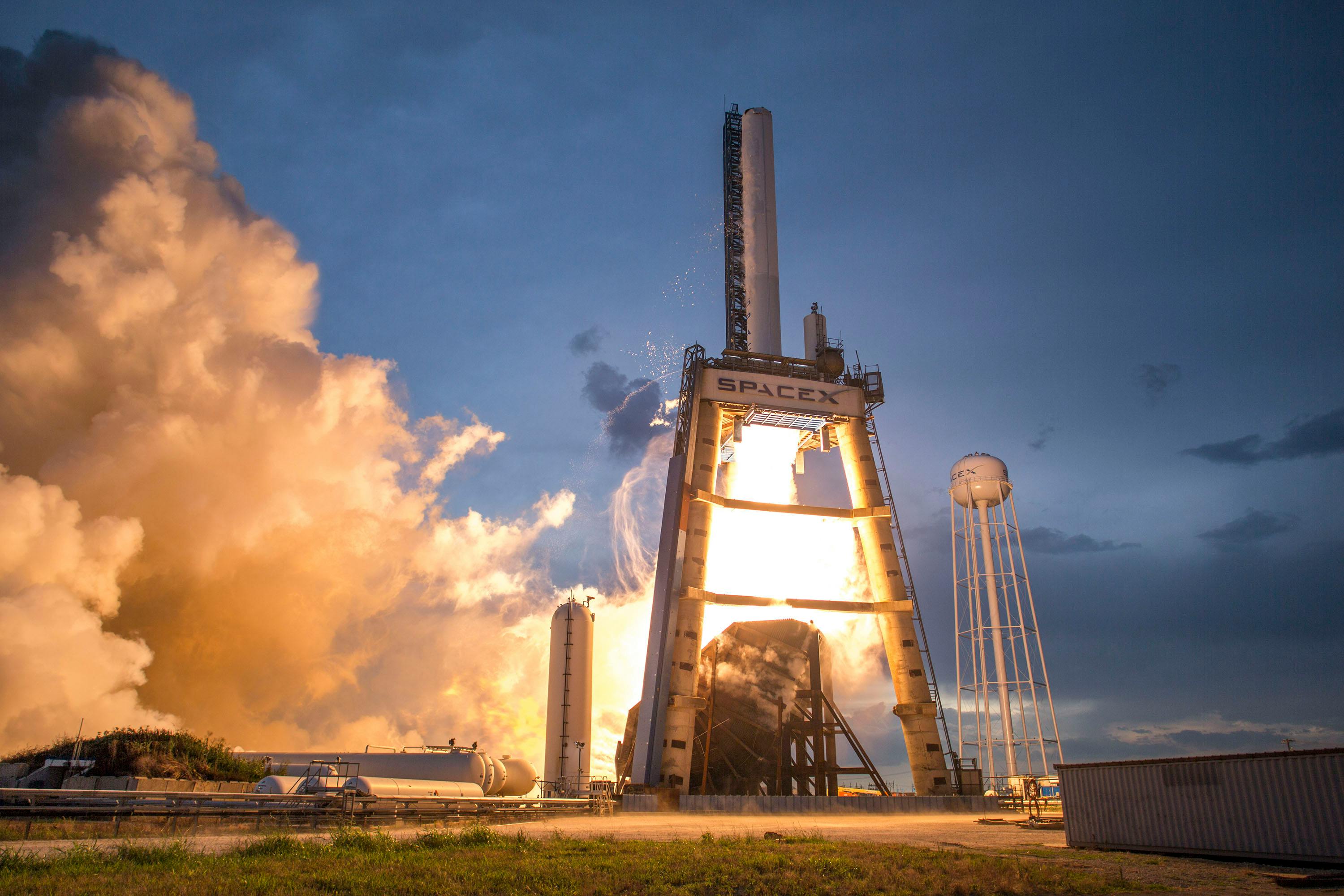
SpaceX wins a $4.16B Pentagon contract for missile-tracking satellites, while hitting its 50th Starlink launch of 2026 in a landmark May.
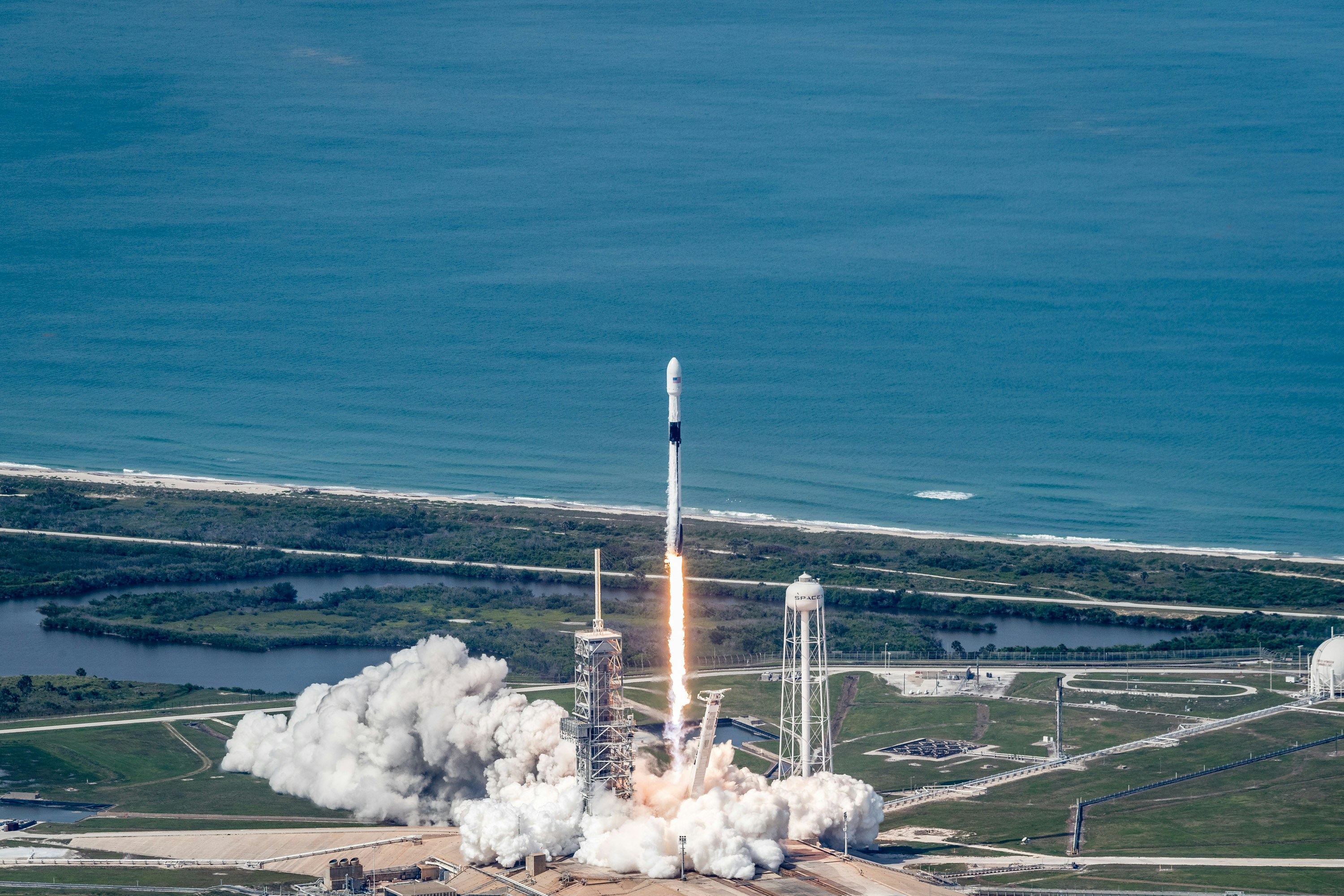
SpaceX conducted multiple successful launches this week, adding to its Starlink constellation and marking significant milestones in its ongoing missions.

SpaceX rounds off a record-setting year with over 130 launches, achieving new milestones in Starship development and Starlink expansion.
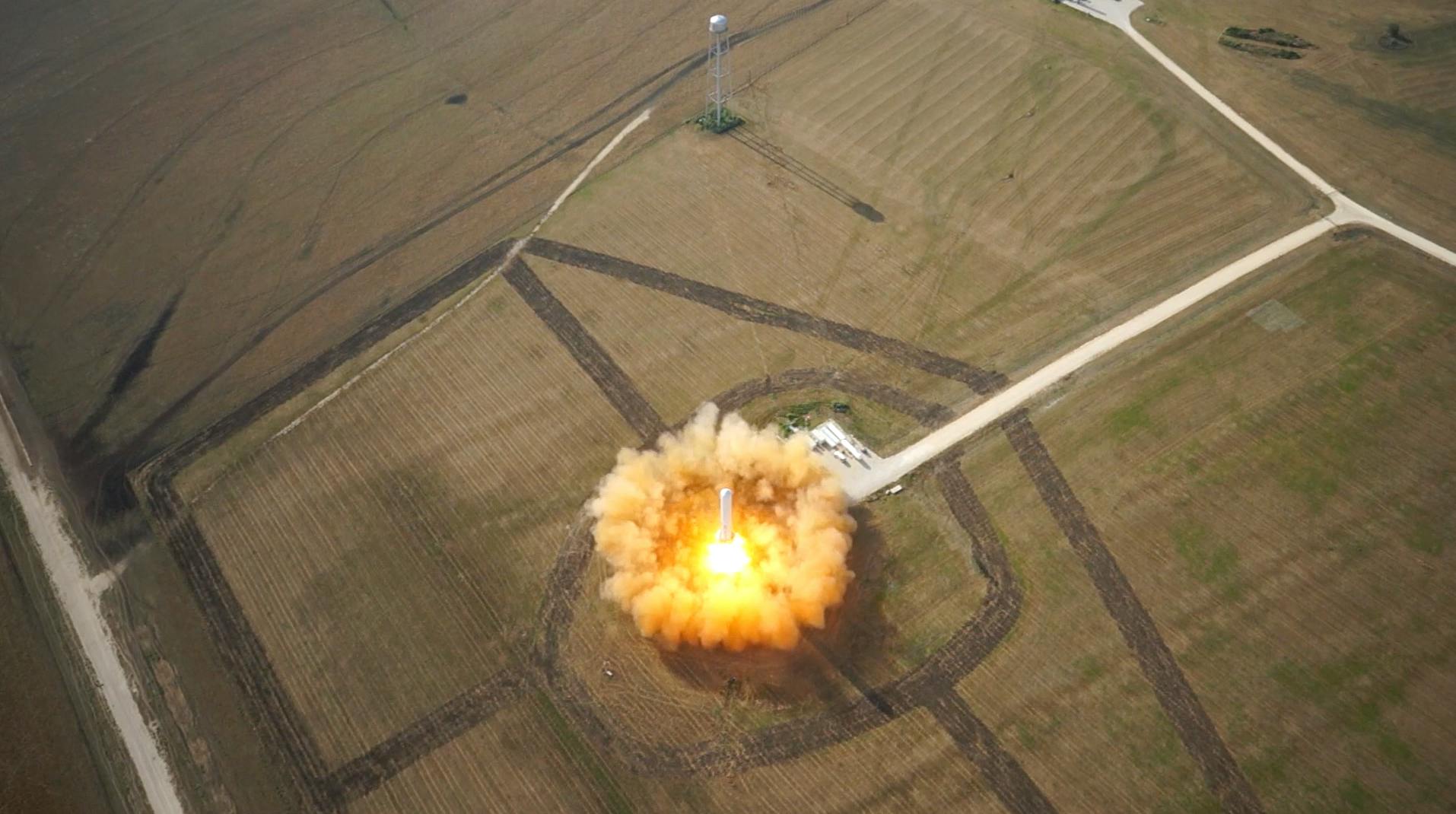
SpaceX swaps Crew Dragon capsules with NASA to accelerate Crew-10 launch, and successfully launches multiple Starlink satellites into orbit.
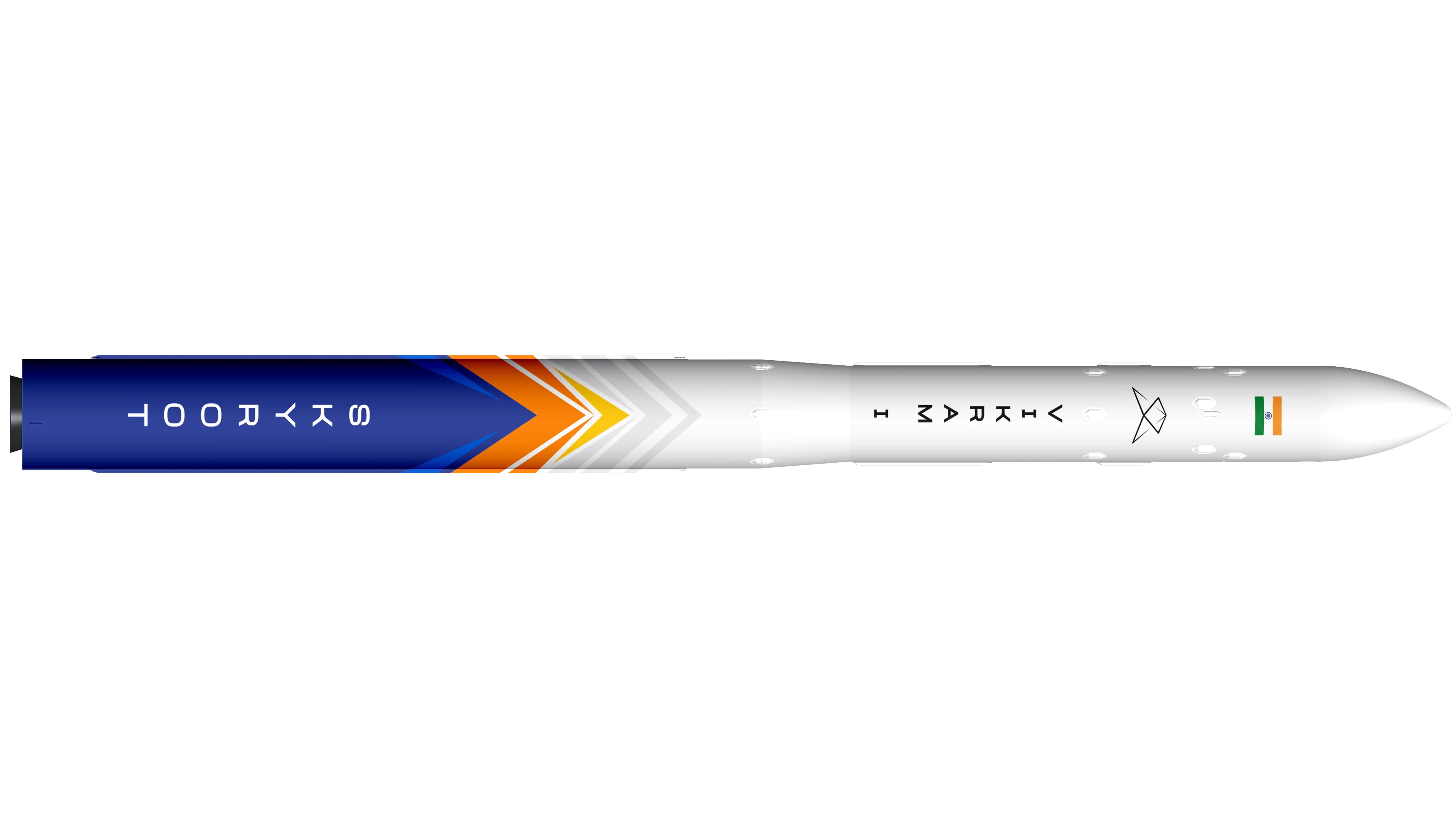
SpaceX rideshare Falcon 9 deployed 81 payloads including military tech demos to sun-synchronous orbit. China's Long March 10B and India's Vikram-I both debut this week among 6 scheduled launches.

SpaceX wins a $4.16 billion Space Force satellite contract to track airborne threats worldwide, while dual-pad launches add 53 Starlink satellites.
FCC clears Reflect Orbital's first satellite to bounce sunlight into nighttime zones, despite pushback from astronomers concerned about orbital streaking and wildlife impacts.