


Space Brief 14 Sep 2025
Today's highlights include SpaceX's 300th Starlink launch, NASA re-establishing contact with a TRACERS satellite, and budget concerns impacting the commercial remote sensing industry.


Launch Date
November 26, 1988
Launch Site
Launch Pad
LC1
Launch Vehicle
Soyuz-U2
NORAD ID
19660
International Designator
1988-104A
Decay Date
4/27/1989
Name
SOYUZ-TM 7
Alternative Name
Soyuz TM-7
Type
Status
Owner
NPOE
Country
USSR
Constellation
N/A
Related Satellites
Major Events
N/A
Length
7.2
Diameter
2.2
Span
10.6
Dry Mass
2850
Launch Mass
2850
Shape
Sphere + Cone + Cyl + 2 Pan
Radar Cross Section
35.4
Visual Magnitude
Unknown
Color
Unknown
Material Composition
Unknown
Payload
Soyuz 7K-STM No. 57
Purpose
Crewed spacecraft
Mission
Crewed spacecraft
Manufacturer
NPOE
Life Expectancy
Unknown
Bus
7K-STM
Configuration
Unknown
Motor
KTDU-80 (S5.80)
Equipment
Unknown
Power System
2 deployable fixed solar arrays, batteries
ADCS
Unknown
Transmitter Frequency
Unknown
Learn more about satellites and other related topics.
Today's highlights include SpaceX's 300th Starlink launch, NASA re-establishing contact with a TRACERS satellite, and budget concerns impacting the commercial remote sensing industry.

SpaceX targets May 19 for Starship Flight 12 debut, while CRS-34 delivers 6,500 lbs of cargo to ISS aboard a Falcon 9.
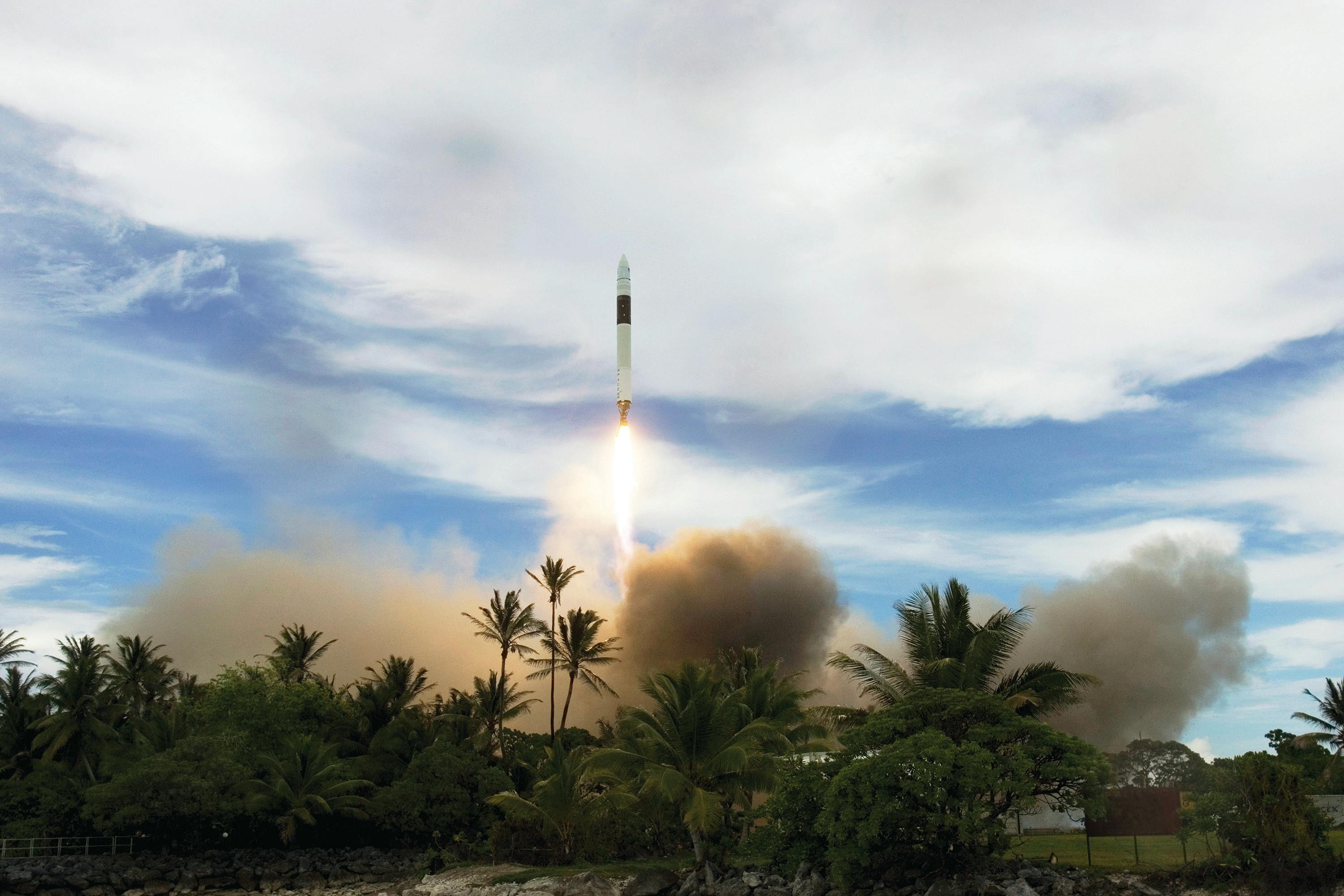
SpaceX prepares for its 250th mission from SLC-40, while Starlink experiences a surge during a crisis in Spain and Portugal. Additionally, SpaceX celebrates the official designation of Starbase City, aiming to boost launch capabilities.
Today's brief covers the new Space Force operations doctrine, international defense collaborations by the UAE, and satellite tracking technology innovations.

SpaceX achieves a historic rocket reuse milestone and successfully launches NRO satellites, alongside charming interactions during Crew-9 Dragon recovery.

Blue Origin launch pad rebuild begins at Cape Canaveral after the New Glenn explosion, targeting return to flight by end of 2026. SpaceX flies NROL-179.
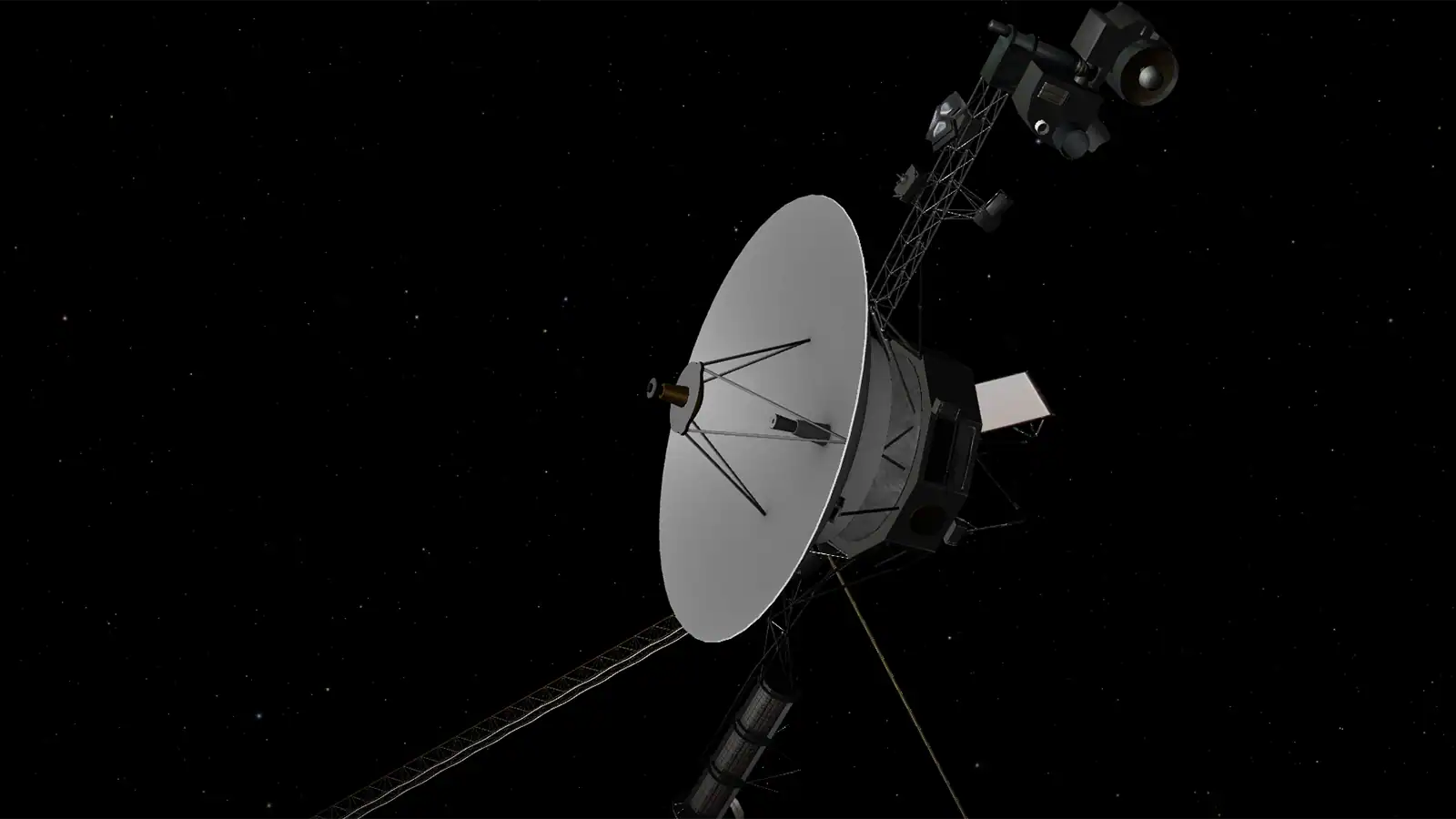
In November 2023, Earth's most distant spacecraft started speaking gibberish. Five months, one dead memory chip, and 30 billion miles of round-trip troubleshooting later, engineers got it talking again - using code written before most of them were born.

SpaceX gears up for two major Starlink launches, while regulatory challenges slow progress in India.