

X Report 9 Feb 2025
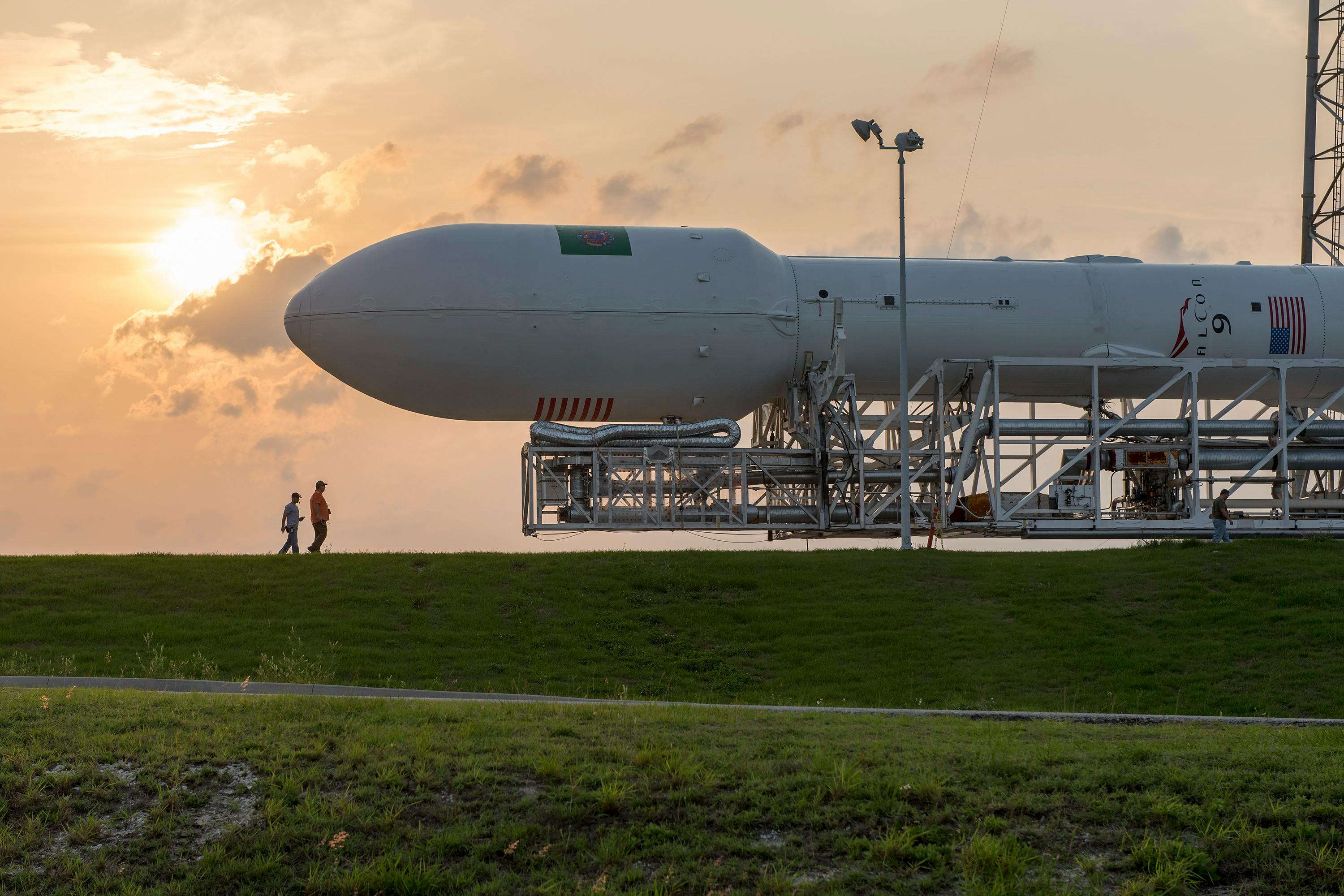
SpaceX prepares for another Starlink launch while facing potential C-band spectrum challenges.


Launch Date
October 20, 1988
Launch Site
Launch Pad
LC200/39
Launch Vehicle
Proton-K/DM-2
NORAD ID
19597
International Designator
1988-095B
Decay Date
10/22/1988
Name
SL-12 R/B(1)
Alternative Name
Proton-K 339-01 Stage 3
Type
Status
Owner
RVSN
Country
USSR
Constellation
N/A
Related Satellites
Major Events
N/A
Length
6.5
Diameter
4.2
Span
6.5
Dry Mass
4185
Launch Mass
4185
Shape
Cyl
Radar Cross Section
Unknown
Visual Magnitude
Unknown
Color
Unknown
Material Composition
Unknown
Payload
8S812
Purpose
Unknown
Mission
Unknown
Manufacturer
ZIKH
Life Expectancy
Unknown
Bus
8S812
Configuration
Unknown
Motor
Unknown
Equipment
Unknown
Power System
Unknown
ADCS
Unknown
Transmitter Frequency
Unknown
Learn more about satellites and other related topics.
SpaceX prepares for another Starlink launch while facing potential C-band spectrum challenges.
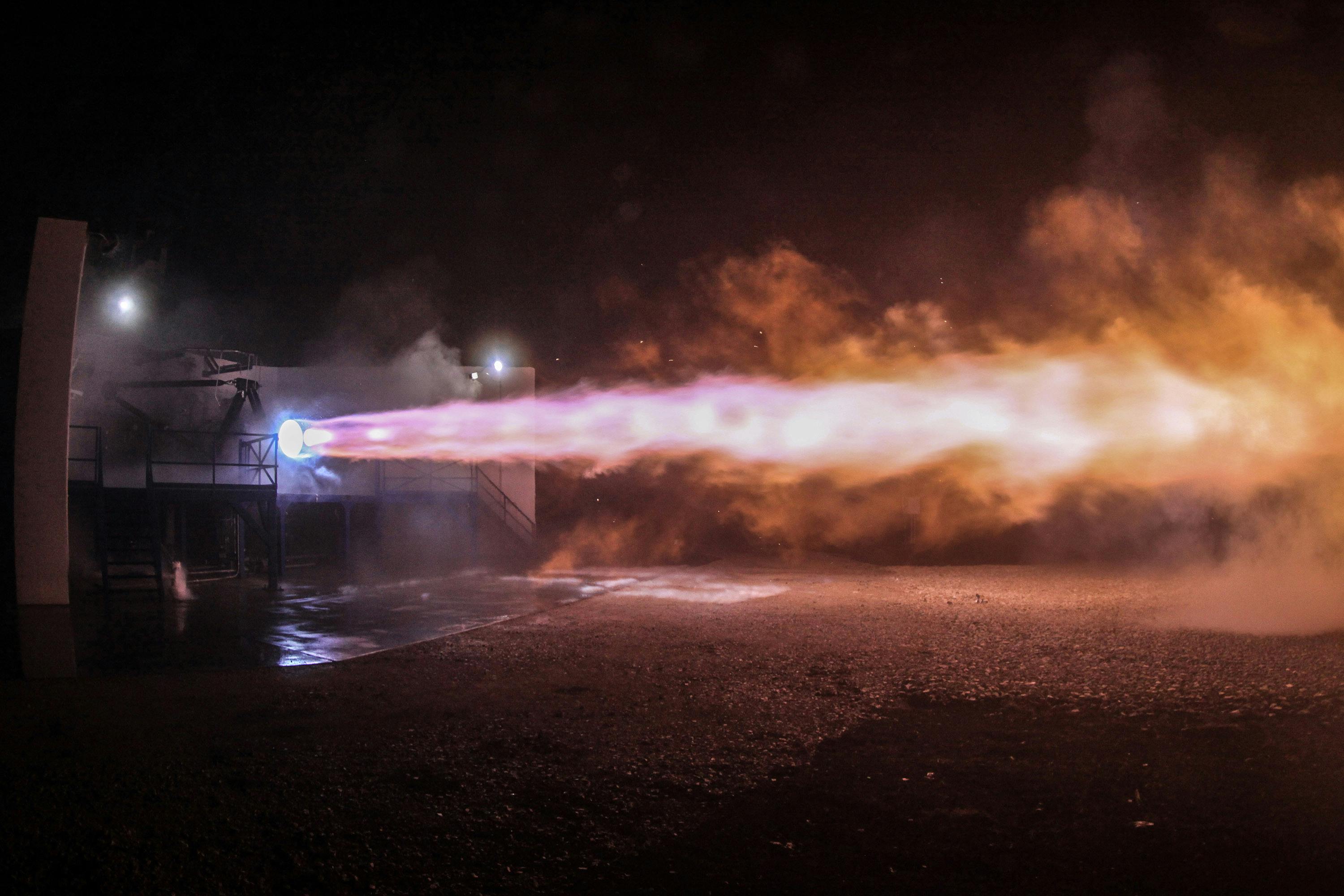
SpaceX's Crew-10 astronauts are set to return to Earth after a five-month mission, while the company prepares for the launch of 24 new Starlink satellites from Vandenberg Space Force Base.

SpaceX successfully launched the U.S. Space Force's eighth X-37B spaceplane mission while preparing for an upcoming Starship launch. Meanwhile, the company continues to expand its Starlink satellite constellation.

SpaceX targets seven rocket launches from six global sites this week including two Falcon 9 missions from California. 29 Starlink satellites successfully deployed from Cape Canaveral on January 18.

In 2024, China launched 68 orbital missions. In 2025, the number jumped to 97. In 2026, state media and Western analysts agree the target is 140 or more. Most of that growth is being driven by two state-backed mega-constellations, a half-dozen private launch companies hitting stride, and a deliberate national pivot toward commercial space. Beijing is no longer trying to catch SpaceX. It is trying to build an industrial base that outlasts one.
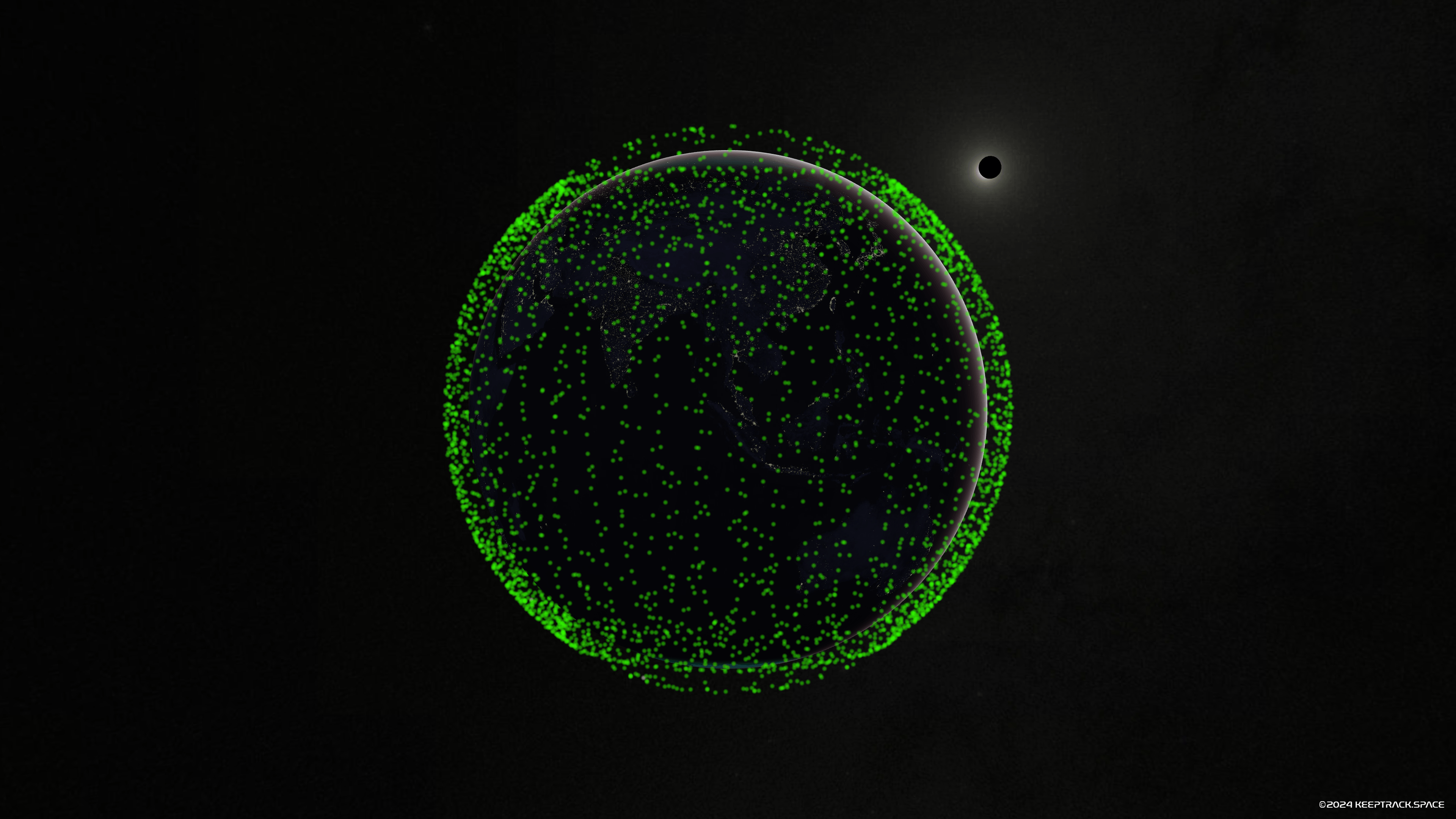
SpaceX's Starlink constellation has grown at an astonishing rate, now accounting for over 20% of all trackable objects in orbit. With plans for tens of thousands more, Starlink is on the cusp of forever changing the landscape of Earth's near-space environment.
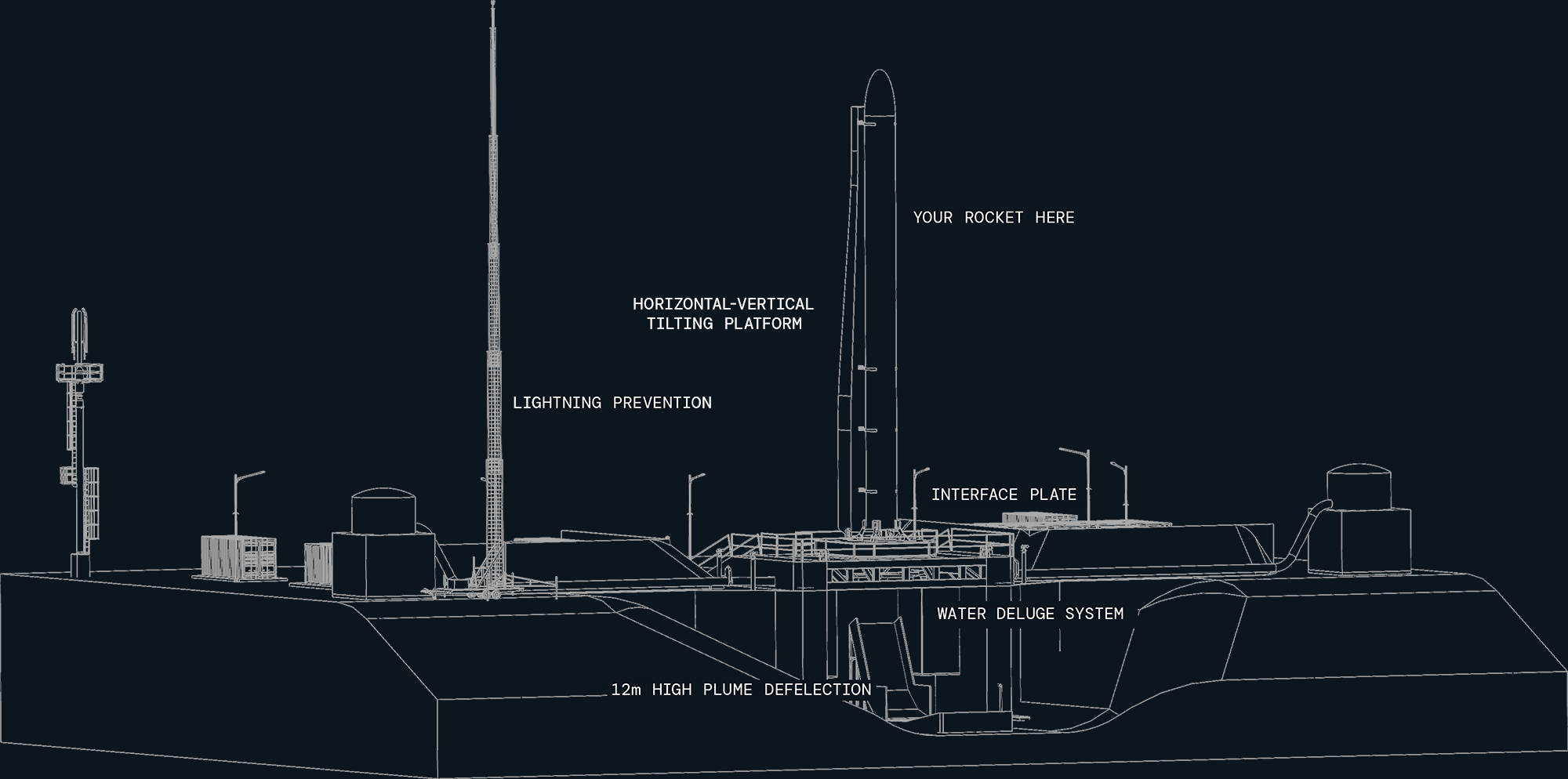
When your landlord won't sign the lease, you move. How Equatorial Launch Australia abandoned Arnhem Land and pivoted to Queensland - and what it means for Australia's equatorial launch ambitions.
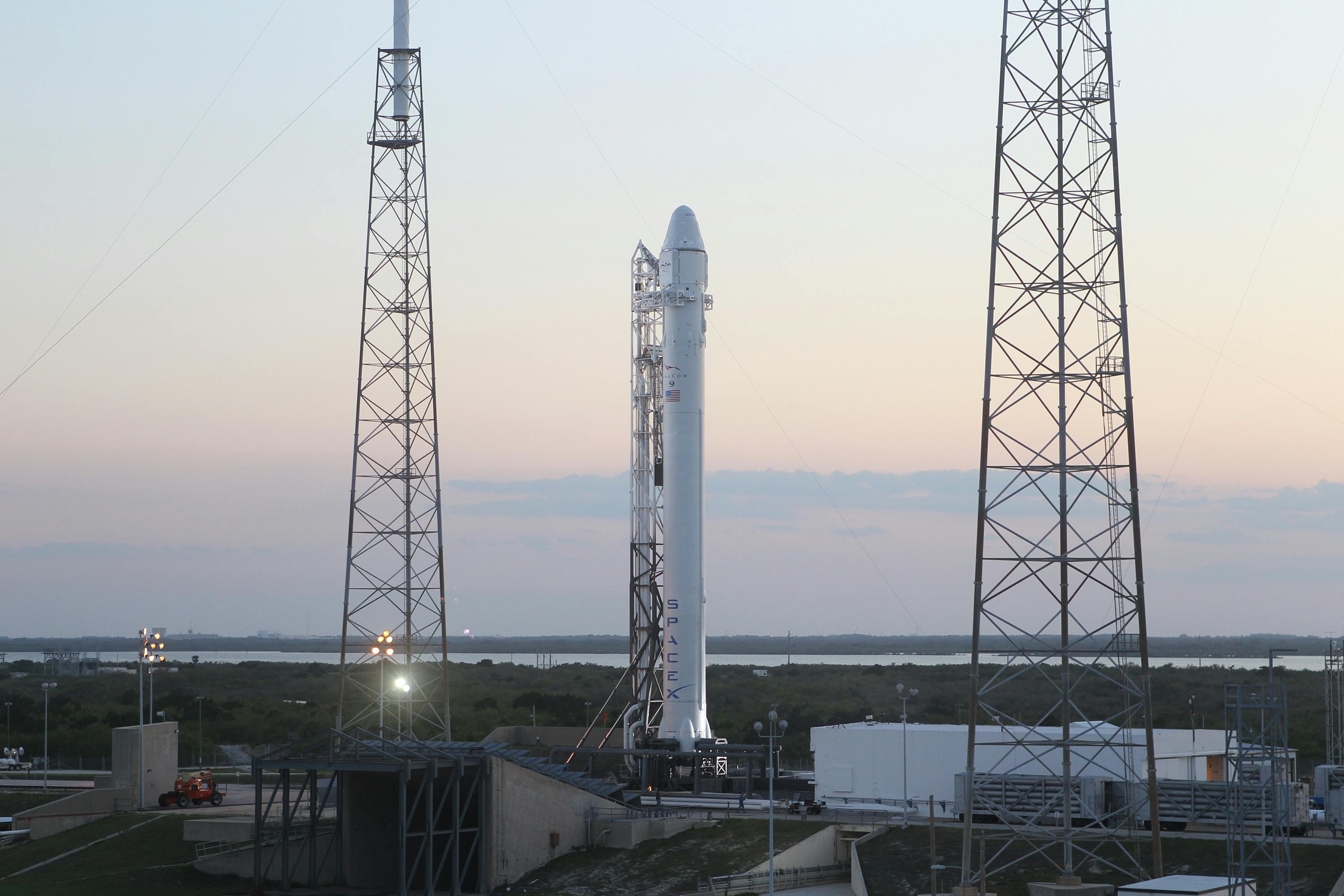
Exciting advancements from SpaceX as Starshield satellites prepare for launch, Starship Flight 7 faces a short delay, and new Starlink satellites enter orbit.