

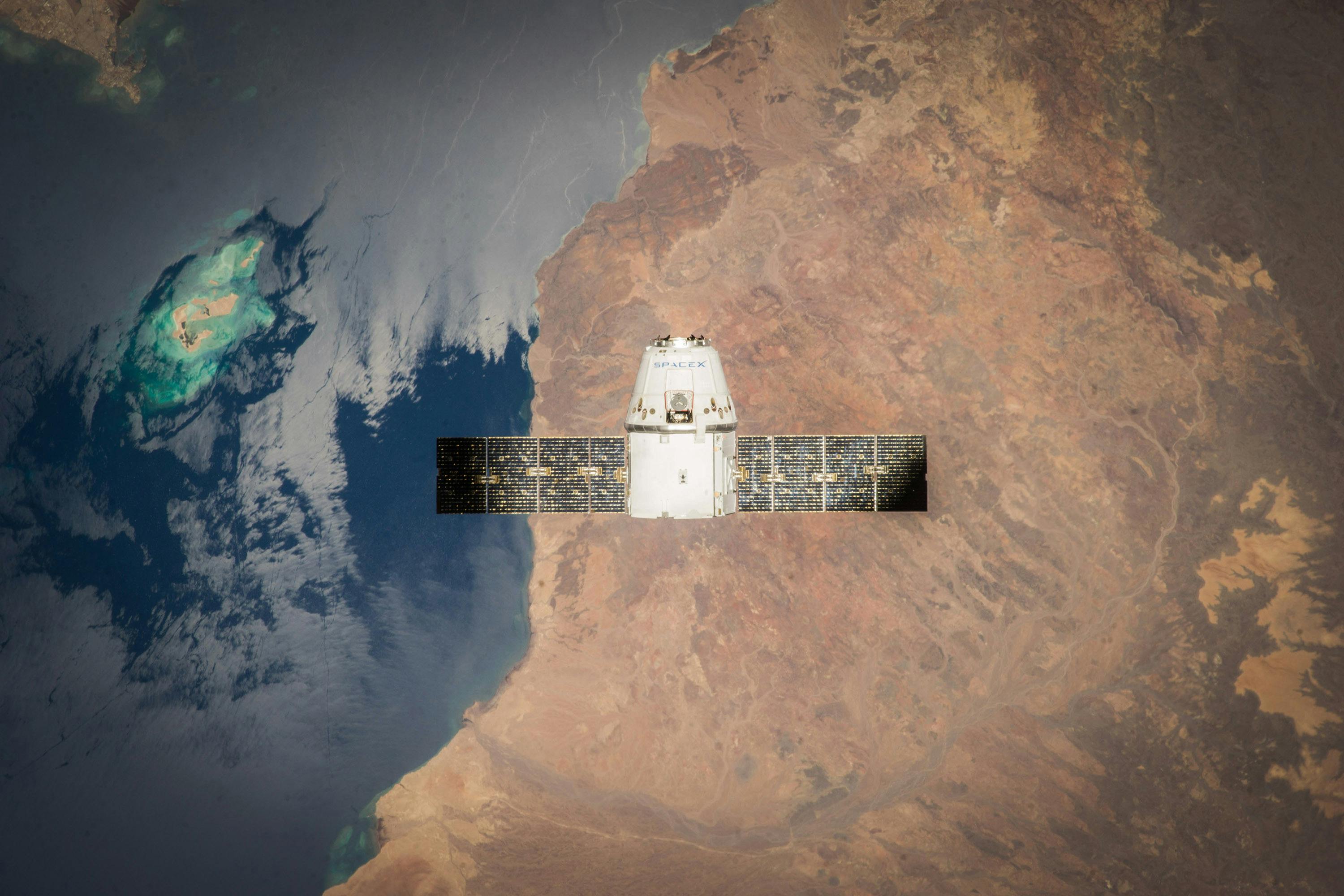
X Report 30 Sep 2025
SpaceX gears up for its next Starship flight while recent Falcon 9 missions make headlines with spectacular launches, bringing fresh Starlink satellites into orbit.


Launch Date
September 29, 1988
Launch Site
PLMSC
Launch Pad
LC41/1
Launch Vehicle
Molniya 8K78M
NORAD ID
19541
International Designator
1988-090A
Decay Date
2/4/2002
Name
MOLNIYA 3-33
Alternative Name
Molniya-3
Type
Status
Owner
UNKS/MSVYAZ
Country
USSR
Constellation
N/A
Related Satellites
Major Events
N/A
Length
3.6
Diameter
1.6
Span
8.1
Dry Mass
1700
Launch Mass
1750
Shape
Cyl + 6 Pan
Radar Cross Section
11.4728
Visual Magnitude
Unknown
Color
Unknown
Material Composition
Unknown
Payload
Molniya-3 No. 51
Purpose
Communication
Mission
Communication
Manufacturer
NPOPM
Life Expectancy
3 years
Bus
Molniya-3
Configuration
KAUR-2
Motor
KDU-414A (S5.114) or 11D414NS
Equipment
Unknown
Power System
6 deployable solar arrays (1000 W), batteries
ADCS
Unknown
Transmitter Frequency
Unknown
Learn more about satellites and other related topics.
SpaceX gears up for its next Starship flight while recent Falcon 9 missions make headlines with spectacular launches, bringing fresh Starlink satellites into orbit.

Today's briefing covers SpaceX's ambitious launch and temporary setback with their Super Heavy booster, adjustments in South African telecommunications laws influenced by Starlink, and the U.S. Navy's strategic shifts amidst changes in unmanned combatant acquisitions.
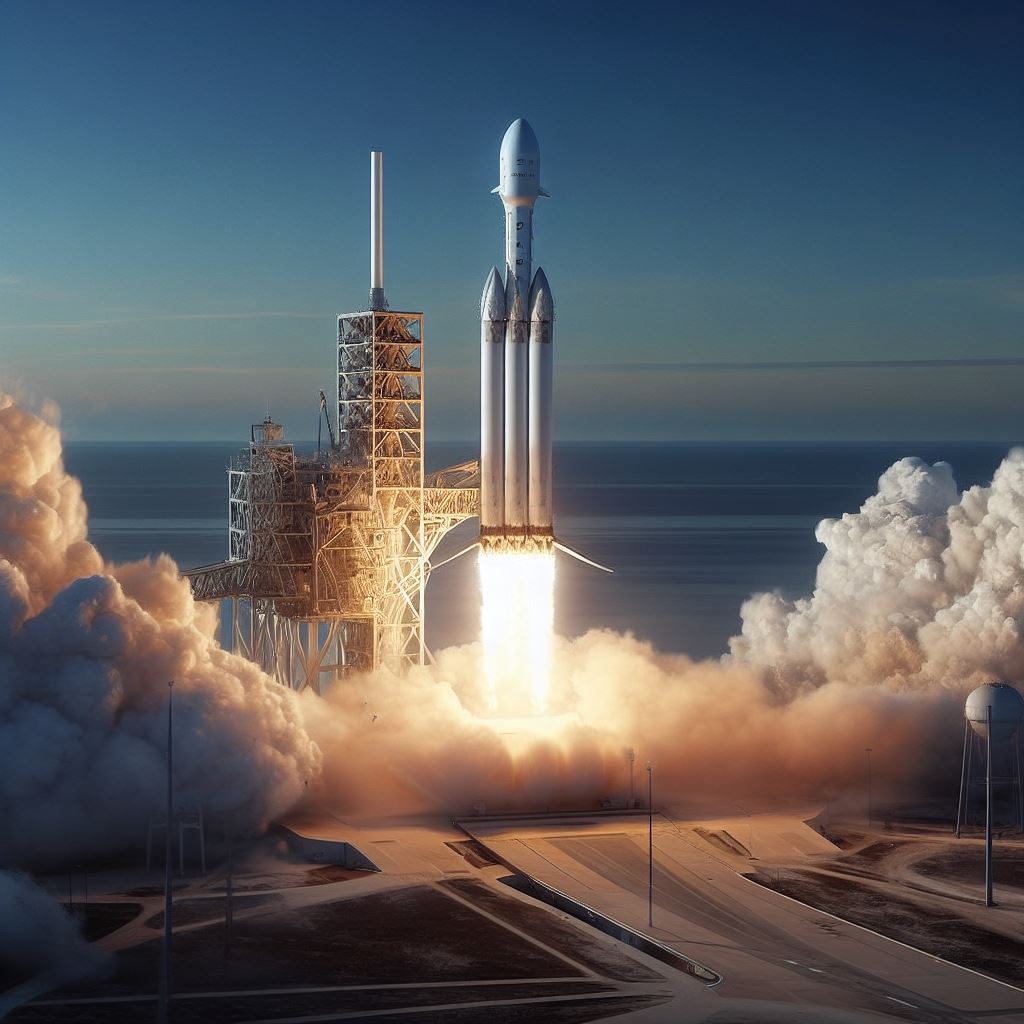
Polaris Dawn's upcoming commercial spacewalk, successful lunar orbit by Chinese spacecraft, and more space news including SpaceX's Starlink mission, RFA's static-fire failure, and advances in satellite technology.
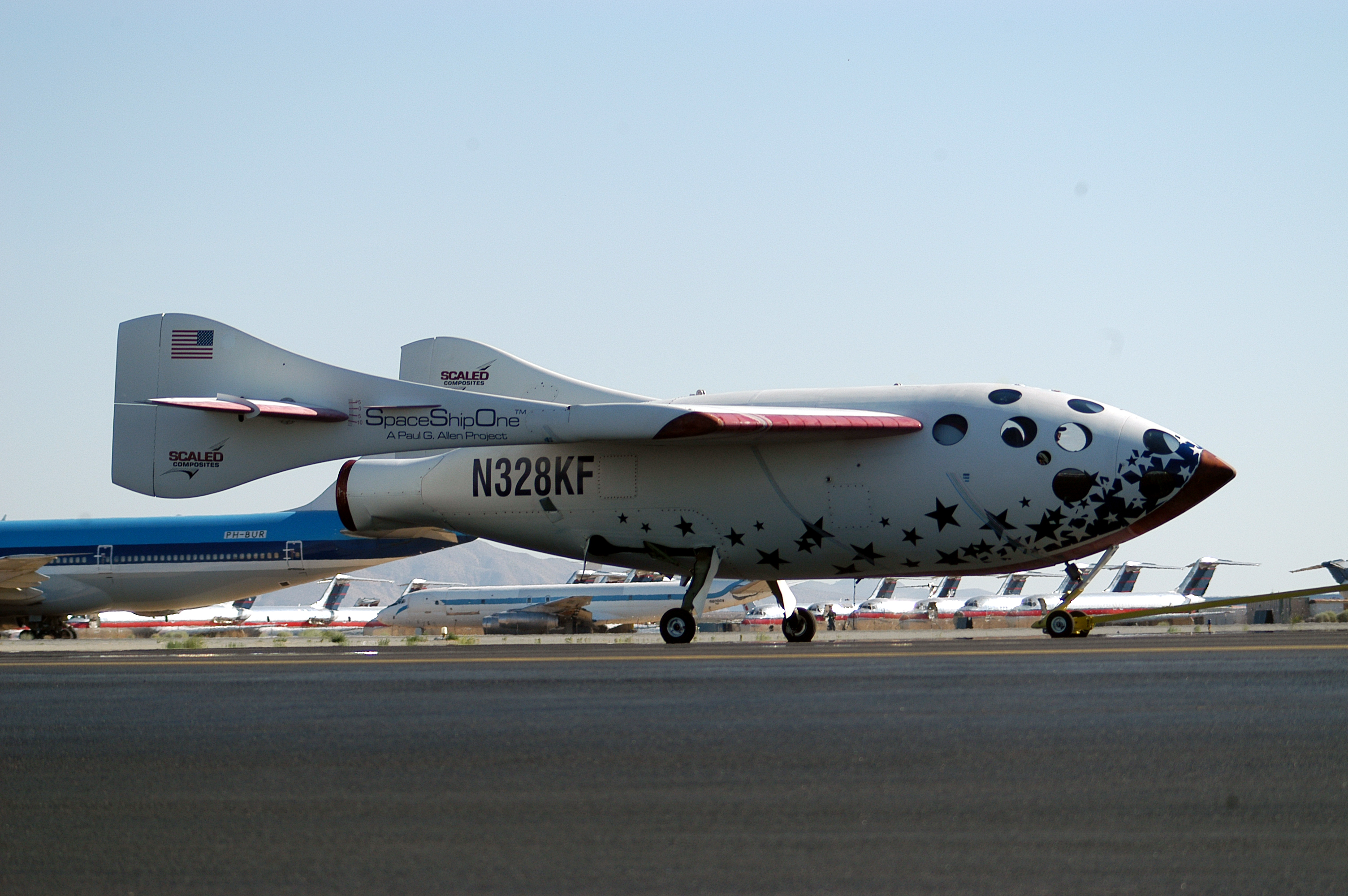
On 21 June 2004, a 63-year-old test pilot rode a homebuilt rocket plane to 100,124 meters above the Mojave Desert, clearing the edge of space by about the length of a city block. He came down the first private astronaut in history, holding a sign that read 'SpaceShipOne, GovernmentZero.'
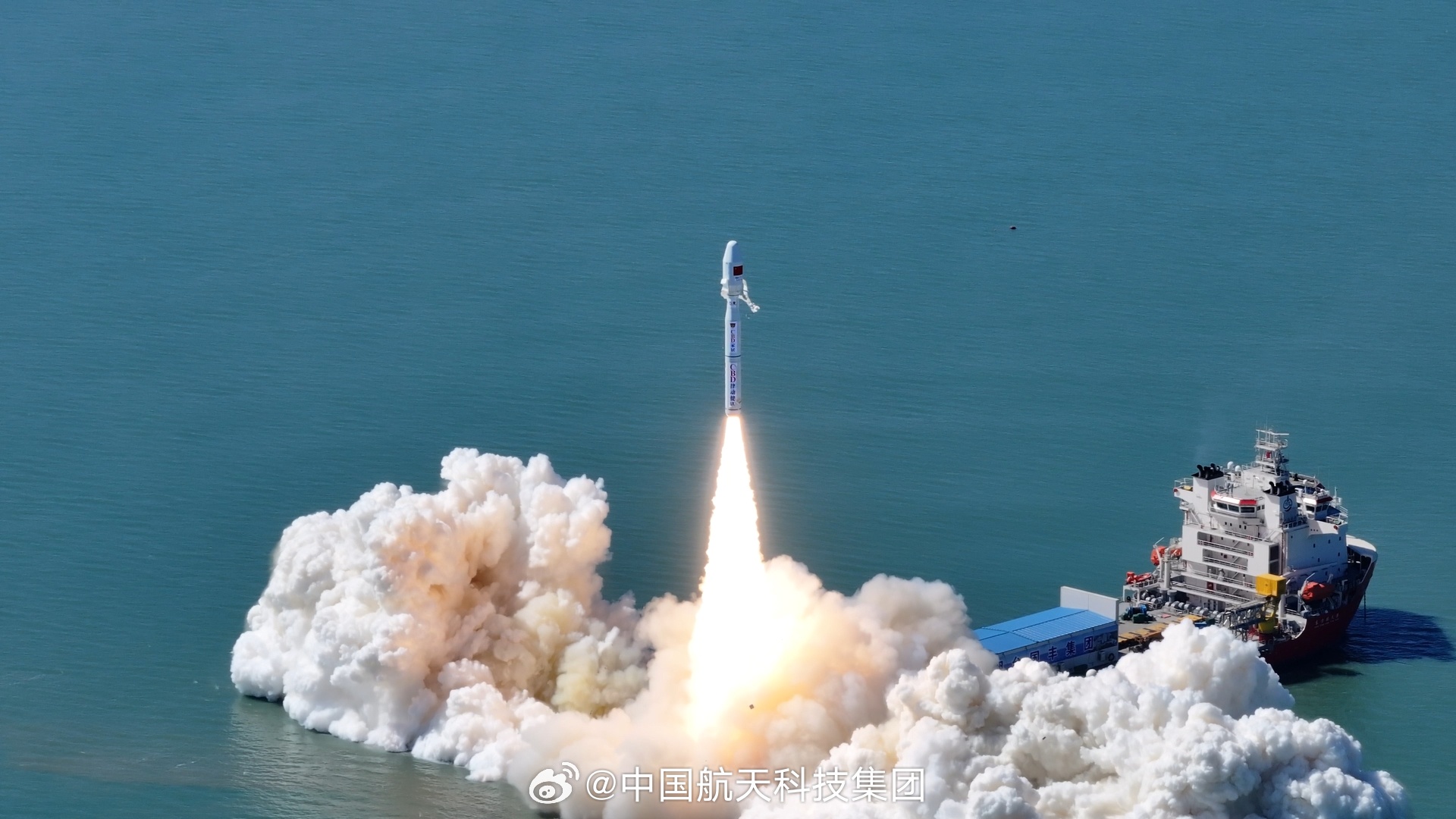
SpaceX launches NROL-105 spy satellite from Vandenberg in first national security mission of 2026. GE and Lockheed validate compact rotating detonation ramjet for hypersonic missiles.
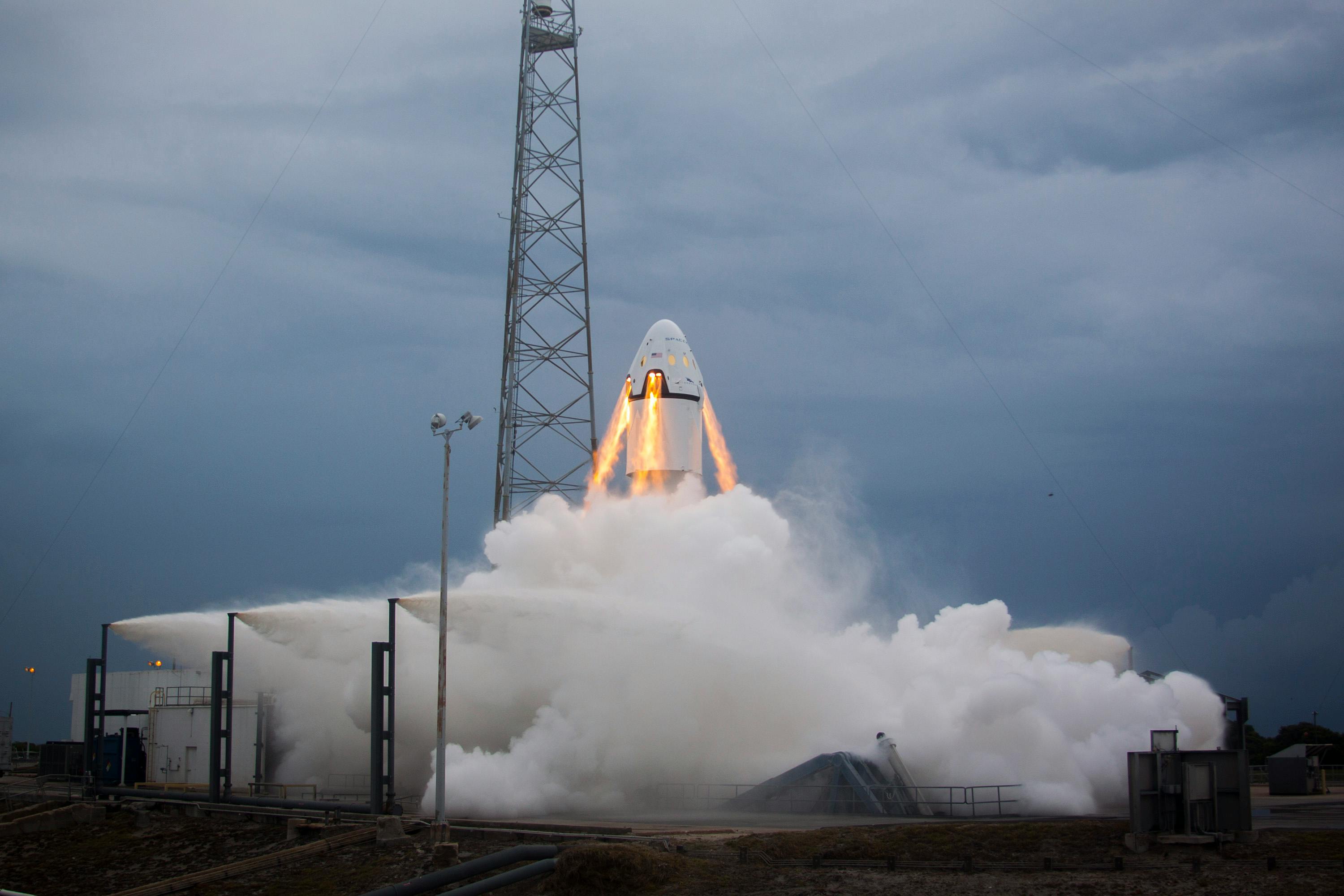
SpaceX receives approval for a new Starship launch complex, while Blue Origin capitalizes on potential challenges faced by SpaceX in lunar missions.

Experts warn falling space debris risk to aircraft is increasing. North Korea tests advanced hypersonic missiles. Space Force seeks launch providers for Cape Canaveral and Vandenberg pads.
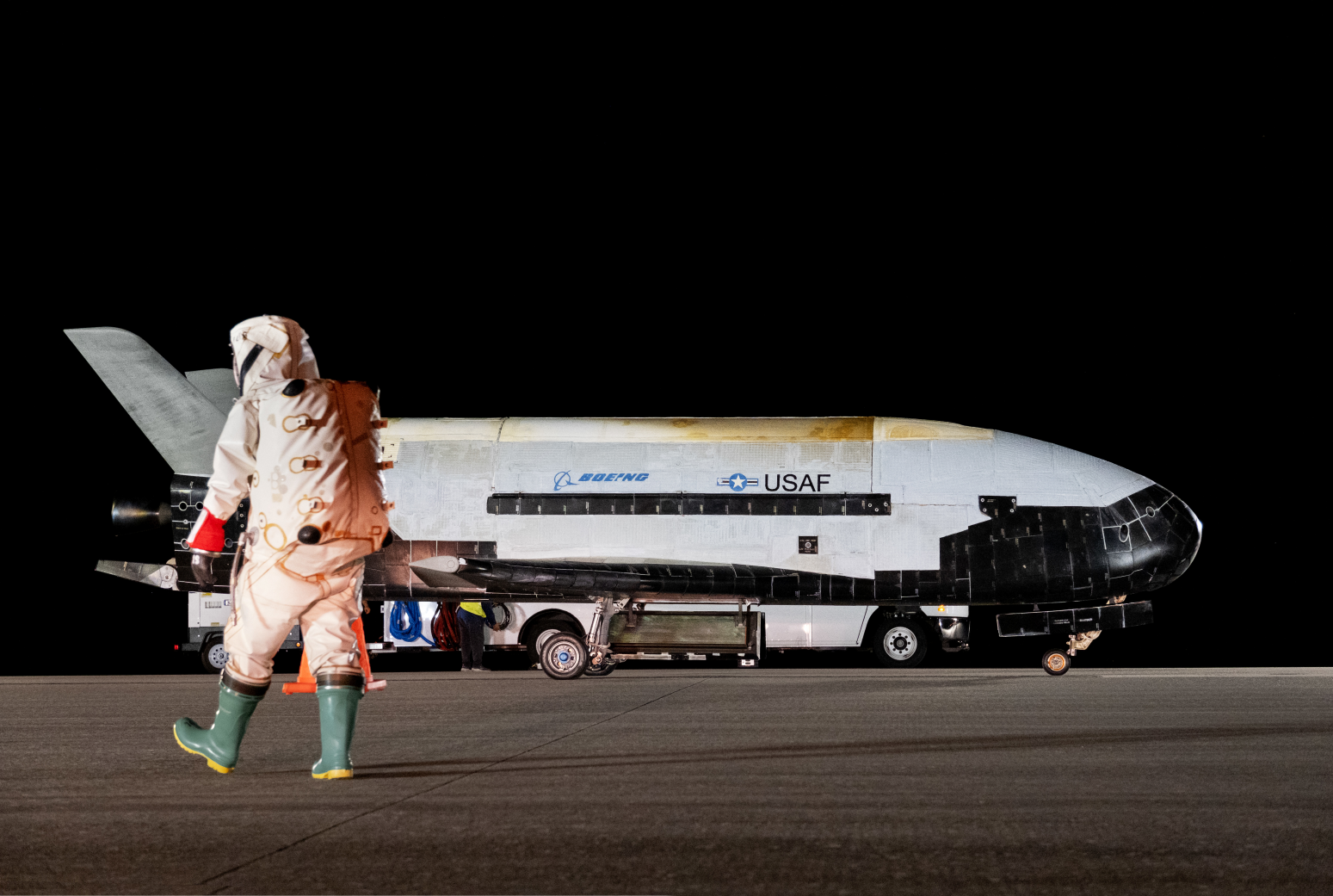
On April 22, 2010, an Atlas V lifted off from Cape Canaveral carrying a reusable robotic spaceplane so secret that the Air Force would not even confirm its mission duration. It came back 224 days later, lighter, quieter, and more operational than anyone outside Washington had expected. Fifteen years later, the X-37B is still flying, and the military still will not say what it does.