

Space Brief 23 Nov 2025
Today's highlights include a space debris incident involving China's spacecraft, development advancements for military space missions, and a notable setback for SpaceX's Starship booster.



Launch Date
September 24, 1988
Launch Site
AFWTR
Launch Pad
SLC3W
Launch Vehicle
Atlas E
NORAD ID
19534
International Designator
1988-089C
Decay Date
6/18/1992
Name
NOAA 11 DEB
Alternative Name
NOAA 11 solar array band
Type
Status
Owner
NOAA
Country
United States
Constellation
N/A
Related Satellites
Major Events
N/A
Length
0
Diameter
0
Span
0
Dry Mass
0
Launch Mass
0
Shape
N/A
Radar Cross Section
0.0256
Visual Magnitude
Unknown
Color
Unknown
Material Composition
Unknown
Payload
Unknown
Purpose
Unknown
Mission
Unknown
Manufacturer
Unknown
Life Expectancy
Unknown
Bus
Unknown
Configuration
Unknown
Motor
Unknown
Equipment
Unknown
Power System
Unknown
ADCS
Unknown
Transmitter Frequency
Unknown
Learn more about satellites and other related topics.
Today's highlights include a space debris incident involving China's spacecraft, development advancements for military space missions, and a notable setback for SpaceX's Starship booster.
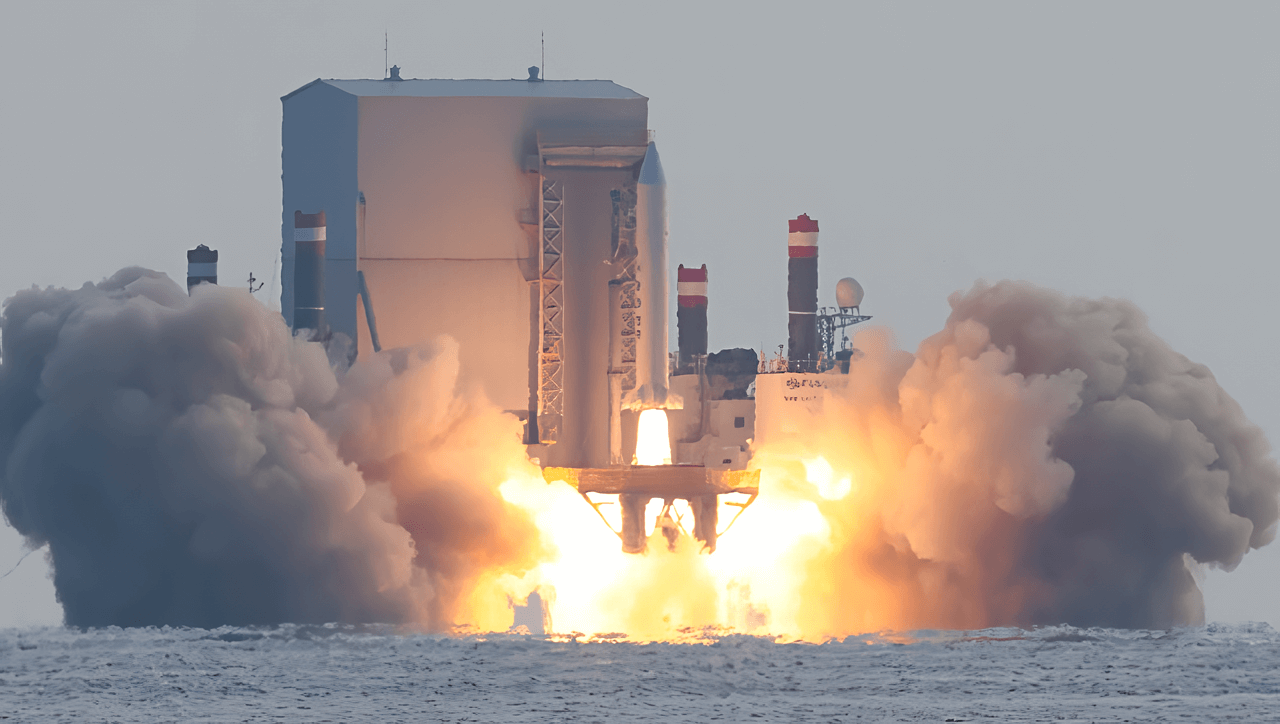
China formalized a national VLEO industry alliance with multiple satellites sustaining operations below 300 kilometers altitude. Propulsion startups attracting investment.
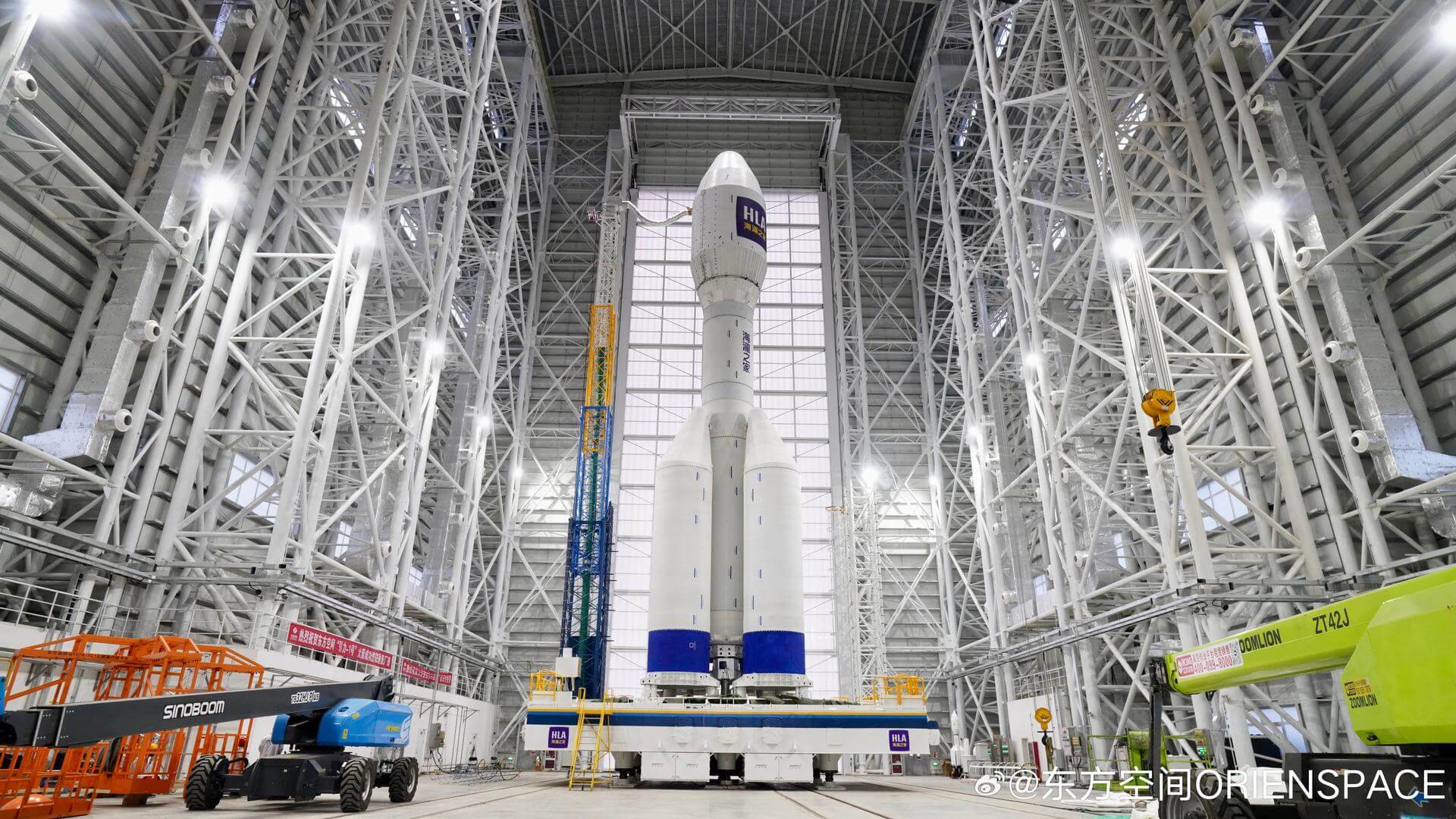
SpaceX Falcon 9 launches Starlink 10-50 with two Besxar semiconductor manufacturing test pods. In-space fabrication experiment explores cost reduction for commercial payloads.

Discover key developments in space defense and military operations, including new leadership for Space Force's 'Golden Dome,' SpaceX's contract for a military SATCOM network, and increased Israeli-Iranian missile activity.
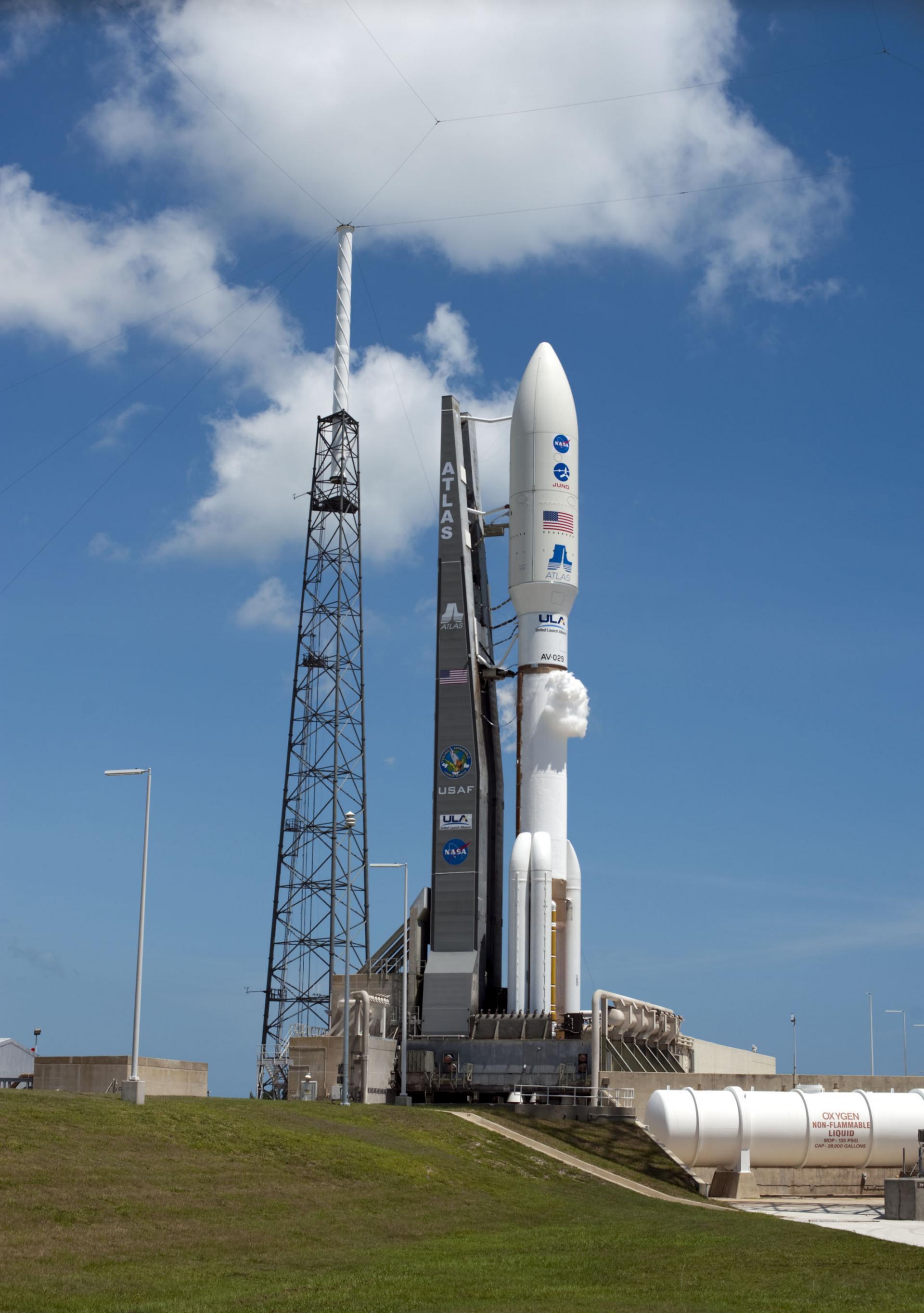
Today's briefing covers a range of critical space industry updates, from Space Force's strategic initiatives to SpaceX's latest launch record and groundbreaking developments in orbital manufacturing.
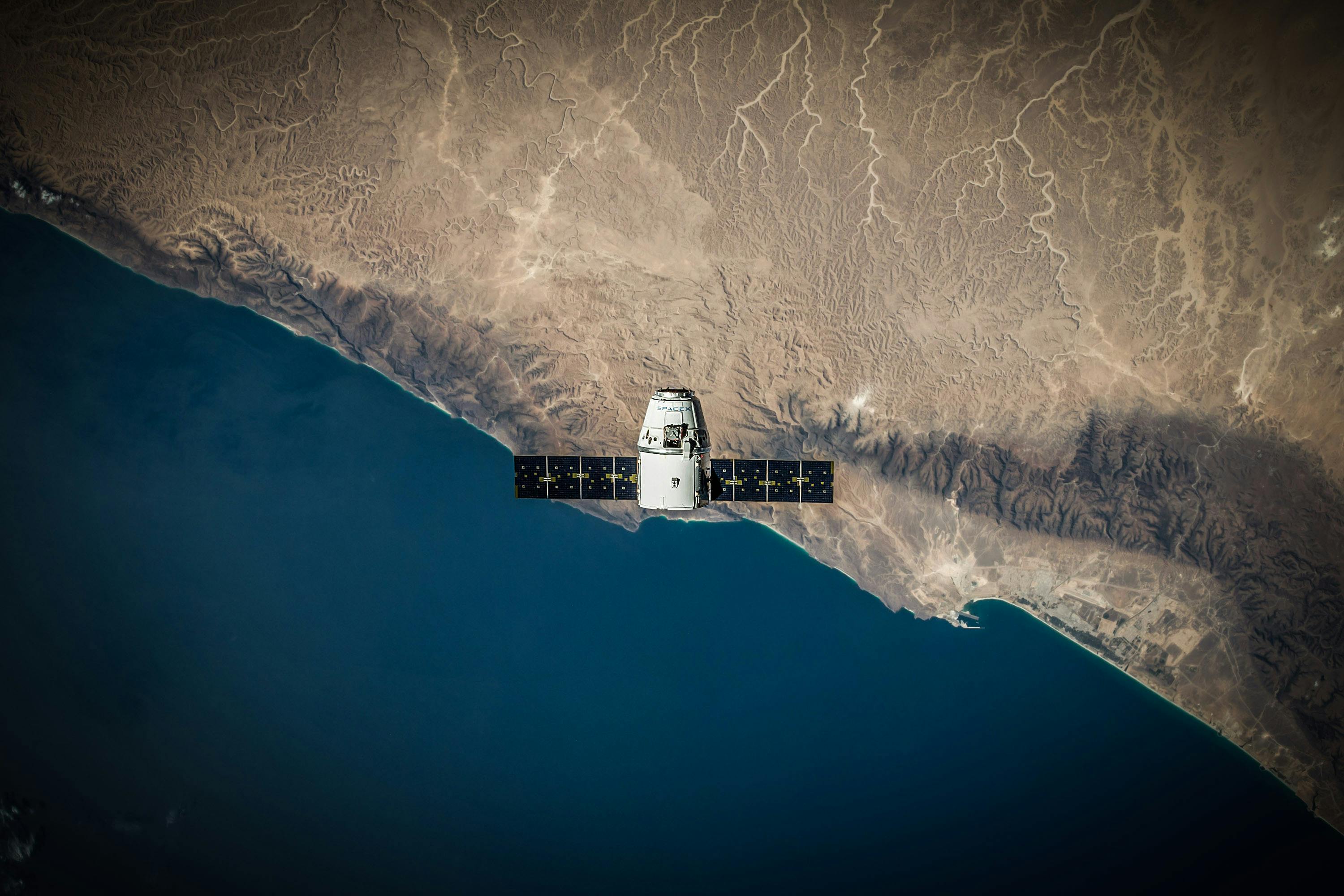
Falcon 9 returns to flight with Starlink 17-33 mission after brief stand-down. Crew-12 astronaut launch confirmed for Feb 11. SpaceX shifts Dragon launches away from pad 39A.

Thirty-five years ago, NASA's Galileo spacecraft made a crucial flyby of Venus, pioneering a complex path through the inner solar system that would revolutionize planetary exploration

Space Force projects 25 additional high-energy missions in 2027–2029 window, straining capacity at Vulcan and Falcon Heavy. Capacity constraints will drive military-NASA prioritization debates.