

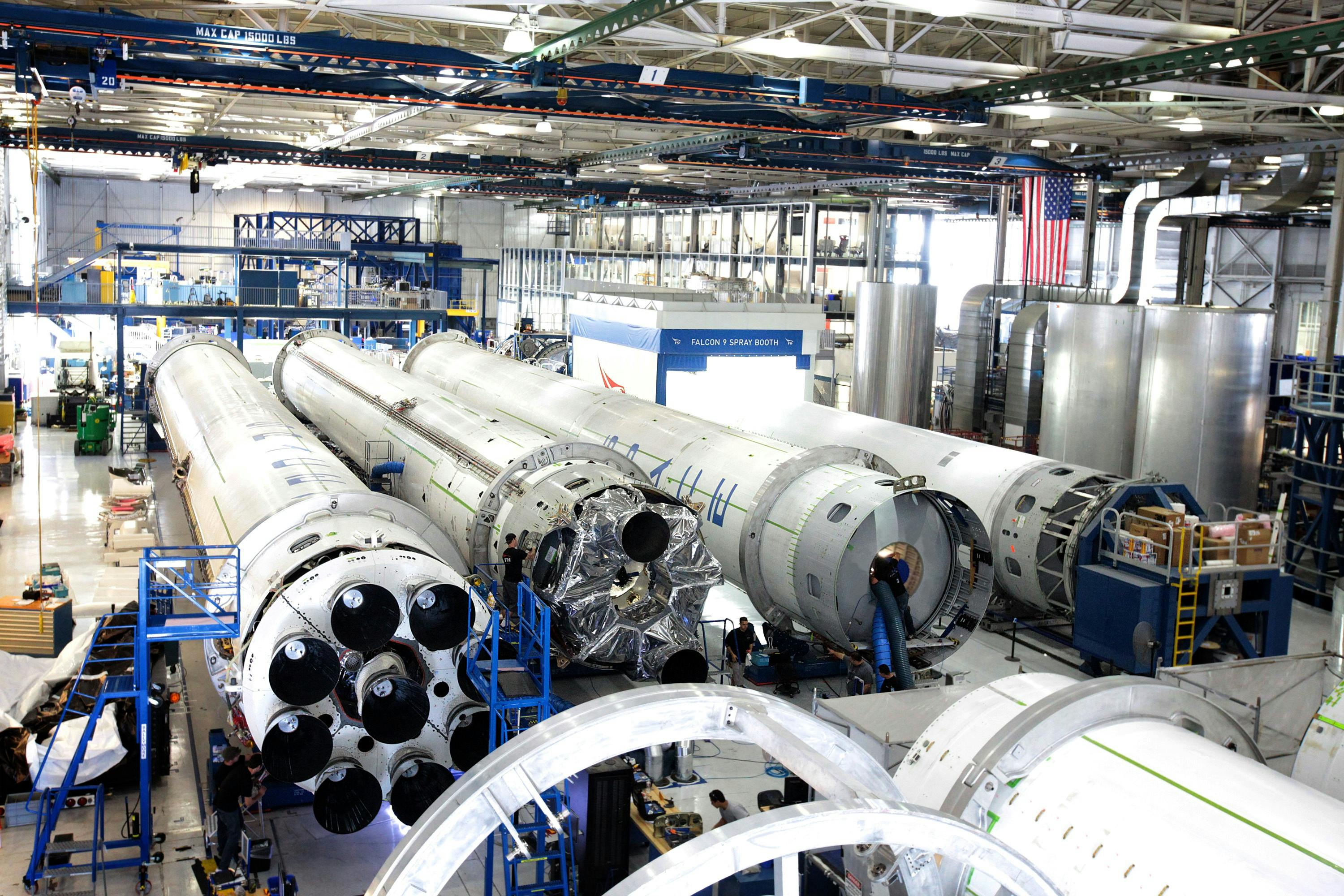
Falcon 9 Completes GPS III Constellation for Space Force | KeepTrack X Report
SpaceX's Falcon 9 delivered GPS III SV-10 at 0653 UTC, capping Lockheed Martin's 10-satellite series as SpaceX eyes a $60B AI coding acquisition pre-IPO.


Launch Date
February 19, 1986
Launch Site
Launch Pad
LC1
Launch Vehicle
Soyuz-U
NORAD ID
19533
International Designator
1986-017R
Decay Date
10/2/1988
Name
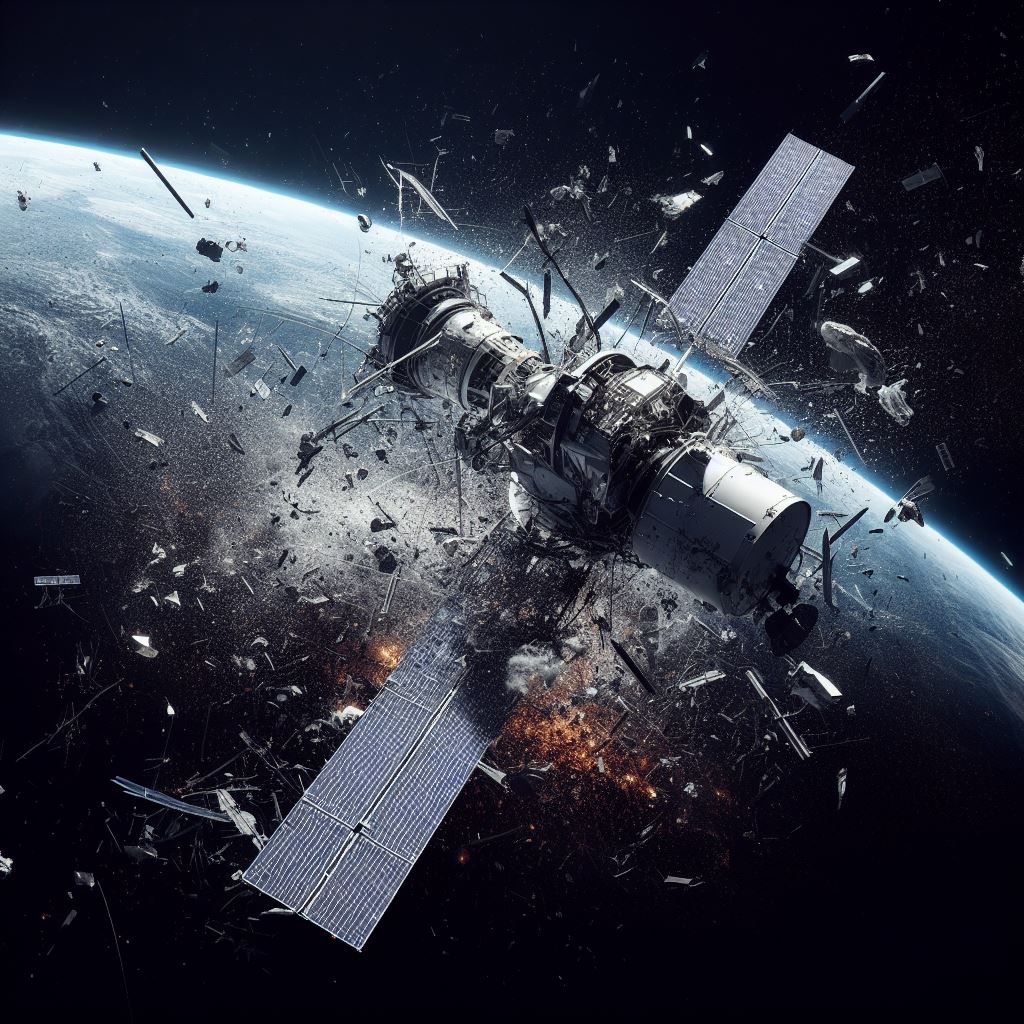
MIR DEB
Alternative Name
Garbage bag
Type
Status
Owner
NPOE
Country
USSR
Constellation
N/A
Related Satellites
Major Events
N/A
Length
0
Diameter
0
Span
0
Dry Mass
0
Launch Mass
0
Shape
N/A
Radar Cross Section
0.45
Visual Magnitude
Unknown
Color
Unknown
Material Composition
Unknown
Payload
Unknown
Purpose
Unknown
Mission
Unknown
Manufacturer
Unknown
Life Expectancy
Unknown
Bus
Unknown
Configuration
Unknown
Motor
Unknown
Equipment
Unknown
Power System
Unknown
ADCS
Unknown
Transmitter Frequency
Unknown
Learn more about satellites and other related topics.
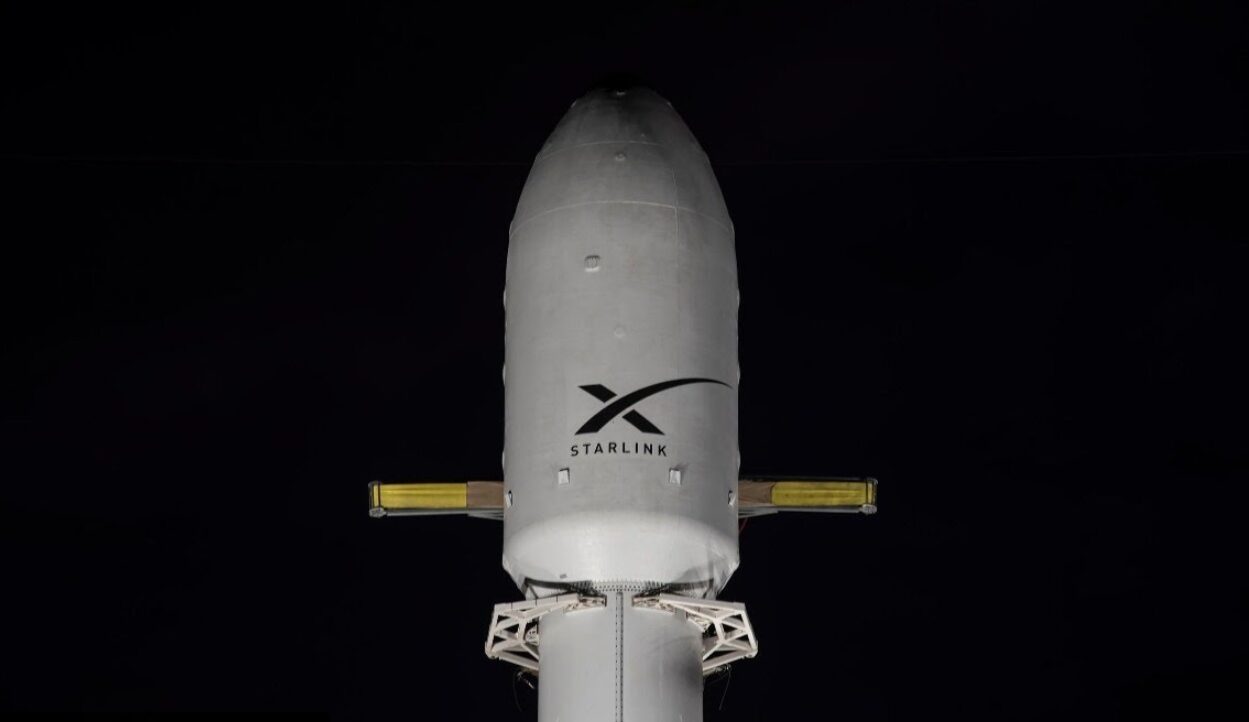
SpaceX's Falcon 9 delivered GPS III SV-10 at 0653 UTC, capping Lockheed Martin's 10-satellite series as SpaceX eyes a $60B AI coding acquisition pre-IPO.

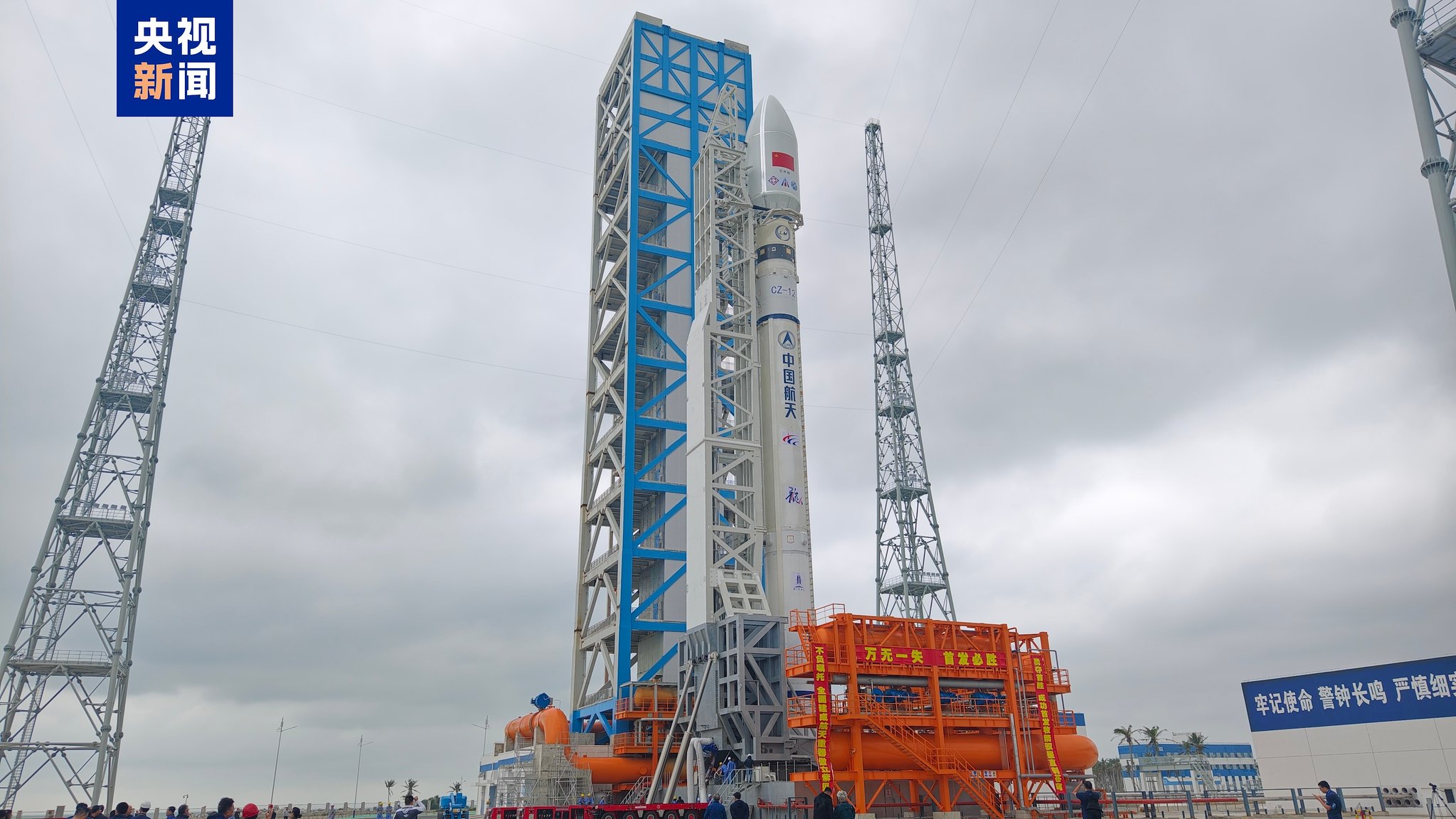
Today's brief covers China's intense launch schedule, a new Arctic military constellation, Muon Space's defense innovations, and SpaceX's classified NROL-77 mission.

SpaceX Crew-11 mission returns safely to Earth after first-ever medical evacuation from ISS. Crew Dragon splashes down in Pacific Ocean off California coast. Mission ended early due to health concern.
Demand surges for nuclear power in space including lunar surface reactors. Pentagon commits $1B as anchor investor in L3Harris missile unit. Orbion delivers 33 electric thrusters for military sats.
FCC clears Reflect Orbital's first satellite to bounce sunlight into nighttime zones, despite pushback from astronomers concerned about orbital streaking and wildlife impacts.

Japan's H3 rocket successfully launched June 11, deploying 6 smallsats to orbit after December failure. First return-to-flight for JAXA's flagship heavy-lift vehicle.
Today's Space Brief highlights pivotal defense budget evaluations, Lithuania's growing defense connections, the first CubeSat for ESA's Ramses mission, and the one-year milestone of the Aries satellite in orbit.
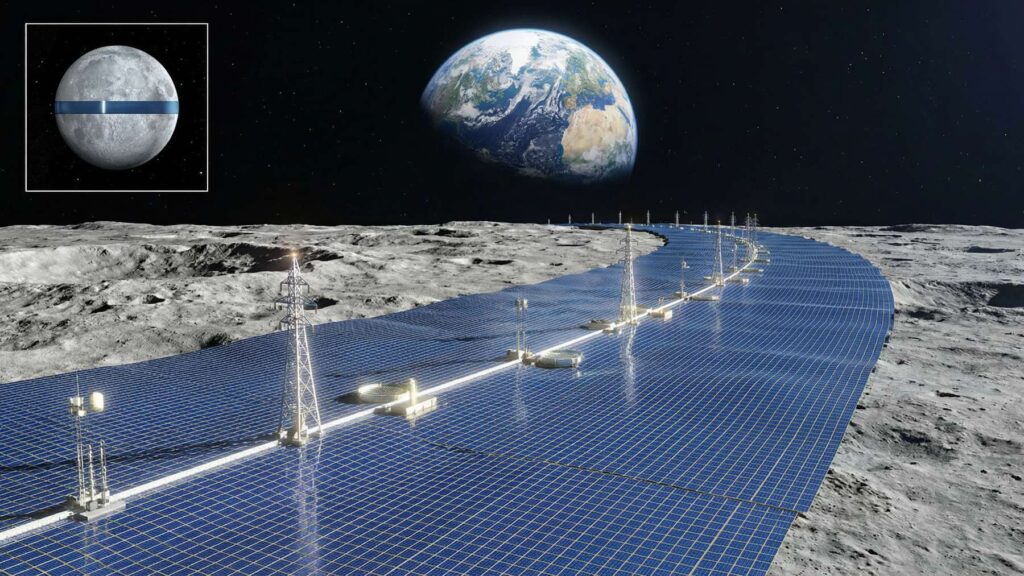
A 220-year-old Japanese construction company wants to build an 11,000-kilometer belt of solar cells around the lunar equator and beam the power back to Earth. The physics checks out. Everything else is another story.