

Space Brief 13 Apr 2025
SpaceX launches a doubleheader of satellites while Blue Origin prepares for a historic all-female spaceflight. Also, meet FORMOSAT-5 in our Satellite Spotlight.


Launch Date
September 9, 1988
Launch Site
PLMSC
Launch Pad
LC41/1
Launch Vehicle
Soyuz-U
NORAD ID
19488
International Designator
1988-082A
Decay Date
9/23/1988
Name
COSMOS 1968
Alternative Name
Kosmos-1968
Type
Status
Owner
PRIR
Country
USSR
Constellation
N/A
Related Satellites
Major Events
N/A
Length
6.5
Diameter
2.4
Span
6.5
Dry Mass
2555
Launch Mass
2555
Shape
Sphere + DCone
Radar Cross Section
32.45
Visual Magnitude
Unknown
Color
Unknown
Material Composition
Unknown
Payload
Resurs-F1-14F43 No. 4L
Purpose
Earth Observation (film return)
Mission
Earth Observation (film return)
Manufacturer
TSSKB
Life Expectancy
Unknown
Bus
Resurs-F1
Configuration
Vostok / Zenit Capsule
Motor
11D82M; S5.120 (maneuver module)
Equipment
Priroda-4 imaging system (2 x KFA-1000, 3 x KATE-200)
Power System
Batteries
ADCS
Unknown
Transmitter Frequency
Unknown
Learn more about satellites and other related topics.
SpaceX launches a doubleheader of satellites while Blue Origin prepares for a historic all-female spaceflight. Also, meet FORMOSAT-5 in our Satellite Spotlight.

SpaceX successfully launched the historic Axiom-4 mission to the ISS, marking a significant milestone in private space travel, while also expanding Starlink's reach into Vietnam's healthcare sector.
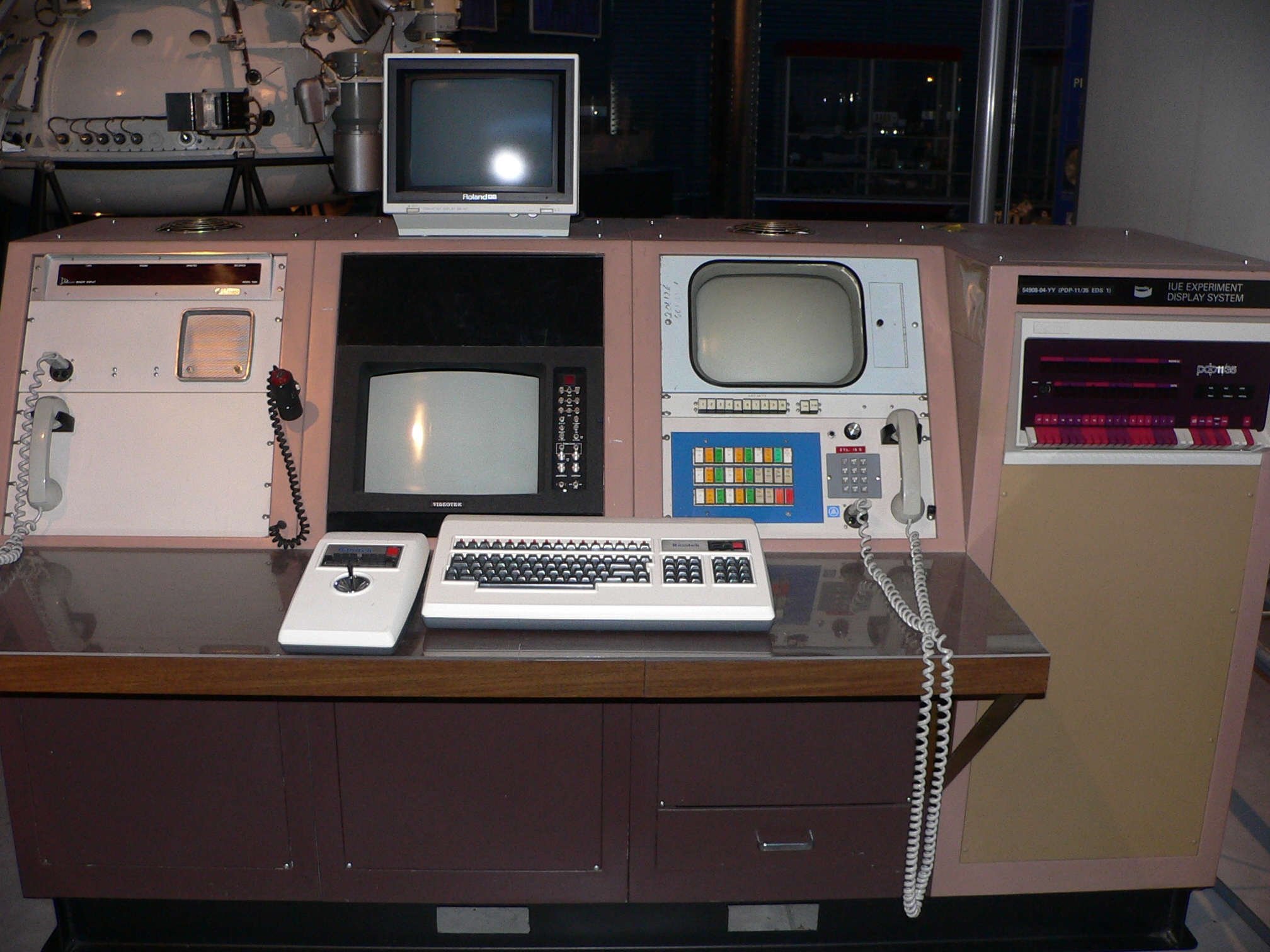
Forty-seven years ago, a revolutionary space telescope changed our view of the cosmos, pioneering international cooperation in space-based astronomy
Today's highlights include Rocket Lab's successful 2025 kick-off launch, SpaceX's upcoming Starlink deployment, and a significant military satellite contract competition.
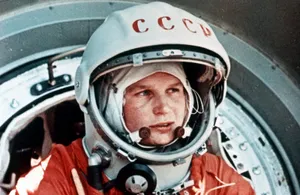
Sixty-three years ago, the Soviet Union selected the world's first female cosmonaut training group, launching a new era in human spaceflight that would transform our understanding of gender equality in space exploration
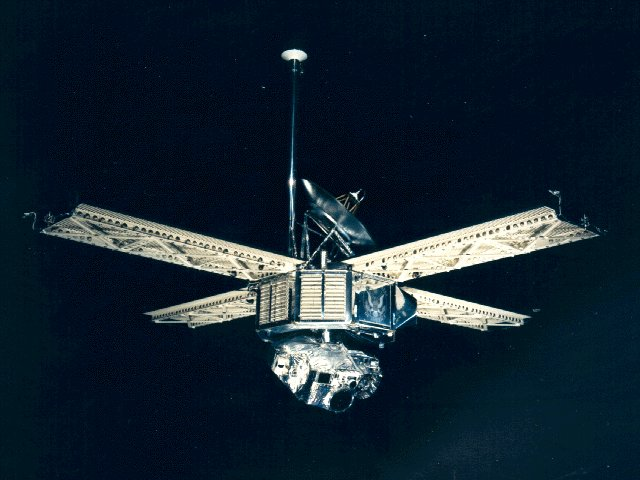
Fifty-six years ago, a revolutionary spacecraft launched toward the Red Planet after being saved from disaster by two quick-thinking technicians who risked their lives to prevent a rocket collapse
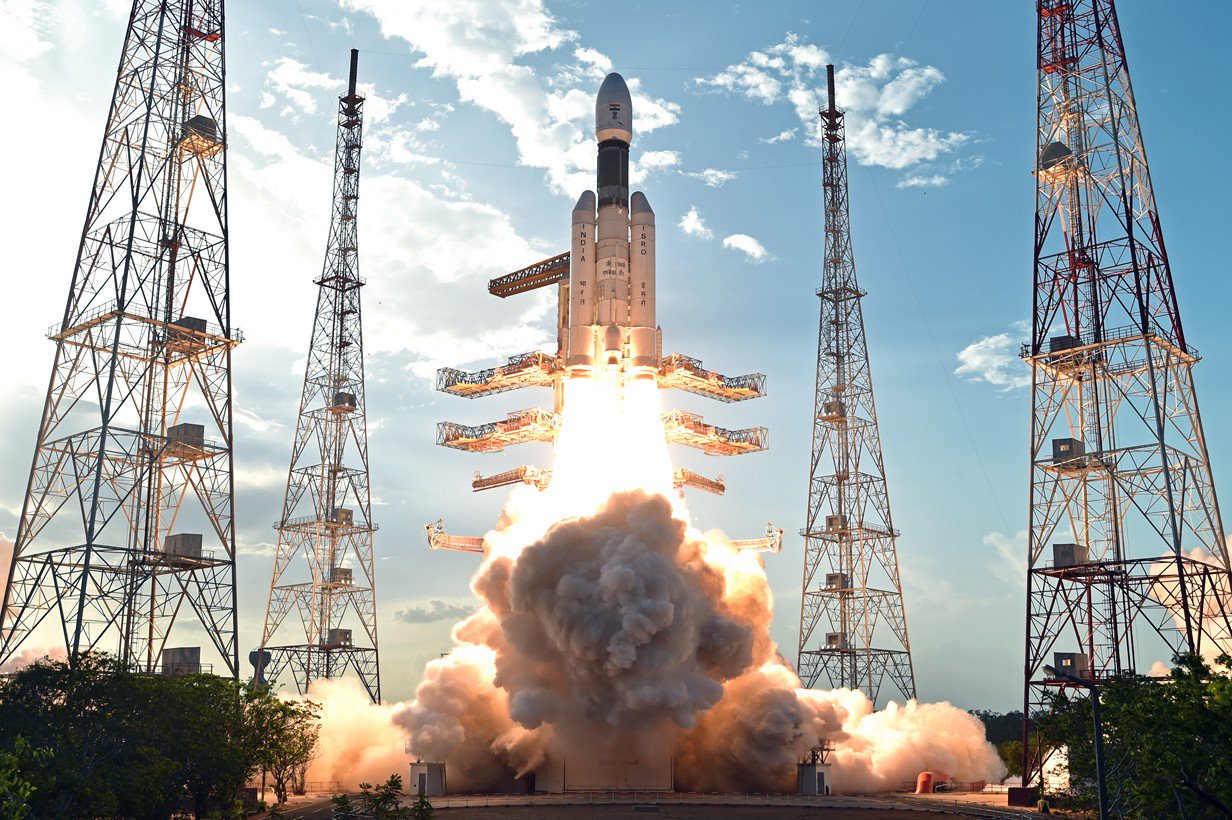
Today's stories cover Rocket Lab's innovative DiskSat launch, Digantara's expansion to missile defense, and DARPA's satellite surveillance network expansion, among other updates in military and satellite technology.

SpaceX delays the launch of 23 Starlink satellites due to geomagnetic storm concerns, adjusting the schedule for an upcoming Falcon 9 mission.