

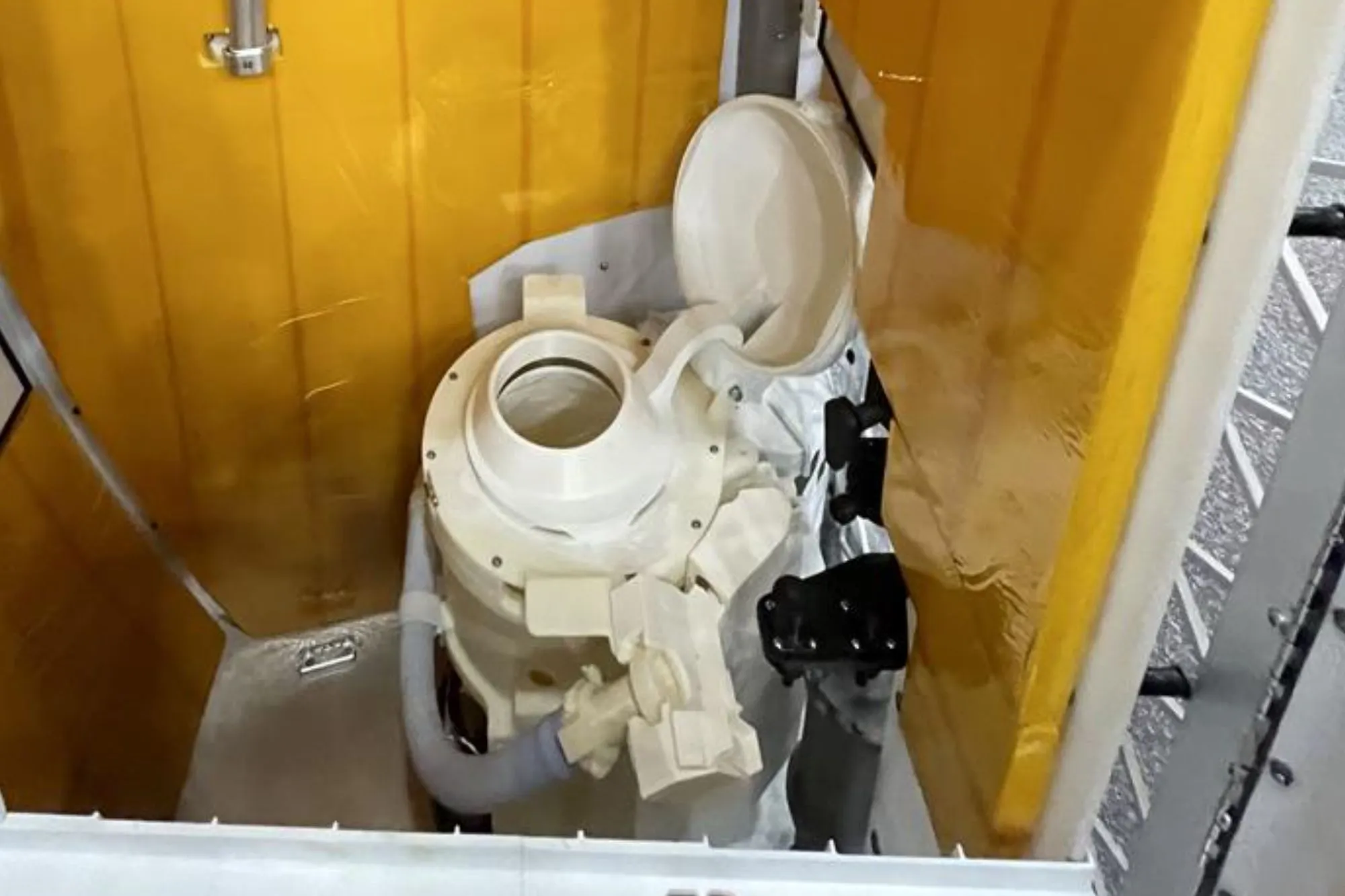
The $30 Million Toilet That Keeps Breaking on the Way to the Moon
Sixty years of space toilet engineering, a decade of development, and a $30 million contract - and the Artemis II crew still had to pee in bags on Day 1.



Launch Date
July 7, 1988
Launch Site
PLMSC
Launch Pad
LC16/2
Launch Vehicle
Soyuz-U
NORAD ID
19334
International Designator
1988-057H
Decay Date
7/23/1988
Name
COSMOS 1957 DEB
Alternative Name
KDU part
Type
Status
Owner
UNKS
Country
USSR
Constellation
N/A
Related Satellites
Major Events
N/A
Length
0
Diameter
0
Span
0
Dry Mass
0
Launch Mass
0
Shape
N/A
Radar Cross Section
Unknown
Visual Magnitude
Unknown
Color
Unknown
Material Composition
Unknown
Payload
KDU part
Purpose
Unknown
Mission
Unknown
Manufacturer
TSSKB
Life Expectancy
Unknown
Bus
Zenit deb
Configuration
Unknown
Motor
Unknown
Equipment
Unknown
Power System
Unknown
ADCS
Unknown
Transmitter Frequency
Unknown
Learn more about satellites and other related topics.
Sixty years of space toilet engineering, a decade of development, and a $30 million contract - and the Artemis II crew still had to pee in bags on Day 1.

On April 22, 2026, the FAA published a final rule implementing per-launch user fees for commercial space transportation — the first time the U.S. government has charged payload-based fees for rocket launches. Starting at 25 cents per pound with a $30,000 cap, the fees are modest today. By 2033, they won't be.
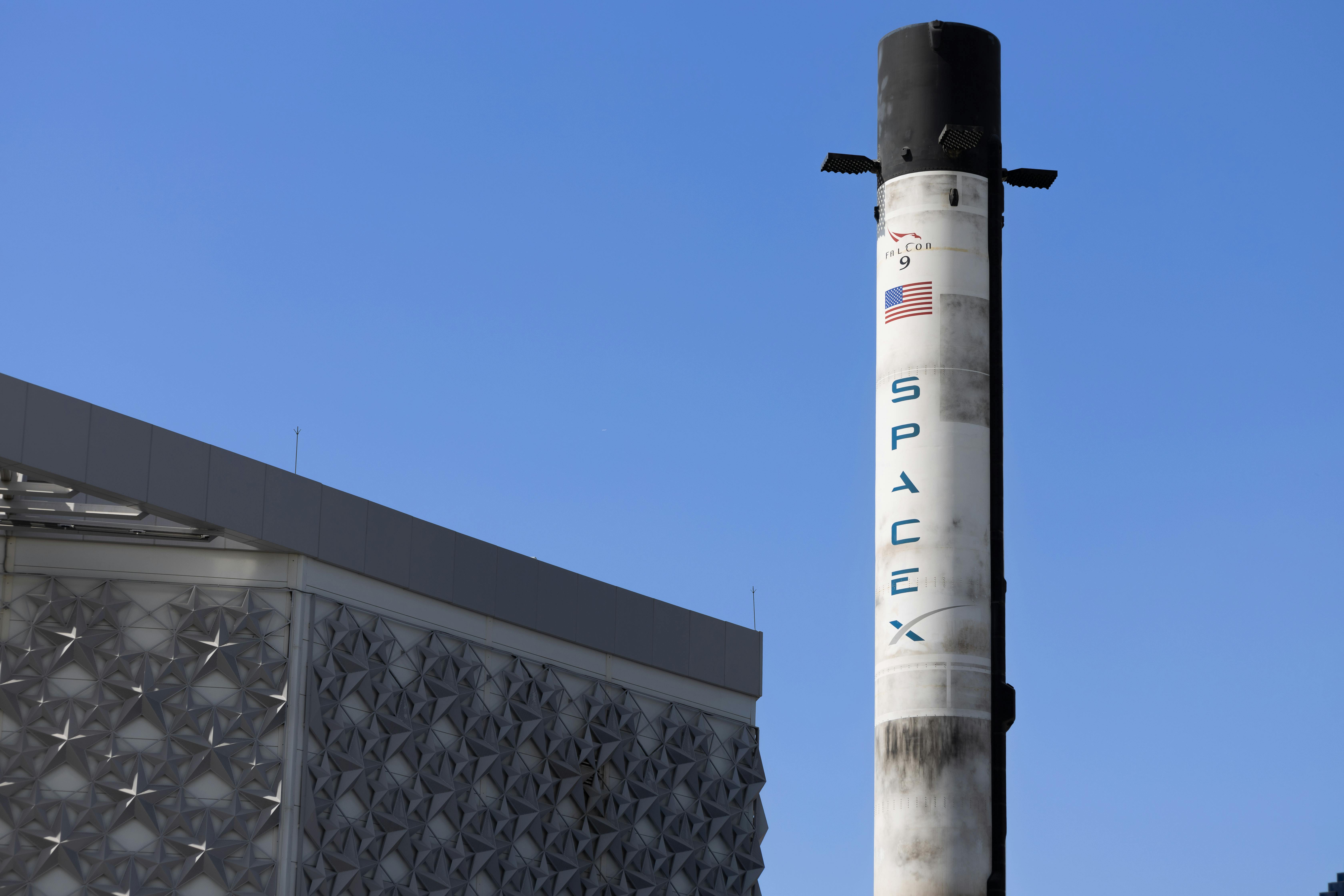
SpaceX successfully launches two rideshare missions to mid-inclination orbits, expanding their satellite deployment capabilities.

Today's brief covers a significant hypersonic flight by Stratolaunch, the US Space Force's missile warning upgrades, and major government space investments.
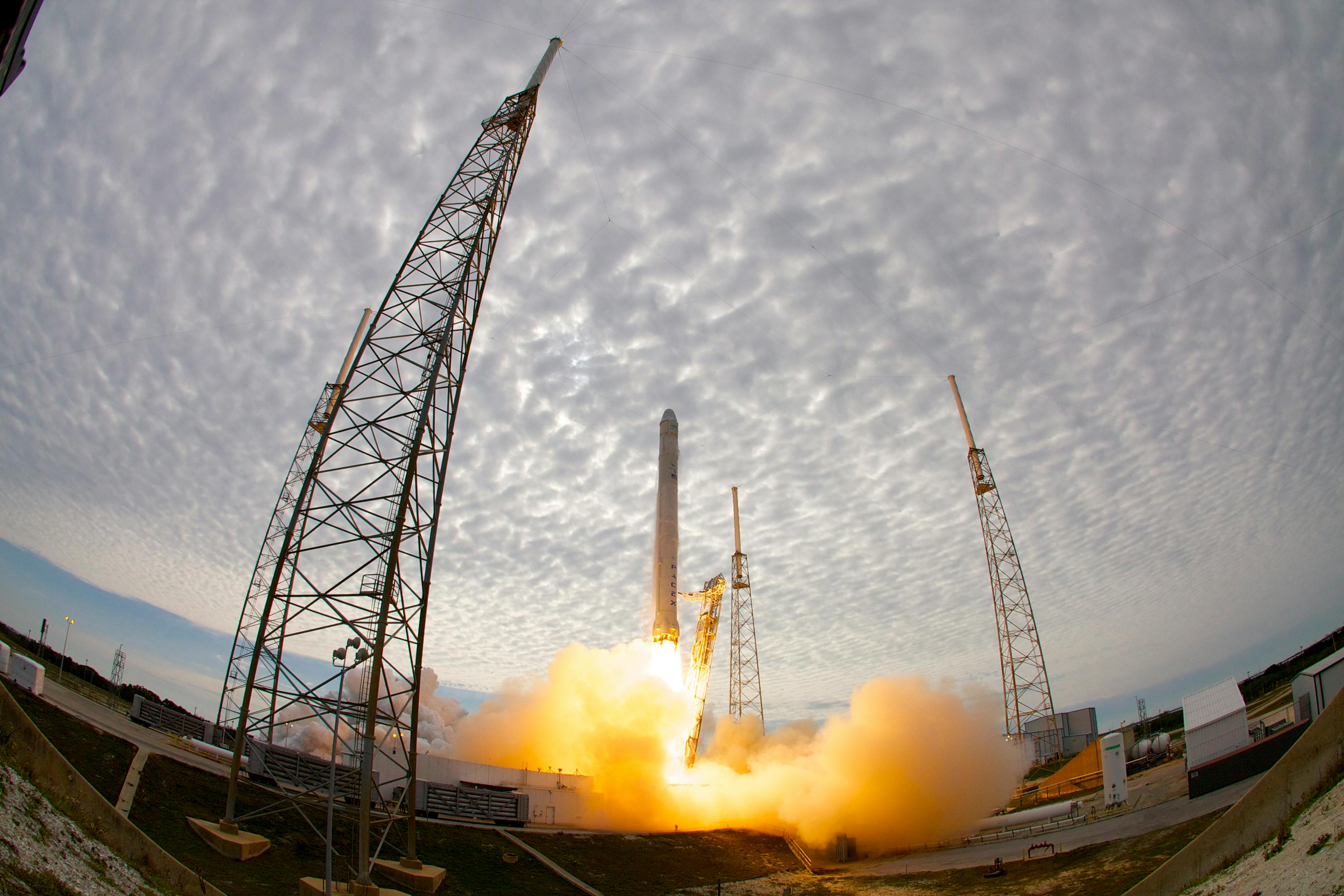
SpaceX celebrates significant milestones with its 100th launch of the year, enhancing Starlink's coverage while preparing for an escalating Starship production cadence.
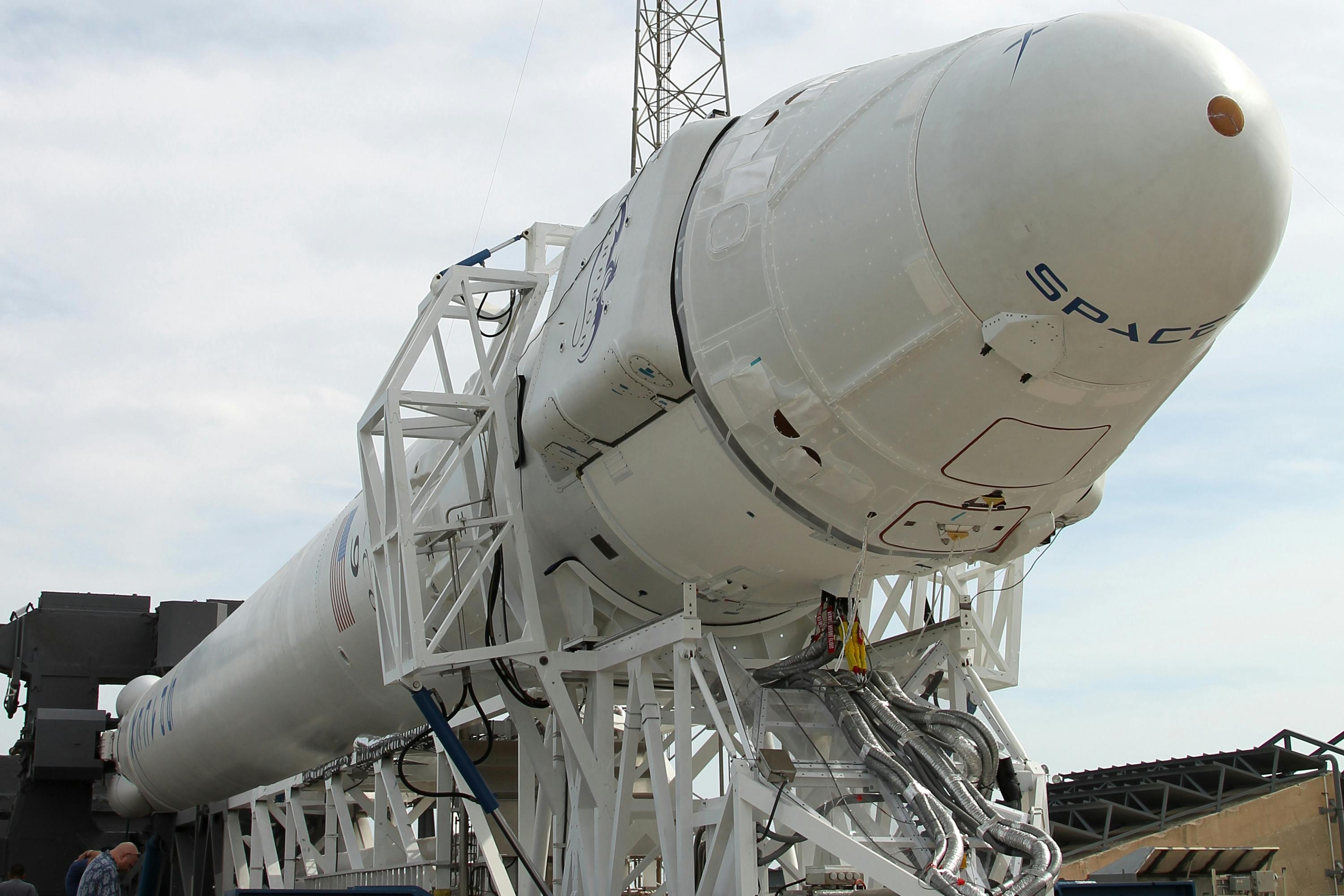
SpaceX successfully launched an Israeli satellite and remains on track for its upcoming Crew-11 mission while continuing to engage in mystery satellite launches.
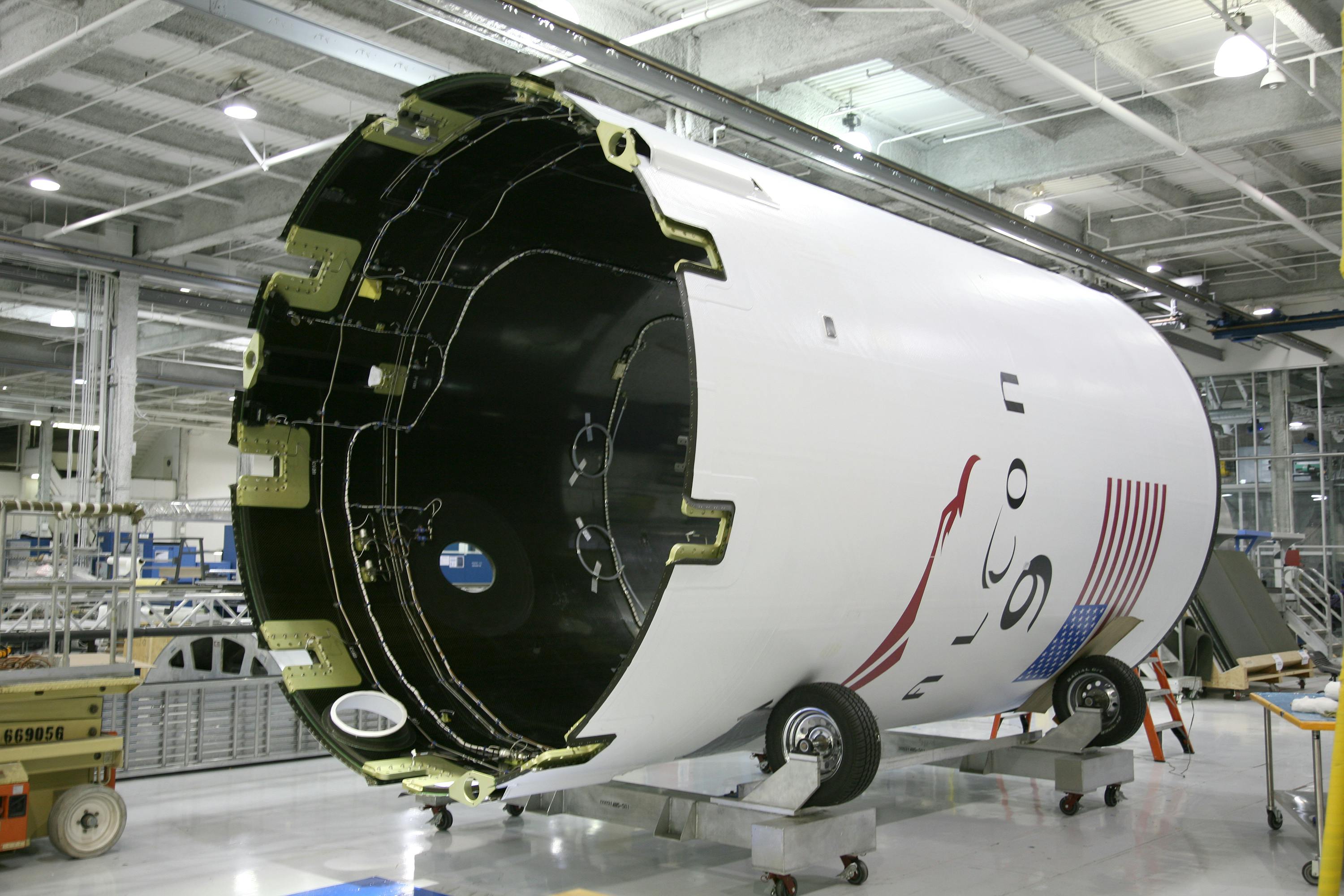
Today's report covers SpaceX's progress on Starship pad realignment and Rocket Lab's delay of its Neutron rocket debut, highlighting key advancements and competitive dynamics in the space industry.
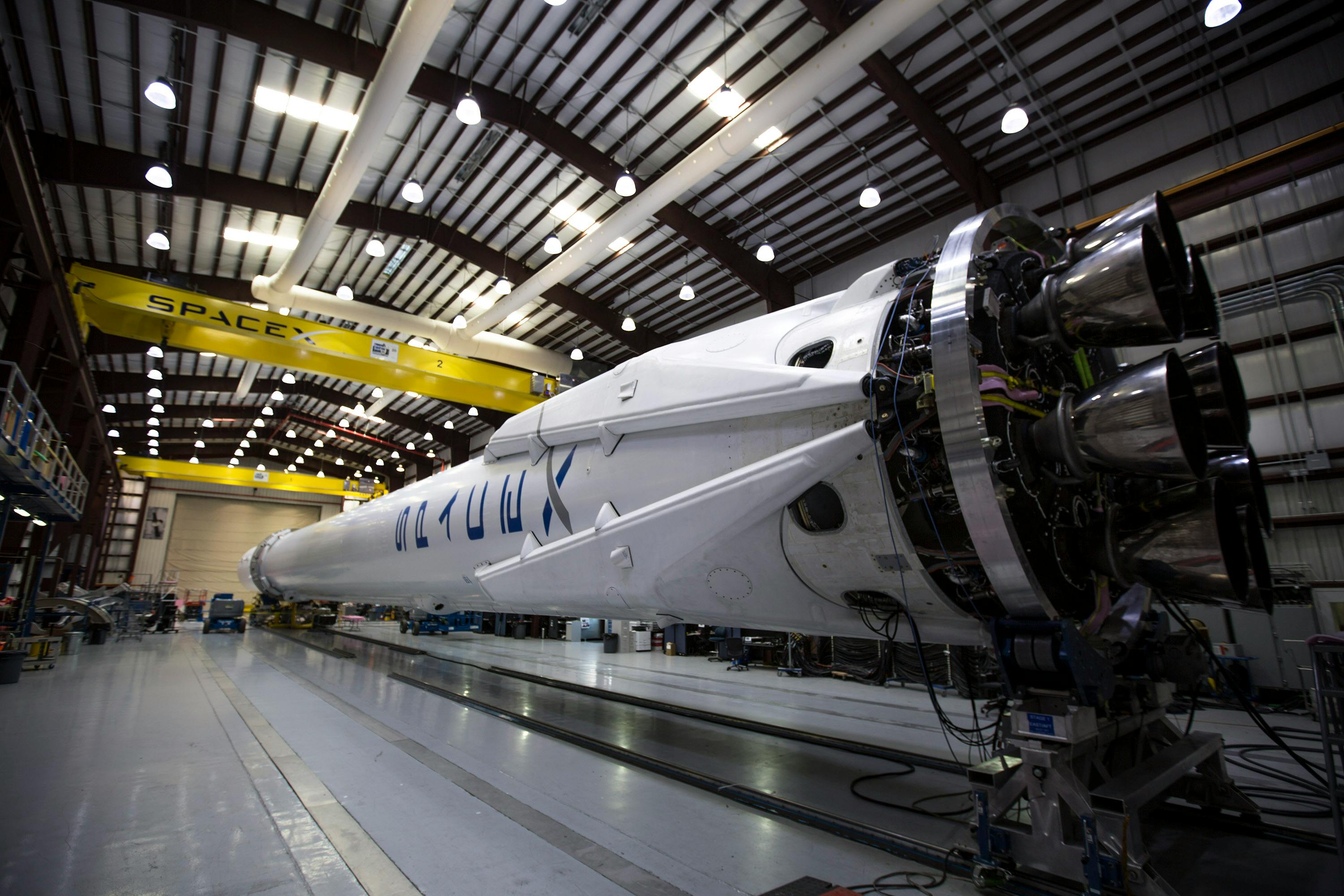
SpaceX made significant strides in satellite deployment with successful launches of 27 and 29 Starlink satellites, marking both a milestone in landings and ongoing expansion of the Starlink constellation.