

Space Brief 27 Sep 2025
Today's brief covers next-generation missile defense strategies, NASA's Dream Chaser contract updates, and technological advances in Air Force cyber defense.


Launch Date
July 21, 1988
Launch Site
FRGUI
Launch Pad
ELA1
Launch Vehicle
Ariane 3
NORAD ID
19332
International Designator
1988-063C
Decay Date
4/30/2003
Name
ARIANE 3 R/B
Alternative Name
Ariane H10 V24
Type
Status
Owner
AE
Country
France
Constellation
N/A
Related Satellites
Major Events
N/A
Length
14
Diameter
2.6
Span
14
Dry Mass
1920
Launch Mass
2100
Shape
Cyl
Radar Cross Section
16.9109
Visual Magnitude
Unknown
Color
Unknown
Material Composition
Unknown
Payload
Ariane H10 S/N T23
Purpose
Unknown
Mission
Unknown
Manufacturer
AELM
Life Expectancy
Unknown
Bus
Ariane H10
Configuration
Unknown
Motor
Unknown
Equipment
Unknown
Power System
Unknown
ADCS
Unknown
Transmitter Frequency
Unknown
Learn more about satellites and other related topics.
Today's brief covers next-generation missile defense strategies, NASA's Dream Chaser contract updates, and technological advances in Air Force cyber defense.

Blue Origin prepares for New Shepard flight, SpaceX completes second launch tower, Supreme Court ruling impacts space debris regulations, and updates on lunar habitats and NASA personnel. Plus, featuring CAPELLA-13 (ACADIA) as our Satellite of the Day.
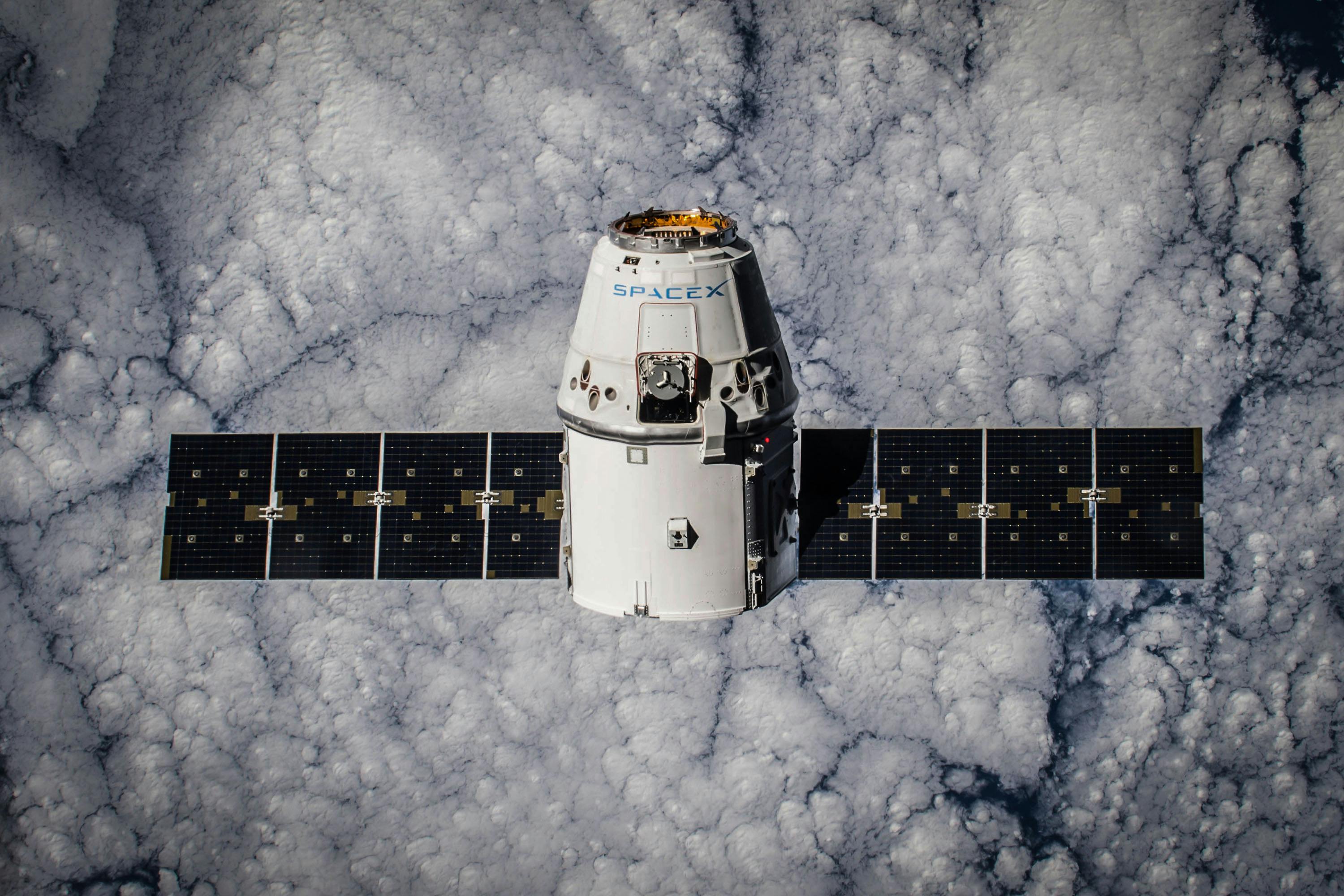
SpaceX makes strides with new GPS and Starlink launches while securing major U.S. government contracts.

Today's highlights include delayed satellite launches, SpaceX's Florida Starship expansion, a historic mission by Europe's Ariane 6, and NASA's twin missions to explore the ends of the Earth and the universe.
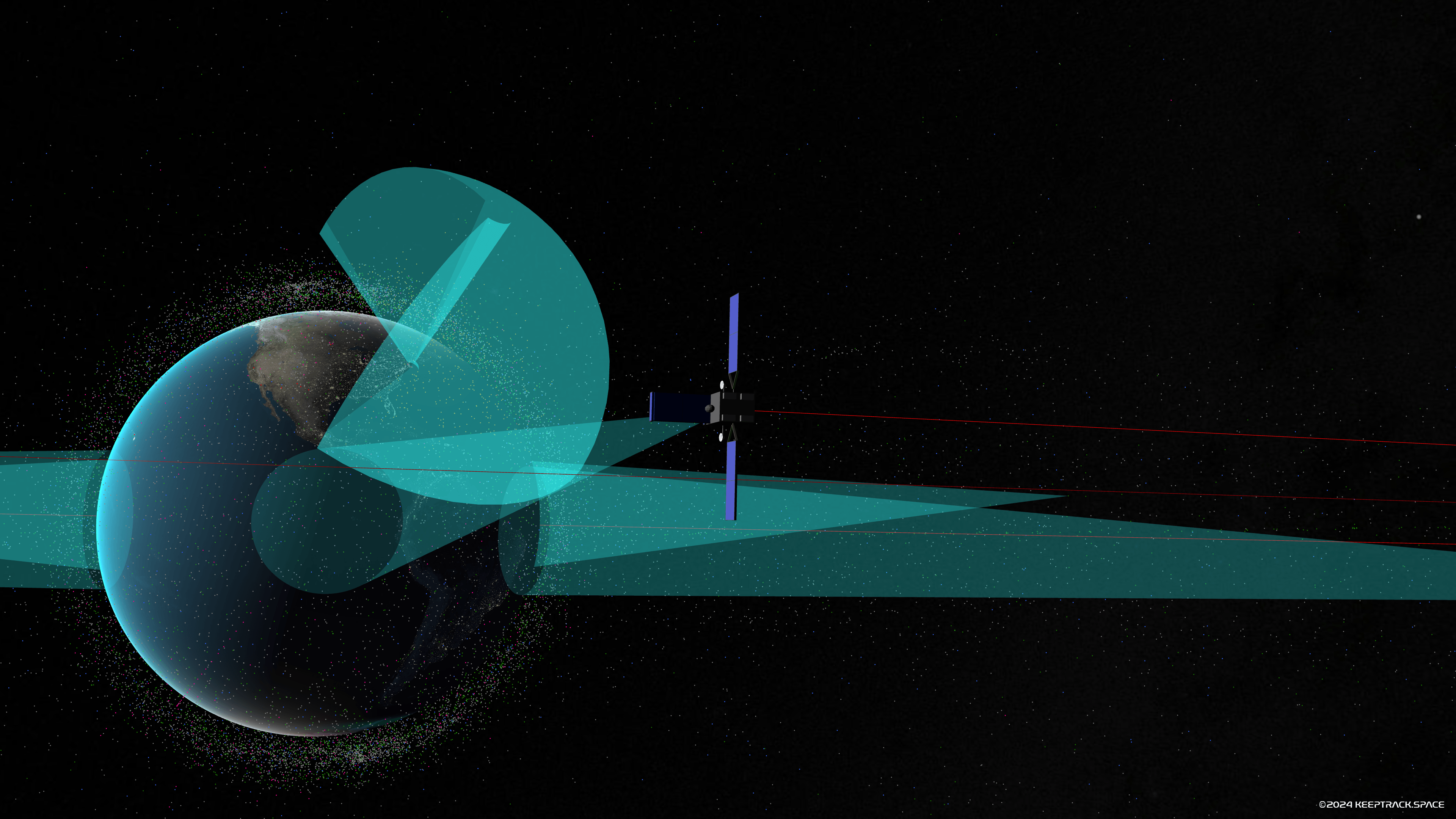
The latest update introduces 3D satellite FOV cones, advanced sensor capabilities, and enhanced timelines, improving the way users interact with satellite data.
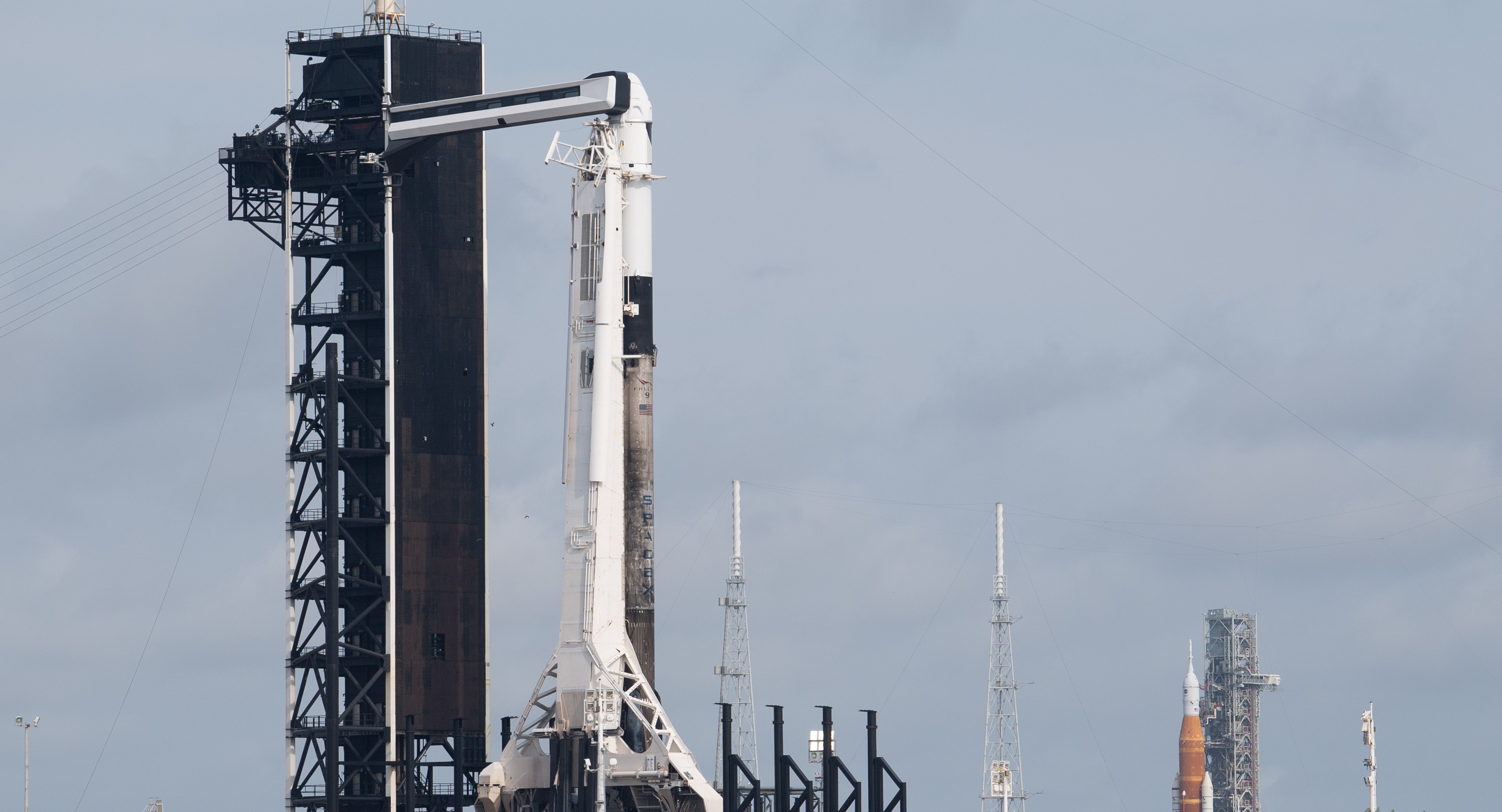
Discover lesser-known aspects of SpaceX's history, achievements, and innovations that have shaped the commercial space industry over the past two decades.

Falcon Heavy flew for the first time in eighteen months on April 29, 2026, expending its center core to push Viasat's final ViaSat-3 satellite toward geostationary orbit. The mission is a flagship rocket doing what only it can still do, for an operator betting six tons of high-throughput hardware on a market Starlink is rapidly redefining.

Understanding the high and low points of every orbit - from the International Space Station's careful dance with Earth's atmosphere to the extreme ellipses that take satellites to the edge of space and back.