


Reentry
What happens when space objects come home: the fiery physics of returning from orbit and why predicting where debris lands is so difficult


Launch Date
July 7, 1988
Launch Site
Launch Pad
LC200/39
Launch Vehicle
Proton-K/D-2
NORAD ID
19281
International Designator
1988-058A
Decay Date
Unknown
Name
PHOBOS 1
Alternative Name
Fobos-1
Type
Status
Owner
IKI/BABTS
Country
USSR
Constellation
N/A
Related Satellites
Major Events
N/A
Length
4
Diameter
3.5
Span
12
Dry Mass
2420
Launch Mass
2420
Shape
Irr + 2 Pan
Radar Cross Section
Unknown
Visual Magnitude
Unknown
Color
Unknown
Material Composition
Unknown
Payload
1F No. 101
Purpose
Mars orbiter, 1 or 2 Phobos lander
Mission
Mars orbiter, 1 or 2 Phobos lander
Manufacturer
NPOL
Life Expectancy
Unknown
Bus
Fobos
Configuration
Unknown
Motor
ADU
Equipment
Unknown
Power System
2 deployable solar arrays, batteries
ADCS
Unknown
Transmitter Frequency
Unknown
Learn more about satellites and other related topics.
What happens when space objects come home: the fiery physics of returning from orbit and why predicting where debris lands is so difficult
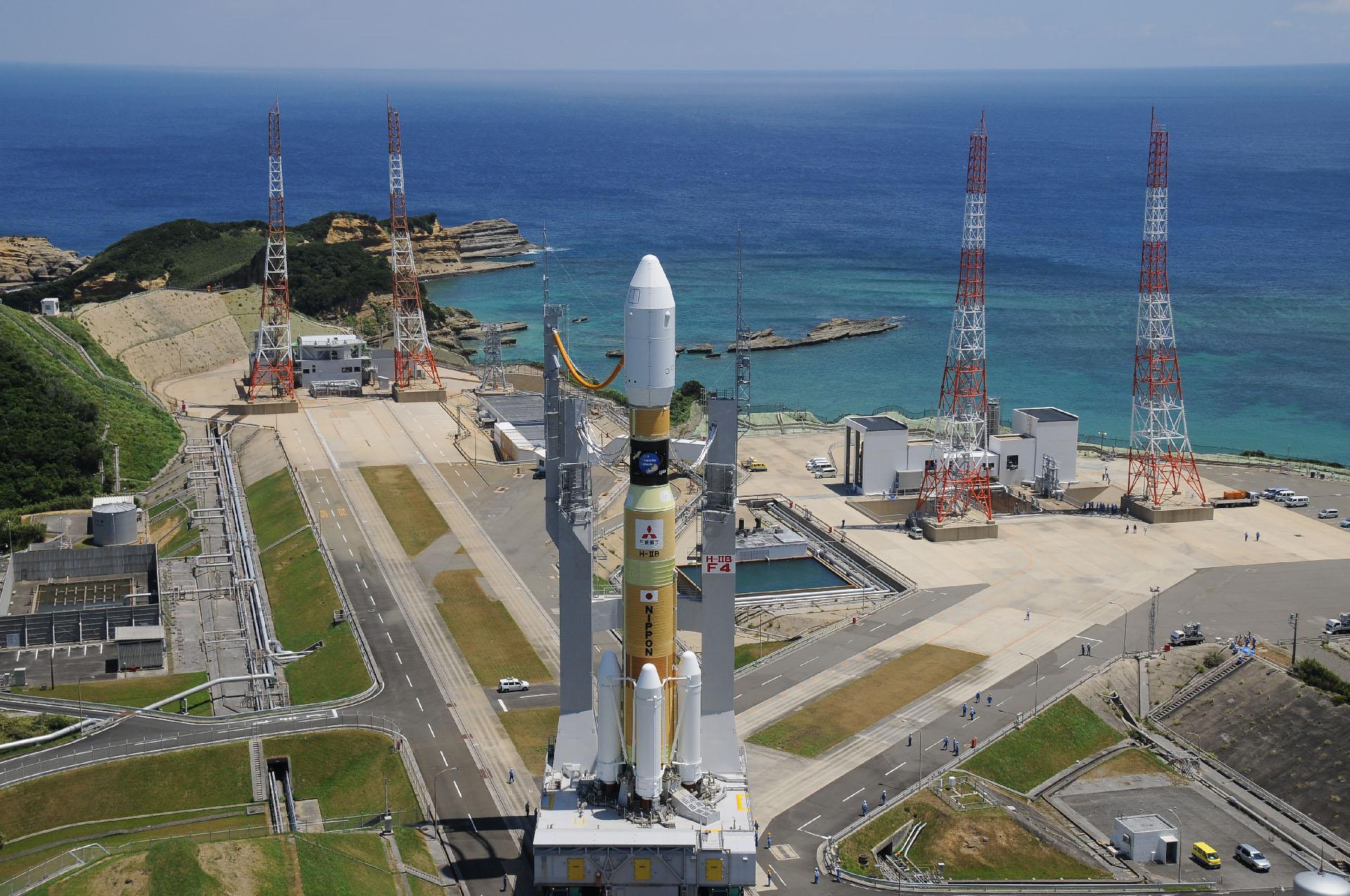
Today's update covers new military space initiatives, impacts of drone threats in Europe, and advancements in secure cloud technology for NATO and Ukraine.
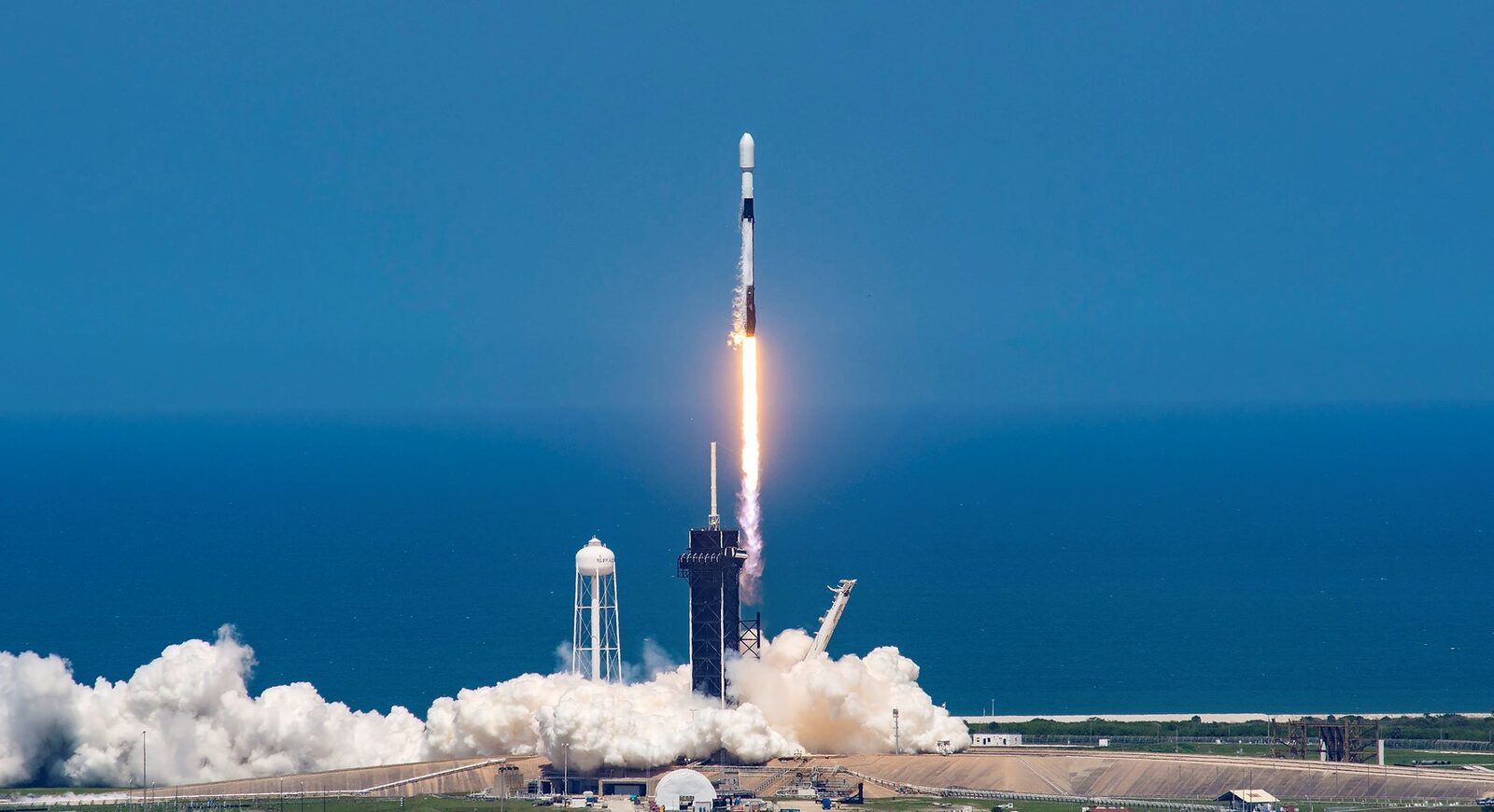
SpaceX completed a full 33-engine static fire on Booster 20, the longest duration test to date. The milestone clears a major hurdle before the next Starship flight attempt.

SpaceX bids farewell to LZ-1 while continuing its mission towards advancements in satellite technology and the ongoing Starlink project.

Northrop Grumman's GEM 63XL solid rocket booster passed static fire testing, but ULA's investigation into a February 2026 Vulcan in-flight anomaly remains open. No RTF date set.

SpaceX conducted significant test firings and further expanded its satellite fleet, while the EU scrutinizes Starlink's market impact amid ongoing space industry negotiations.

Sentinel-2C sealed in Vega rocket fairing, ULA sale tidbit, Polaris Dawn mission updates, Norway's Andøya Spaceport ready for action, Harris commits to space leadership, NASA's latest smallsat launch partners, new members join NASA composite initiative, Mynaric's manufacturing hiccups, Rocket Factory Augsburg's turbopump snag, and Amazon boosts satellite deployment infrastructure.
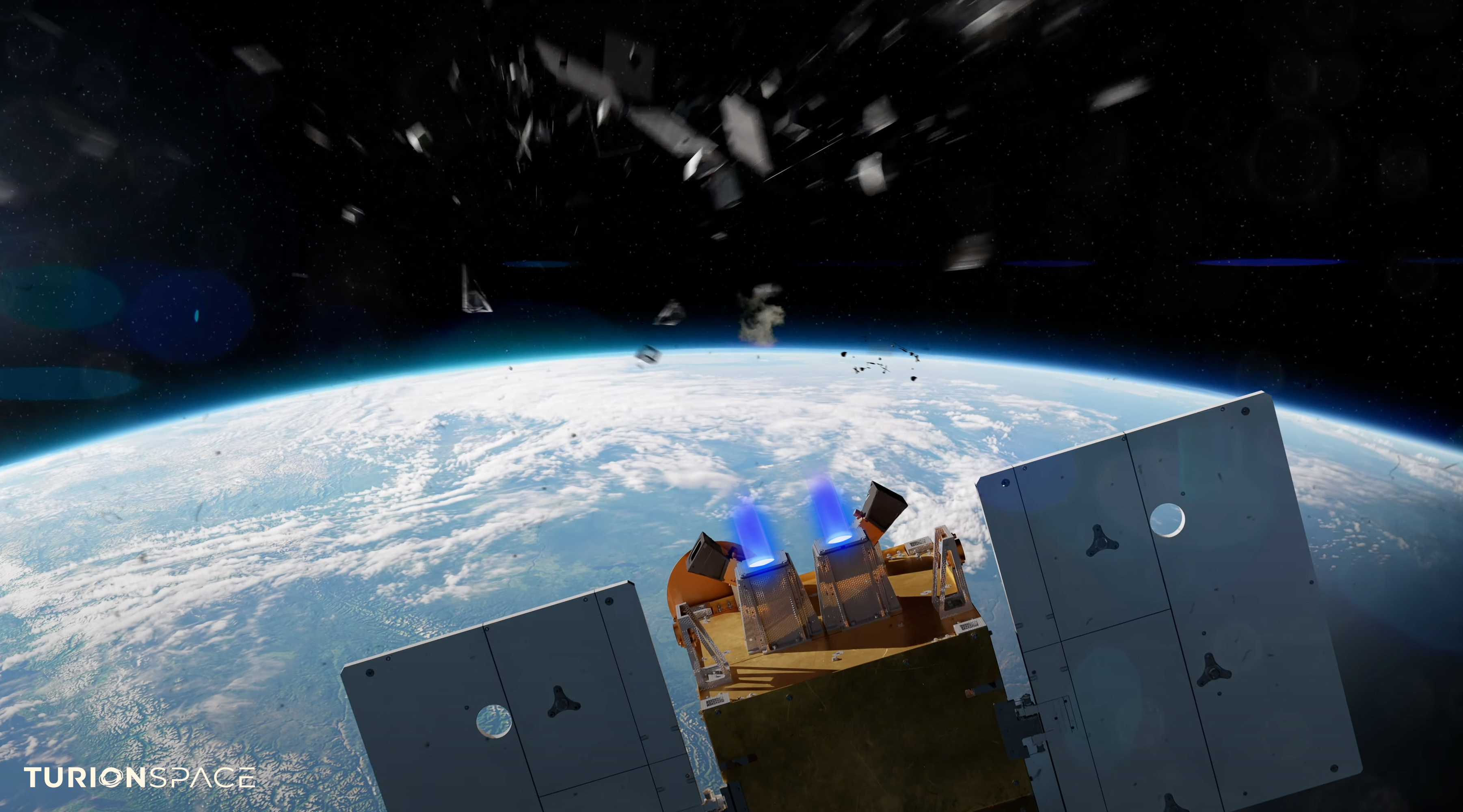
A 90-kilogram spacecraft with iodine thrusters and two Australian-built cameras is quietly building the case that tracking space debris is a business worth billions - and that a four-year-old startup from Irvine can own it.