SCOUT G-1 DEB (19252)

COSPAR: 1988-052C | Alt Name: Nova-2 despin weight
DECAYED

Image
SCOUT G-1 DEB Satellite Image
Additional Sources
Launch Details

Launch Date

June 16, 1988

Launch Site

AFWTR

Launch Pad

SLC5

Launch Vehicle

Scout G-1

Orbital Elements

NORAD ID

19252

International Designator

1988-052C

Decay Date

6/18/1988

Basic Satellite Info

Name

SCOUT G-1 DEB

Alternative Name

Nova-2 despin weight

Type

Debris

Status

Space Junk

Owner

NAVAIR

Country

United States

Constellation

N/A

Related Satellites

Major Events

N/A

Summary
Space debris, also known as space junk, encompasses all non-functional objects orbiting Earth such as defunct satellites, spent rocket stages, and fragments from collisions or disintegrations. Over time, this debris can accumulate and create an increasingly hazardous environment in orbit. Even tiny fragments, traveling at extremely high velocities, can inflict significant damage on operational satellites and spacecraft. If left unmanaged, the density of debris raises the risk of catastrophic collisions and further fragmentation, compounding the problem and threatening the safety and sustainability of space activities.
Physical Characteristics

Length

0

Diameter

0

Span

0

Dry Mass

0

Launch Mass

0

Shape

N/A

Radar Cross Section

Unknown

Visual Magnitude

Unknown

Color

Unknown

Material Composition

Unknown

Technical Details

Payload

Unknown

Purpose

Unknown

Mission

Unknown

Manufacturer

Unknown

Life Expectancy

Unknown

Bus

Unknown

Configuration

Unknown

Motor

Unknown

Equipment

Unknown

Power System

Unknown

ADCS

Unknown

Transmitter Frequency

Unknown

Satellite Articles

View All Posts »

Learn more about satellites and other related topics.

X Report 5 Oct 2025

X Report 5 Oct 2025

SpaceX secures major contracts for U.S. national security launches, including multiple Falcon Heavy missions. Significant updates on Starlink deployments and the ongoing evolution of the company highlight a productive day in the space sector.

The Rocket That Refused to Sink

The Rocket That Refused to Sink

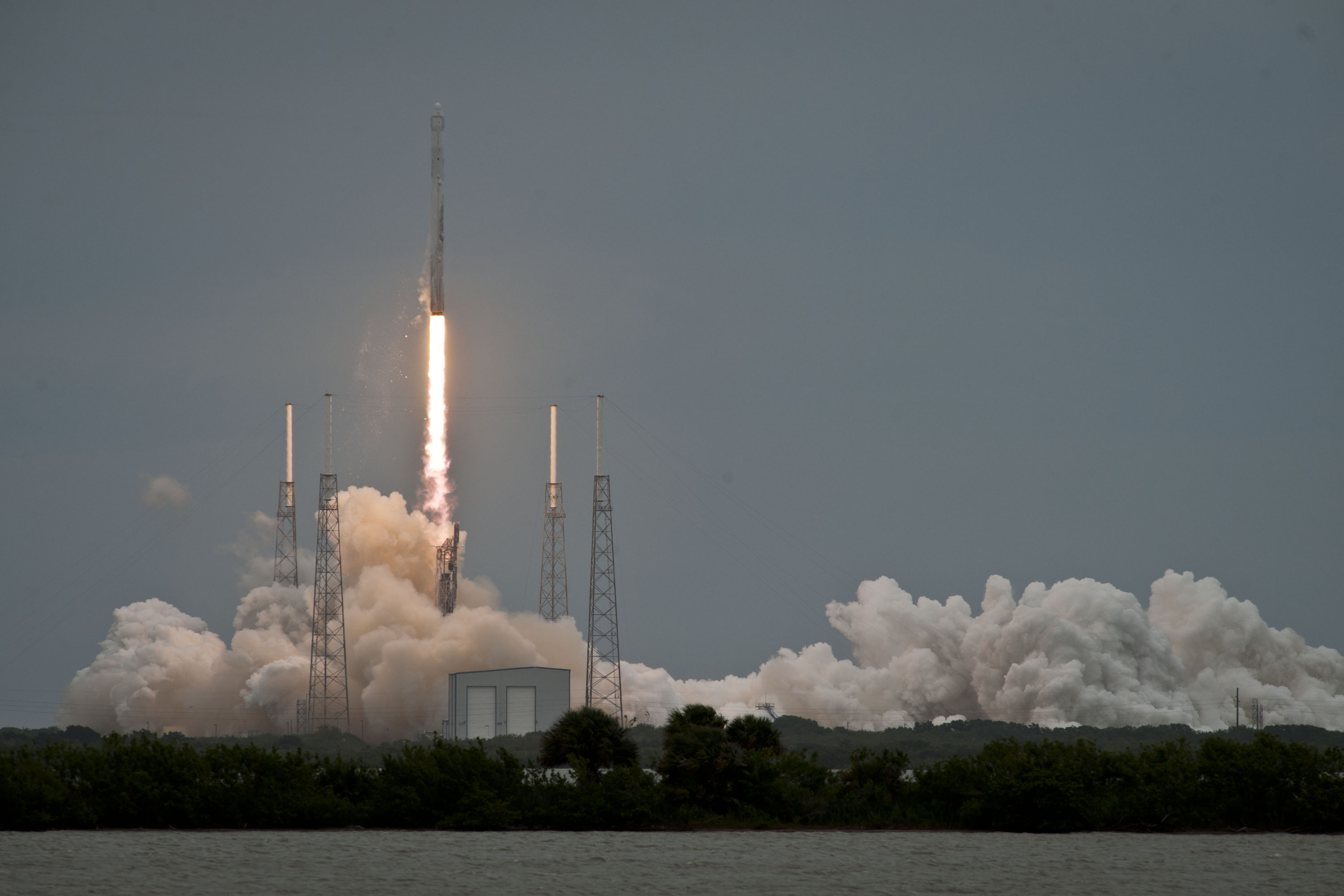
On April 18, 2014, a Falcon 9 first stage did something no orbital rocket had ever done before. It fired its engines on the way down, steered itself through the atmosphere using grid fins that did not yet exist, and touched the Atlantic Ocean softly enough to survive the impact. Nobody recovered it. The data was the whole point.

Space Brief 3 Sep 2025

Space Brief 3 Sep 2025

Today's Space Brief delves into NASA's lunar nuclear power initiative, a strategic Army data integration project, and a rare SpaceX Falcon booster launch. Also covered are significant advancements in military satellite technology and Navy unmanned surface vehicles.

X Report 20 Mar 2025

X Report 20 Mar 2025

SpaceX successfully rotates Crew-9 and Crew-10 on the ISS and launches new Starlink satellites with direct-to-cell capability.

Starlink Installed on Presidential Air Force One | KeepTrack X Report

Starlink Installed on Presidential Air Force One | KeepTrack X Report

SpaceX Starlink connectivity equips Trump's $400M interim Air Force One as Falcon 9 prepares to orbit 24 more satellites on mission 17-28.

X Report 19 Apr 2025

X Report 19 Apr 2025

SpaceX faces regulatory review for Bahamian rocket landings, positions itself for a major government contract, and a new Star Wars Lego set adds to the fun!

Ku-Band

Ku-Band

The frequency band that brought satellite TV to small dishes on rooftops and revolutionized direct-to-home broadcasting

White House Orders Space Nuclear Power by 2028 | KeepTrack Space Brief

White House Orders Space Nuclear Power by 2028 | KeepTrack Space Brief

White House directs NASA and Pentagon to field space nuclear power systems by 2028, with DoD demonstration required by 2031. Game-changer for military satellite power budgets.