

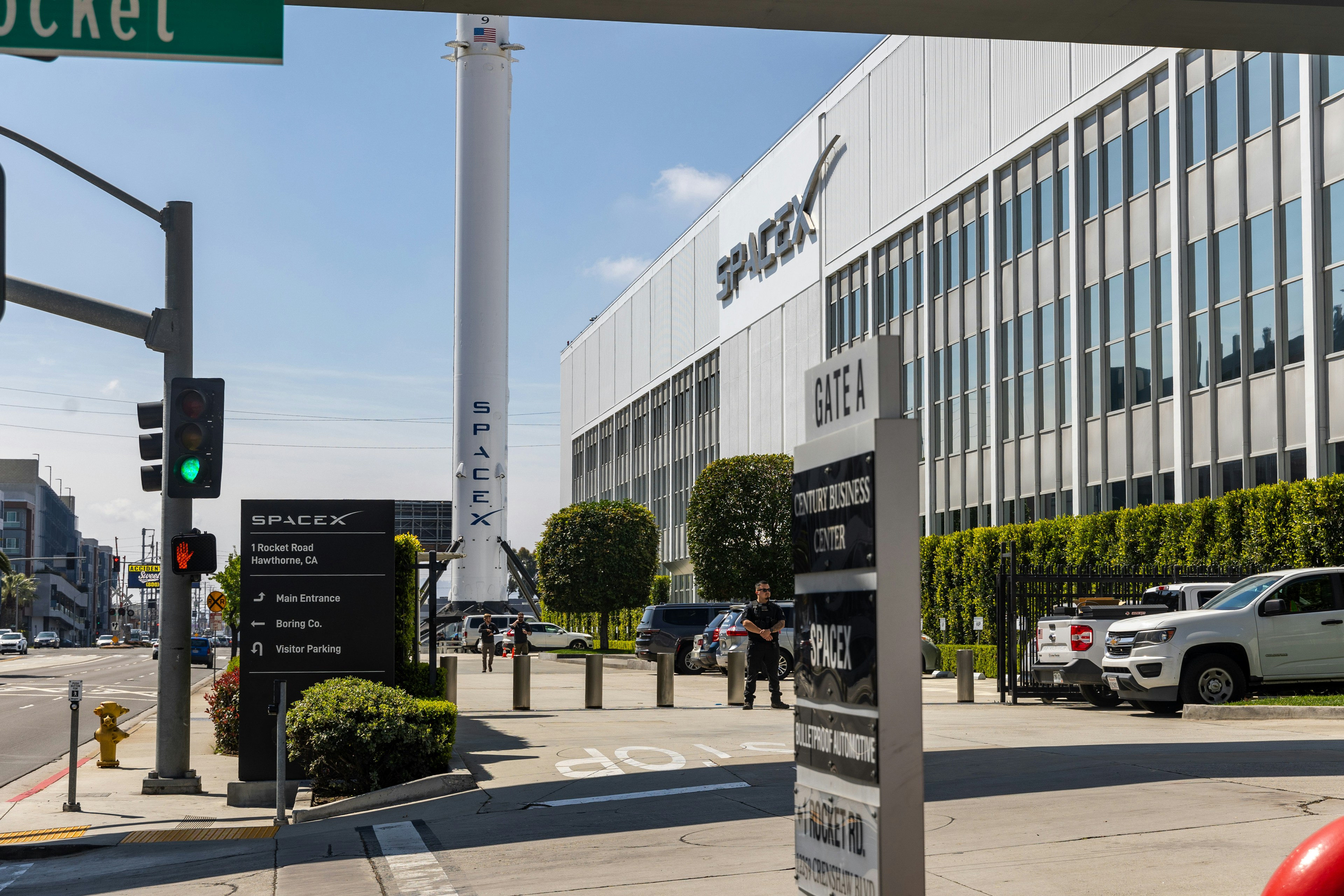
X Report 19 Nov 2024
Starship Flight 6 approaches with a daring booster catch, while SpaceX ramps up satellite launches and navigates regulatory challenges.


Launch Date
December 21, 1987
Launch Site
Launch Pad
LC1
Launch Vehicle
Soyuz-U2
NORAD ID
19225
International Designator
1987-104C
Decay Date
11/5/1988
Name
SOYUZ-TM 4 ORBIT MODULE
Alternative Name
Soyuz TM-4 BO
Type
Status
Owner
NPOE
Country
USSR
Constellation
N/A
Related Satellites
Major Events
N/A
Length
6.5
Diameter
2.4
Span
6.5
Dry Mass
1280
Launch Mass
1280
Shape
Sphere + DCone
Radar Cross Section
9.4856
Visual Magnitude
Unknown
Color
Unknown
Material Composition
Unknown
Payload
Bitovoy otsek
Purpose
Unknown
Mission
Unknown
Manufacturer
NPOE
Life Expectancy
Unknown
Bus
Soyuz BO
Configuration
Unknown
Motor
Unknown
Equipment
Unknown
Power System
Unknown
ADCS
Unknown
Transmitter Frequency
Unknown
Learn more about satellites and other related topics.
Starship Flight 6 approaches with a daring booster catch, while SpaceX ramps up satellite launches and navigates regulatory challenges.
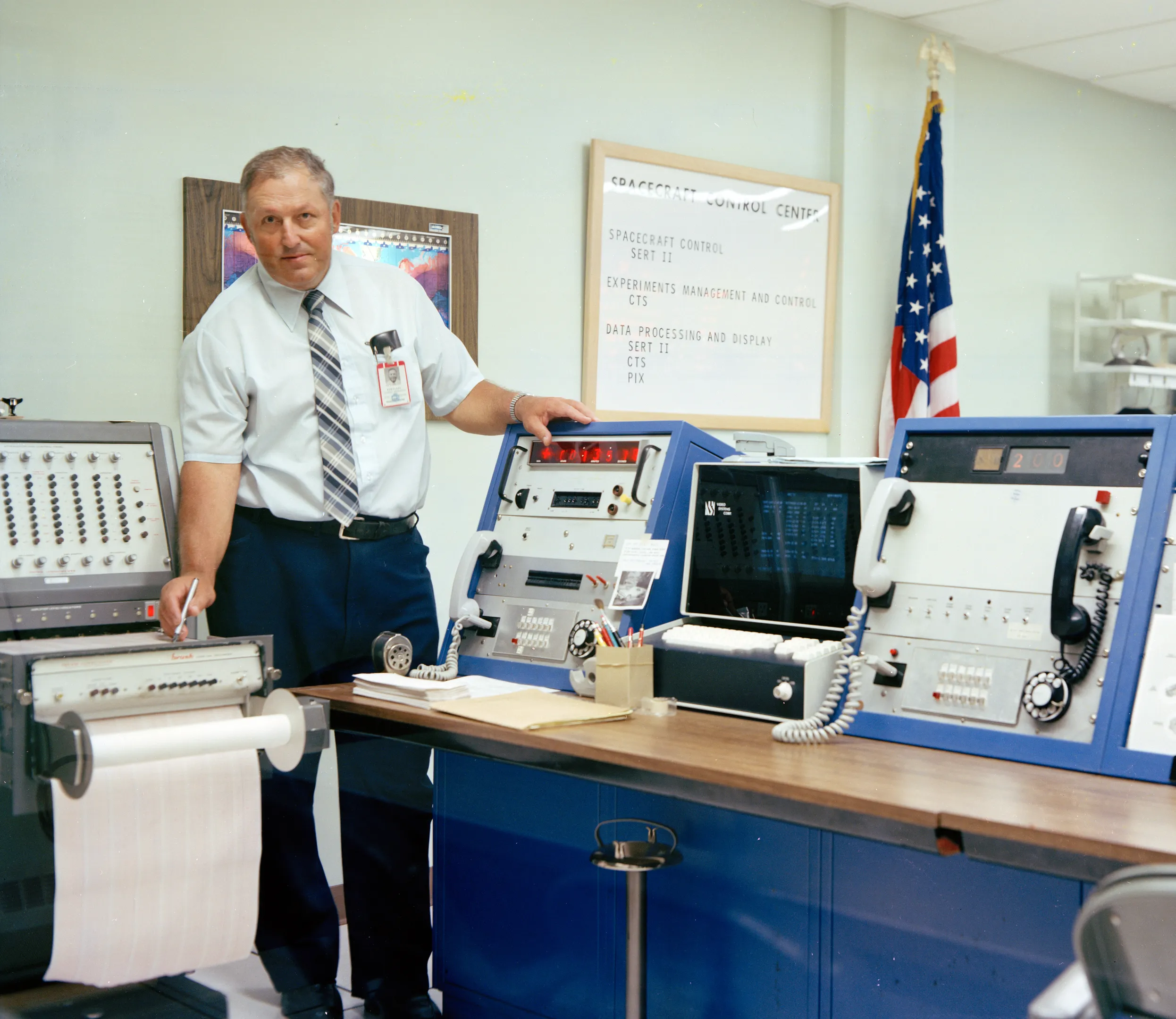
Fifty-five years ago, a revolutionary spacecraft launched from California carrying technology that would transform how we explore the solar system

Pentagon puts LEO constellation layers on hold during acquisition review. SpaceX and xAI join $100M autonomous drone contest. China's Zenk Space completes first stage static fire.

In 2024, China launched 68 orbital missions. In 2025, the number jumped to 97. In 2026, state media and Western analysts agree the target is 140 or more. Most of that growth is being driven by two state-backed mega-constellations, a half-dozen private launch companies hitting stride, and a deliberate national pivot toward commercial space. Beijing is no longer trying to catch SpaceX. It is trying to build an industrial base that outlasts one.
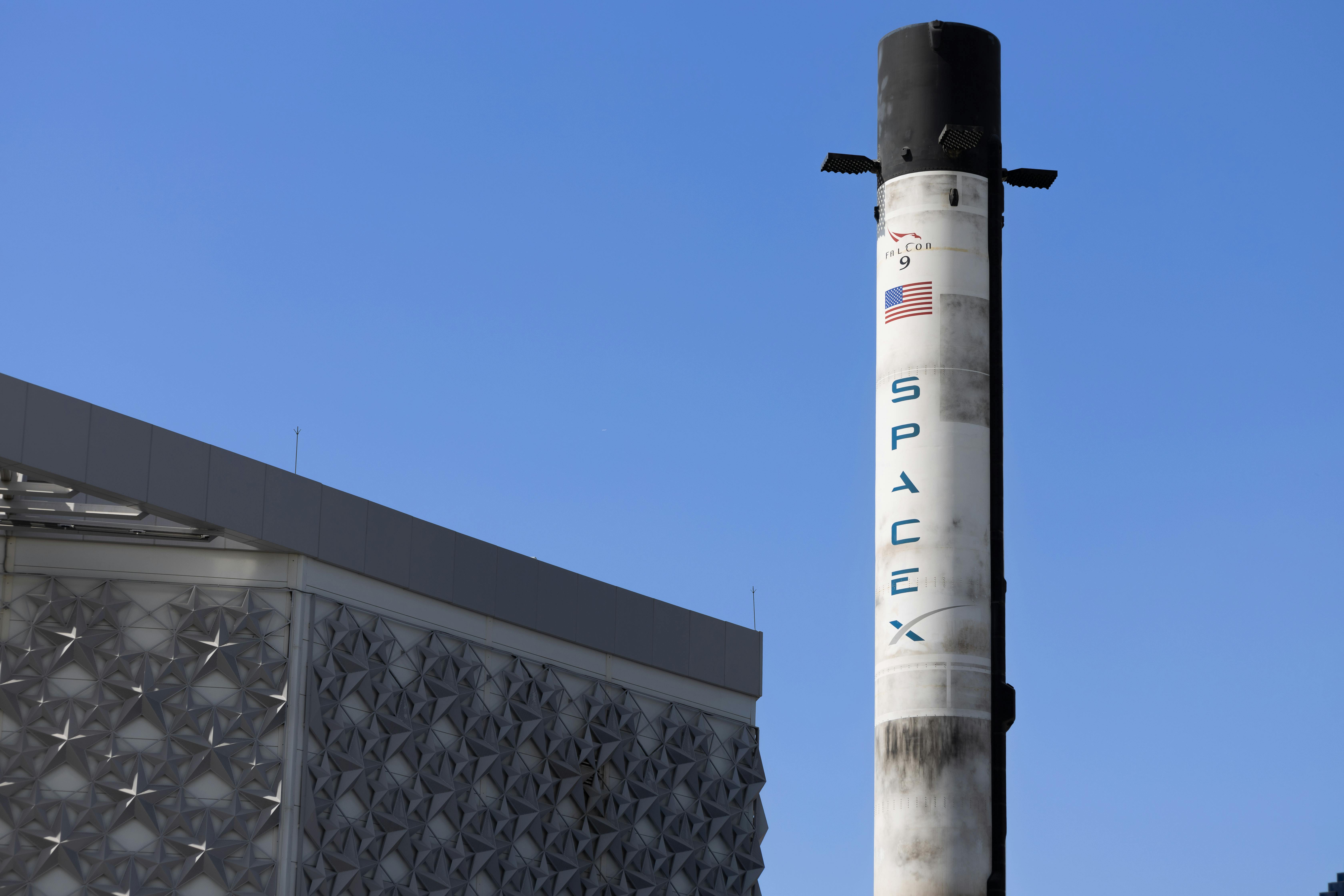
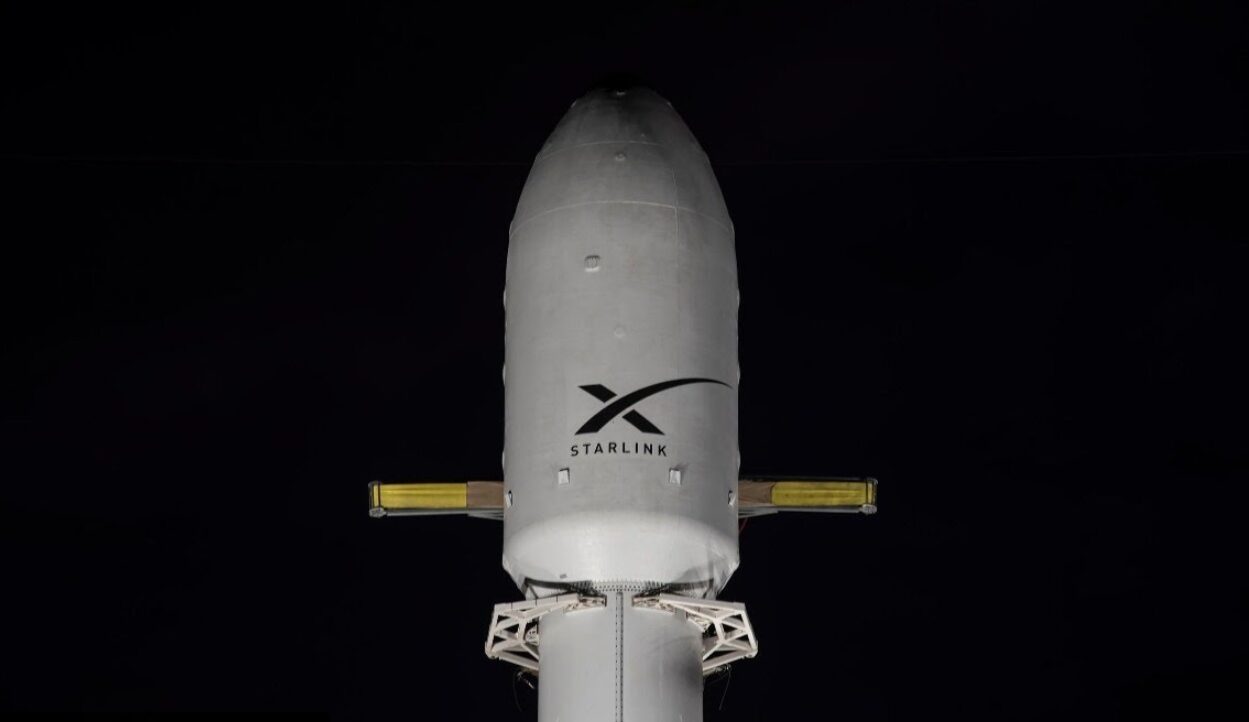
SpaceX targets its 600th Falcon 9 booster landing on Starlink 17-22, lofting 25 satellites from Vandenberg. Plus a 2028 SpaceX ride for ESA's Mars rover.

SpaceX secures major contracts for U.S. national security launches, including multiple Falcon Heavy missions. Significant updates on Starlink deployments and the ongoing evolution of the company highlight a productive day in the space sector.
FCC clears Reflect Orbital's first satellite to bounce sunlight into nighttime zones, despite pushback from astronomers concerned about orbital streaking and wildlife impacts.
Today's highlights include Firefly's acquisition of SciTec, DARPA's vision for a moon economy, and ESA's new deep space antenna in Australia. Stay updated on the latest in space intelligence and defense technology transformations, plus noteworthy rogue planet phenomena.