


Space Force Requests $1.6B for New LEO Relay Network | KeepTrack Space Brief
Space Force scraps SDA transport layer, requests $1.6 billion for proliferated LEO SATCOM constellation. Roger Mason nominated to lead NRO.


Launch Date
June 15, 1988
Launch Site
FRGUI
Launch Pad
ELA2
Launch Vehicle
Ariane 44LP
NORAD ID
19215
International Designator
1988-051A
Epoch
Sat, 04 Jul 2026 03:37:08 GMT
Apogee
Calculating...
Perigee
Calculating...
Inclination
14.34°
Right Ascension
341.83°
Eccentricity
Calculating...
Argument of Perigee
339.86°
Period
1485.32 min
Mean Motion
0.97 rev/day
Latitude
Calculating...
Longitude
Calculating...
Altitude
Calculating...
Velocity
Calculating...
Name
METEOSAT-P2
Alternative Name
Meteosat 3
Type
Status
Owner
EUMET
Country
EUMETSAT
Constellation
N/A
Related Satellites
Major Events
N/A
1 19215U 88051A 26185.15079039 -.00000147 00000-0 00000-0 0 9999
2 19215 14.3383 341.8307 0002479 339.8575 13.9831 0.96948614123569
Source: Celestrak
Length
3.2
Diameter
2.1
Span
3.2
Dry Mass
282
Launch Mass
322
Shape
Cyl
Radar Cross Section
4.1327
Visual Magnitude
Unknown
Color
Unknown
Material Composition
Unknown
Payload
Meteosat P2
Purpose
Meteorology
Mission
Meteorology
Manufacturer
AESPC
Life Expectancy
Unknown
Bus
Meteosat
Configuration
Unknown
Motor
Mage 1
Equipment
?
Power System
Solar cells (body mounted), batteries
ADCS
Unknown
Transmitter Frequency
Unknown
Learn more about satellites and other related topics.
Space Force scraps SDA transport layer, requests $1.6 billion for proliferated LEO SATCOM constellation. Roger Mason nominated to lead NRO.
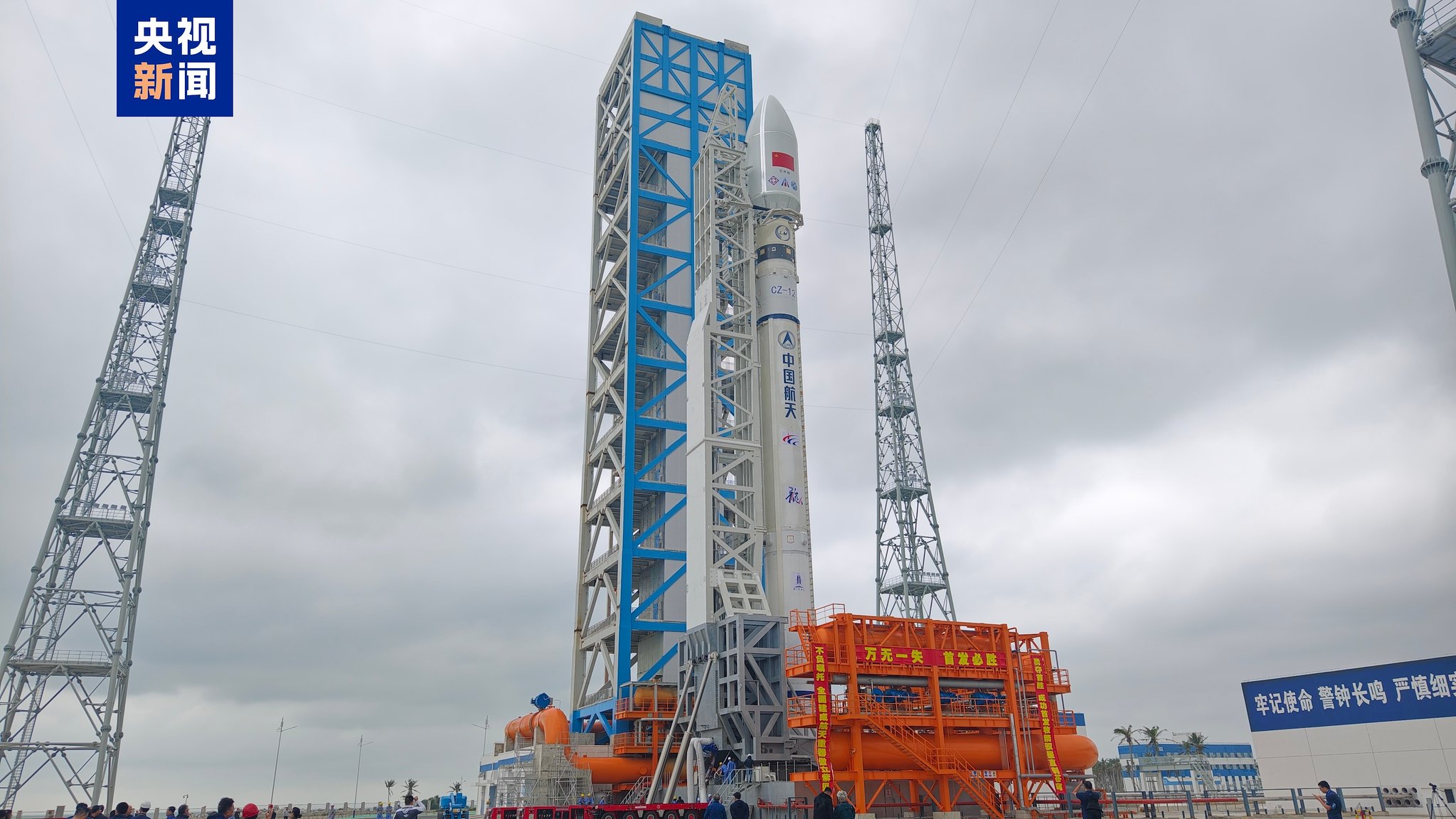
Today's brief covers SpaceX's Starship launch approval, Antares' nuclear funding, and shifts in global space defense strategies.
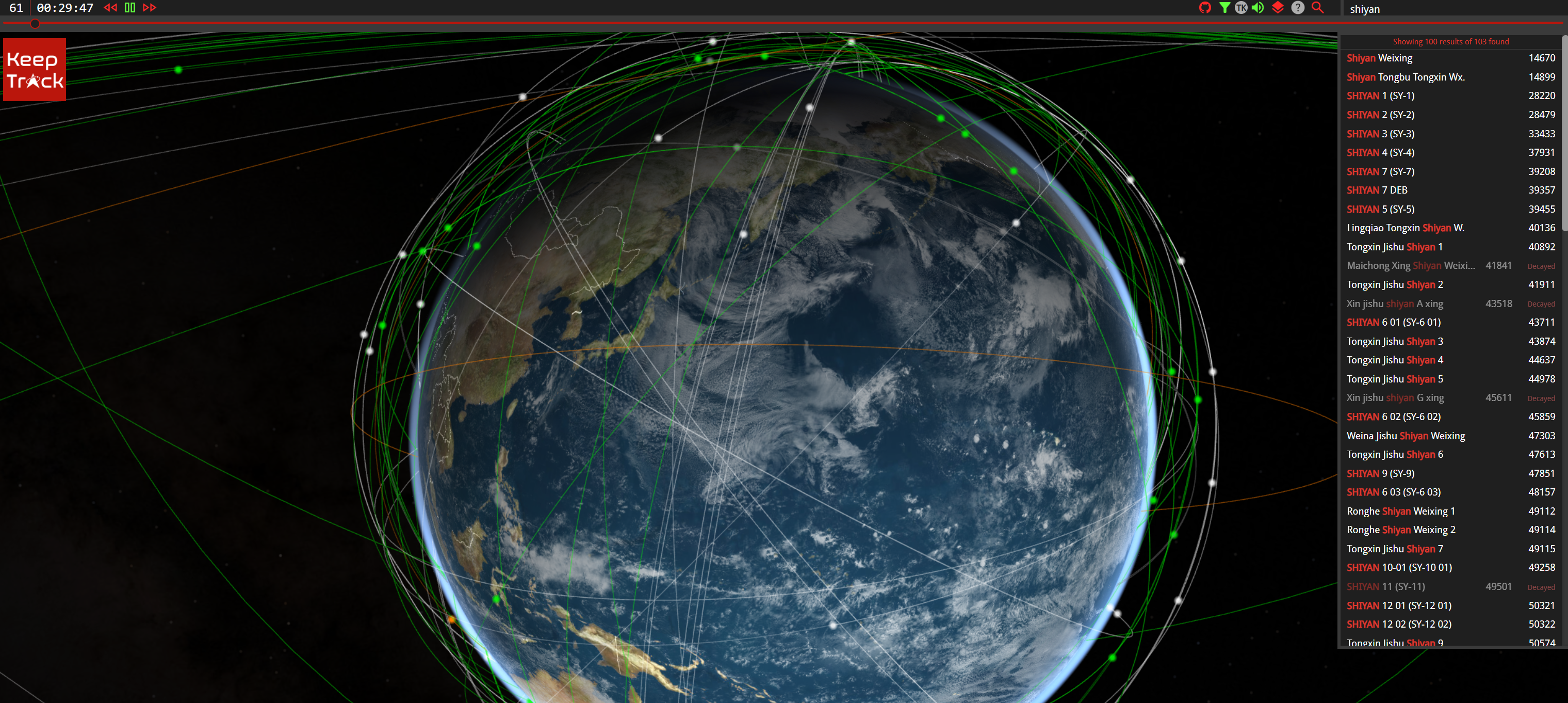
The master ledger of everything orbiting Earth: how tens of thousands of satellites, rocket bodies, and debris fragments are tracked and numbered

SpaceX continues to dominate with two Starlink launches in one day, the unveiling of its final Crew Dragon, and facing legal challenges from Mexico regarding a recent Starship incident.
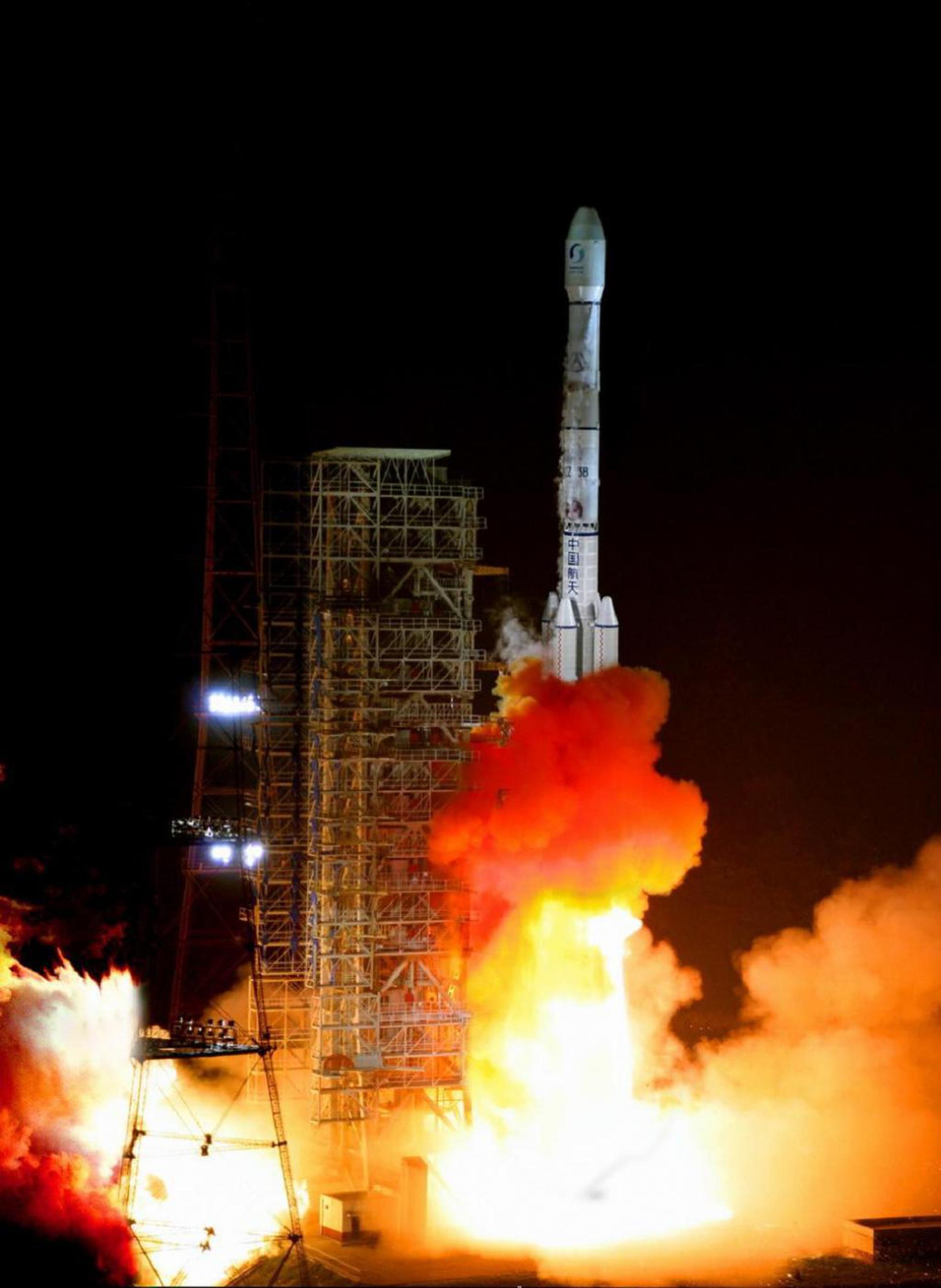
Today's space brief covers new ultraviolet data from the Europa Clipper, challenges in managing space debris, quantum advances in satellite technology, as well as a failed Indian satellite launch and more.
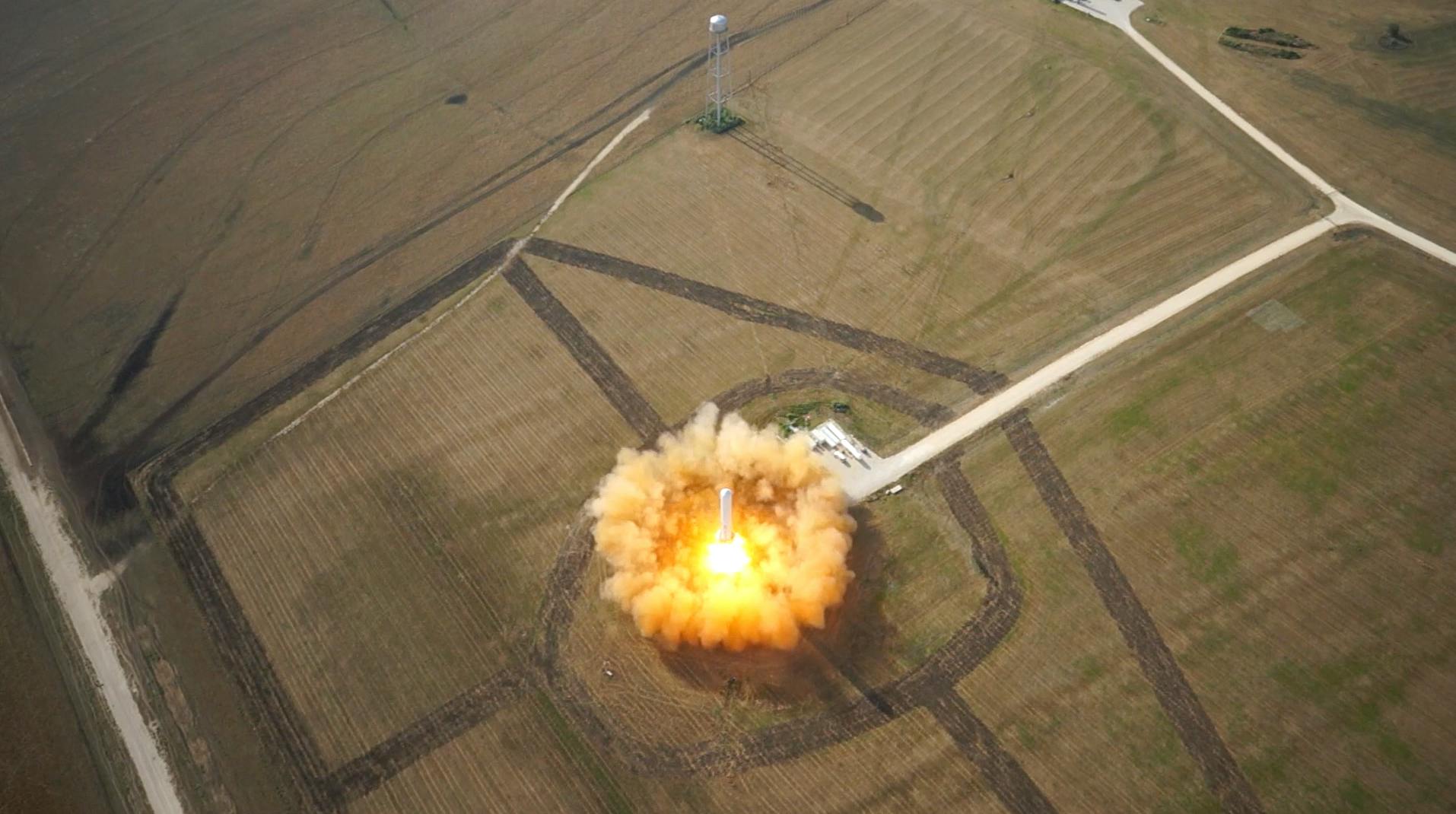
A partial breakup incident involving a Starlink satellite raised concerns, while SpaceX continued its ambitious projects and launches.

As humanity increasingly relies on satellites, the escalating space junk problem poses a dire threat to our space-based infrastructure. With debris counts reaching alarming levels, urgent action is needed to prevent a cascade of collisions that could make key orbits unusable.

A second Starlink satellite has generated on-orbit debris in just over 3 months, threatening SpaceX's 10,151-satellite working constellation.