


X Report 16 Apr 2025
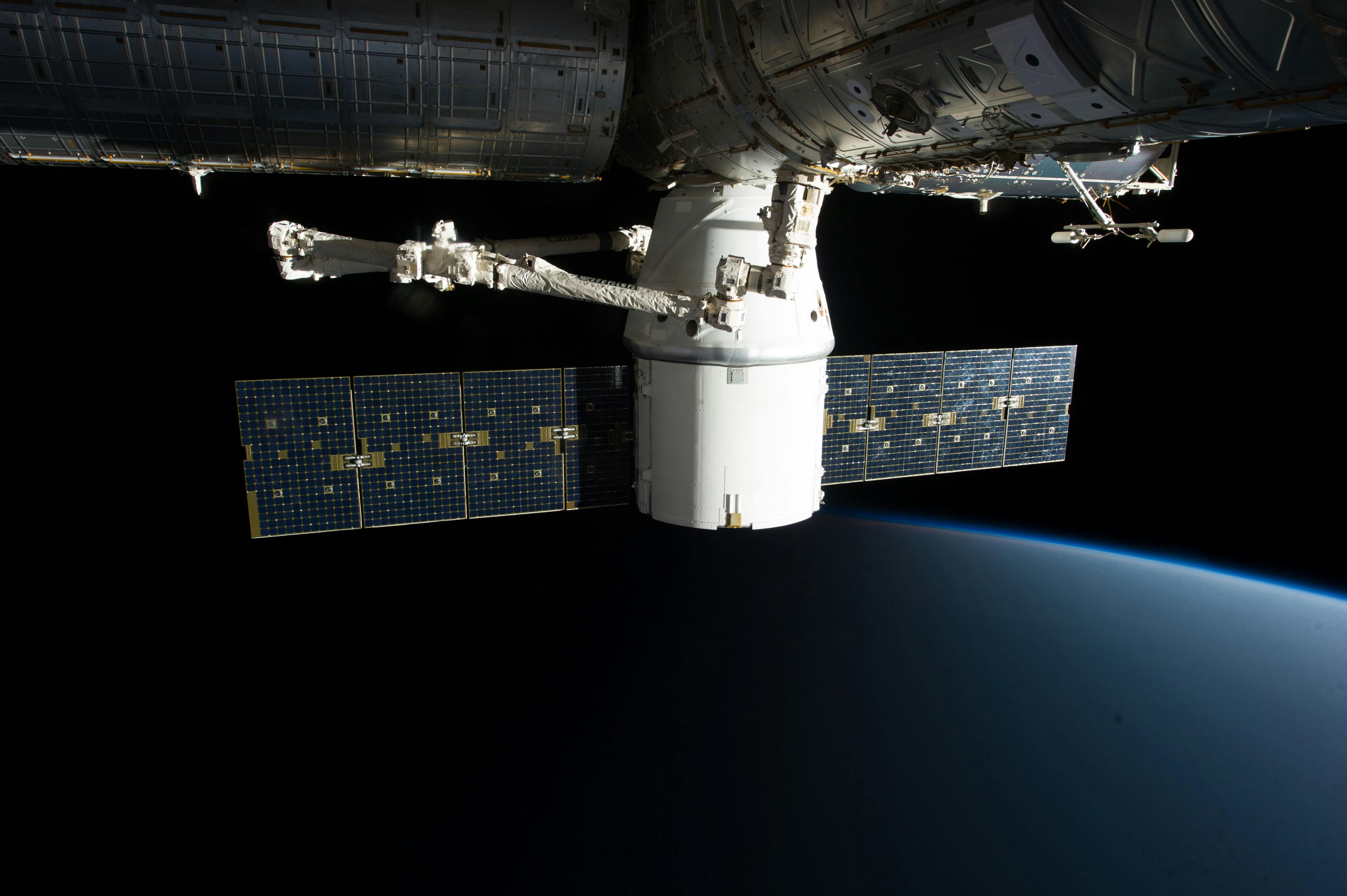
SpaceX gears up for another busy week with a Falcon 9 launch to the ISS while Vast Space expands its Haven-1 payload roster.


Launch Date
October 21, 1961
Launch Site
Vandenberg Air Force Base
Launch Pad
SLC-3E
Launch Vehicle
Atlas-LV3 Agena-B
NORAD ID
00192
International Designator
1961-028A
Epoch
Sat, 04 Jul 2026 01:59:29 GMT
Apogee
Calculating...
Perigee
Calculating...
Inclination
95.84°
Right Ascension
227.17°
Eccentricity
Calculating...
Argument of Perigee
311.37°
Period
165.94 min
Mean Motion
8.68 rev/day
Latitude
Calculating...
Longitude
Calculating...
Altitude
Calculating...
Velocity
Calculating...
Name
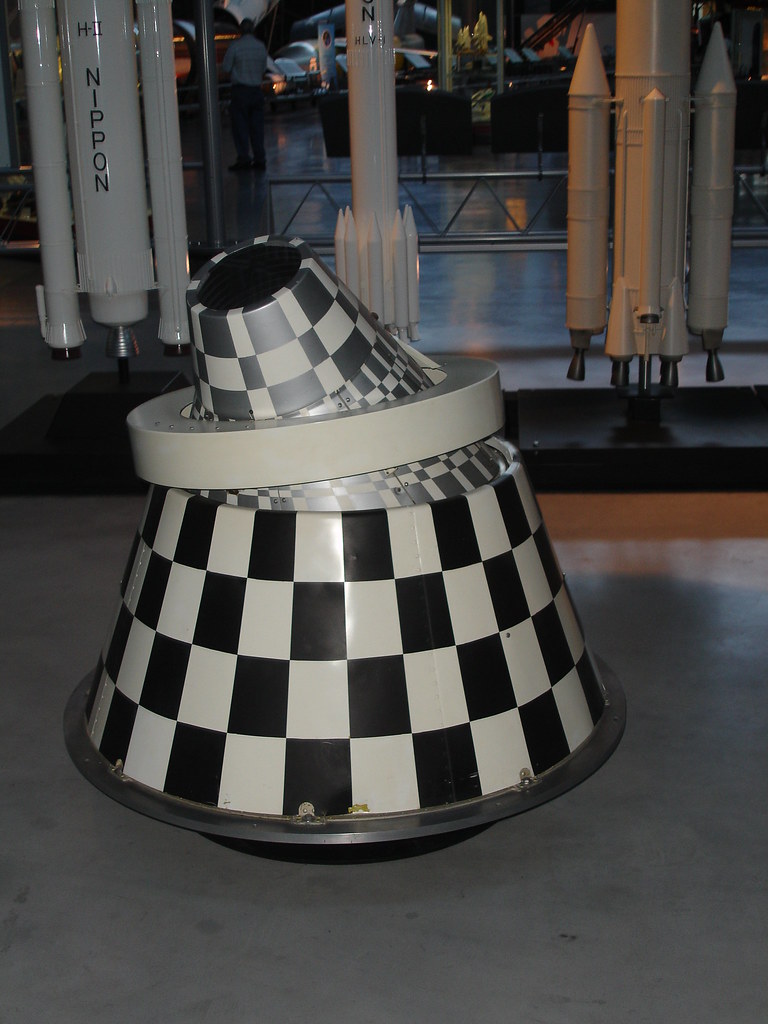
MIDAS 4
Alternative Name
Midas 4
Type
Status
Owner
Air Force Space Systems Division (AFSSD)
Country
United States
Constellation
MIDAS
Related Satellites
Major Events
Launch on October 21, 1961; detected a Titan I missile launch from Cape Canaveral; ceased operations after battery depletion approximately one week post-launch.
1 00192U 61028A 26185.08297967 -.00000007 00000-0 -12981-2 0 9991
2 00192 95.8450 227.1736 0134493 311.3680 47.5672 8.67767574 49628
Source: Celestrak
Length
2
Diameter
1.5
Span
2
Dry Mass
840
Launch Mass
840
Shape
Conical
Radar Cross Section
7.9063
Visual Magnitude
5
Color
Metallic with white and black thermal control coatings.
Material Composition
Aluminum and titanium alloys for structural components; thermal blankets for temperature regulation.
Payload
Infrared detection system for missile launch monitoring.
Purpose
Early Warning
Mission
Early detection of intercontinental ballistic missile (ICBM) launches to provide advanced warning.
Manufacturer
Lockheed Missiles and Space Company (LMSC)
Life Expectancy
Approximately one week; the satellite ceased operations after its batteries were depleted.
Bus
MIDAS
Configuration
Agena-B
Motor
Bell 8081
Equipment
Infrared sensors designed to detect missile launches by identifying the heat signatures from ICBM exhaust plumes.
Power System
Two deployable solar arrays and batteries.
ADCS
Three-axis stabilization system.
Transmitter Frequency
Unknown
Learn more about satellites and other related topics.
SpaceX gears up for another busy week with a Falcon 9 launch to the ISS while Vast Space expands its Haven-1 payload roster.

Starlink constellation size in March 2026: 9,996 satellites in orbit and 9,986 working from 11,504 launched, as SpaceX deorbits legacy V1.0 hardware.
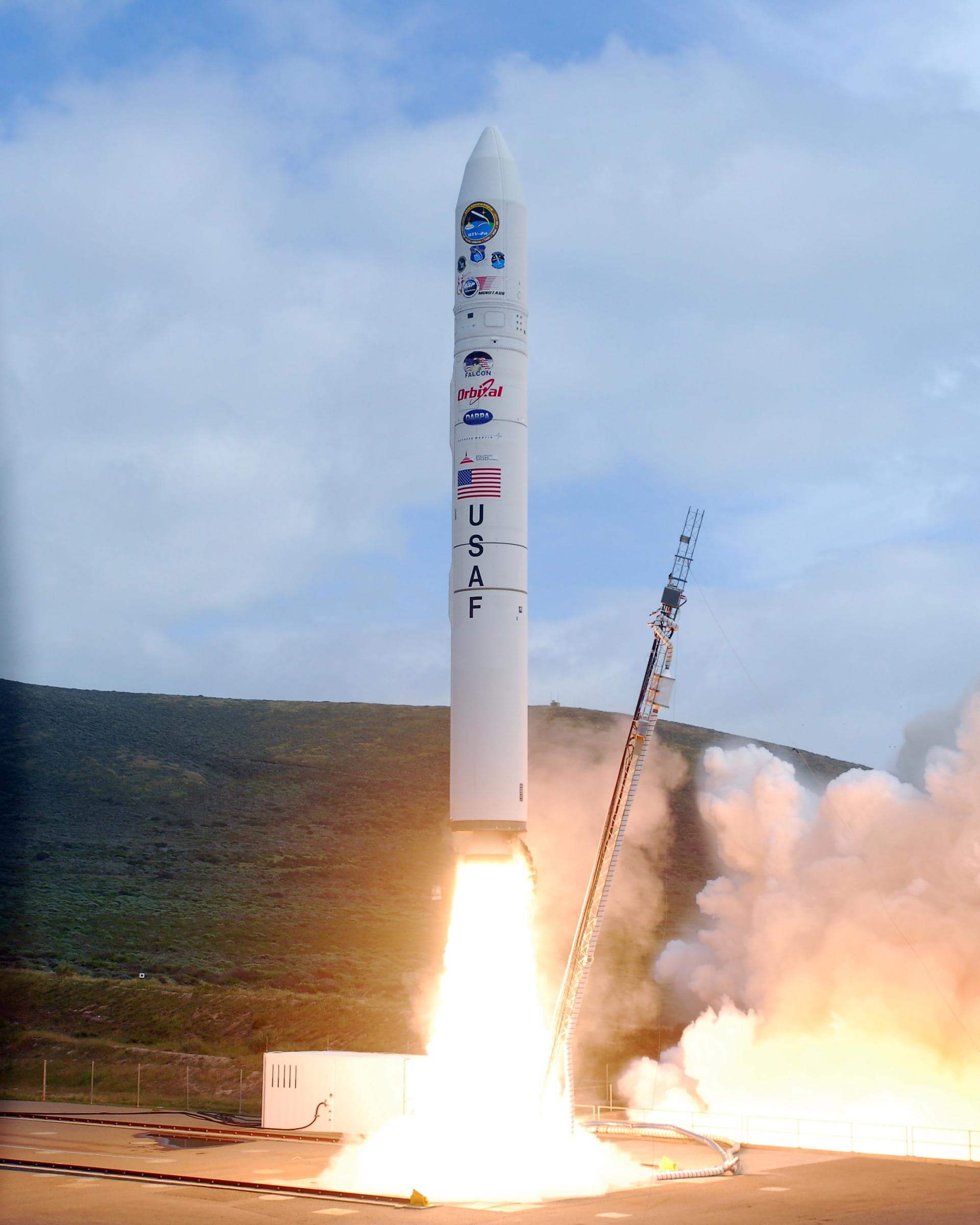
Today's brief covers crucial developments in satellite technology and operations, including new Starlink launches, groundbreaking satellite data on flood waves, and pivotal changes in South African telecom policy driven by Starlink.

Today's report highlights the causes behind a recent Starship explosion, a significant delay in Axiom-4's launch, and the ongoing tension surrounding SpaceX's market dominance.
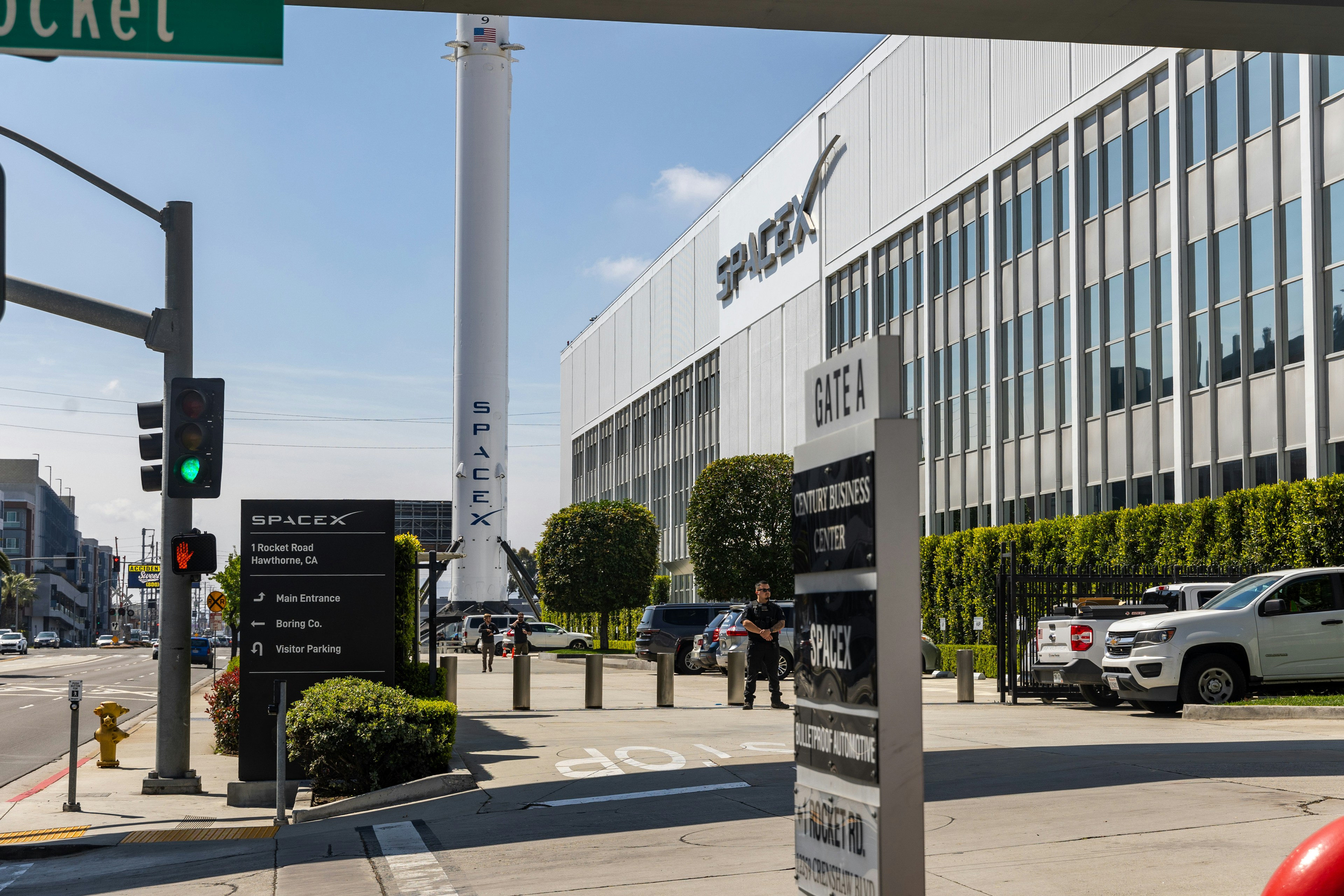
SpaceX's Crew-10 mission safely docks with the ISS, setting up for a crew rotation. Starlink continues its global expansion with additional satellite deployments.

MDA Space acquires Blue Canyon Technologies for $620 million, and NASA's 2028 Aeolus Mars orbiter goes to a California startup instead of SpaceX.

SpaceX advances with Starship tests as Starlink continues global expansion. Key infrastructure updates from Cape Canaveral involve multiple industry players.
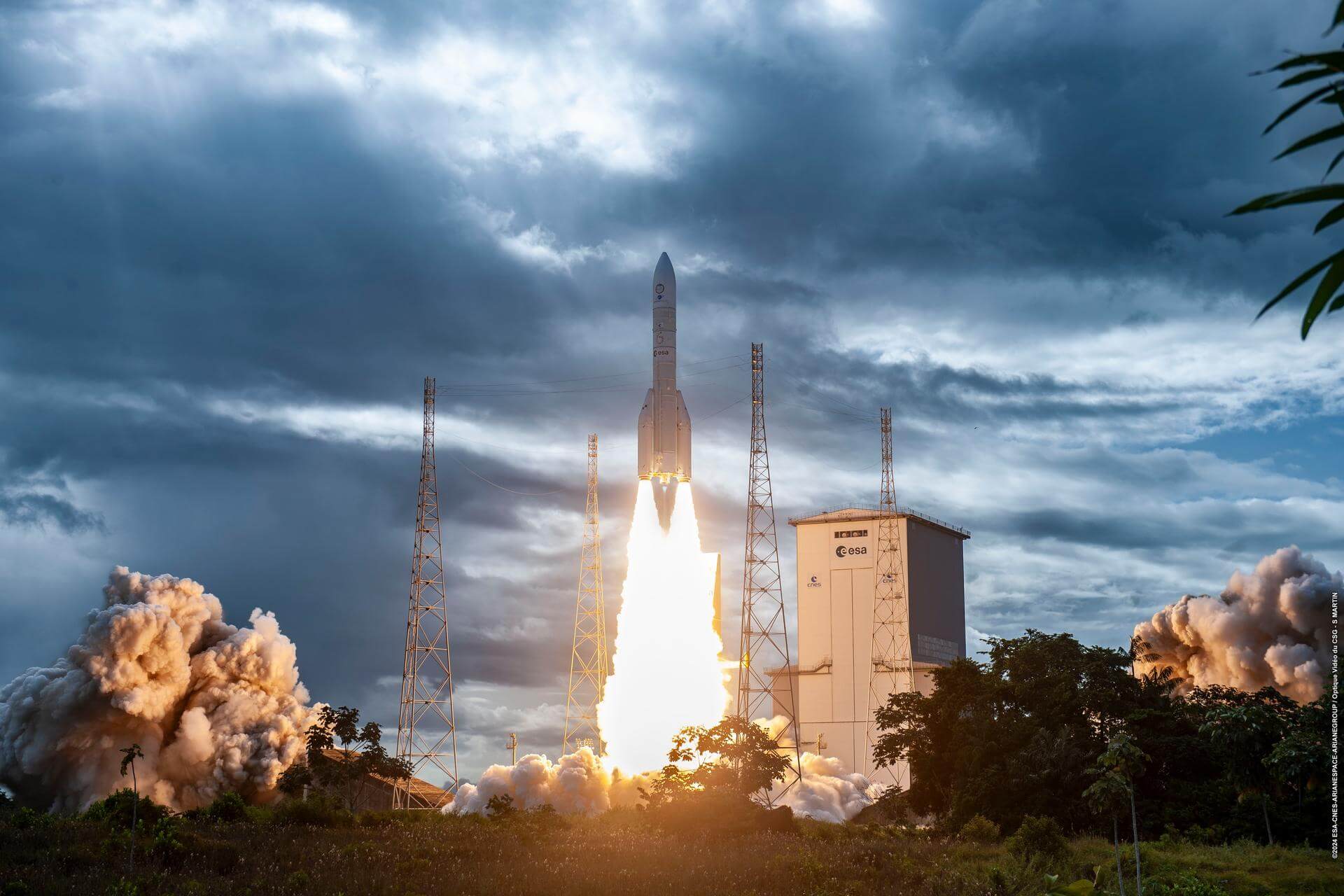
Highlights include US military astronaut rescue drills, China's commercial involvement in lunar missions, ESA's budget proposals, global opposition to space advertising, and NASA lunar landers.