


DARPA Robotic GEO Servicer Targeting Summer 2026 Launch | KeepTrack Space Brief
DARPA's robotic satellite servicing mission targets GEO orbit by summer 2026. NASA adds six SpaceX crew missions as Boeing Starliner remains uncertified.


Launch Date
May 19, 1988
Launch Site
Launch Pad
LC31
Launch Vehicle
Soyuz-U
NORAD ID
19131
International Designator
1988-042A
Decay Date
5/31/1988
Name
COSMOS 1945
Alternative Name
Kosmos-1945
Type
Status
Owner
UNKS
Country
USSR
Constellation
N/A
Related Satellites
Major Events
N/A
Length
6
Diameter
2.2
Span
6
Dry Mass
2655
Launch Mass
2655
Shape
Sphere + DCone
Radar Cross Section
9.37
Visual Magnitude
Unknown
Color
Unknown
Material Composition
Unknown
Payload
Oblik No. 382
Purpose
Reconnaissance, photo (film return type)
Mission
Reconnaissance, photo (film return type)
Manufacturer
TSSKB
Life Expectancy
Unknown
Bus
Oblik
Configuration
Zenit bus
Motor
11D82M; S5.120 (maneuver module)
Equipment
Unknown
Power System
Batteries
ADCS
Unknown
Transmitter Frequency
Unknown
Learn more about satellites and other related topics.
DARPA's robotic satellite servicing mission targets GEO orbit by summer 2026. NASA adds six SpaceX crew missions as Boeing Starliner remains uncertified.

As Ukraine explores alternatives to SpaceX's Starlink, the potential adoption of Eutelsat OneWeb's satellite network raises critical questions about connectivity, resilience, and strategic autonomy.

Blue Origin's New Glenn rocket exploded hours after USSF and NRO awarded national security launch contract. Impact on NSSL competition unclear.

SpaceX and Rocket Lab make headlines with simultaneous launches, while Musk's Starliner comments stir controversy.

Today's highlights include the successes and setbacks in recent rocket launches, a notable satellite anomaly, and a significant expansion announcement from ESA.
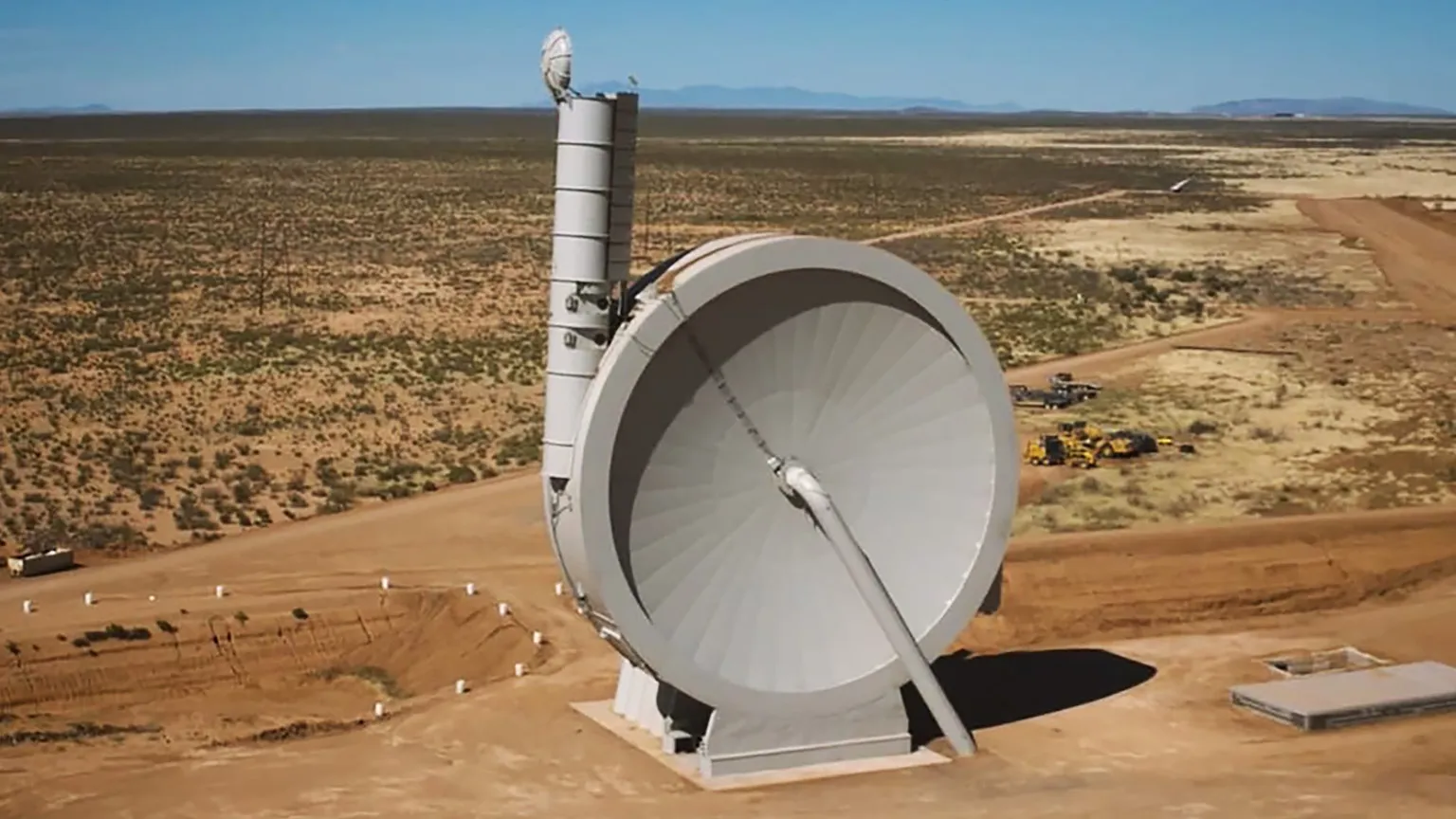
How a California startup's massive centrifuge could transform space access by eliminating rocket fuel, reducing costs by 70%, and enabling daily satellite launches - if it can overcome the physics of scaling from suborbital tests to orbital reality
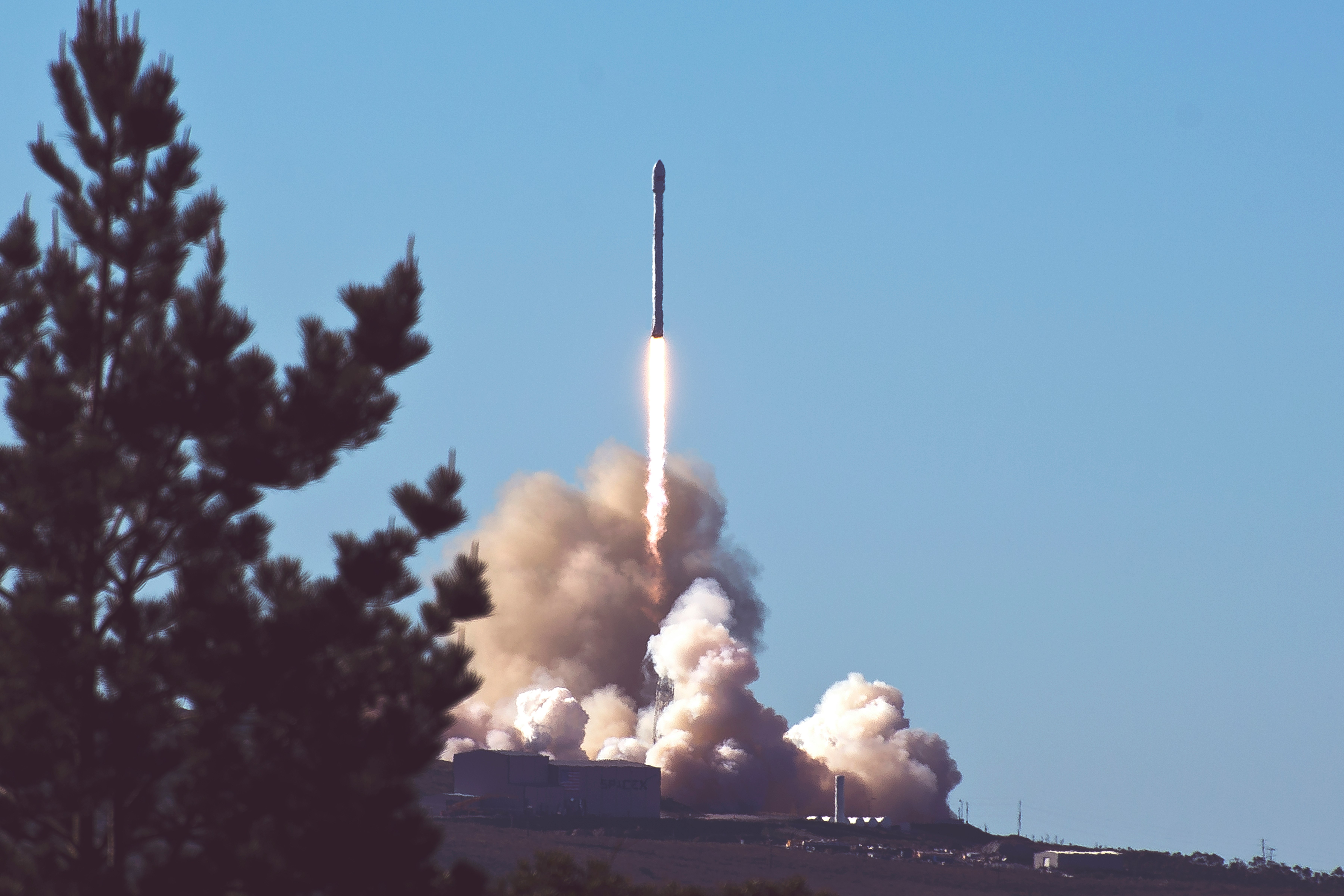
FCC dismisses SpaceX spectrum challenges, blocking key D2D frequencies. A $57M Golden Dome crosslink demo and software group seat soften the blow.
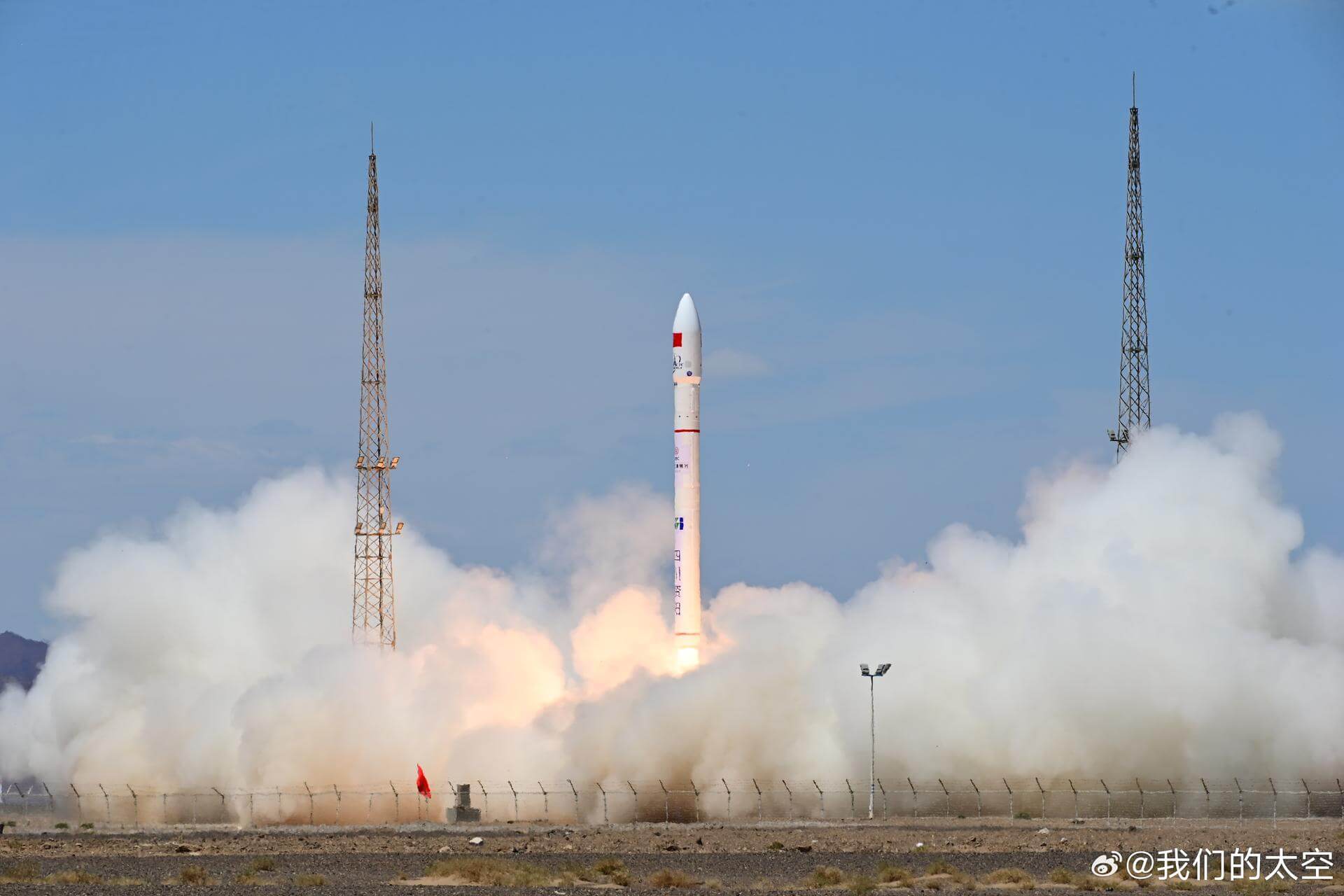
Today's briefing covers significant events, including advancements in US missile warning systems, SpaceX's Florida Starship plans, a European rocket's success, and NASA's upcoming missions.