


X Report 13 Jan 2025
SpaceX gears up for a series of launches, including Starlink deployments, lunar missions, and updates on the Starship program.


Launch Date
May 17, 1988
Launch Site
FRGUI
Launch Pad
ELA1
Launch Vehicle
Ariane 2
NORAD ID
19121
International Designator
1988-040A
Epoch
Sat, 04 Jul 2026 03:42:07 GMT
Apogee
Calculating...
Perigee
Calculating...
Inclination
14.67°
Right Ascension
348.69°
Eccentricity
Calculating...
Argument of Perigee
115.89°
Period
1460.84 min
Mean Motion
0.99 rev/day
Latitude
Calculating...
Longitude
Calculating...
Altitude
Calculating...
Velocity
Calculating...
Name
NSS-513 (INTELSAT 513)
Alternative Name
INTELSAT 513
Type
Status
Owner
INTEL
Country
INTELSAT
Constellation
N/A
Related Satellites
Major Events
N/A
1 19121U 88040A 26185.15425708 -.00000130 00000-0 00000-0 0 9993
2 19121 14.6669 348.6880 0012857 115.8899 250.4954 0.98573710114712
Source: Celestrak
Length
6.4
Diameter
2
Span
15.7
Dry Mass
884
Launch Mass
1054
Shape
Box + 2 Pan
Radar Cross Section
9.1646
Visual Magnitude
Unknown
Color
Unknown
Material Composition
Unknown
Payload
INTELSAT VA F13 (IBS)
Purpose
Communication
Mission
Communication
Manufacturer
FORDA
Life Expectancy
9 years
Bus
FS INTELSAT 5
Configuration
Intelsat-5 bus
Motor
Star 37XF
Equipment
26 C-band transponders, 6 Ku-band transponders
Power System
2 deployable solar arrays, batteries
ADCS
Unknown
Transmitter Frequency
Unknown
Learn more about satellites and other related topics.
SpaceX gears up for a series of launches, including Starlink deployments, lunar missions, and updates on the Starship program.
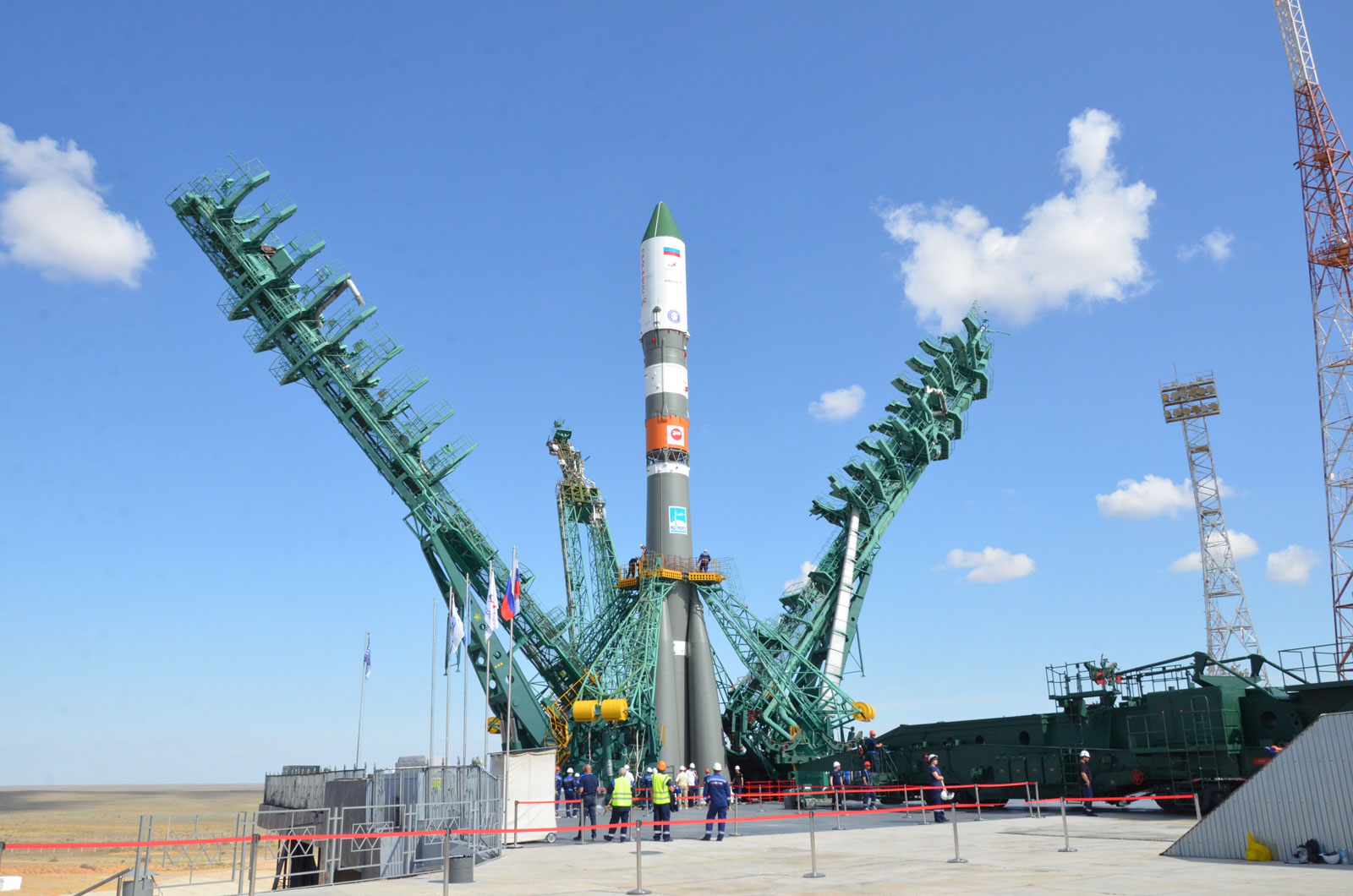
China's Tiangong space station completes crew rotation, Rocket Lab prepares for confidential launch, and Japan successfully launches military satellite with its H3 rocket.
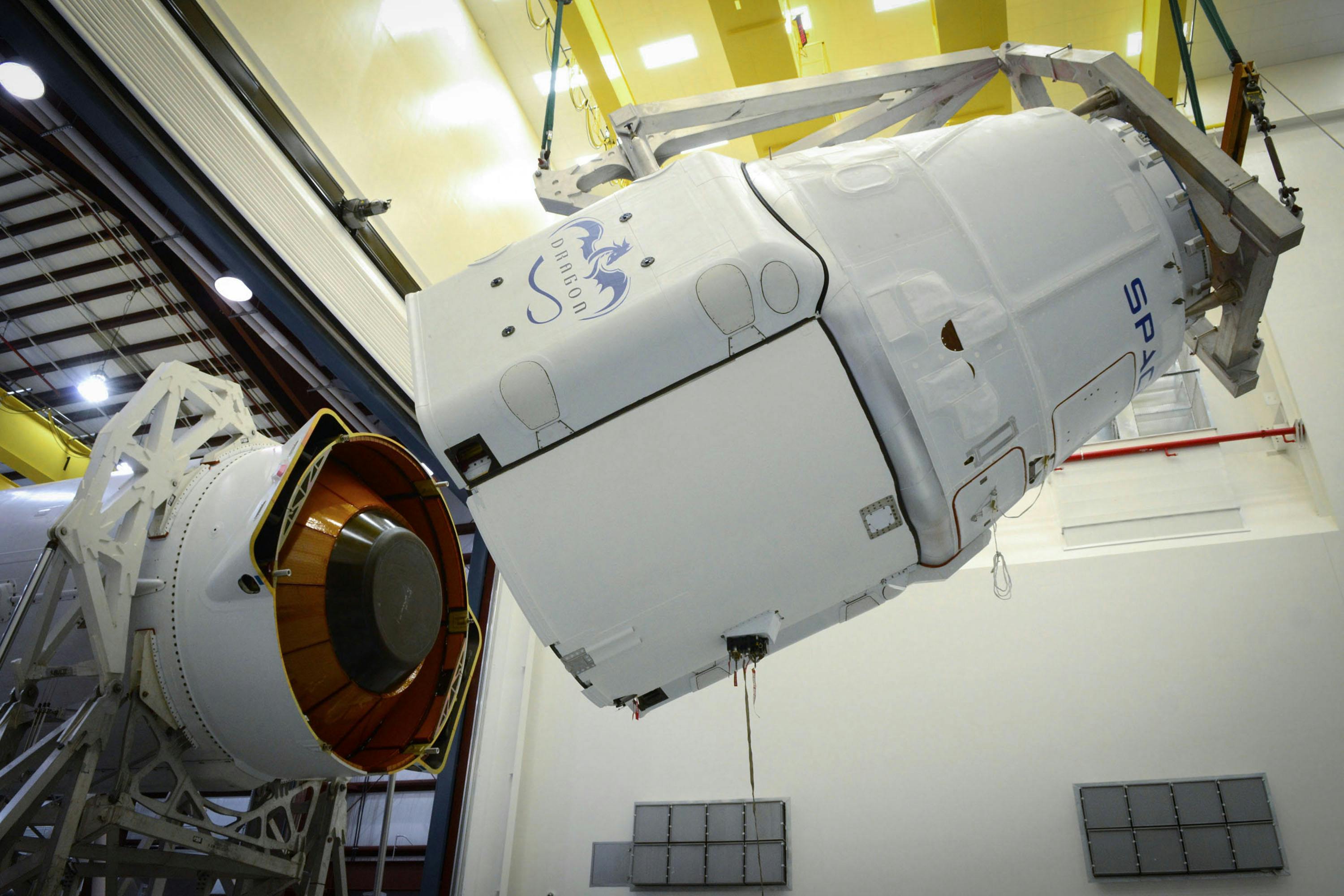
ESA is purchasing a dedicated SpaceX Crew Dragon flight to send 4 European astronauts to the ISS ahead of the station's planned retirement.
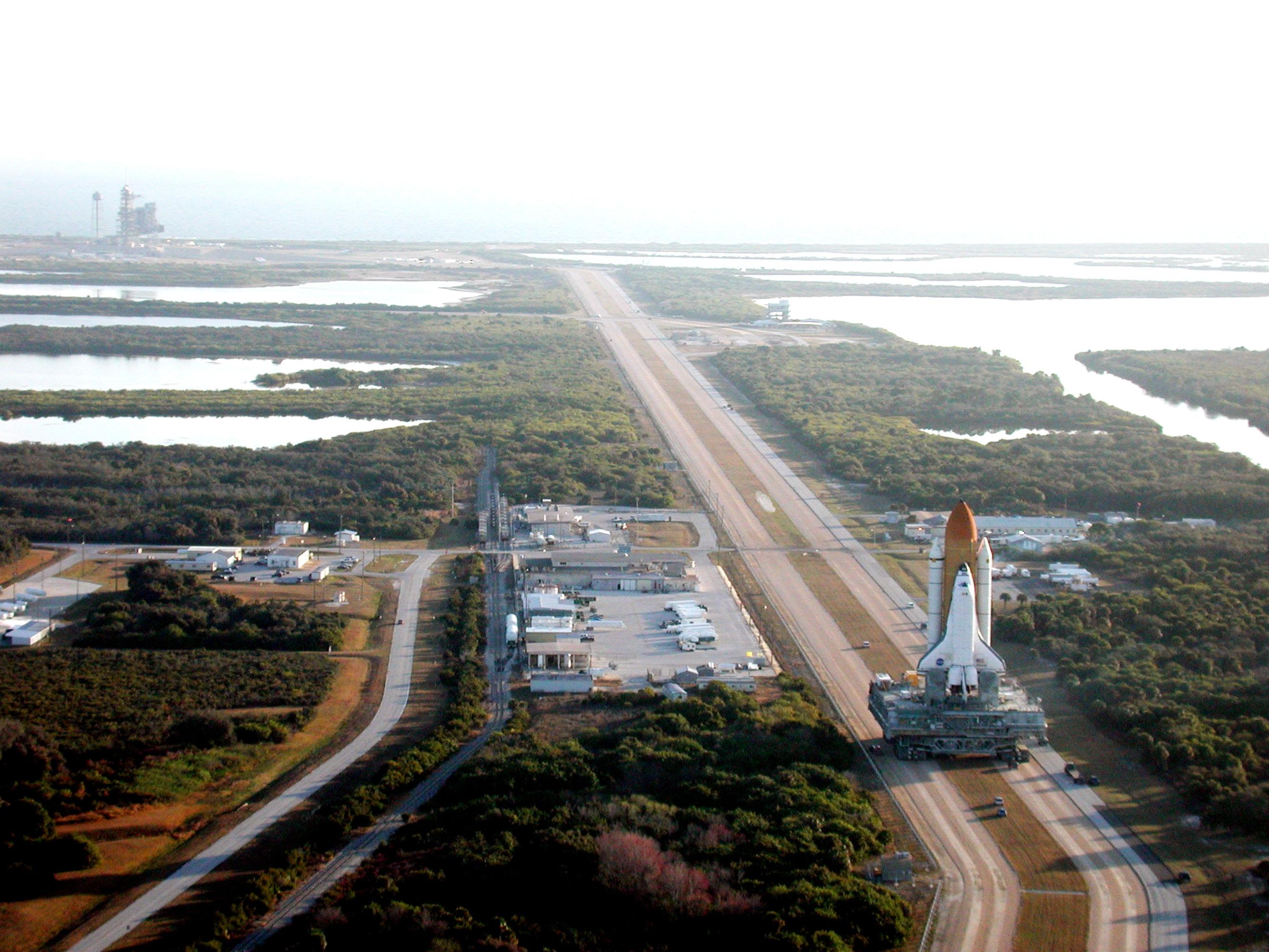
Twenty-four years ago, two spacewalking astronauts battled an ammonia leak while installing the U.S. Laboratory module Destiny, transforming the International Space Station from a construction site to a world-class research facility
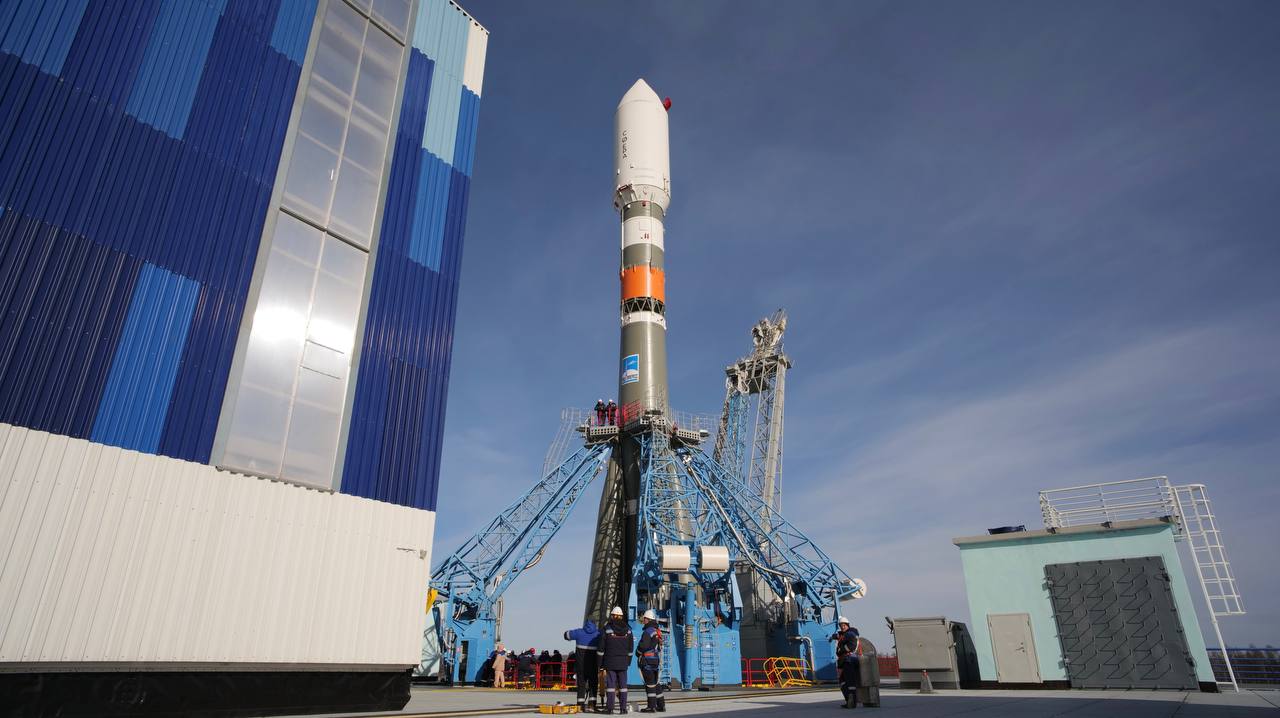
Today's Space Brief focuses on multi-billion dollar contracts for missile-tracking satellites, developments in optical nuclear clock research, and innovative drone projects for military collaboration.
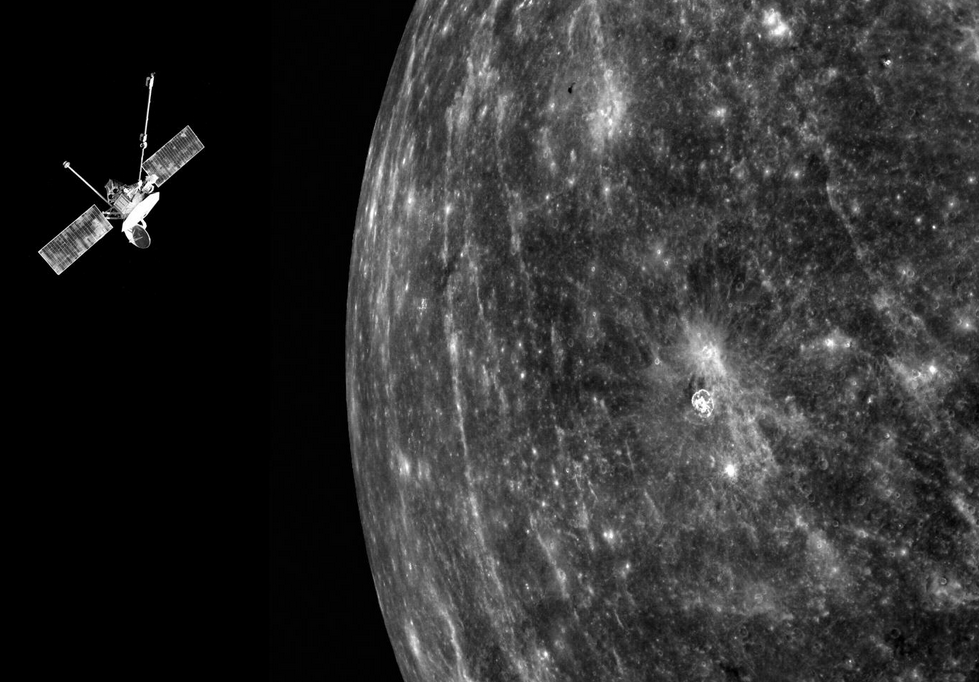
Fifty-one years ago, Mariner 10 revolutionized space exploration by executing the first-ever planetary gravity assist at Venus, pioneering a technique that would transform how we explore the solar system
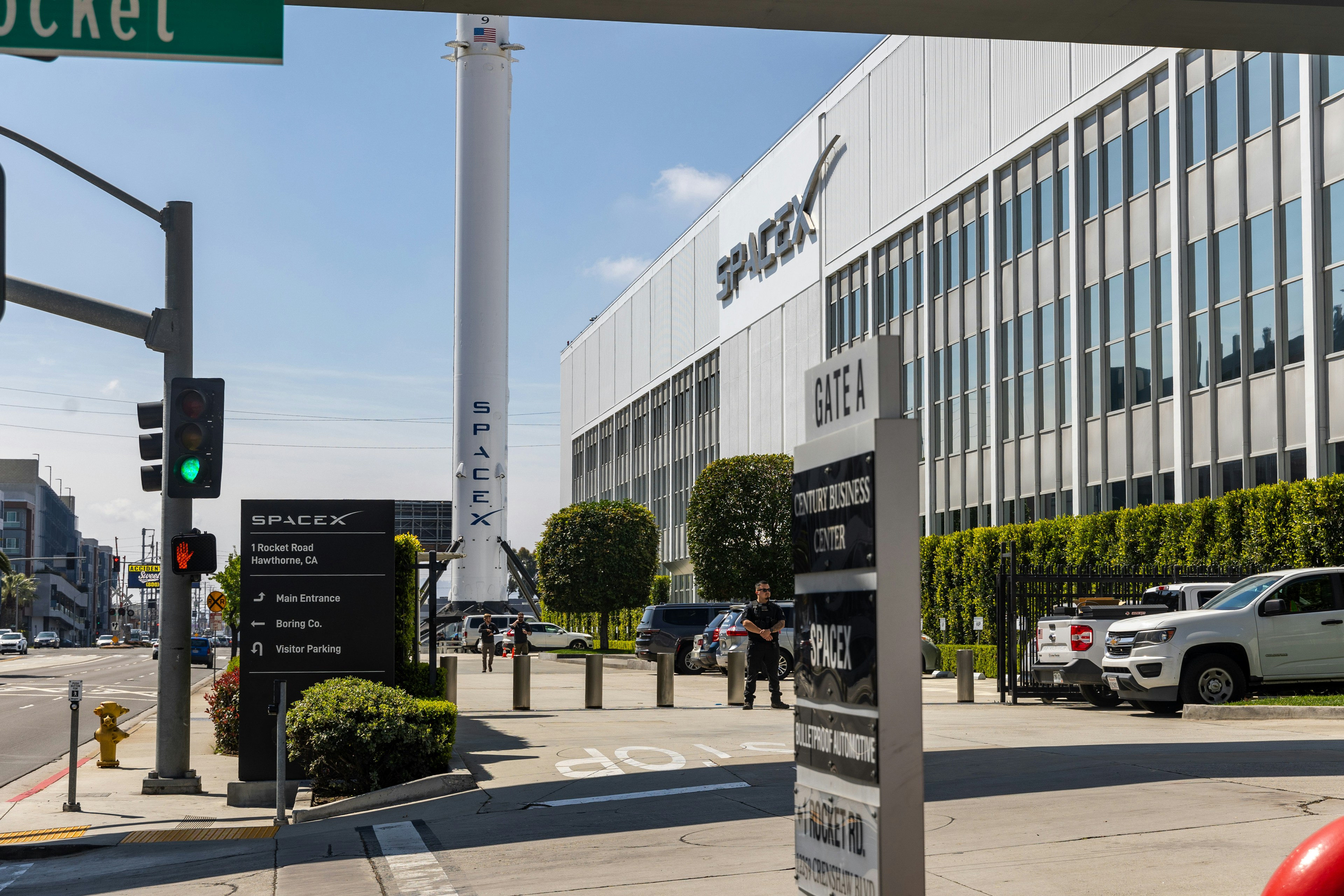
Crew-11 prepares for historic first ISS medical evacuation via Crew Dragon. Lufthansa Group to equip all 850 aircraft with Starlink. Starship infrastructure advances at Starbase and Cape Canaveral.
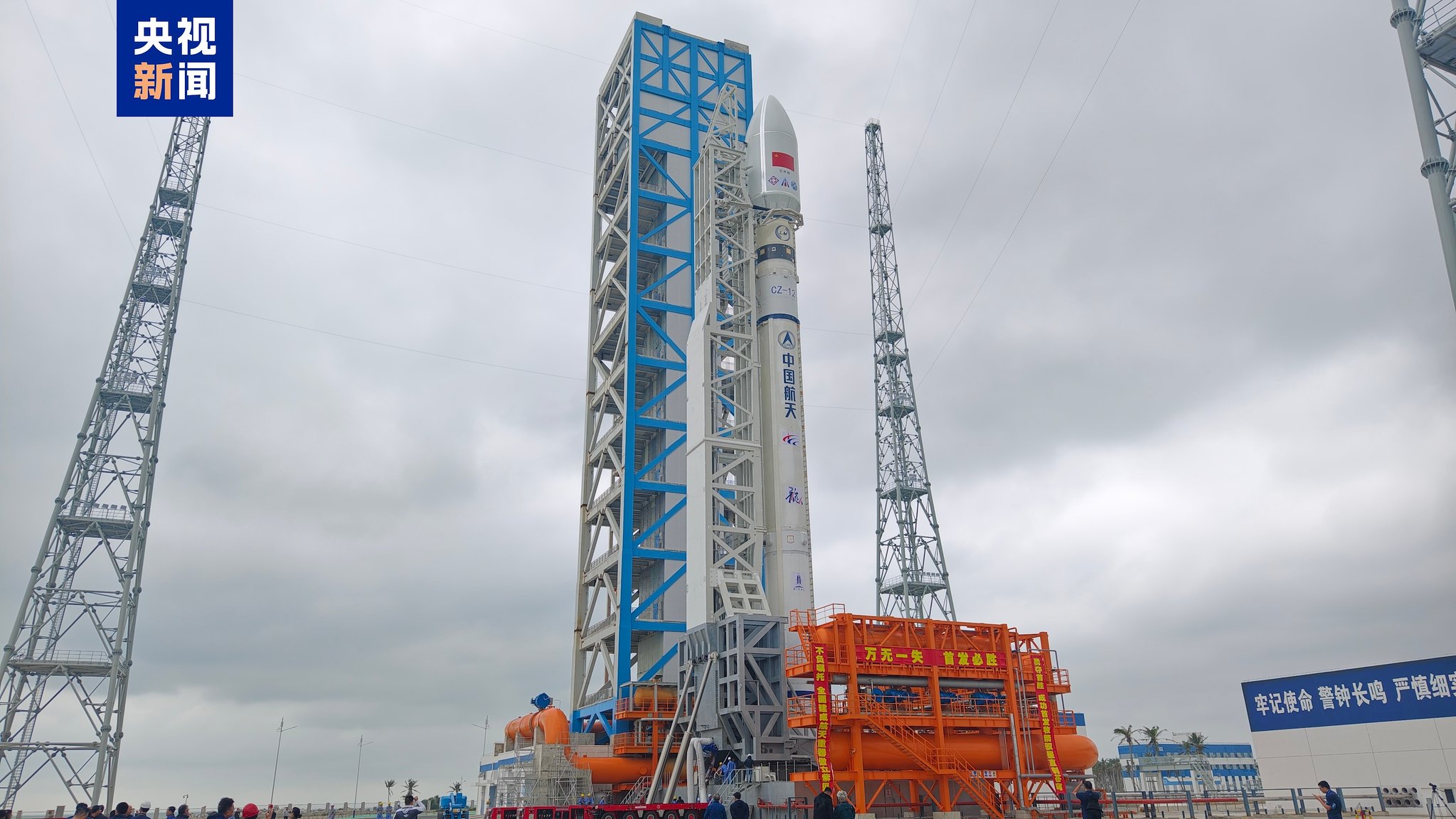
Today's brief covers SpaceX's Starship launch approval, Antares' nuclear funding, and shifts in global space defense strategies.