COSMOS 1939 (19045)

COSPAR: 1988-032A | Alt Name: Kosmos-1939
DECAYED

Image
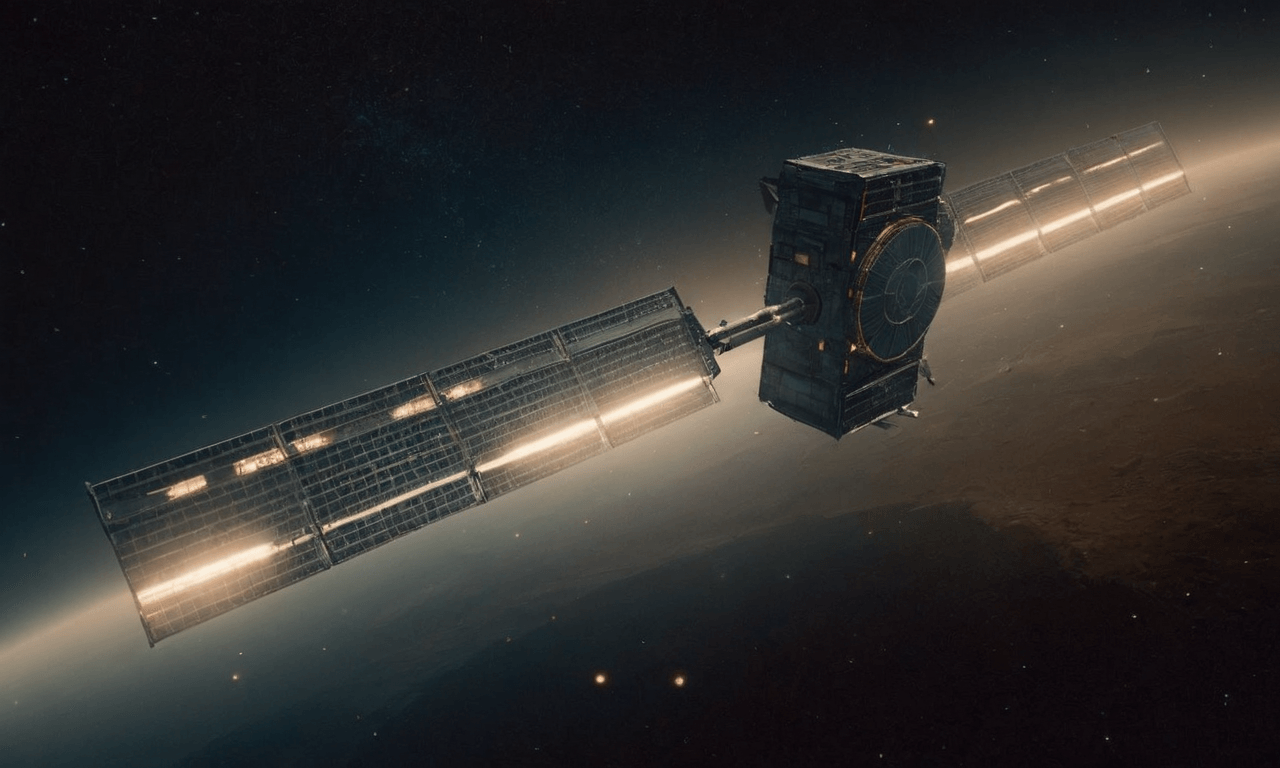
COSMOS 1939 Satellite Image
Additional Sources
Launch Details

Launch Date

April 20, 1988

Launch Pad

LC31

Launch Vehicle

Vostok 8A92M

Orbital Elements

NORAD ID

19045

International Designator

1988-032A

Decay Date

10/29/2014

Basic Satellite Info

Name

COSMOS 1939

Alternative Name

Kosmos-1939

Type

Payload

Status

Decayed

Owner

PRIR

Country

USSR

Constellation

N/A

Related Satellites

Major Events

N/A

Summary
COSMOS 1939 (Kosmos-1939) is an Earth observation satellite identified by NORAD_CAT_ID as 19045 and OBJECT_ID as 1988-032A. It was launched on April 20, 1988, from the Tyuratam Space Center (TYMSC), Launch Pad LC31, using a Vostok 8A92M launch vehicle. The satellite uses the SP-1 bus and has dimensions of 6.4 meters in length, 1.4 meters in diameter, and a span of 11.6 meters when its solar arrays are deployed. Its dry mass is 1,900 kilograms, which matches its launch mass. COSMOS 1939 is equipped with MSU-E (2), MSU-SK, and MSU-S instruments for Earth observation purposes. It was manufactured by VNIEM under the Resurs-O program and operated by PRIR. The satellite's power system consists of two deployable solar arrays and batteries. Its shape is described as cylindrical with two panels, and it has a radar cross section (RCS) of 5.612 square meters.
Physical Characteristics

Length

6.4

Diameter

1.4

Span

11.6

Dry Mass

1900

Launch Mass

1900

Shape

Cyl + 2 Pan

Radar Cross Section

5.612

Visual Magnitude

Unknown

Color

Unknown

Material Composition

Unknown

Technical Details

Payload

Resurs-O1 No. 2L

Purpose

Earth Observation

Mission

Earth Observation

Manufacturer

VNIEM

Life Expectancy

Unknown

Bus

Resurs-O

Configuration

SP-1 bus

Motor

Unknown

Equipment

MSU-E (2), MSU-SK, MSU-S (#1); MSU-E (2), MSU-SK (#2)

Power System

2 deployable solar arrays, batteries

ADCS

Unknown

Transmitter Frequency

Unknown

Satellite Articles

View All Posts »

Learn more about satellites and other related topics.

Falcon 9 Launches 25 Starlink Satellites After Weather Delays | KeepTrack X Report

Falcon 9 Launches 25 Starlink Satellites After Weather Delays | KeepTrack X Report

SpaceX launches 25 Starlink satellites from Vandenberg after multiple weather delays. 20th Falcon 9 mission of 2026 features second-ever booster landing near The Bahamas.

Space Brief 18 Oct 2024

Space Brief 18 Oct 2024

Explore exciting updates on satellite reentries impacting Earth's atmosphere, China's ambitious space exploration plans, and the latest advancements in the search for extraterrestrial life.

Space Brief 7 Jun 2025

Space Brief 7 Jun 2025

Today's brief covers the latest in satellite launches, military implications in space funding, and notable reentry delays.

Rocket Lab Neutron Books 5 Launches, Space Brief 8 May 2026

Rocket Lab Neutron Books 5 Launches, Space Brief 8 May 2026

Rocket Lab Neutron launch schedule holds at Q4 2026 for the first flight as a five-launch contract lands; barge recovery starts on flight two.

X Report 20 Sep 2025

X Report 20 Sep 2025

SpaceX successfully launched 24 Starlink satellites from California, enhancing its global internet coverage as the company continues to dominate the satellite communications market.

X Report 22 Nov 2025

X Report 22 Nov 2025

Major challenges emerged with SpaceX's next-generation Starship booster testing, while Starlink deployments continued with successful launches.

Starship V3 Scrubbed & SpaceX Files $18.7B IPO | KeepTrack X Report

Starship V3 Scrubbed & SpaceX Files $18.7B IPO | KeepTrack X Report

SpaceX scrubbed Starship Flight 12's V3 debut due to a hydraulic pin fault, then filed an $18.7B IPO S-1 targeting Nasdaq under ticker SPCX.

Space Brief 18 Sep 2024

Space Brief 18 Sep 2024

Today's Space Brief covers Rocket Lab's IoT satellite launch, SpaceX's European Galileo satellites, FAA's fine on SpaceX, Polaris Dawn mission achievements, and more.