

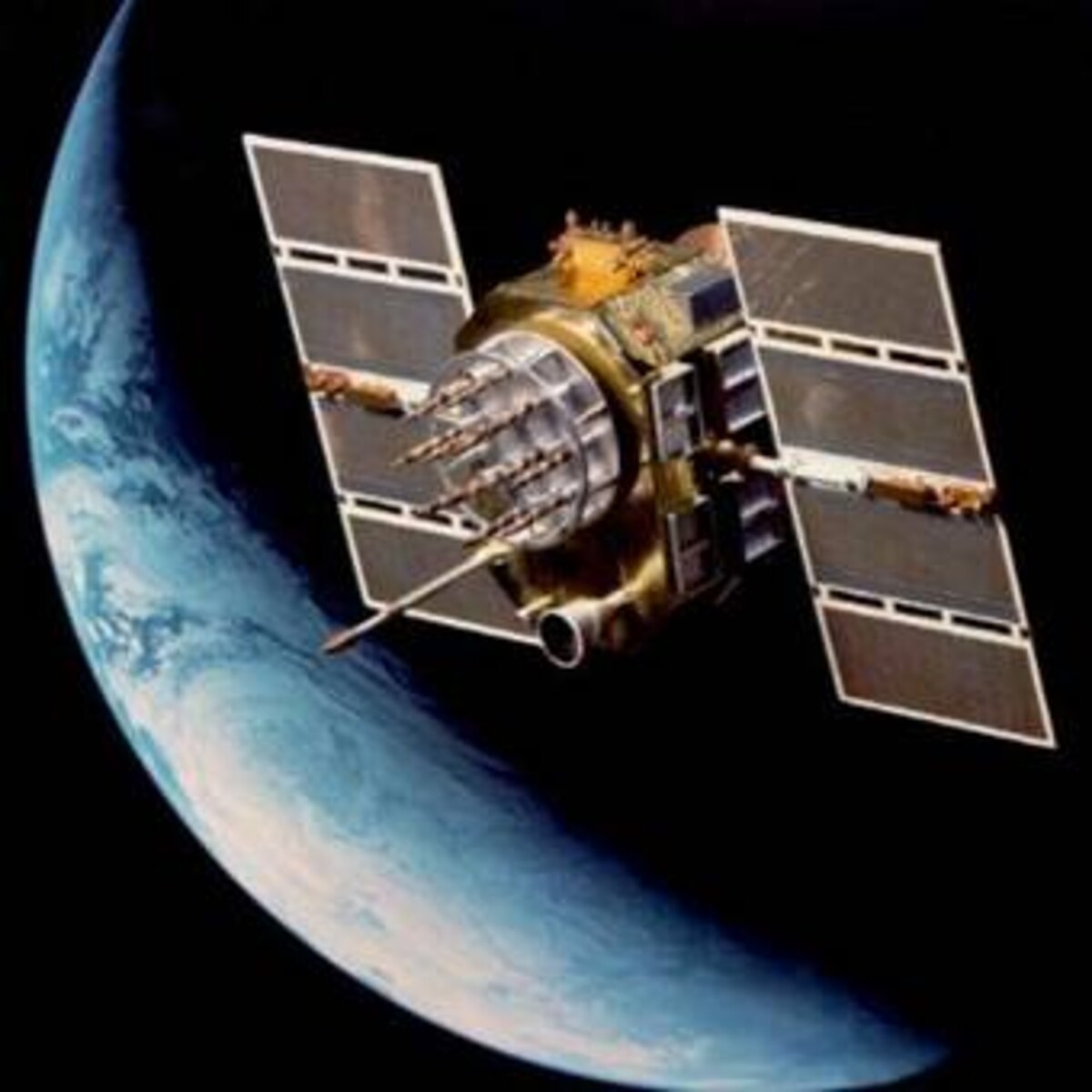
The Day That Changed How We Navigate Forever
Forty-seven years ago, an Atlas rocket carried the first GPS satellite into orbit, launching a revolution in navigation that would transform daily life across the globe


Launch Date
March 25, 1988
Launch Site
SNMLP
Launch Pad
SMLC -
Launch Vehicle
Scout G-1
NORAD ID
19013
International Designator
1988-026A
Decay Date
12/6/1988
Name
SAN MARCO 5
Alternative Name
San Marco 5
Type
Status
Owner
ASI
Country
Italy
Constellation
N/A
Related Satellites
Major Events
N/A
Length
1
Diameter
1
Span
40
Dry Mass
237
Launch Mass
237
Shape
Sphere + 4 Ant
Radar Cross Section
0.9
Visual Magnitude
Unknown
Color
Unknown
Material Composition
Unknown
Payload
San Marco D/L
Purpose
Atmospheric research
Mission
Atmospheric research
Manufacturer
CRA/ROSAP
Life Expectancy
1.5 years
Bus
San Marco
Configuration
Unknown
Motor
None
Equipment
DBI, WATI, IVI, ASSI, EFI
Power System
Solar cells, batteries
ADCS
Unknown
Transmitter Frequency
Unknown
Learn more about satellites and other related topics.
Forty-seven years ago, an Atlas rocket carried the first GPS satellite into orbit, launching a revolution in navigation that would transform daily life across the globe
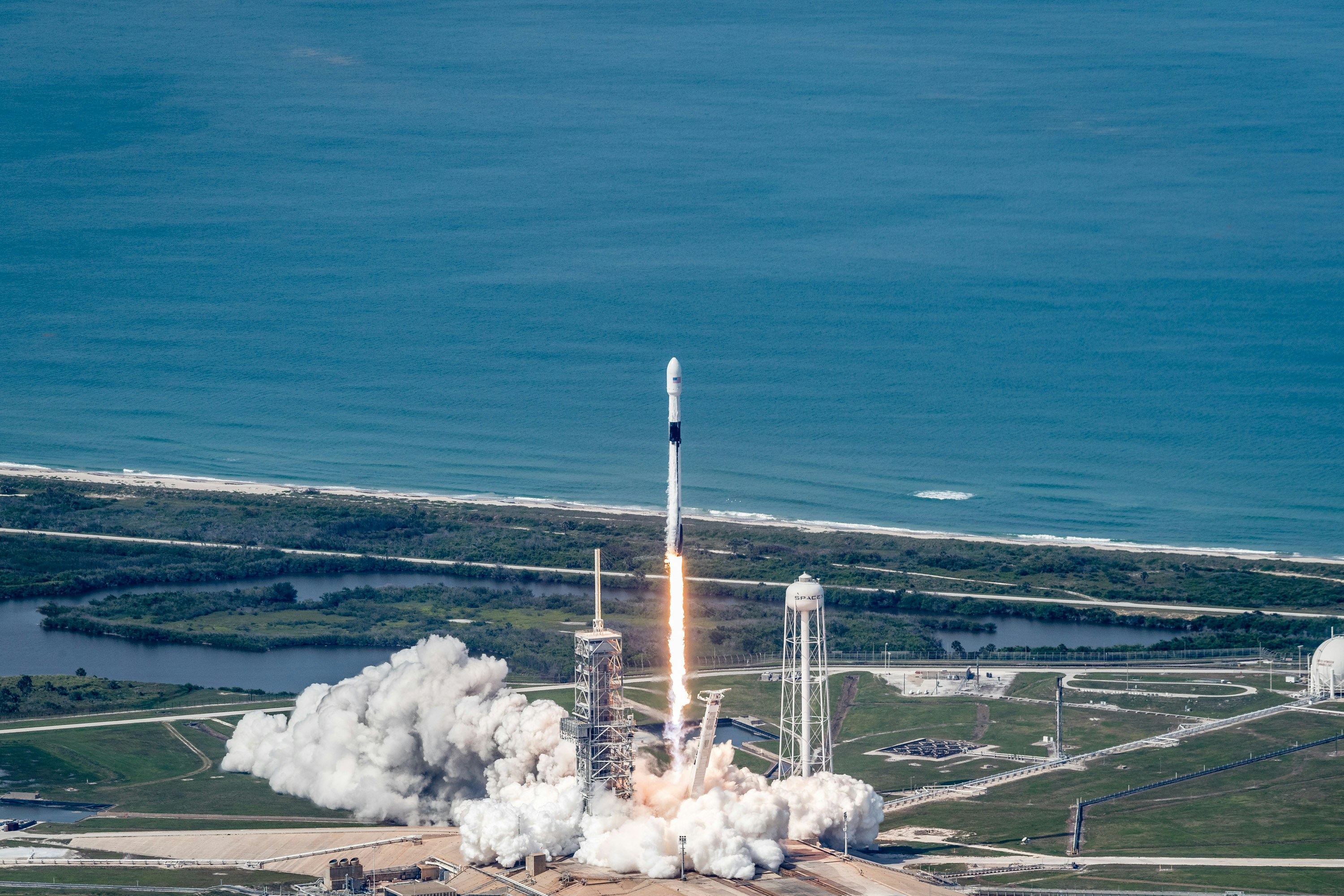
SpaceX continues to make strides in satellite deployment with a successful launch. The European Space Agency's new satellite enhances global atmospheric forecasting, showcasing the expanding role of launches in improving environmental monitoring.

SpaceX kicks off a busy week with five Falcon 9 missions planned, while the impressive layout of Raptor engines on Starship captures imaginations.
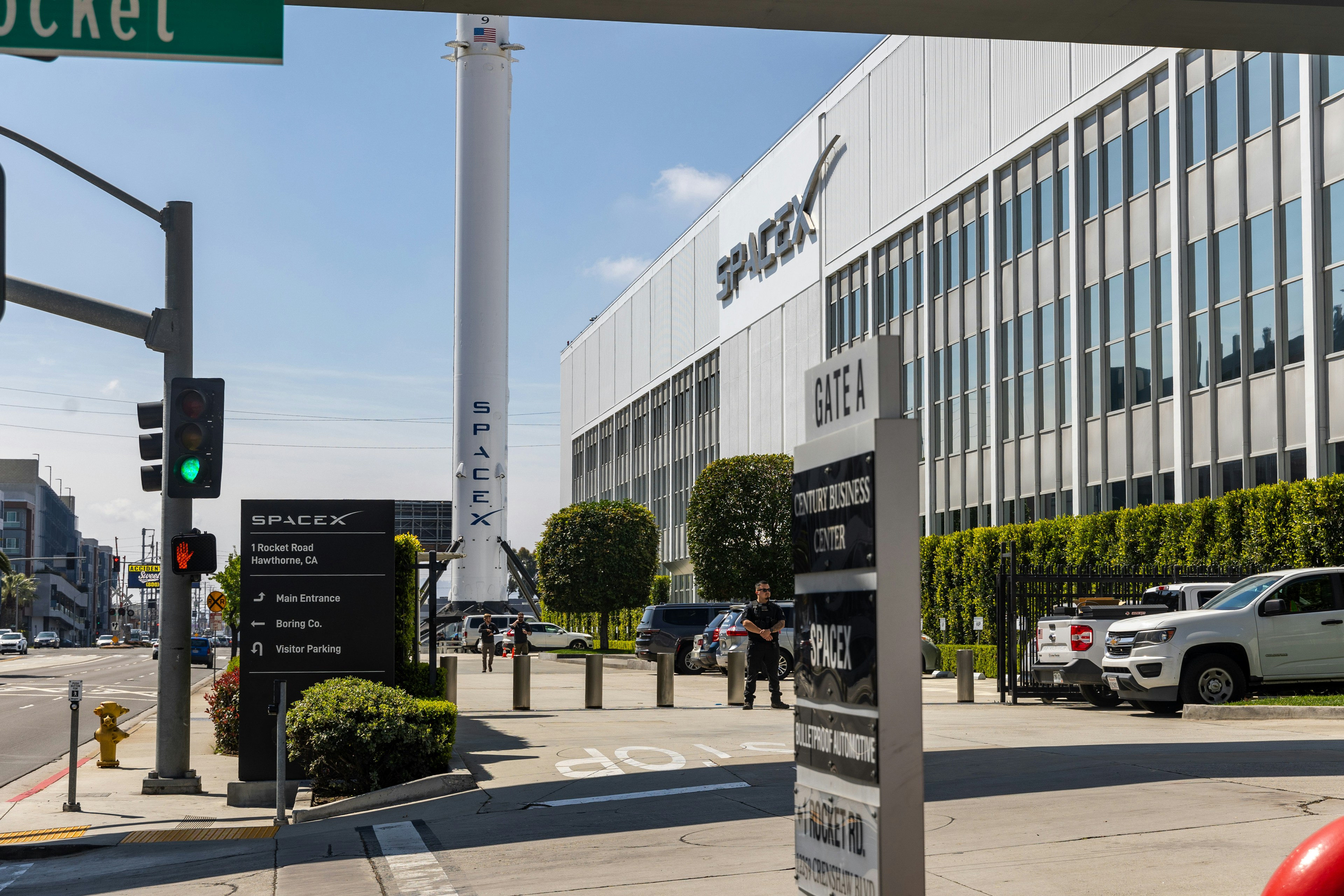
SpaceX sets a new reusability record and continues its busy launch schedule with multiple Starlink missions.
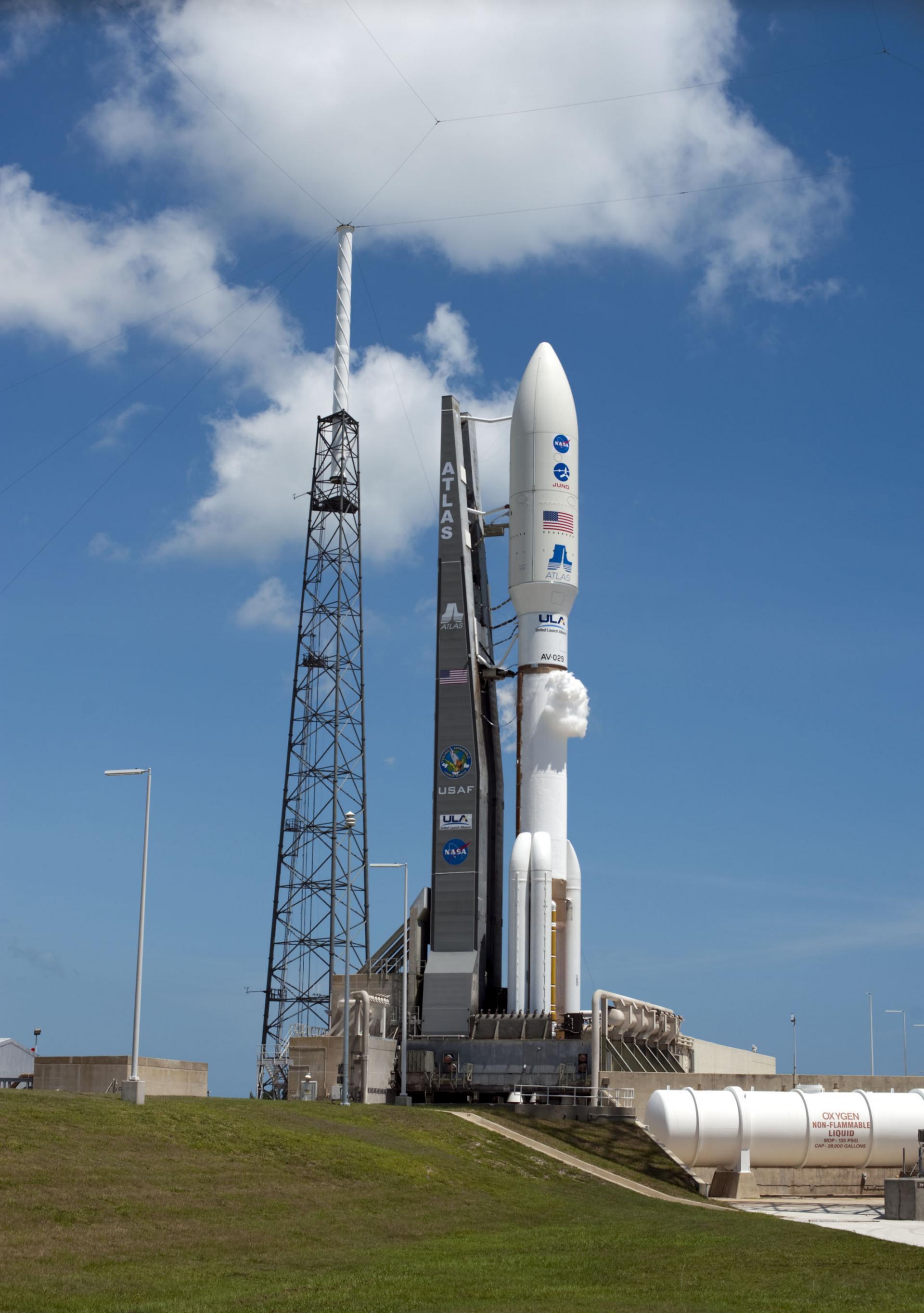
Today's brief covers SpaceX's potential government contract, the future of US Space Command headquarters, an auction record for Neil Armstrong's watch, and the volcanic history of Mars.

A second Starlink satellite has generated on-orbit debris in just over 3 months, threatening SpaceX's 10,151-satellite working constellation.
Today's brief highlights a Starlink satellite launch, an OpTech optical sensor contract for the Space Force, and a unique STEM experiment involving space-flown seeds.

Today's brief covers China's Gaofen-14 satellite launch, Europe's advancements in asteroid defense through GomSpace, and Russia's controversial Burevestnik missile test.