COSMOS 1935 (19011)

COSPAR: 1988-025A | Alt Name: Kosmos-1935
DECAYED

Image
COSMOS 1935 Satellite Image
Additional Sources
Launch Details

Launch Date

March 24, 1988

Launch Site

PLMSC

Launch Pad

LC16/2

Launch Vehicle

Soyuz-U

Orbital Elements

NORAD ID

19011

International Designator

1988-025A

Decay Date

4/8/1988

Basic Satellite Info

Name

COSMOS 1935

Alternative Name

Kosmos-1935

Type

Payload

Status

Decayed

Owner

UNKS

Country

USSR

Constellation

N/A

Related Satellites

Major Events

N/A

Summary
COSMOS 1935 (OBJECT_ID: 1988-025A) is a reconnaissance satellite launched on March 24, 1988, from the Plesetsk Cosmodrome LC16/2 launch pad using the Soyuz-U launch vehicle. The spacecraft has a length of 6.3 meters and a diameter of 2.7 meters with a dry mass of 2886 kg. Its configuration includes a Yantar Bus, main reentry module, and two small reentry capsules. It was manufactured by TSSKB and its mission is reconnaissance through photo (film return type). The satellite's power source consists of two deployable solar arrays and batteries.
Physical Characteristics

Length

6.3

Diameter

2.7

Span

6.3

Dry Mass

2886

Launch Mass

2886

Shape

Cyl + 2 Pan

Radar Cross Section

49.04

Visual Magnitude

Unknown

Color

Unknown

Material Composition

Unknown

Technical Details

Payload

Kobal't No. 516

Purpose

Reconnaissance, photo (film return type)

Mission

Reconnaissance, photo (film return type)

Manufacturer

TSSKB

Life Expectancy

Unknown

Bus

Yantar'-4K2

Configuration

Yantar Bus, main reentry module, 2 small reentry capsules

Motor

Unknown

Equipment

Unknown

Power System

2 deployable solar arrays, batteries

ADCS

Unknown

Transmitter Frequency

Unknown

Satellite Articles

View All Posts »

Learn more about satellites and other related topics.

STS-51B | Three-Tenths of a Second from Disaster

STS-51B | Three-Tenths of a Second from Disaster

Forty years ago today, Challenger lifted off LC-39A on a science mission that nobody outside Morton-Thiokol would call dangerous. Years later, after the orbiter and seven other astronauts were gone, investigators looked at the recovered boosters from STS-51B and realized the crew had come within a fraction of a second of dying first. This is the story of the launch that should have been a warning.

Space Brief 13 Nov 2025

Space Brief 13 Nov 2025

Delve into the latest on military AI leadership debates, Wedgetail funding increases, and the Army's Short Range Reconnaissance Program advancements. Explore how these developments influence satellite tracking and defense initiatives.

SpaceX S-1 Sinks Tesla 5%, Merger Talk Grows, X Report 2 Jun 2026

SpaceX S-1 Sinks Tesla 5%, Merger Talk Grows, X Report 2 Jun 2026

SpaceX IPO paperwork stokes Tesla merger predictions: the amended S-1 sank Tesla stock 5% in a day. Starlink stands at 10,492 working satellites.

Space Force Forecasts 25 Extra Heavy-Lift Missions Through 2029 | KeepTrack Space Brief

Space Force Forecasts 25 Extra Heavy-Lift Missions Through 2029 | KeepTrack Space Brief

Space Force projects 25 additional high-energy missions in 2027–2029 window, straining capacity at Vulcan and Falcon Heavy. Capacity constraints will drive military-NASA prioritization debates.

Space Brief 17 Dec 2025

Space Brief 17 Dec 2025

Today's stories cover Rocket Lab's innovative DiskSat launch, Digantara's expansion to missile defense, and DARPA's satellite surveillance network expansion, among other updates in military and satellite technology.

X Report 1 Dec 2025

X Report 1 Dec 2025

SpaceX celebrates significant milestones with the launch of Falcon 9 and developments in the Starship program, while Elon Musk addresses media narratives surrounding Starlink's humanitarian efforts.

Space Brief 5 Sep 2024

Space Brief 5 Sep 2024

Today we cover the final launch of Vega's original version, a significant milestone for SpaceX with the U.S. military, preparations for NASA's Starliner return, and more.

The Dog They Never Planned to Bring Home

The Dog They Never Planned to Bring Home

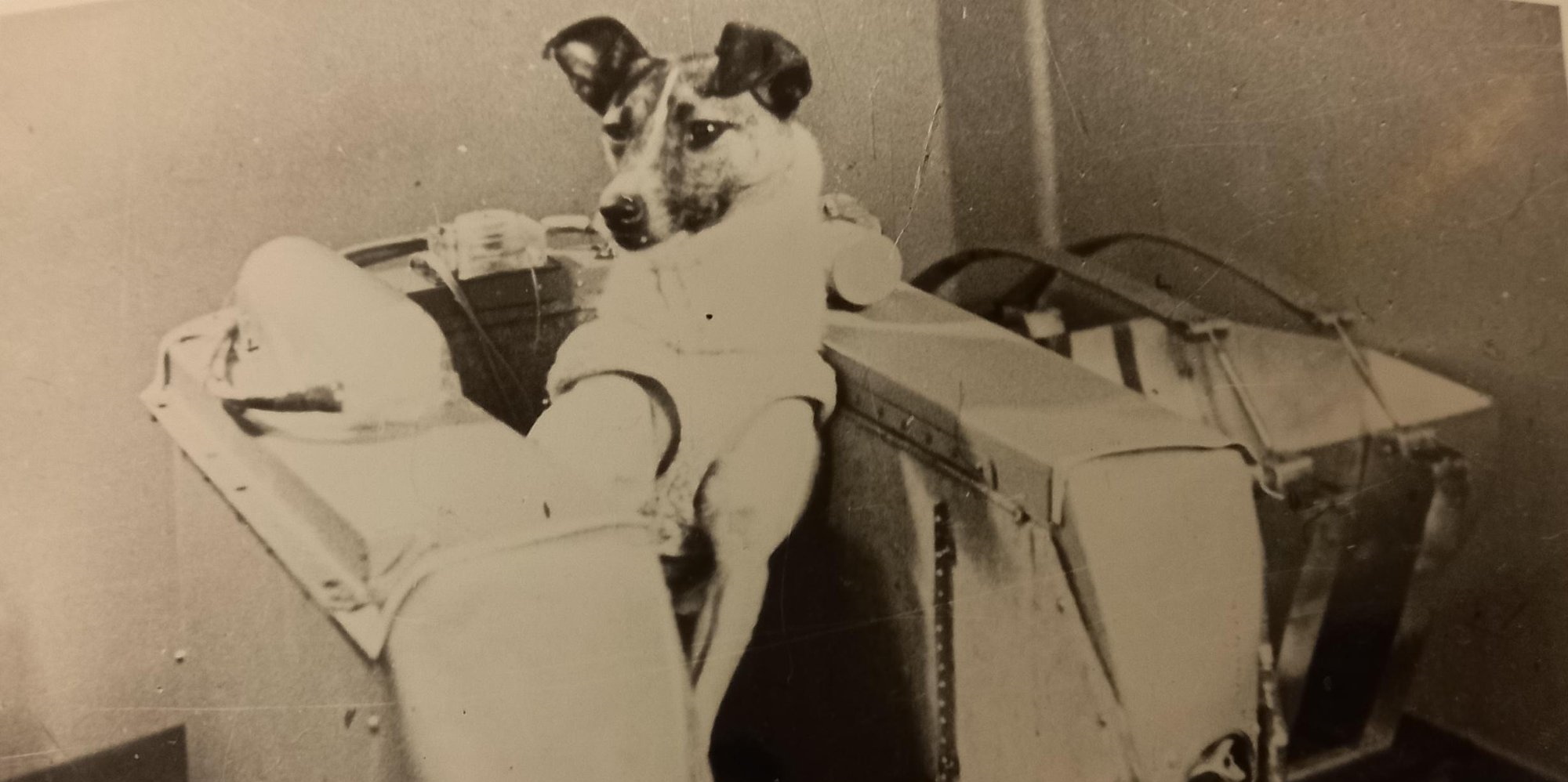
On April 14, 1958, Sputnik 2 burned up over the North Atlantic, carrying the remains of a stray dog from Moscow who had been dead for five months. The Soviet Union told the world she survived for days. It took forty-five years for the truth to come out.