

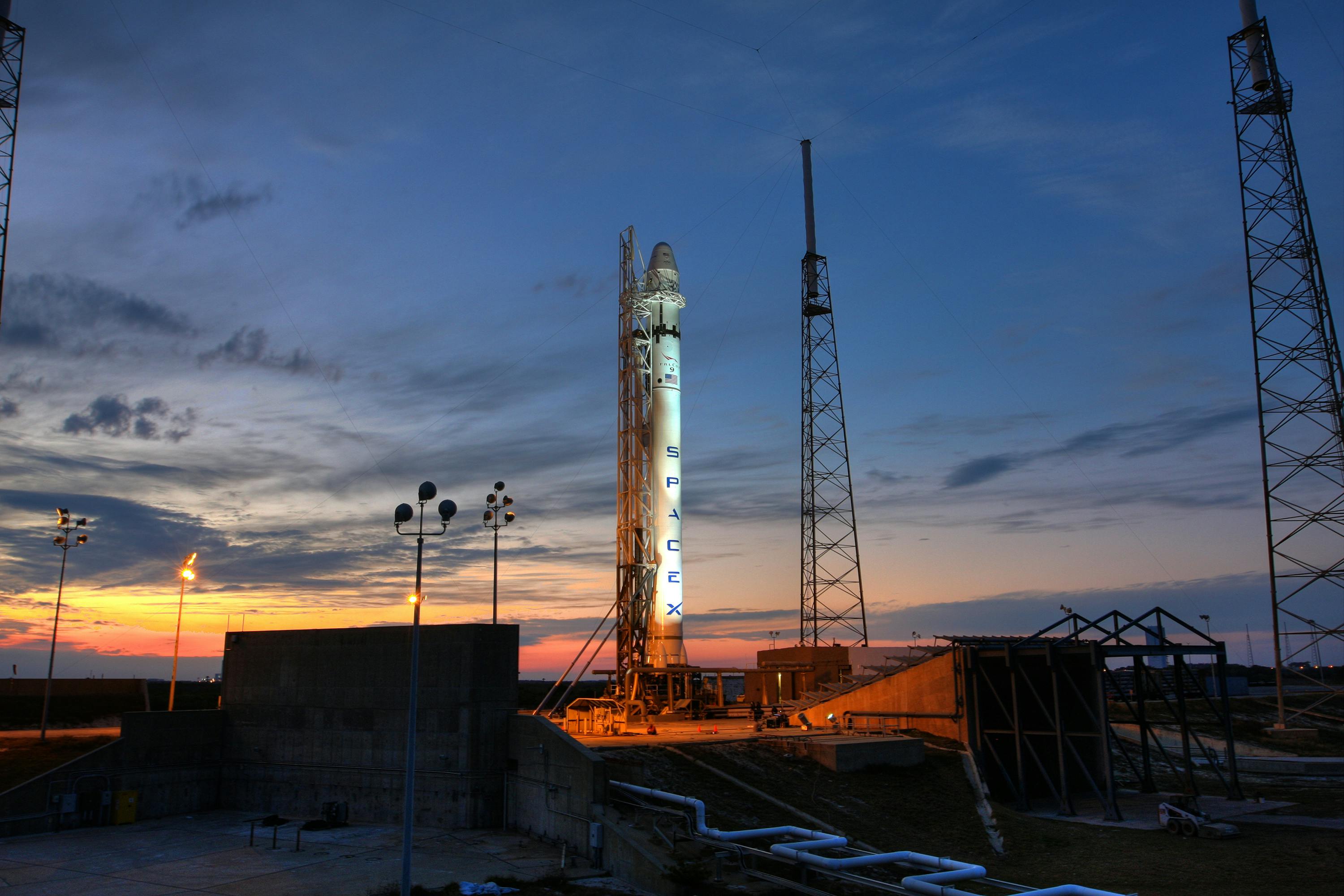
X Report 9 Sep 2025
Important updates include SpaceX's $19 billion spectrum deal with EchoStar, a successful super heavy booster test, and recent setbacks in launching due to poor weather.



Launch Date
February 26, 1988
Launch Site
PLMSC
Launch Pad
LC41/1
Launch Vehicle
Molniya 8K78M
NORAD ID
19004
International Designator
1988-013E
Decay Date
4/7/1988
Name
SL-6 DEB
Alternative Name
deb Kosmos- 1922
Type
Status
Owner
RVSN
Country
USSR
Constellation
N/A
Related Satellites
Major Events
N/A
Length
0
Diameter
0
Span
0
Dry Mass
0
Launch Mass
0
Shape
N/A
Radar Cross Section
0.0137
Visual Magnitude
Unknown
Color
Unknown
Material Composition
Unknown
Payload
Unknown
Purpose
Unknown
Mission
Unknown
Manufacturer
Unknown
Life Expectancy
Unknown
Bus
Unknown
Configuration
Unknown
Motor
Unknown
Equipment
Unknown
Power System
Unknown
ADCS
Unknown
Transmitter Frequency
Unknown
Learn more about satellites and other related topics.
Important updates include SpaceX's $19 billion spectrum deal with EchoStar, a successful super heavy booster test, and recent setbacks in launching due to poor weather.
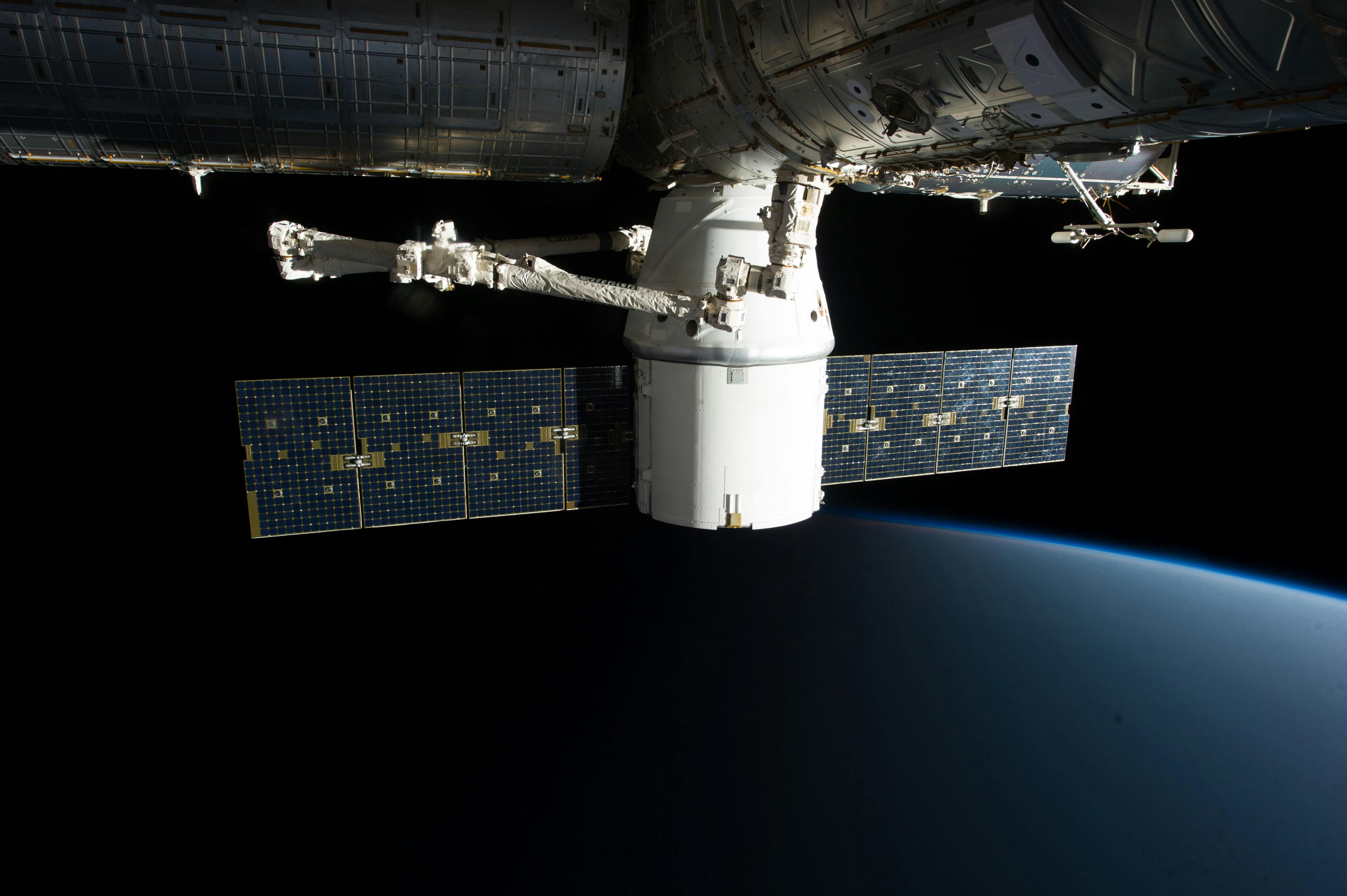
SpaceX successfully launched 26 Starlink satellites from California, preparing for upcoming crewed missions to the ISS.

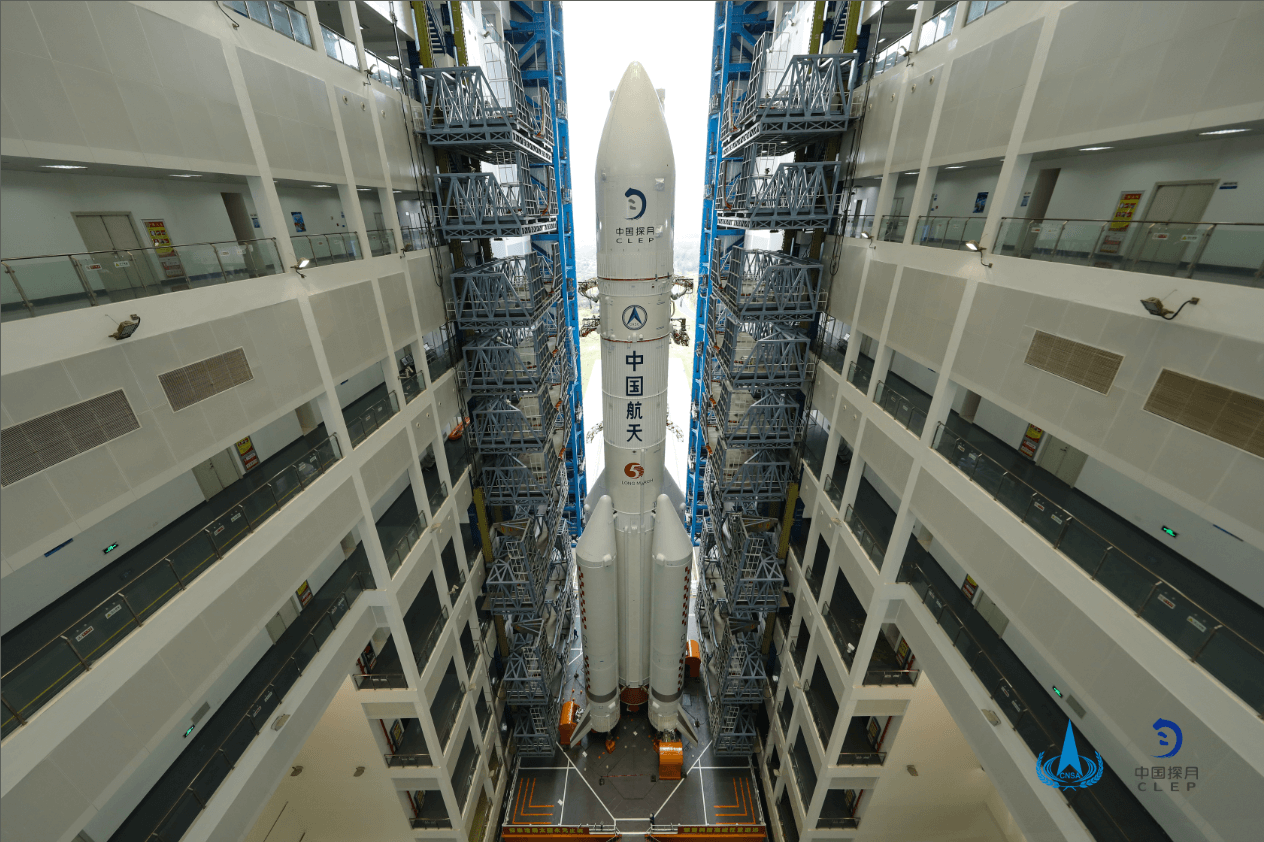
Today's highlights: China's Long March 12 boosts lunar ambitions, SpaceX supports NRO's satellite infrastructure, Firefly prepares lunar mission, and NASA partners with SpaceX for Titan exploration.
NASA concludes MAVEN mission after six months attempting to restore contact with Mars probe. Meanwhile, Falcon 9 booster flies record 35th flight on Starlink 10-35 mission.

SpaceX launches its first crewed mission over Earth's poles and FAA concludes investigation into the Starship Flight 7 incident.

SpaceX gears up for a series of launches, including Starlink deployments, lunar missions, and updates on the Starship program.
Key topics: SpaceX resumes Falcon 9 launches, mysterious Starliner sounds, and upcoming space policy events. Detailed tracking info for EGYPTSAT A.
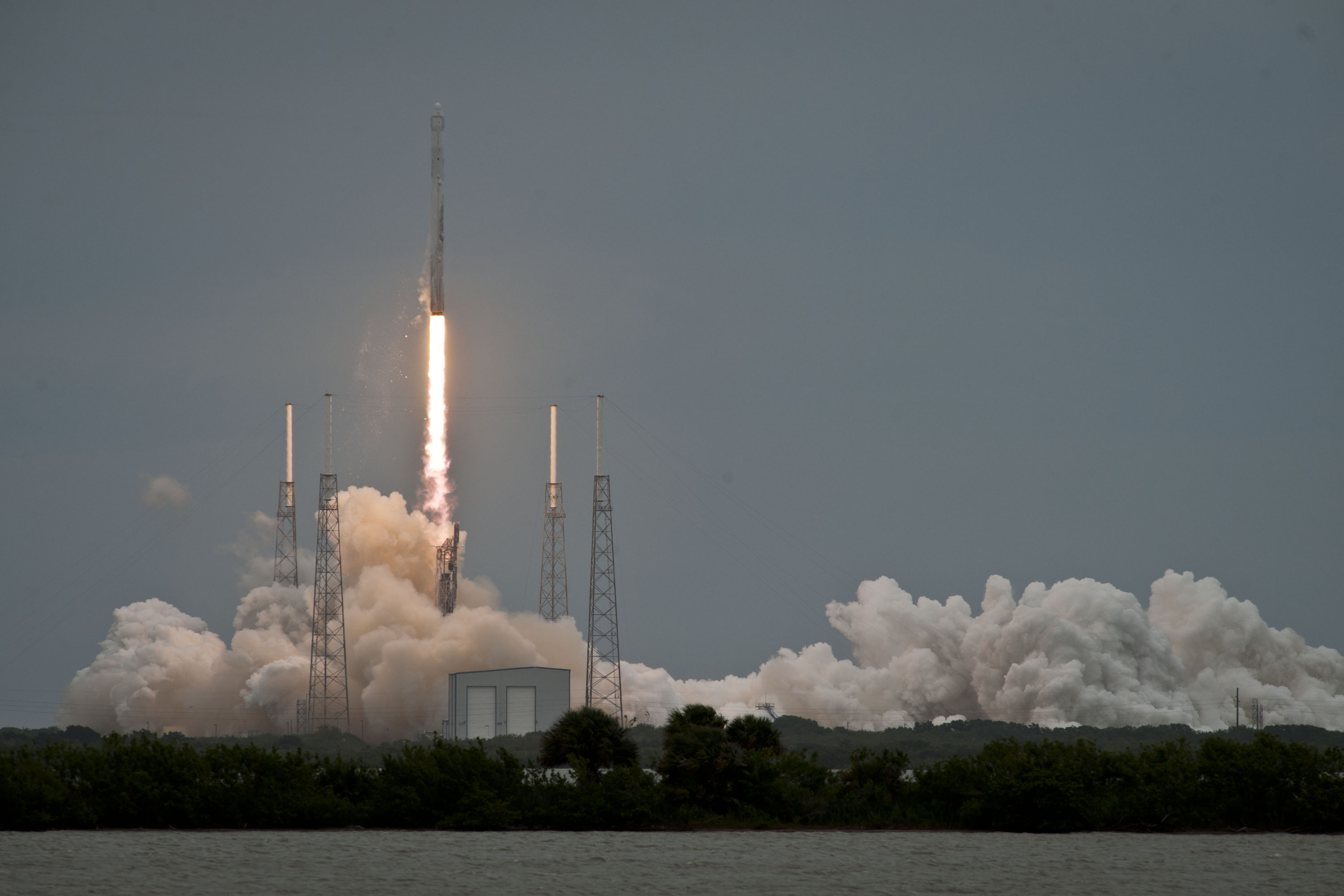
On April 18, 2014, a Falcon 9 first stage did something no orbital rocket had ever done before. It fired its engines on the way down, steered itself through the atmosphere using grid fins that did not yet exist, and touched the Atlantic Ocean softly enough to survive the impact. Nobody recovered it. The data was the whole point.