

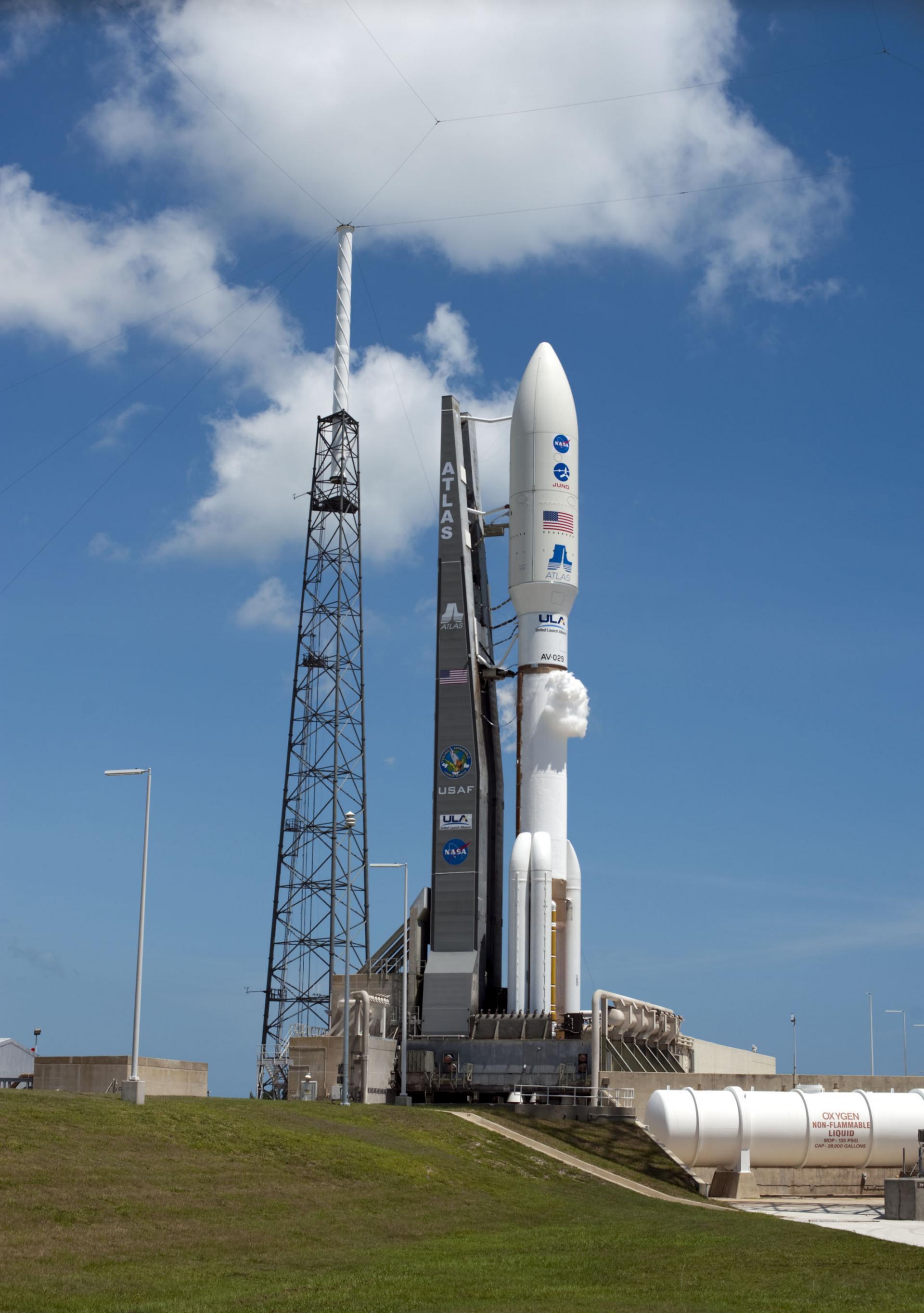
Space Brief 8 Sep 2025
Today's highlights include China's Yaogan-40 satellite launch, military contracts for rocket studies, and SpaceX's 500th booster landing.



Launch Date
May 9, 1963
Launch Site
AFWTR
Launch Pad
LC1-2
Launch Vehicle
Atlas Agena B
NORAD ID
18978
International Designator
1963-014DR
Decay Date
5/30/1996
Name
WESTFORD NEEDLES
Alternative Name
West Ford dipoles
Type
Status
Owner
AFSSD
Country
United States
Constellation
N/A
Related Satellites
Major Events
N/A
Length
0
Diameter
0
Span
0
Dry Mass
0
Launch Mass
0
Shape
N/A
Radar Cross Section
0.148
Visual Magnitude
Unknown
Color
Unknown
Material Composition
Unknown
Payload
RCS 0.08
Purpose
Unknown
Mission
Unknown
Manufacturer
Unknown
Life Expectancy
Unknown
Bus
Unknown
Configuration
Unknown
Motor
Unknown
Equipment
Unknown
Power System
Unknown
ADCS
Unknown
Transmitter Frequency
Unknown
Learn more about satellites and other related topics.
Today's highlights include China's Yaogan-40 satellite launch, military contracts for rocket studies, and SpaceX's 500th booster landing.
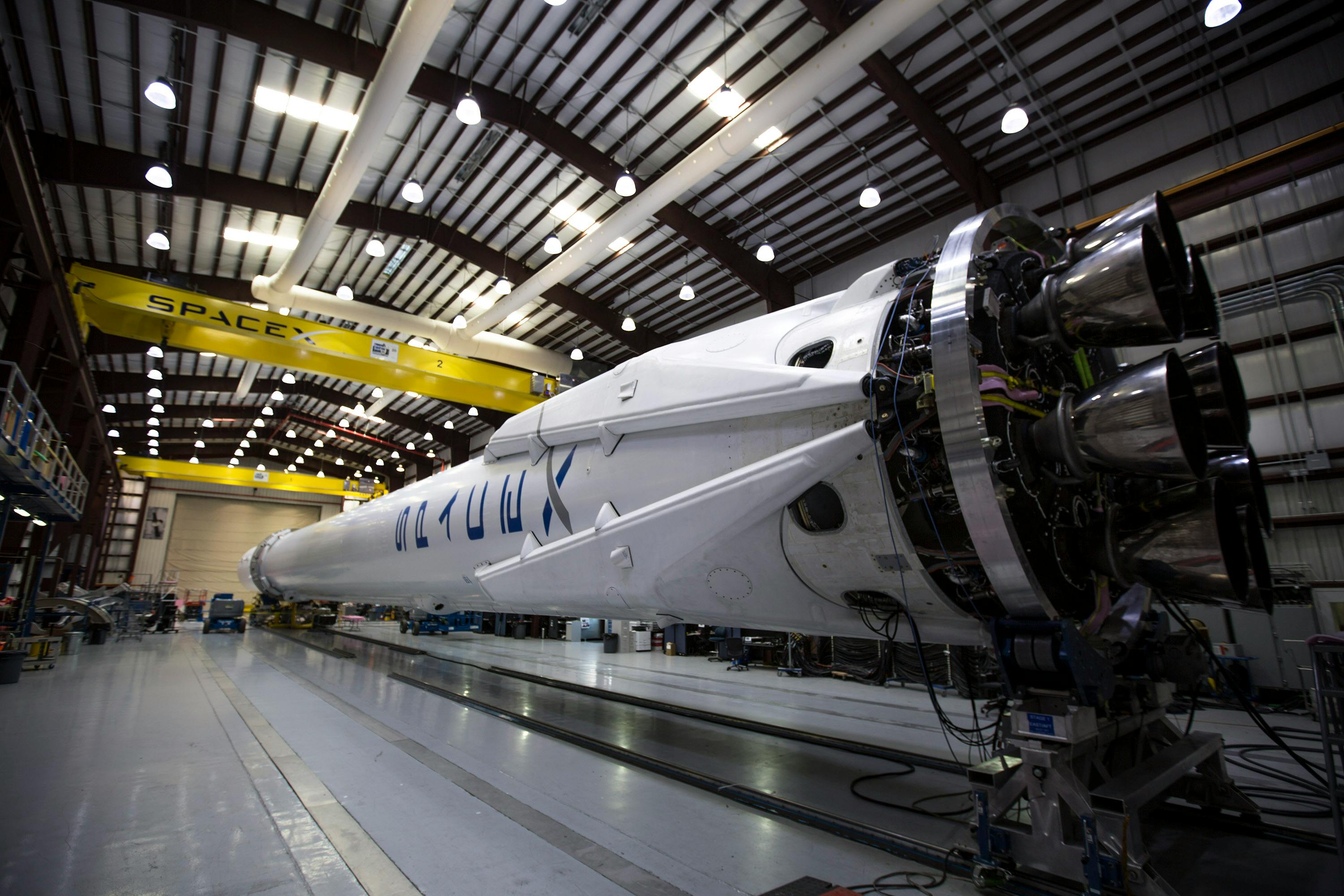
Today's highlights include SpaceX's Dragon cargo mission to the ISS, the first wooden satellite launch, and updates on NASA's Voyager mission. Additionally, the Space Force's X-37B space plane showcases unique aerobraking strategies.
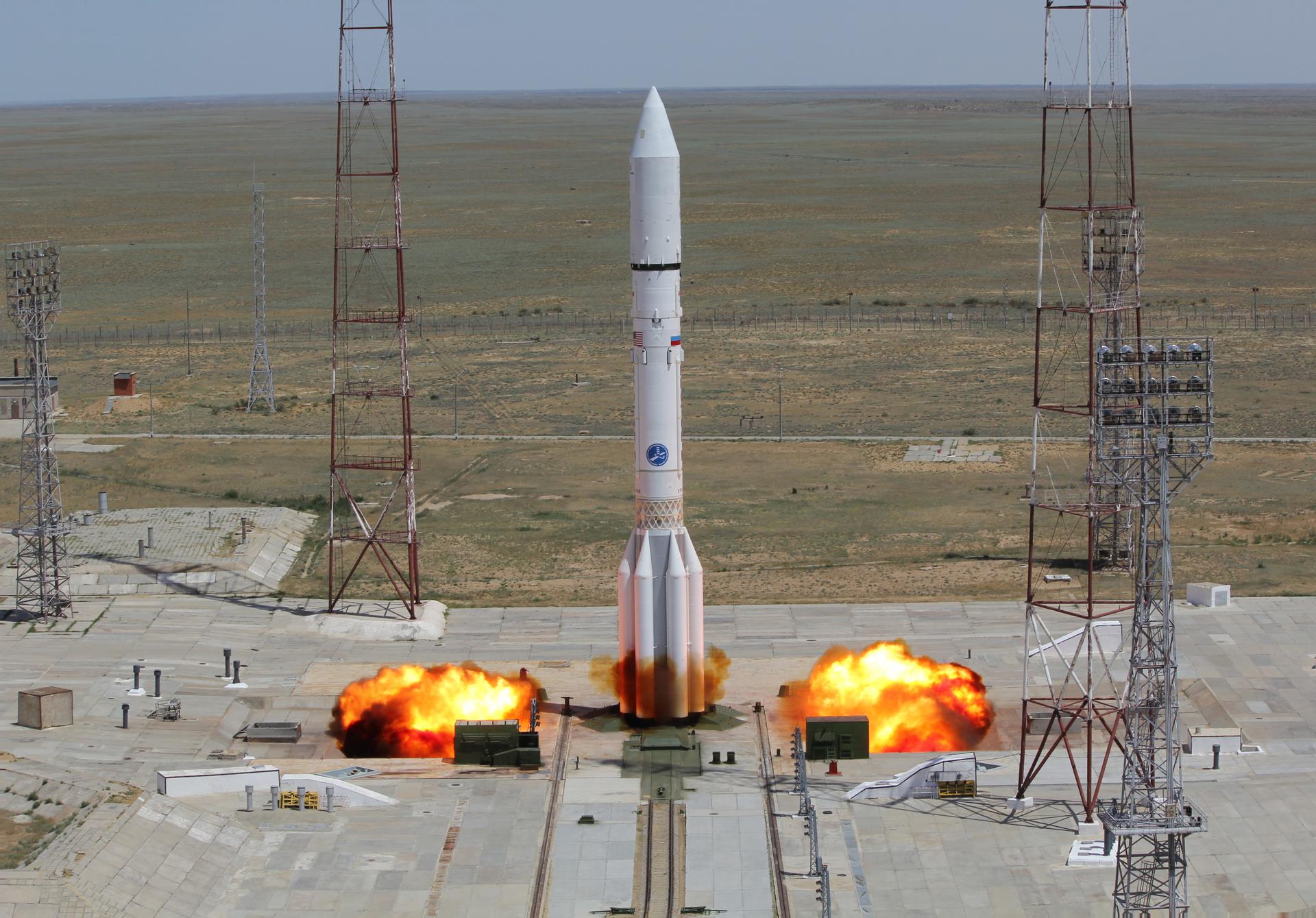
Varda Space's W-5 mission lands safely in Australia. Leonardo DRS wins SDA Tracking Layer Tranche 3 infrared payload contract. Senate passes $839B defense bill.

Northrop Grumman's GEM 63XL solid rocket booster passed static fire testing, but ULA's investigation into a February 2026 Vulcan in-flight anomaly remains open. No RTF date set.

SpaceX continues to push forward with significant milestones, including the launch of additional Starlink satellites and progress on spectrum acquisitions.
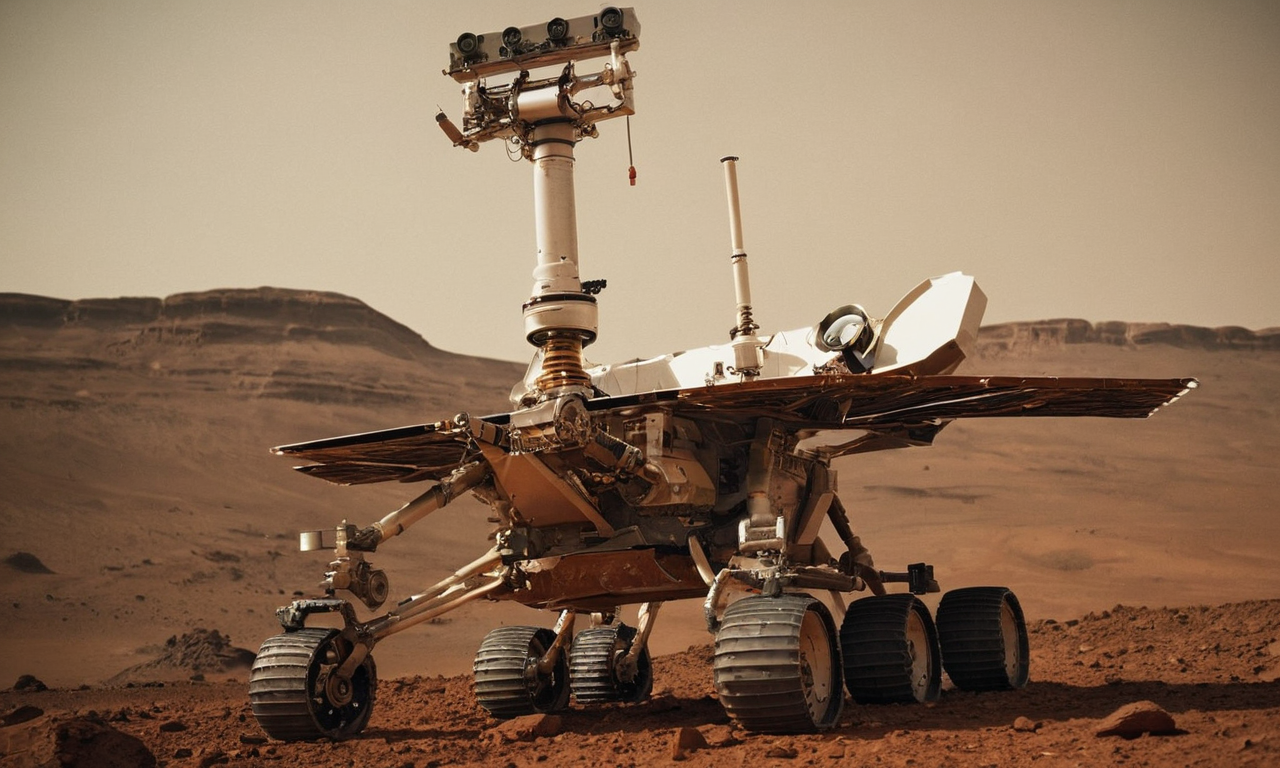
Twenty-one years ago, a golf cart-sized rover bounced to a stop inside a small crater on Mars, beginning one of the most remarkable chapters in space exploration history
Today's briefing highlights SpaceX's recent launch of spy satellites, a US Space Force contract for deep space tracking, and advancements in quantum communications in space.

Artemis 2's four-person crew splashed down April 10 after first crewed lunar flyby since Apollo 17. Orion performance data critical for Artemis 3 south pole landing planning.