MOLNIYA 1-71 (18946)

COSPAR: 1988-017A | Alt Name: Molniya-1

Image
MOLNIYA 1-71 Satellite Image
Additional Sources
Launch Details

Launch Date

March 11, 1988

Launch Pad

LC1

Launch Vehicle

Molniya 8K78M

Orbital Elements

NORAD ID

18946

International Designator

1988-017A

Epoch

Sat, 04 Jul 2026 05:17:13 GMT

Apogee

Calculating...

Perigee

Calculating...

Inclination

62.08°

Right Ascension

253.88°

Eccentricity

Calculating...

Argument of Perigee

268.38°

Period

716.46 min

Mean Motion

2.01 rev/day

Latitude

Calculating...

Longitude

Calculating...

Altitude

Calculating...

Velocity

Calculating...

Polar Plot
3D Visualization
Basic Satellite Info

Name

MOLNIYA 1-71

Alternative Name

Molniya-1

Type

Payload

Status

Unknown

Owner

UNKS

Country

USSR

Constellation

N/A

Related Satellites

Major Events

N/A

Latest TLEs
1 18946U 88017A   26185.22029546 -.00000292  00000-0 -19327-2 0  9993
2 18946  62.0797 253.8850 7306109 268.3777  15.1393  2.00988117280703

Source: Celestrak

Summary
MOLNIYA 1-71 (also known as Molniya-1) is a communication satellite with an OBJECT_ID of 1988-017A, launched on March 11, 1988, from the Tyuratam Space Center LC1 launch pad using the Molniya 8K78M launch vehicle. The spacecraft has dimensions of 4.4 meters in length and 1.4 meters in diameter with a span of 8.6 meters. It was manufactured by NPOPM and has a configuration known as KAUR-2, featuring 6 deployable solar arrays and batteries for power supply. Its dry mass is recorded at 1620 kg while its launch mass is 1650 kg. The satellite's mission purpose is communication, and it carries the Molniya-1T No. 80L payload. It operates in a Molniya orbit with an expected lifetime of 3 years.
Physical Characteristics

Length

4.4

Diameter

1.4

Span

8.6

Dry Mass

1620

Launch Mass

1650

Shape

Cyl + 6 Pan

Radar Cross Section

20.2422

Visual Magnitude

Unknown

Color

Unknown

Material Composition

Unknown

Technical Details

Payload

Molniya-1T No. 80L

Purpose

Communication

Mission

Communication

Manufacturer

NPOPM

Life Expectancy

3 years

Bus

Molniya-1

Configuration

KAUR-2

Motor

KDU-414A (S5.114)

Equipment

Unknown

Power System

6 deployable solar arrays, batteries

ADCS

Unknown

Transmitter Frequency

Unknown

Map
This tool will help you track the satellite's position and predict its upcoming passes over your location. Simply input the coordinates or click the geolocation button to get started.
Next Pass
Azimuth Elevation Time (Local)
Start Azimuth
Max Elevation
Stop Azimuth
Time Until
Pass Duration

Satellite Articles

View All Posts »

Learn more about satellites and other related topics.

Space Brief 13 Dec 2024

Space Brief 13 Dec 2024

Today's brief highlights the U.S. Space Force's upcoming modular satellite mission, increased military reliance on commercial space intelligence, and the demand for expanded commercial reserve support. Learn more about these advancements alongside our Satellite Spotlight on Yaogan-30 B.
X Report 5 Mar 2025

X Report 5 Mar 2025

SpaceX's busy launch schedule faces scrubs, while industry leaders call for infrastructure upgrades, highlighting challenges in the bustling space sector.

US Military Likely Jamming Iran Satellite Comms | KeepTrack Space Brief

US Military Likely Jamming Iran Satellite Comms | KeepTrack Space Brief

US military praised for space operations against Iran assessed as jamming or spoofing satellite communications. Electronic warfare effects invisible to orbital tracking data.

X Report 21 Jul 2025

X Report 21 Jul 2025

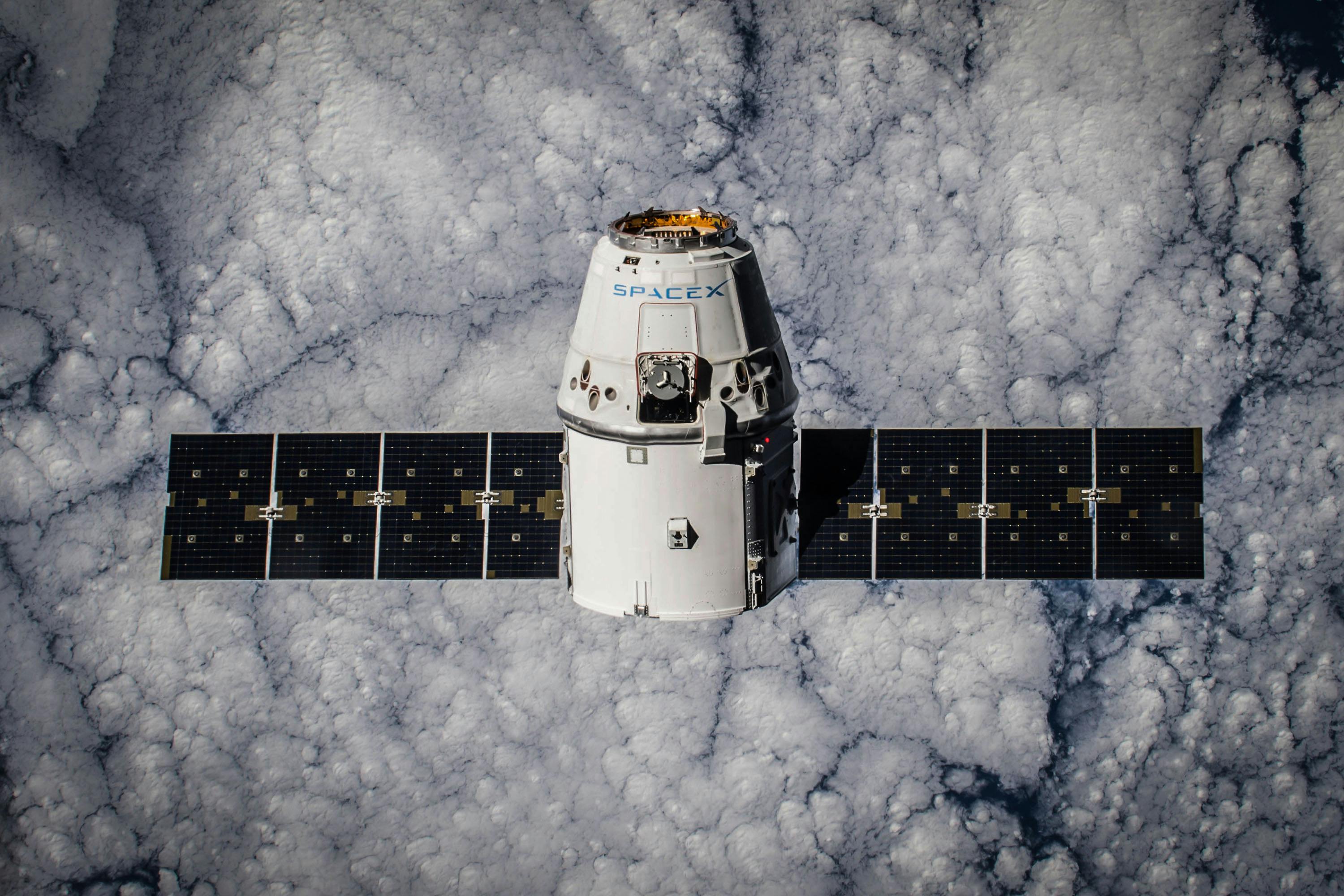
SpaceX successfully launched 24 Starlink satellites into polar orbit, enhancing global coverage. Meanwhile, NASA's Crew-11 is now in quarantine ahead of their upcoming ISS mission.

GPS III SV10 | The Last of Its Kind, and the First of What Comes Next

GPS III SV10 | The Last of Its Kind, and the First of What Comes Next

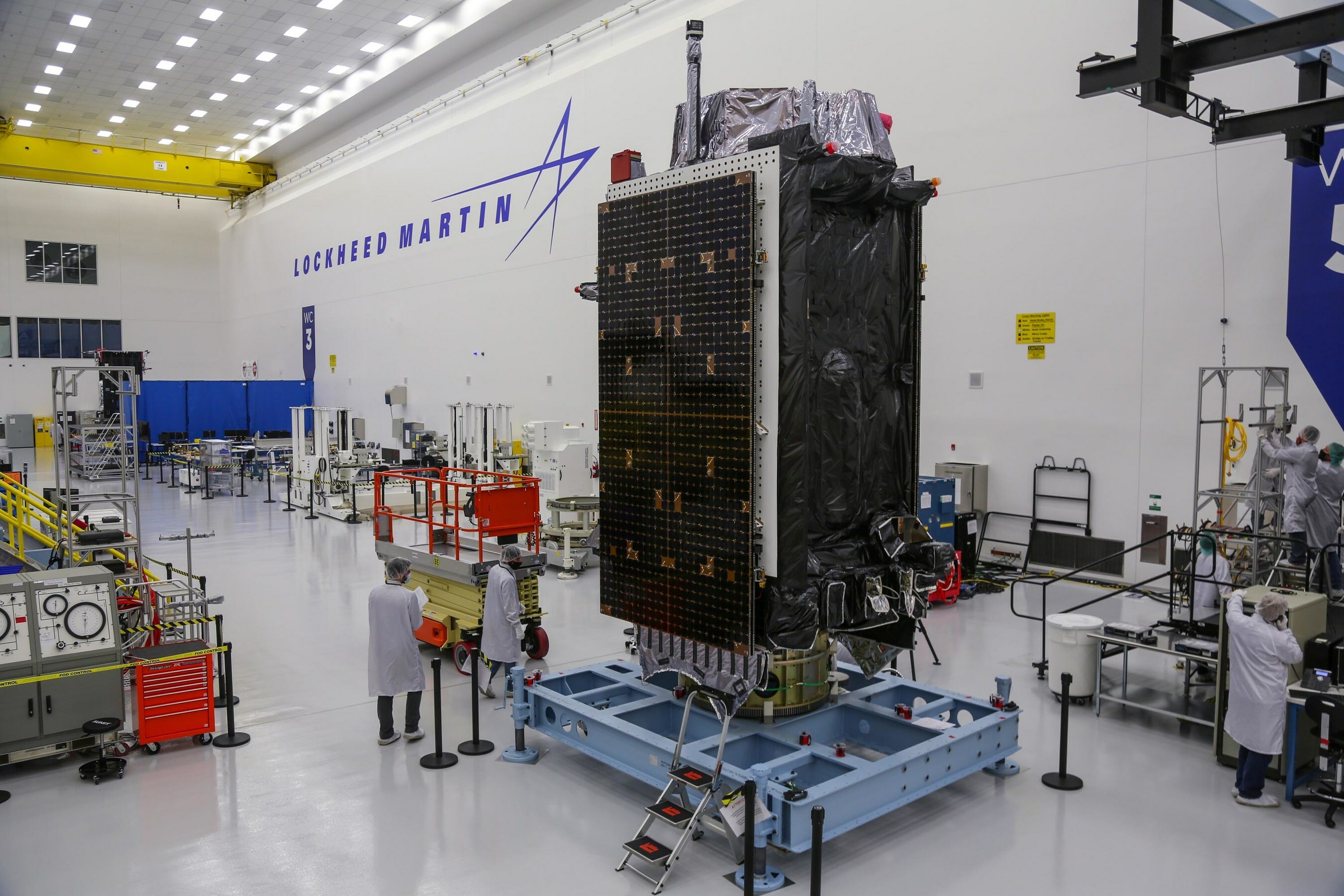
On April 21, 2026, the tenth and final GPS Block III satellite reached medium Earth orbit aboard a SpaceX Falcon 9. Named for Hedy Lamarr, the actress whose 1942 frequency-hopping patent underpins modern GPS, SV10 closes a procurement that took eight years to deliver hardware and opens the optical-crosslink era that will define the constellation's next decade.

The Day That Humans Discovered Rocket Fuel

The Day That Humans Discovered Rocket Fuel

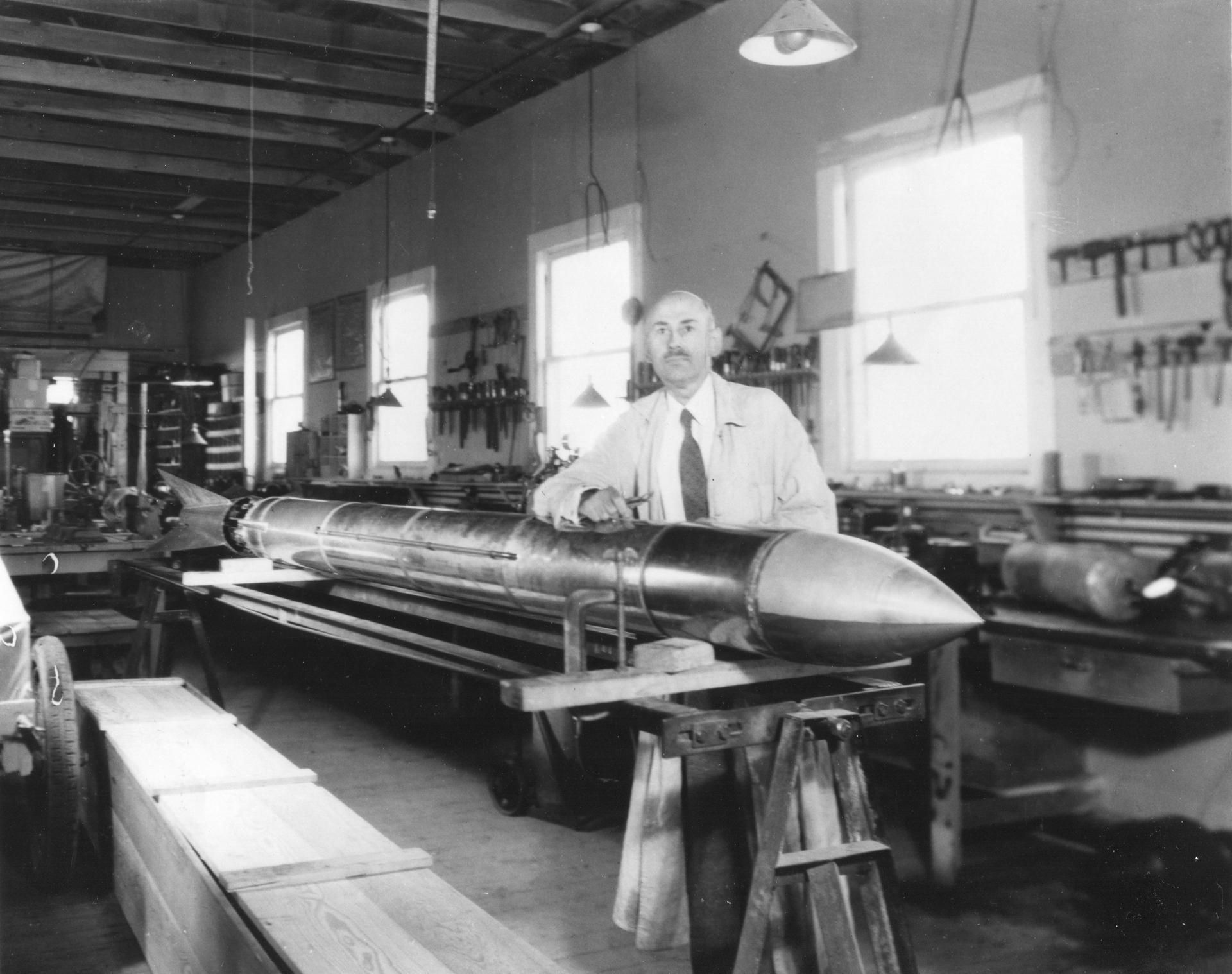
On February 2, 1909, Robert Goddard made a revolutionary breakthrough in his notebook: liquid oxygen and liquid hydrogen could achieve 50% efficiency in converting heat energy to kinetic energy for rocket propulsion

X Report 12 Jul 2025

X Report 12 Jul 2025

SpaceX prepares for the Crew-11 astronaut mission launch, while Starlink continues to expand its satellite network in orbit.

Space Force Buys Second Otter Spacecraft for On-Orbit Servicing | KeepTrack Space Brief

Space Force Buys Second Otter Spacecraft for On-Orbit Servicing | KeepTrack Space Brief

Space Force procures second Otter spacecraft for satellite repositioning. Momentus and NASA sign Space Act Agreement for orbital servicing tests. Pentagon delays contractor review.