COSMOS 1461 DEB (18869)

COSPAR: 1983-044FA | Alt Name: deb Kosmos-1461
DECAYED

Image
COSMOS 1461 DEB Satellite Image
Additional Sources
Launch Details

Launch Date

May 7, 1983

Launch Pad

LC90

Launch Vehicle

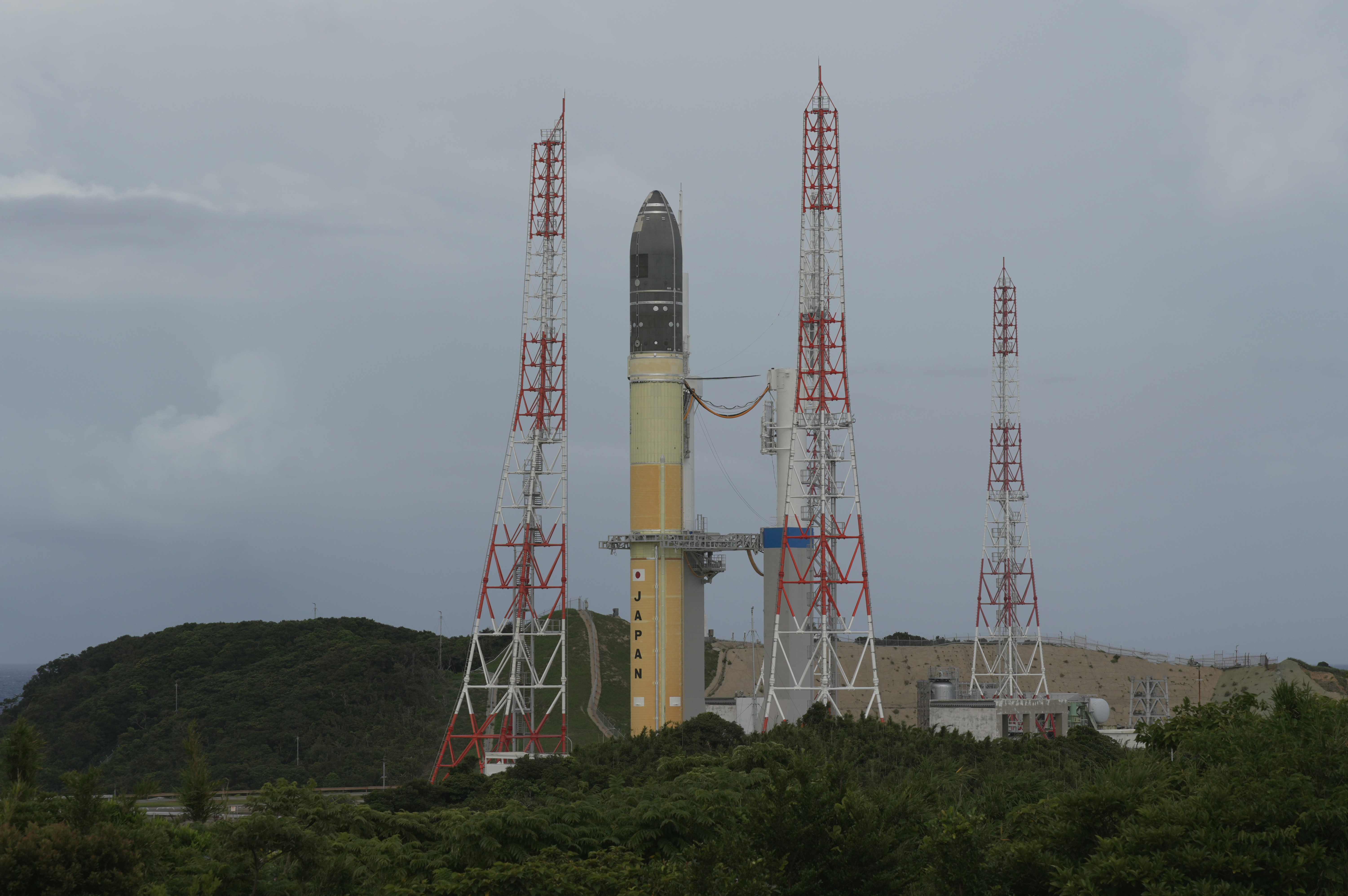
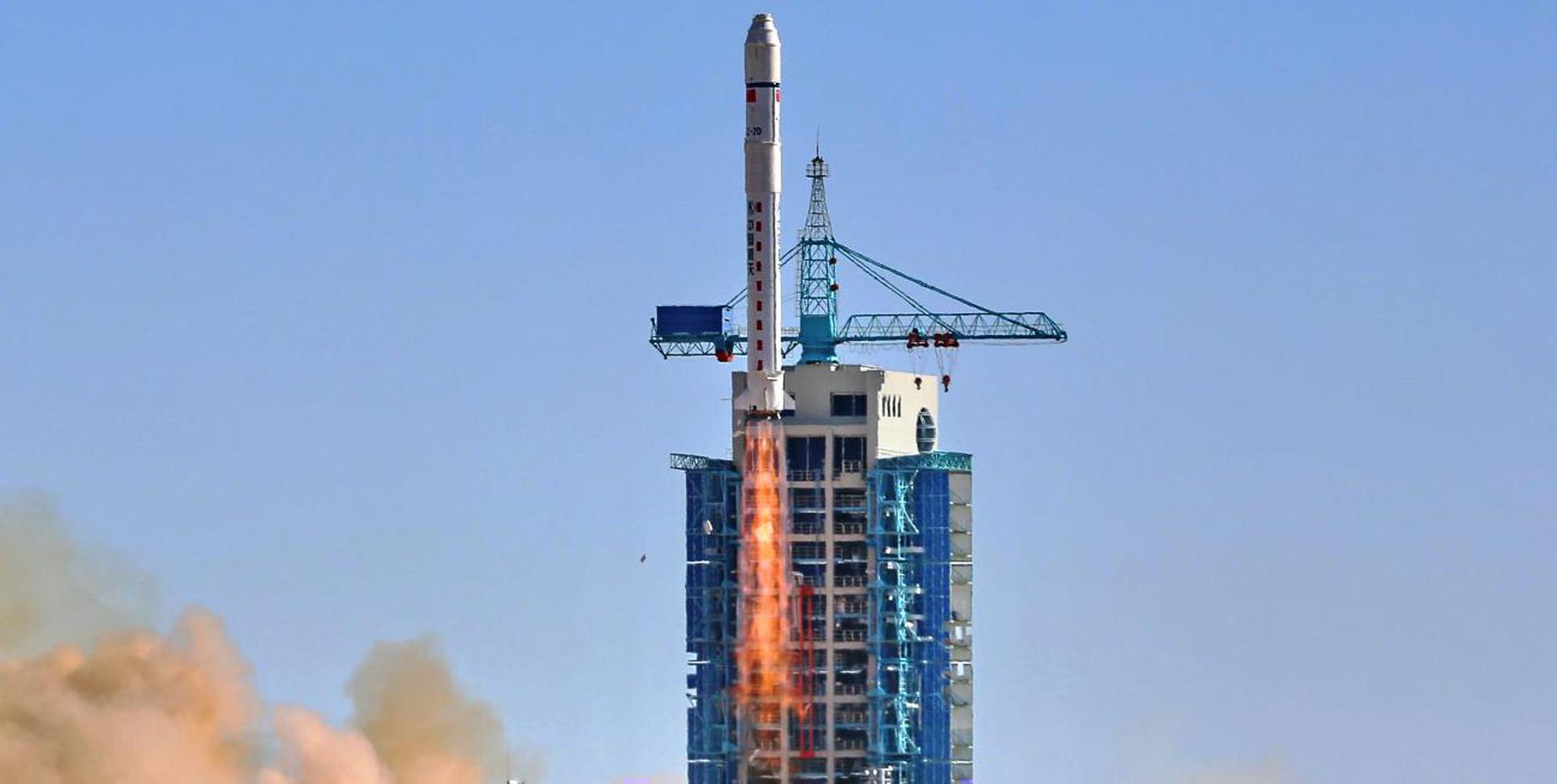
Tsiklon-2

Orbital Elements

NORAD ID

18869

International Designator

1983-044FA

Decay Date

11/2/1988

Basic Satellite Info

Name

COSMOS 1461 DEB

Alternative Name

deb Kosmos-1461

Type

Debris

Status

Space Junk

Owner

VMF

Country

USSR

Constellation

N/A

Related Satellites

Major Events

N/A

Summary
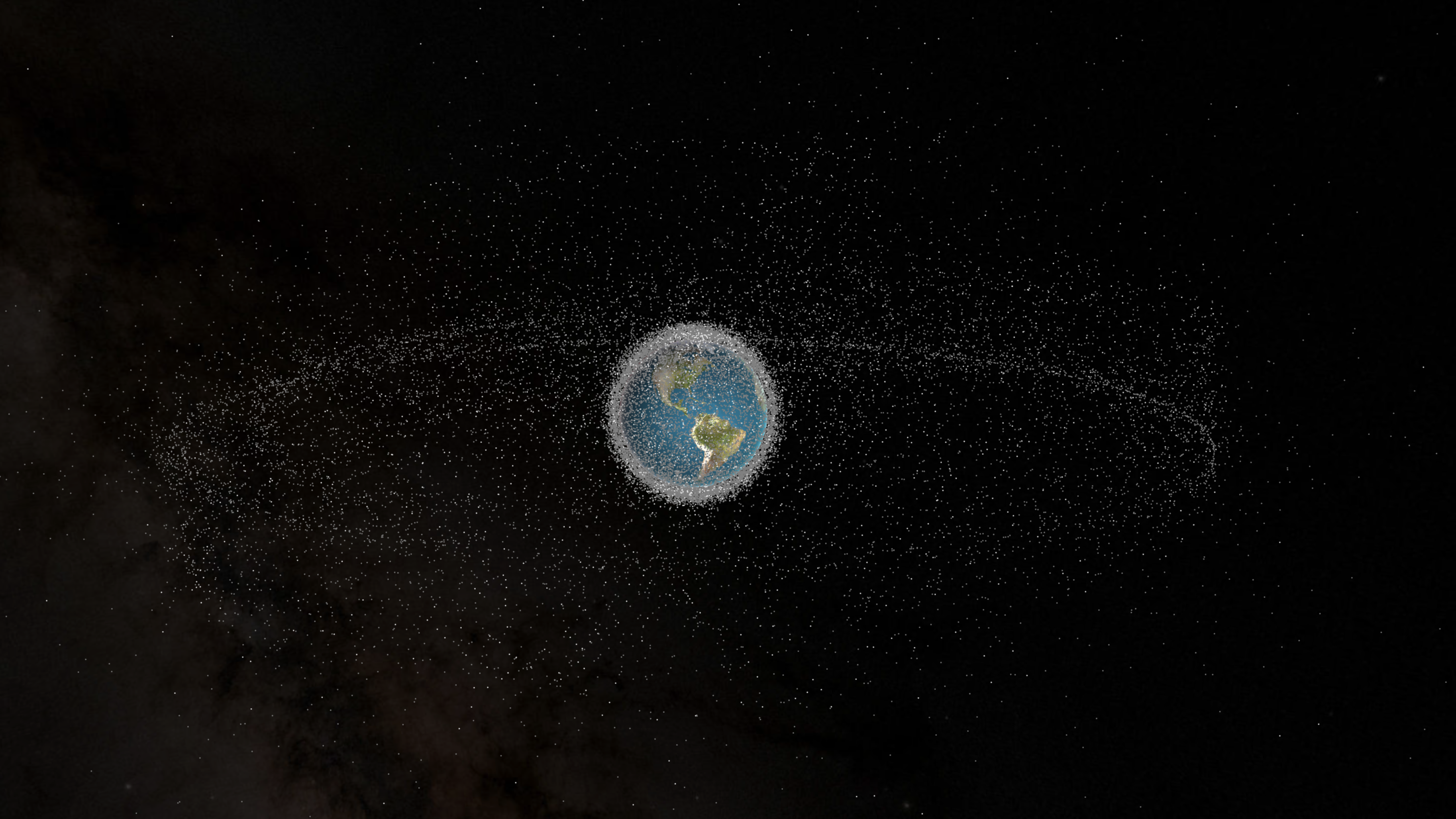
Space debris, also known as space junk, encompasses all non-functional objects orbiting Earth such as defunct satellites, spent rocket stages, and fragments from collisions or disintegrations. Over time, this debris can accumulate and create an increasingly hazardous environment in orbit. Even tiny fragments, traveling at extremely high velocities, can inflict significant damage on operational satellites and spacecraft. If left unmanaged, the density of debris raises the risk of catastrophic collisions and further fragmentation, compounding the problem and threatening the safety and sustainability of space activities.
Physical Characteristics

Length

0

Diameter

0

Span

0

Dry Mass

0

Launch Mass

0

Shape

N/A

Radar Cross Section

0.0159

Visual Magnitude

Unknown

Color

Unknown

Material Composition

Unknown

Technical Details

Payload

Unknown

Purpose

Unknown

Mission

Unknown

Manufacturer

Unknown

Life Expectancy

Unknown

Bus

Unknown

Configuration

Unknown

Motor

Unknown

Equipment

Unknown

Power System

Unknown

ADCS

Unknown

Transmitter Frequency

Unknown

Satellite Articles

View All Posts »

Learn more about satellites and other related topics.

Understanding Space Debris

Understanding Space Debris

From shattered satellites to exploded rocket stages, space debris poses a growing risk to satellites, space stations, and astronauts. Here's a deep dive into what causes space debris, notable generating events, and what we're doing about it.

NASA Pressures Blue Origin on HLS After New Glenn Explosion | KeepTrack Space Brief

NASA Pressures Blue Origin on HLS After New Glenn Explosion | KeepTrack Space Brief

NASA demands Blue Origin find alternate launcher for Artemis moon landers after New Glenn test explosion damaged Cape Canaveral LC-36. Schedule risk to lunar missions.

Space Brief 20 Sep 2025

Space Brief 20 Sep 2025

Today's highlights include SpaceX's Starlink launch, NASA's revived lunar mission, and a spotlight on space-defense activities.

Intel Partners on Musk's Terafab AI Chip Fab | KeepTrack X Report

Intel Partners on Musk's Terafab AI Chip Fab | KeepTrack X Report

Intel joins Terafab, Elon Musk's Austin AI chip complex, to supply SpaceX and Tesla as Falcon 9 prepares a Cygnus ISS run.

House Backs $55.5B Space Force Budget, Excludes $350B Reconciliation | KeepTrack Space Brief

House Backs $55.5B Space Force Budget, Excludes $350B Reconciliation | KeepTrack Space Brief

House appropriators approved $55.5 billion for Space Force but omitted $350 billion reconciliation funds, threatening Golden Dome and large-scale space programs' acquisition timelines.

SpaceX Preps Starlink 6-96 Launch, Starship TPS Testing Continues at Starbase | KeepTrack X Report

SpaceX Preps Starlink 6-96 Launch, Starship TPS Testing Continues at Starbase | KeepTrack X Report

SpaceX readies Starlink 6-96 launch of 29 satellites from Cape Canaveral. Thermal Protection System evaluations underway at Starbase for next Starship prototypes. SpaceX IPO expected to reshape market.

Space Force Buys Second Otter Spacecraft for On-Orbit Servicing | KeepTrack Space Brief

Space Force Buys Second Otter Spacecraft for On-Orbit Servicing | KeepTrack Space Brief

Space Force procures second Otter spacecraft for satellite repositioning. Momentus and NASA sign Space Act Agreement for orbital servicing tests. Pentagon delays contractor review.

Starlink 10-50 Launches With Semiconductor Payload Aboard | KeepTrack X Report

Starlink 10-50 Launches With Semiconductor Payload Aboard | KeepTrack X Report

A Falcon 9 lifted off from SLC-40 at 6:50 a.m. EDT carrying Starlink satellites and Besxar Space Industries semiconductor test pods.