COSMOS 1916 (18823)

COSPAR: 1988-007A | Alt Name: Kosmos-1916
DECAYED

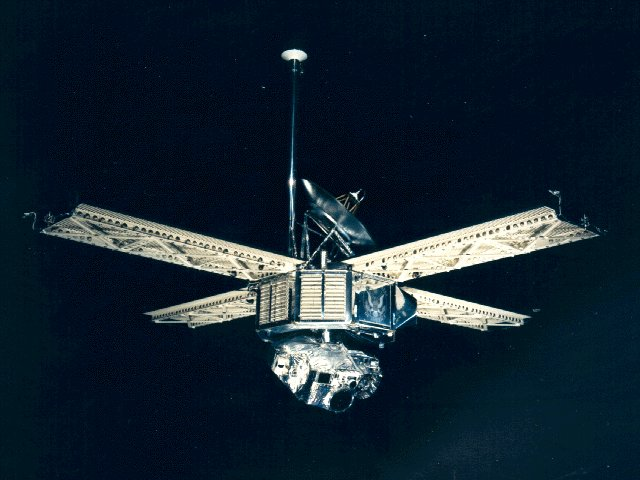
Image
COSMOS 1916 Satellite Image
Additional Sources
Launch Details

Launch Date

February 3, 1988

Launch Pad

LC31

Launch Vehicle

Soyuz-U

Orbital Elements

NORAD ID

18823

International Designator

1988-007A

Decay Date

2/29/1988

Basic Satellite Info

Name

COSMOS 1916

Alternative Name

Kosmos-1916

Type

Payload

Status

Decayed

Owner

UNKS

Country

USSR

Constellation

N/A

Related Satellites

Major Events

N/A

Summary
COSMOS 1916, also known as Kosmos-1916, is a reconnaissance satellite launched on February 3, 1988, from the TYMSC LC31 launch pad using a Soyuz-U vehicle. The spacecraft, manufactured by TSSKB and designated as Yantar'-4K2, consists of a Yantar Bus with a main reentry module and two small reentry capsules designed for film return type reconnaissance missions. It has dimensions of 6.3 meters in length and 2.7 meters in diameter, weighing 2886 kilograms both at launch and dry mass. The satellite is equipped with deployable solar arrays and batteries for power supply. Its shape is characterized as a cylinder with two panels (Cyl + 2 Pan), and its reflective surface area (RCS) is 42.93 square meters. The mission was operated by an unknown entity (UNKS).
Physical Characteristics

Length

6.3

Diameter

2.7

Span

6.3

Dry Mass

2886

Launch Mass

2886

Shape

Cyl + 2 Pan

Radar Cross Section

42.93

Visual Magnitude

Unknown

Color

Unknown

Material Composition

Unknown

Technical Details

Payload

Kobal't No. 515

Purpose

Reconnaissance, photo (film return type)

Mission

Reconnaissance, photo (film return type)

Manufacturer

TSSKB

Life Expectancy

Unknown

Bus

Yantar'-4K2

Configuration

Yantar Bus, main reentry module, 2 small reentry capsules

Motor

Unknown

Equipment

Unknown

Power System

2 deployable solar arrays, batteries

ADCS

Unknown

Transmitter Frequency

Unknown

Satellite Articles

View All Posts »

Learn more about satellites and other related topics.

Boeing Starliner Faces New Setbacks, Stranding NASA Astronauts on ISS

Boeing Starliner Faces New Setbacks, Stranding NASA Astronauts on ISS

Boeing's Starliner spacecraft encounters thruster problems and helium leaks during its first crewed mission, potentially delaying the return of NASA astronauts from the International Space Station.

Space Brief 21 Sep 2025

Space Brief 21 Sep 2025

Today's Space Brief covers a significant signals intelligence launch, a record-breaking satellite deployment in China, a glimpse into the newest stealth drone, a potential delay for NASA's lunar lander, and more exciting updates from satellite world.

GPS III SV10 Launches on Falcon 9, X Report 20 Apr 2026

GPS III SV10 Launches on Falcon 9, X Report 20 Apr 2026

GPS III SV10 launched April 21 on a SpaceX Falcon 9 with 3x better accuracy and 8x anti-jamming. Starlink stands at 10,263 working satellites.

X Report 31 Dec 2025

X Report 31 Dec 2025

Vandenberg Space Force Base opens a new launch site that may accommodate SpaceX's Starship. Meanwhile, Starlink continues to expand its service capabilities.

The $30 Million Toilet That Keeps Breaking on the Way to the Moon

The $30 Million Toilet That Keeps Breaking on the Way to the Moon

Sixty years of space toilet engineering, a decade of development, and a $30 million contract - and the Artemis II crew still had to pee in bags on Day 1.

Space Brief 23 Nov 2025

Space Brief 23 Nov 2025

Today's highlights include a space debris incident involving China's spacecraft, development advancements for military space missions, and a notable setback for SpaceX's Starship booster.

Falcon 9 Booster Hits Record 35th Flight | KeepTrack X Report

Falcon 9 Booster Hits Record 35th Flight | KeepTrack X Report

A Falcon 9 booster sets a reusability record on its 35th flight during the Starlink 10-35 mission, the constellation's 53rd dedicated launch.

The Day America Gained New Eyes on Mars

The Day America Gained New Eyes on Mars

Fifty-six years ago, a revolutionary spacecraft launched toward the Red Planet after being saved from disaster by two quick-thinking technicians who risked their lives to prevent a rocket collapse