


Space Force Picks Boeing 702MP for MUOS Follow-On | KeepTrack Space Brief
U.S. Space Force selects Boeing's 702MP spacecraft for next-generation MUOS satellites. Rocket Lab delivers Synspective's 10th StriX radar satellite. Track both missions.


Launch Date
December 21, 1987
Launch Site
PLMSC
Launch Pad
LC41/1
Launch Vehicle
Molniya 8K78M
NORAD ID
18701
International Designator
1987-105A
Epoch
Fri, 26 Jun 2026 02:57:37 GMT
Apogee
Calculating...
Perigee
Calculating...
Inclination
69.02°
Right Ascension
193.94°
Eccentricity
Calculating...
Argument of Perigee
95.09°
Period
717.45 min
Mean Motion
2.01 rev/day
Latitude
Calculating...
Longitude
Calculating...
Altitude
Calculating...
Velocity
Calculating...
Name
COSMOS 1903
Alternative Name
Kosmos-1903
Type
Status
Owner
PVO
Country
USSR
Constellation
N/A
Related Satellites
Major Events
N/A
1 18701U 87105A 26177.12335236 .00000177 00000-0 00000-0 0 9991
2 18701 69.0165 193.9414 4421744 95.0865 315.1902 2.00710482282856
Source: Celestrak
Length
4
Diameter
2
Span
5
Dry Mass
1150
Launch Mass
1250
Shape
Cyl + 2 Pan
Radar Cross Section
13.0846
Visual Magnitude
Unknown
Color
Unknown
Material Composition
Unknown
Payload
Oko 73D6 No. 6040
Purpose
Early warning
Mission
Early warning
Manufacturer
NPOL/KOMET
Life Expectancy
Unknown
Bus
Oko
Configuration
Unknown
Motor
Unknown
Equipment
Unknown
Power System
2 deployable fixed solar arrays, batteries
ADCS
Unknown
Transmitter Frequency
Unknown
Learn more about satellites and other related topics.
U.S. Space Force selects Boeing's 702MP spacecraft for next-generation MUOS satellites. Rocket Lab delivers Synspective's 10th StriX radar satellite. Track both missions.

SpaceX faces challenges with a Falcon 9 reentry issue, while continuing to expand its Starlink constellation with new launches.
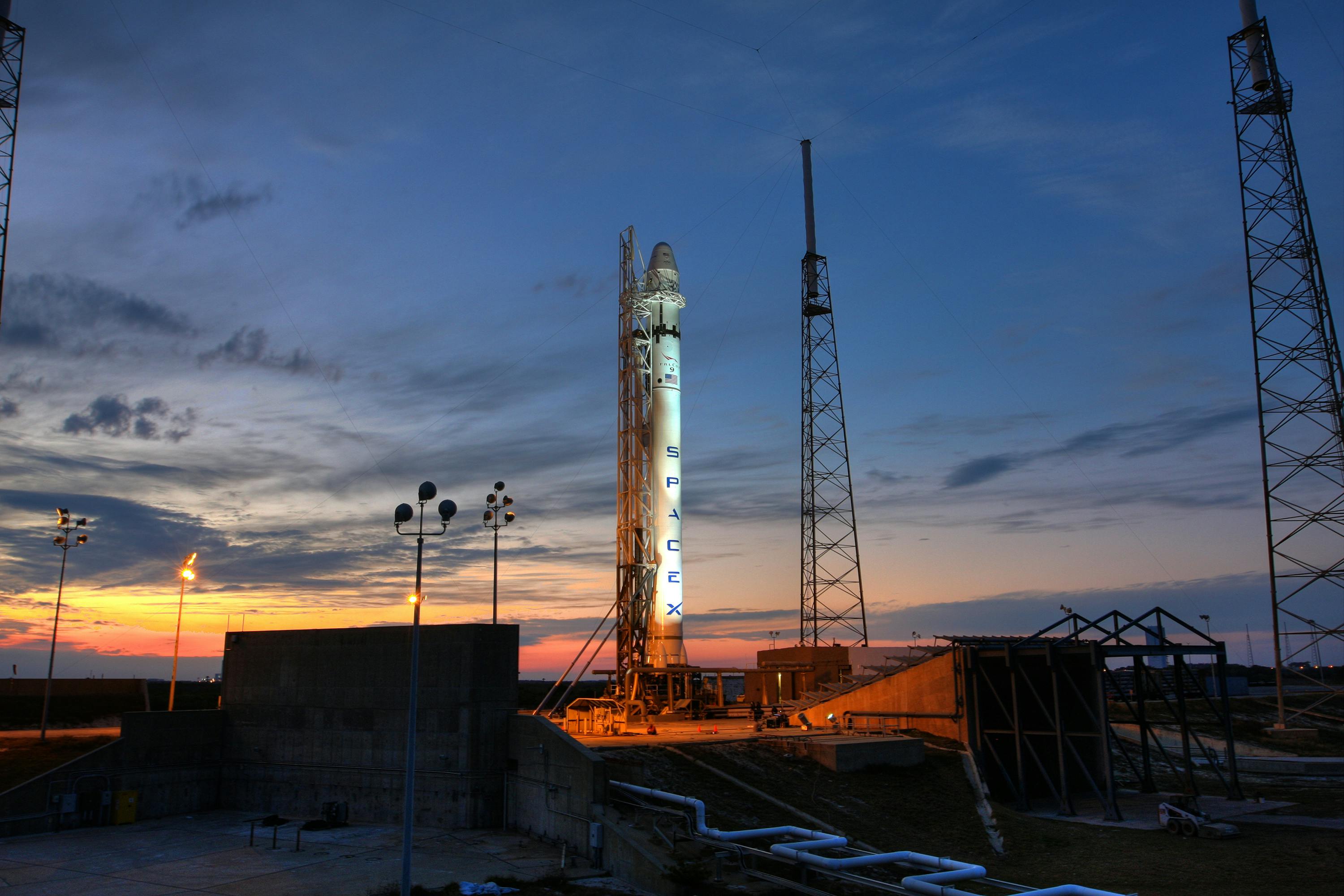
SpaceX launches 29 Starlink satellites in first deployment since recent satellite issues. Falcon 9 also delivers Italy's COSMO-SkyMed CSG-FM3 from Vandenberg. Starship plans solidified for 2026.
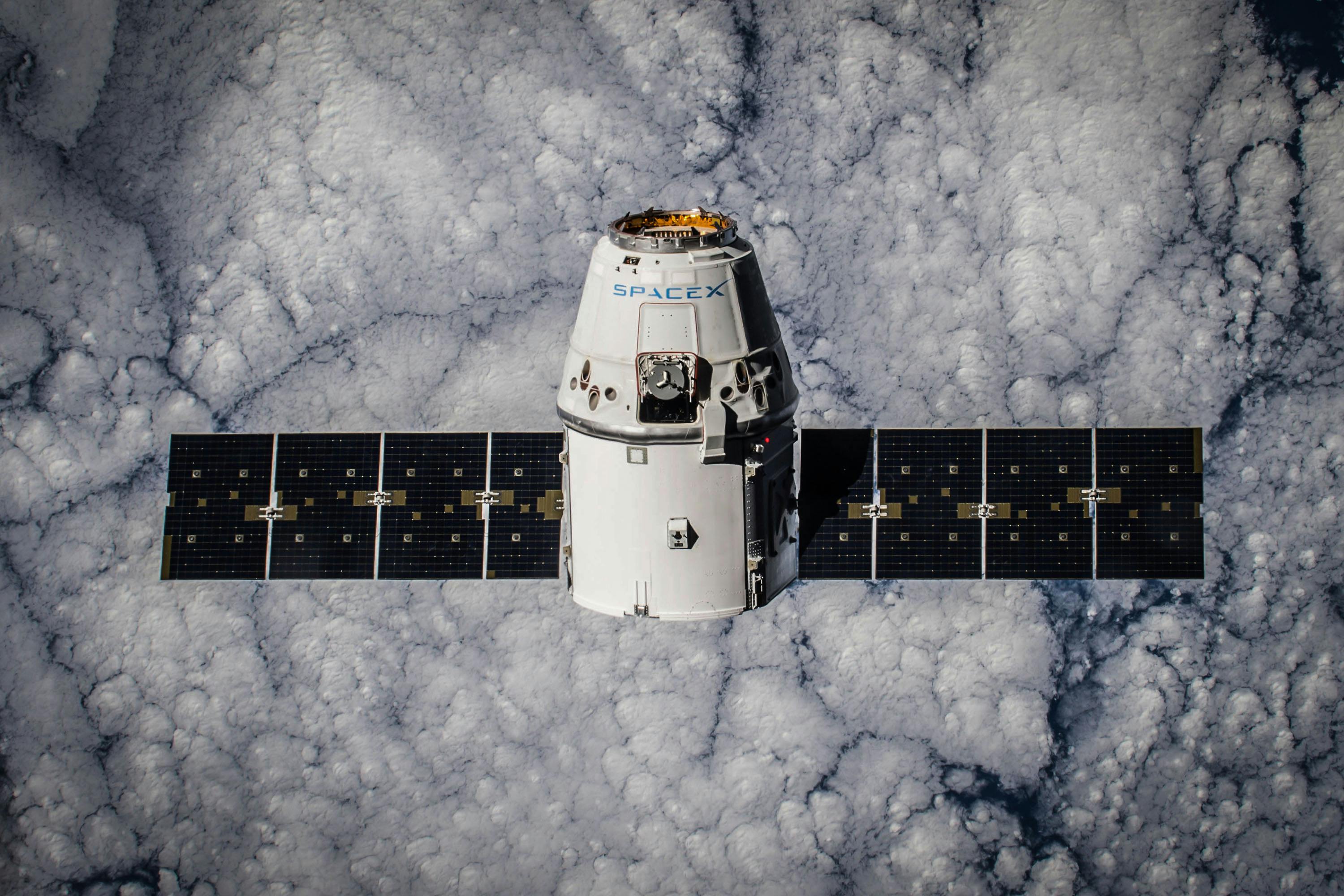
Starlink shifts to monthly hardware rental fees while SpaceX preps Booster 20 for Flight 13 — 10,558 satellites now operational worldwide.
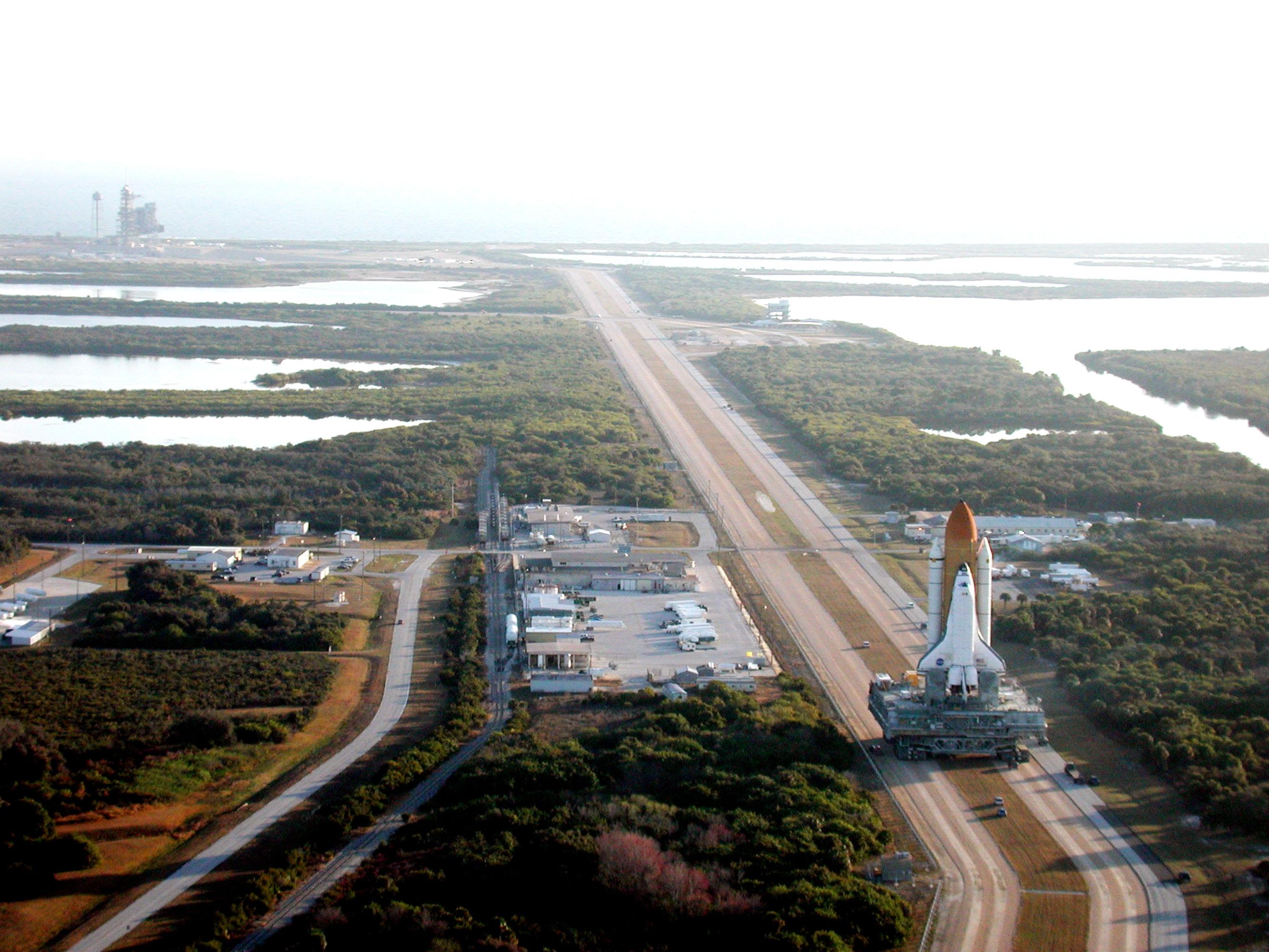
Twenty-four years ago, two spacewalking astronauts battled an ammonia leak while installing the U.S. Laboratory module Destiny, transforming the International Space Station from a construction site to a world-class research facility
The laser-based crosslinks that turn Starlink into a mesh, anchor the SDA Transport Layer, and just made their GPS debut on GPS III SV10 - quietly rewriting how data moves through space.
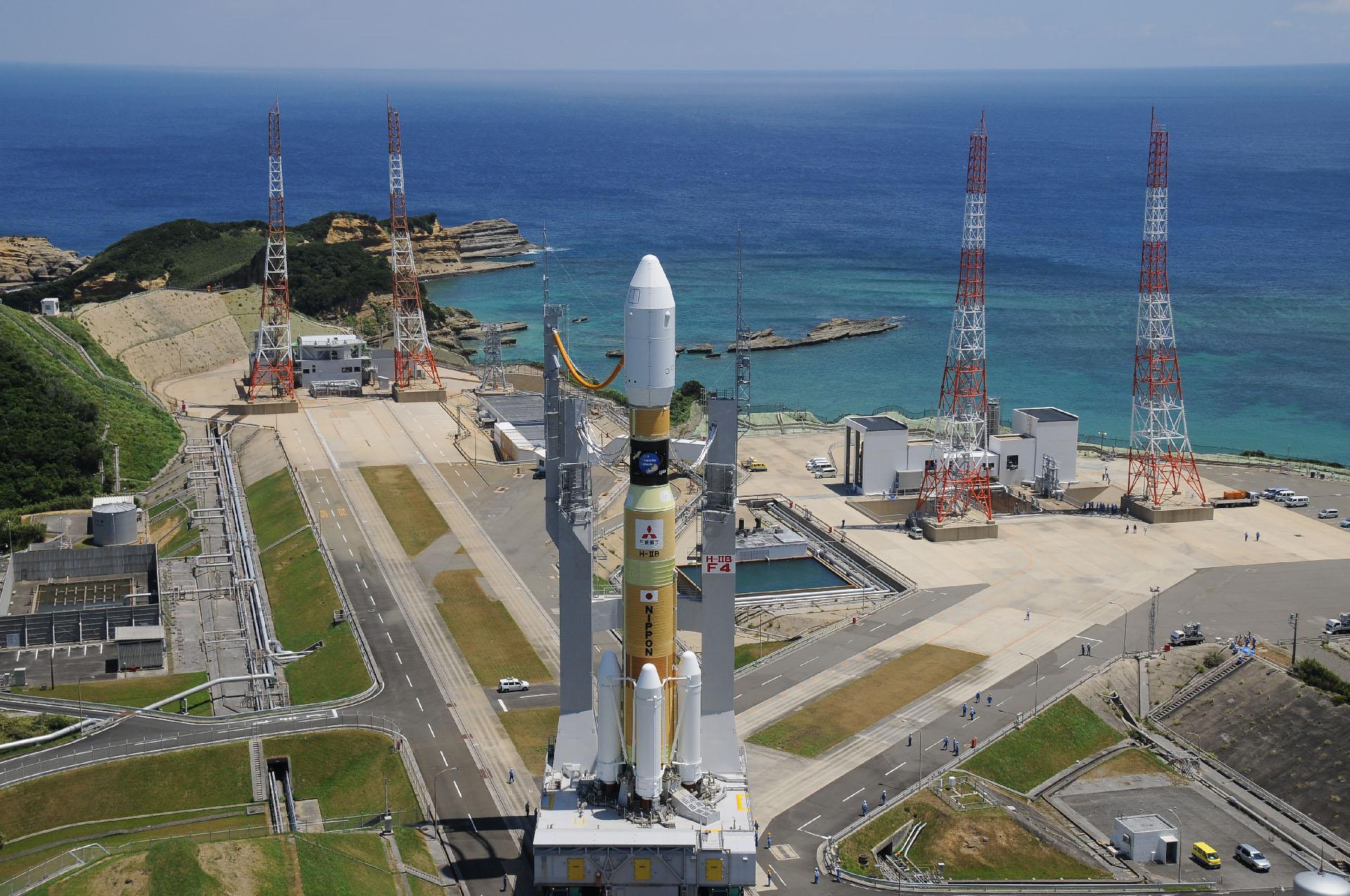
New Glenn's upper stage malfunctioned April 19, stranding AST SpaceMobile's BlueBird 7; the satellite is lost. Vulcan may fly without solid boosters.
Exciting advancements from SpaceX's Fram2 mission and the pivotal role of biotech in space exploration.