


Space Brief 14 Mar 2025
Today’s highlights include new defense initiatives in the U.S., potential strategic shifts in Europe, and the establishment of council to counter security threats.


Launch Date
December 14, 1987
Launch Site
Launch Pad
LC31
Launch Vehicle
Soyuz-U
NORAD ID
18667
International Designator
1987-102B
Decay Date
12/20/1987
Name
SL-4 R/B
Alternative Name
Soyuz-U 15-943 Blok-I
Type
Status
Owner
RVSN
Country
USSR
Constellation
N/A
Related Satellites
Major Events
N/A
Length
6.7
Diameter
2.7
Span
6.7
Dry Mass
2350
Launch Mass
2350
Shape
Cyl
Radar Cross Section
61.87
Visual Magnitude
Unknown
Color
Unknown
Material Composition
Unknown
Payload
11S510
Purpose
Unknown
Mission
Unknown
Manufacturer
PROG
Life Expectancy
Unknown
Bus
Blok-I
Configuration
Unknown
Motor
Unknown
Equipment
Unknown
Power System
Unknown
ADCS
Unknown
Transmitter Frequency
Unknown
Learn more about satellites and other related topics.
Today’s highlights include new defense initiatives in the U.S., potential strategic shifts in Europe, and the establishment of council to counter security threats.
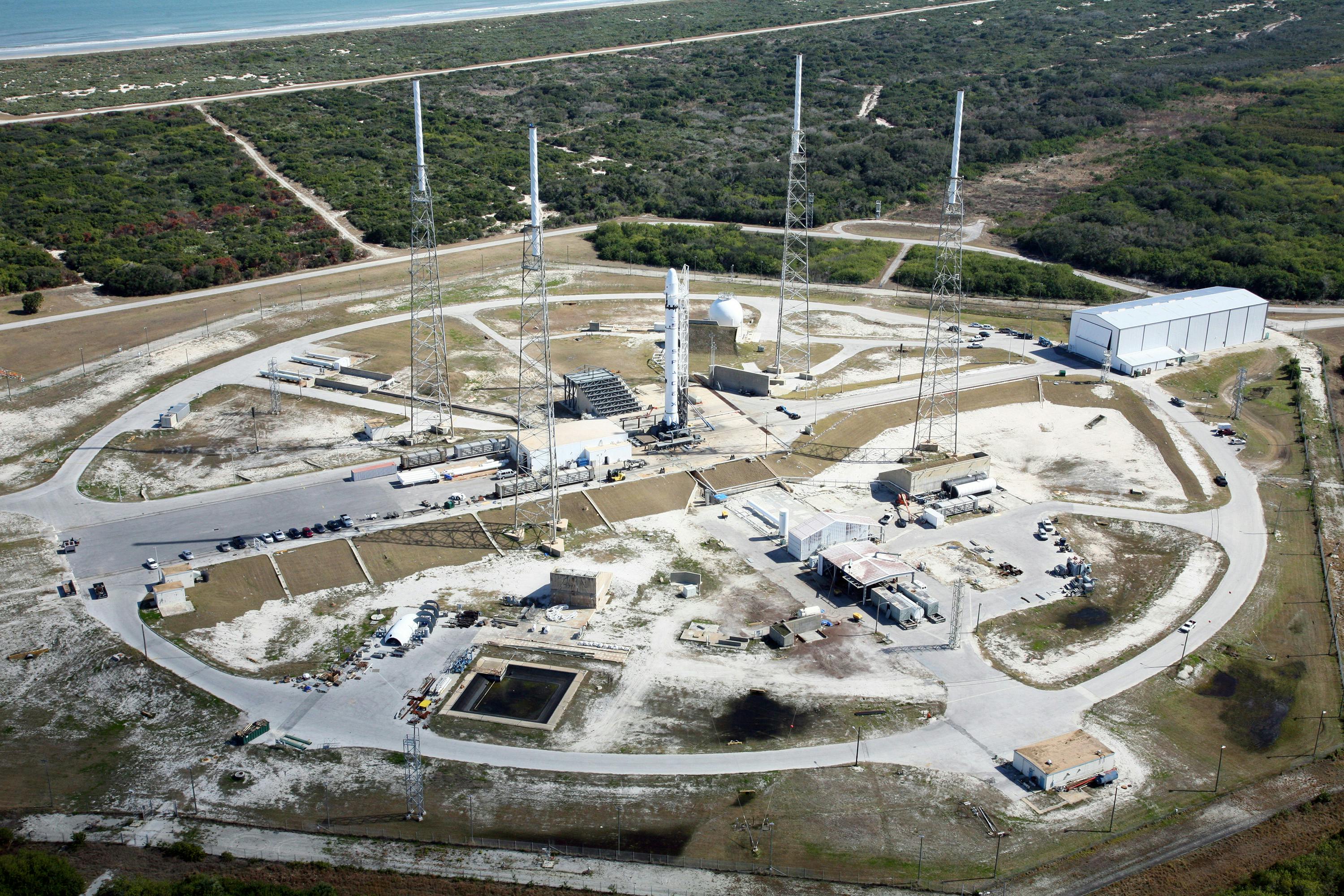
SpaceX's Transporter-17 rideshare carried 81 payloads including history's first nuclear-powered commercial satellite on July 7.

SpaceX's secretive Starfall reentry demo launched June 23 as Starmind AI constellation targets 1M orbital compute nodes.

The bustling downtown of space: where most satellites operate, communication networks bloom, and the challenges of atmospheric drag and radiation shape our approach to space operations
Today's Space Brief covers a major partnership in space tech distribution, China's orbital refueling preparations under U.S. scrutiny, recent U.S. defense budget reveals, and an exciting hyperspectral imagery release from Xplore.
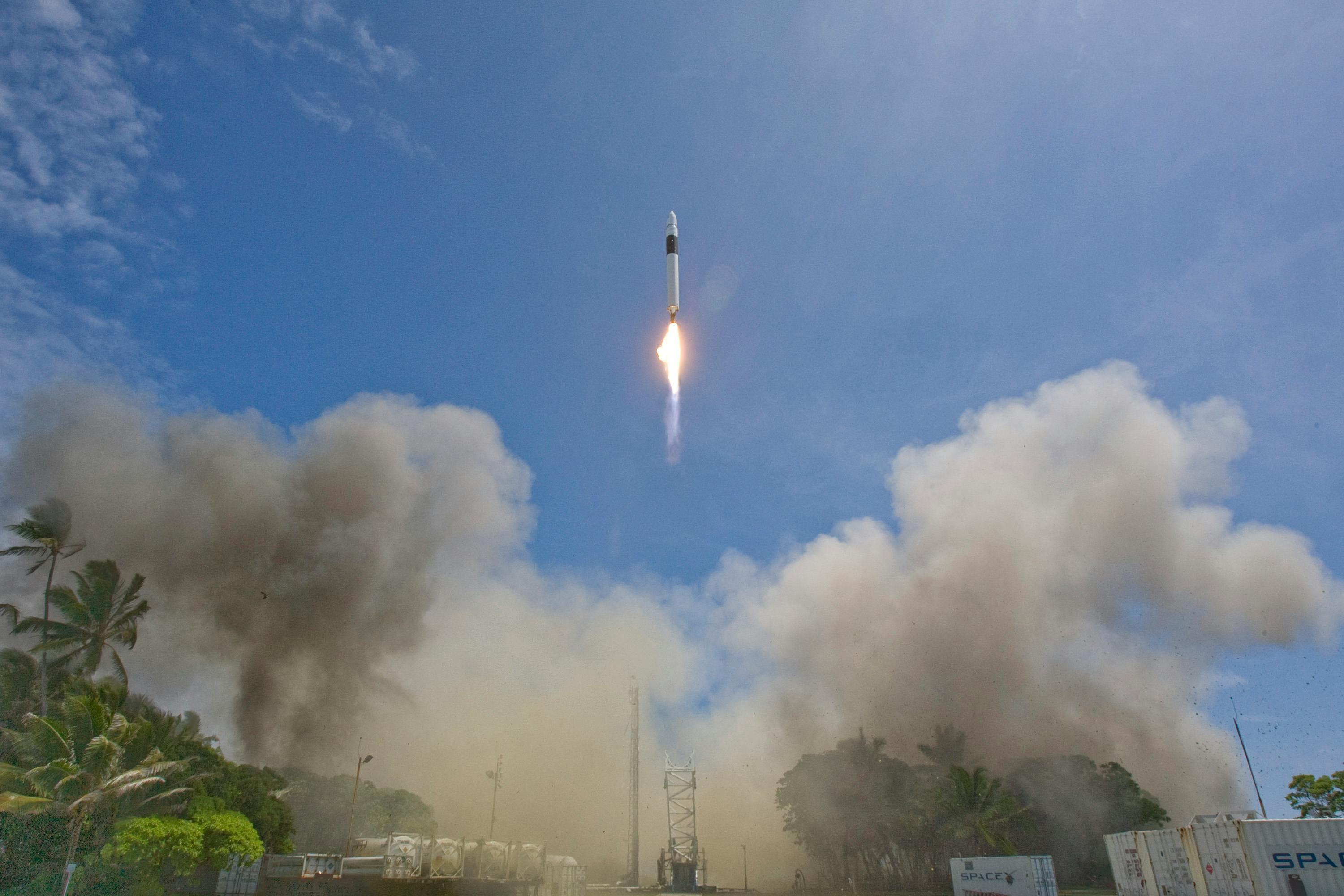
SpaceX celebrates significant milestones with its Starship preparations, approaches a landmark Falcon booster landing, and enhances the ISS orbit with Dragon technology.
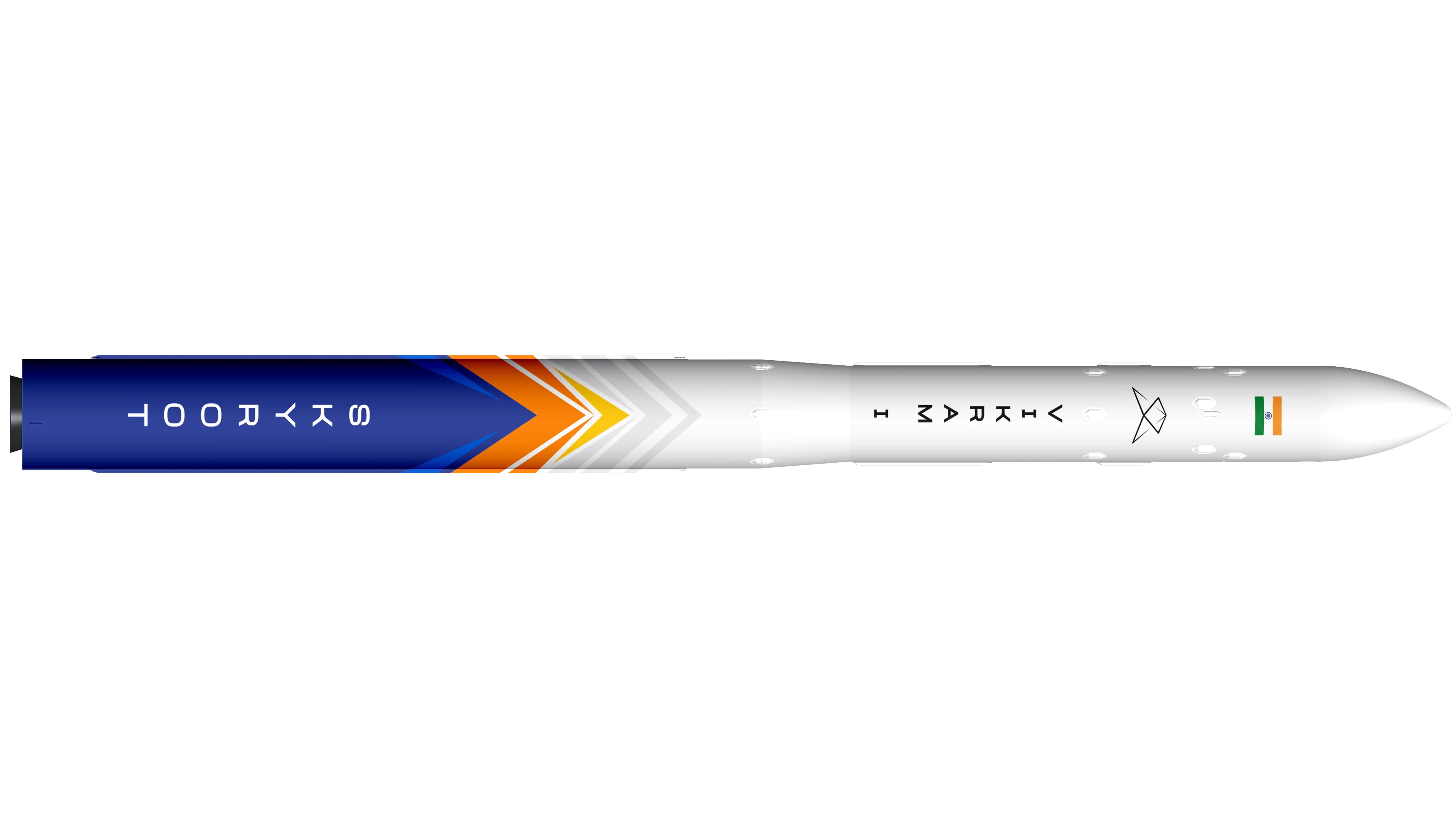
Pentagon's DIU seeks commercial partners for GEO spy satellites. SpaceX unveils space traffic management system. Bahamas rocket landings resume. GPS III falls short in modern warfare.
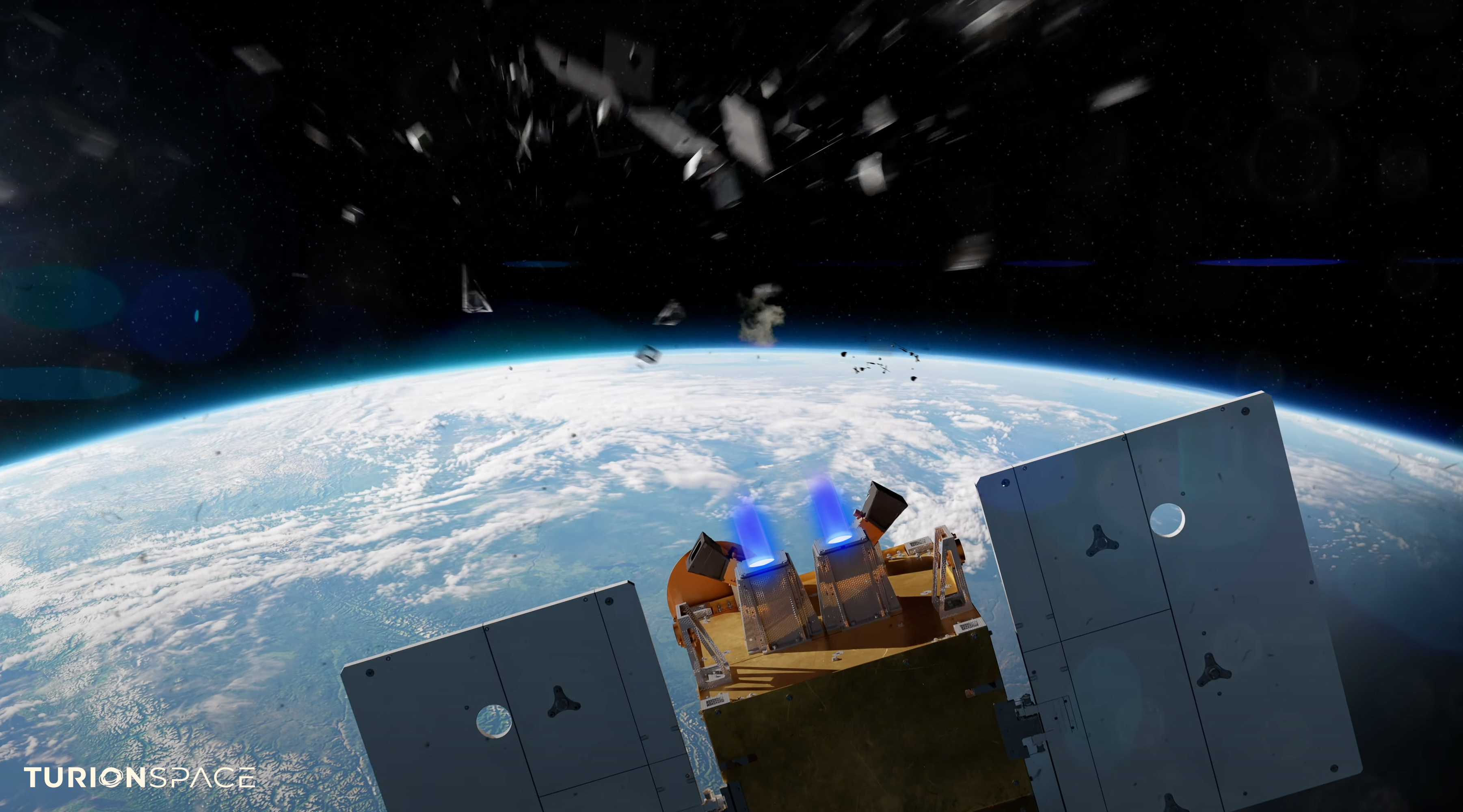
A 90-kilogram spacecraft with iodine thrusters and two Australian-built cameras is quietly building the case that tracking space debris is a business worth billions - and that a four-year-old startup from Irvine can own it.