


X Report 21 Jun 2025
Today's report highlights the causes behind a recent Starship explosion, a significant delay in Axiom-4's launch, and the ongoing tension surrounding SpaceX's market dominance.



Launch Date
September 16, 1987
Launch Site
AFWTR
Launch Pad
SLC5
Launch Vehicle
Scout G-1
NORAD ID
18561
International Designator
1987-080G
Epoch
Sat, 04 Jul 2026 06:04:49 GMT
Apogee
Calculating...
Perigee
Calculating...
Inclination
90.36°
Right Ascension
110.76°
Eccentricity
Calculating...
Argument of Perigee
17.37°
Period
106.40 min
Mean Motion
13.53 rev/day
Latitude
Calculating...
Longitude
Calculating...
Altitude
Calculating...
Velocity
Calculating...
Name
SCOUT G-1 DEB
Alternative Name
SOOS-2 adapter
Type
Status
Owner
NAVAIR
Country
United States
Constellation
N/A
Related Satellites
Major Events
N/A
1 18561U 87080G 26185.25335291 .00000401 00000-0 56305-3 0 9993
2 18561 90.3572 110.7561 0111585 17.3735 133.1332 13.53333907909659
Source: Celestrak
Length
0
Diameter
0
Span
0
Dry Mass
0
Launch Mass
0
Shape
N/A
Radar Cross Section
0.0184
Visual Magnitude
Unknown
Color
Unknown
Material Composition
Unknown
Payload
Unknown
Purpose
Unknown
Mission
Unknown
Manufacturer
Unknown
Life Expectancy
Unknown
Bus
Unknown
Configuration
Unknown
Motor
Unknown
Equipment
Unknown
Power System
Unknown
ADCS
Unknown
Transmitter Frequency
Unknown
Learn more about satellites and other related topics.
Today's report highlights the causes behind a recent Starship explosion, a significant delay in Axiom-4's launch, and the ongoing tension surrounding SpaceX's market dominance.
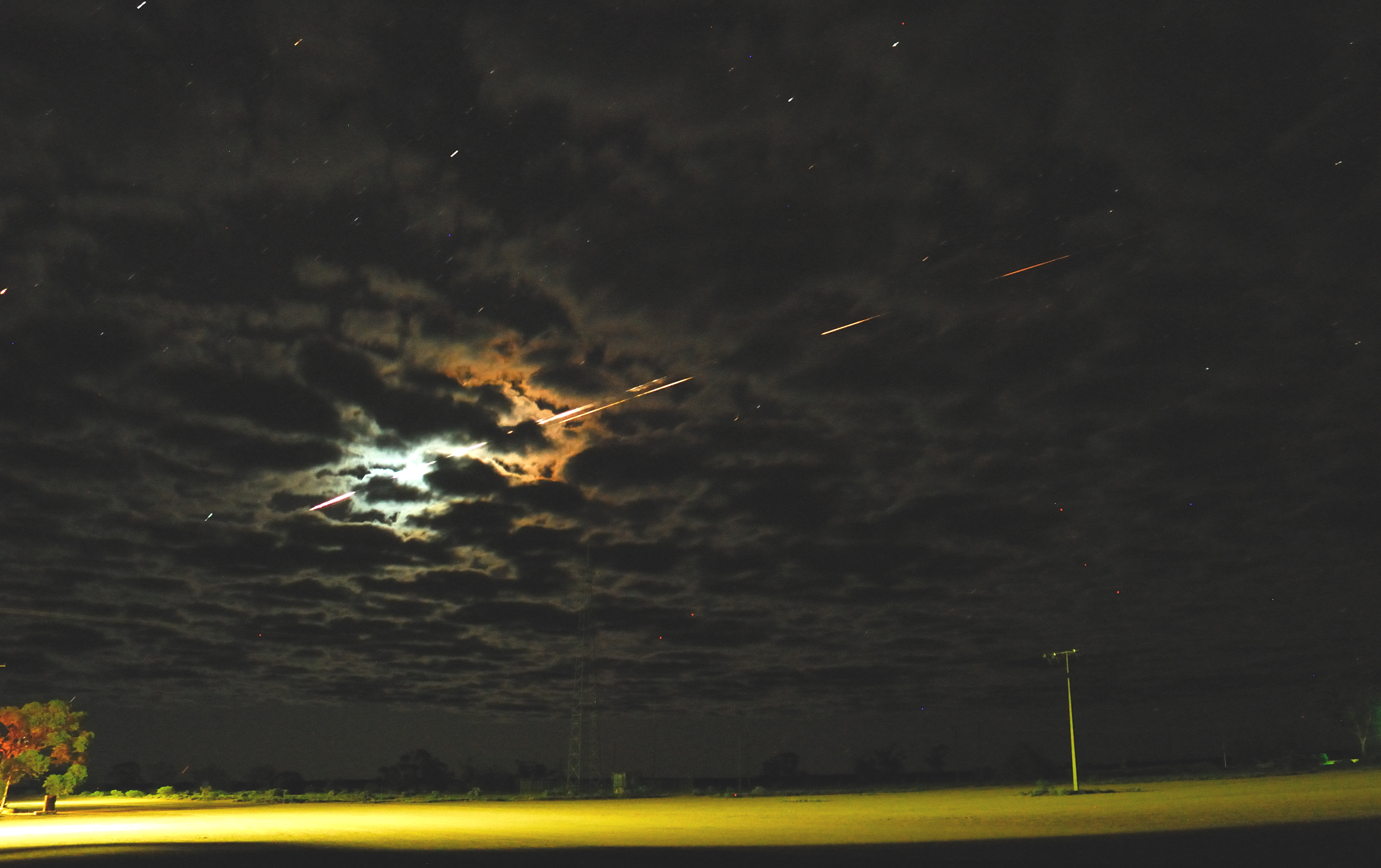
Sixteen years ago today, a fireball tore across the Australian outback. Most of it was a dying Japanese spacecraft burning up after a seven-year ordeal. The bright dot racing ahead of the wreckage was a capsule holding the first grains of an asteroid ever returned to Earth.

SpaceX made significant strides with the successful launch of Starlink satellites and the approval for the redevelopment of SLC-6, reinforcing its foothold in commercial spaceflight.
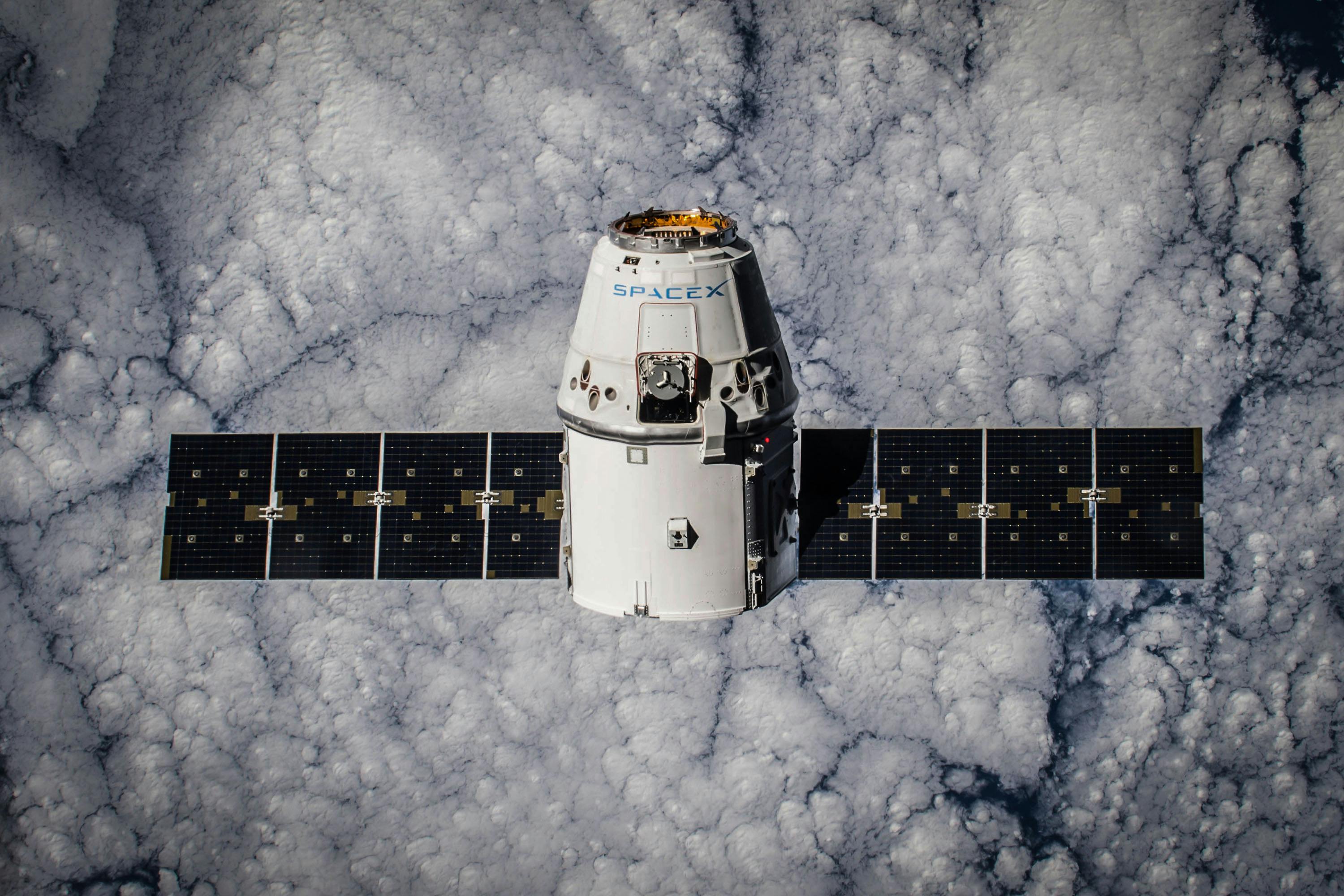
Severe weather conditions disrupt the launch of Amazon’s Project Kuiper satellites, highlighting ongoing challenges in satellite deployment amidst increasing competition in the space industry.
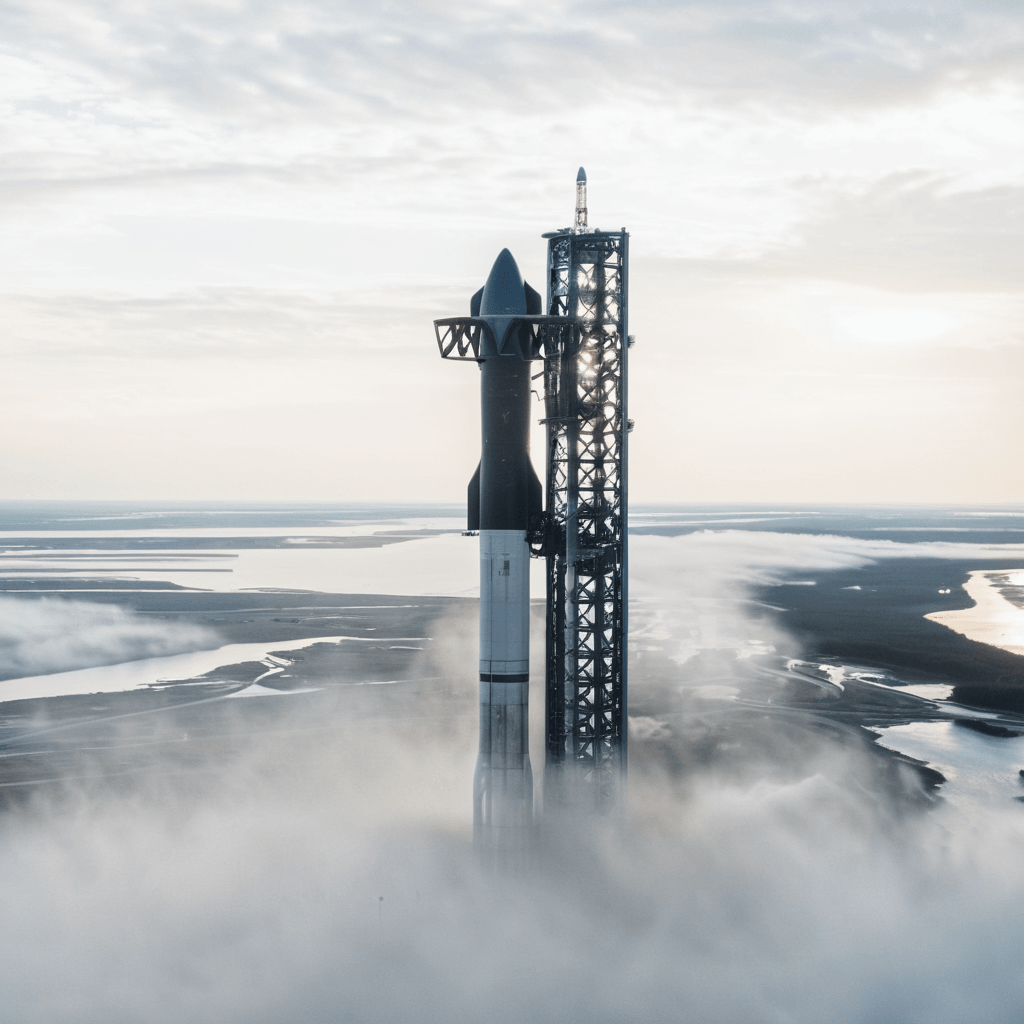
As the largest and most powerful rocket ever built, it's designed for full reusability and rapid launch turnaround. SpaceX claims it could carry over 100 tons to low Earth orbit at a fraction of current costs.

Space Force awards Pulse Space $40 million to develop laser systems for transmitting power and data between spacecraft in orbit. Game-changing on-orbit energy transfer capability.

Space highlights include a debut launch of ZhuQue-2E, Firefly's lunar lander timeline, semiconductor funding for satellites, and ISS debris avoidance.
Discover the latest in space news with the ULA's recent launch for the US Space Force, significant developments in radar tracking at high altitudes, and impactful policy changes involving military space missions.