


The Rise of Super Heavy-Lift Rockets
Super heavy-lift rockets are the most powerful launch vehicles ever built. They can send humans and cargo to the Moon, Mars, and beyond. But what are they, and why are they so important?



Launch Date
May 7, 1983
Launch Site
Launch Pad
LC90
Launch Vehicle
Tsiklon-2
NORAD ID
18544
International Designator
1983-044EU
Decay Date
5/23/1989
Name
COSMOS 1461 DEB
Alternative Name
deb Kosmos-1461
Type
Status
Owner
VMF
Country
USSR
Constellation
N/A
Related Satellites
Major Events
N/A
Length
0
Diameter
0
Span
0
Dry Mass
0
Launch Mass
0
Shape
N/A
Radar Cross Section
0.0139
Visual Magnitude
Unknown
Color
Unknown
Material Composition
Unknown
Payload
Unknown
Purpose
Unknown
Mission
Unknown
Manufacturer
Unknown
Life Expectancy
Unknown
Bus
Unknown
Configuration
Unknown
Motor
Unknown
Equipment
Unknown
Power System
Unknown
ADCS
Unknown
Transmitter Frequency
Unknown
Learn more about satellites and other related topics.
Super heavy-lift rockets are the most powerful launch vehicles ever built. They can send humans and cargo to the Moon, Mars, and beyond. But what are they, and why are they so important?

Elon Musk moves to make himself unfireable at SpaceX as AT&T, T-Mobile, and Verizon back a rival D2D joint venture challenging Starlink Mobile.

A recap of notable space events including the Soyuz MS-26 launch to the ISS, Polaris Dawn's altitude achievement, and satellite tracking updates.
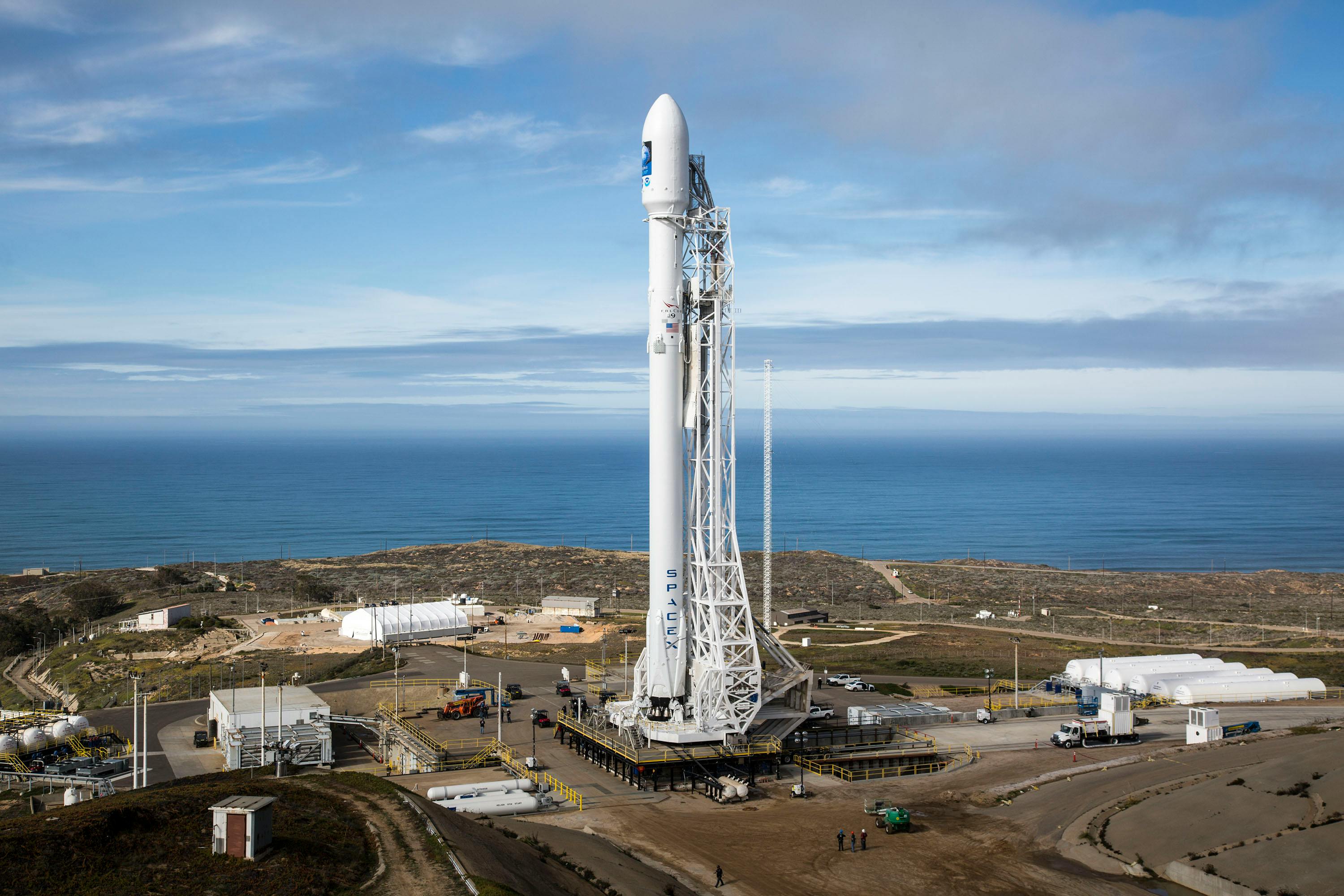
SpaceX successfully launched 28 Starlink satellites aboard a Falcon 9 rocket, marking significant advancements in their deployment and operational capabilities.

SpaceX advances pre-launch tests amid Starlink deployment surge and strategic expansions in Texas.
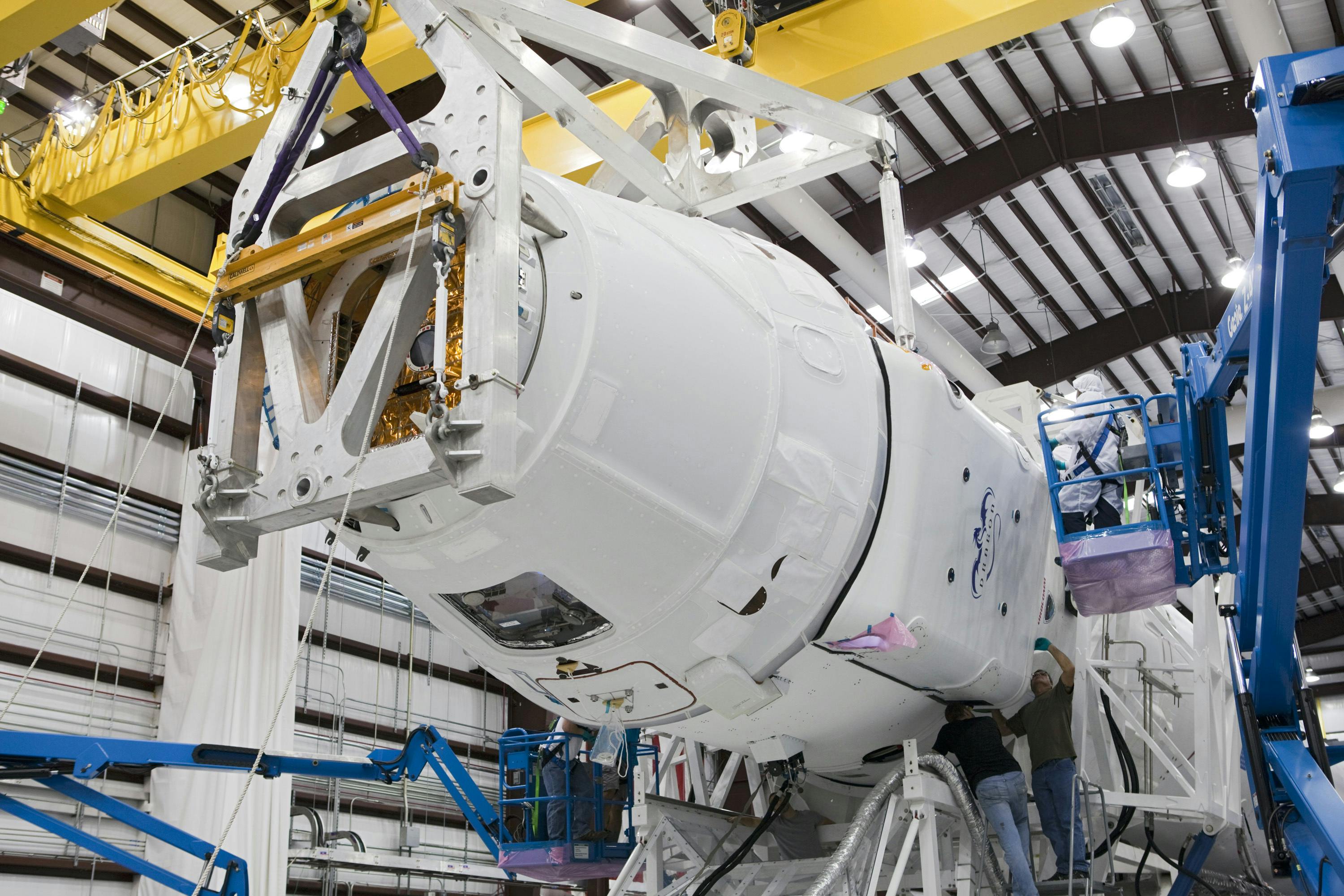
SpaceX has completed the investigation into Starship Flight 7, announcing causes ahead of the next planned launch, while numerous missions are lined up for launch this week.
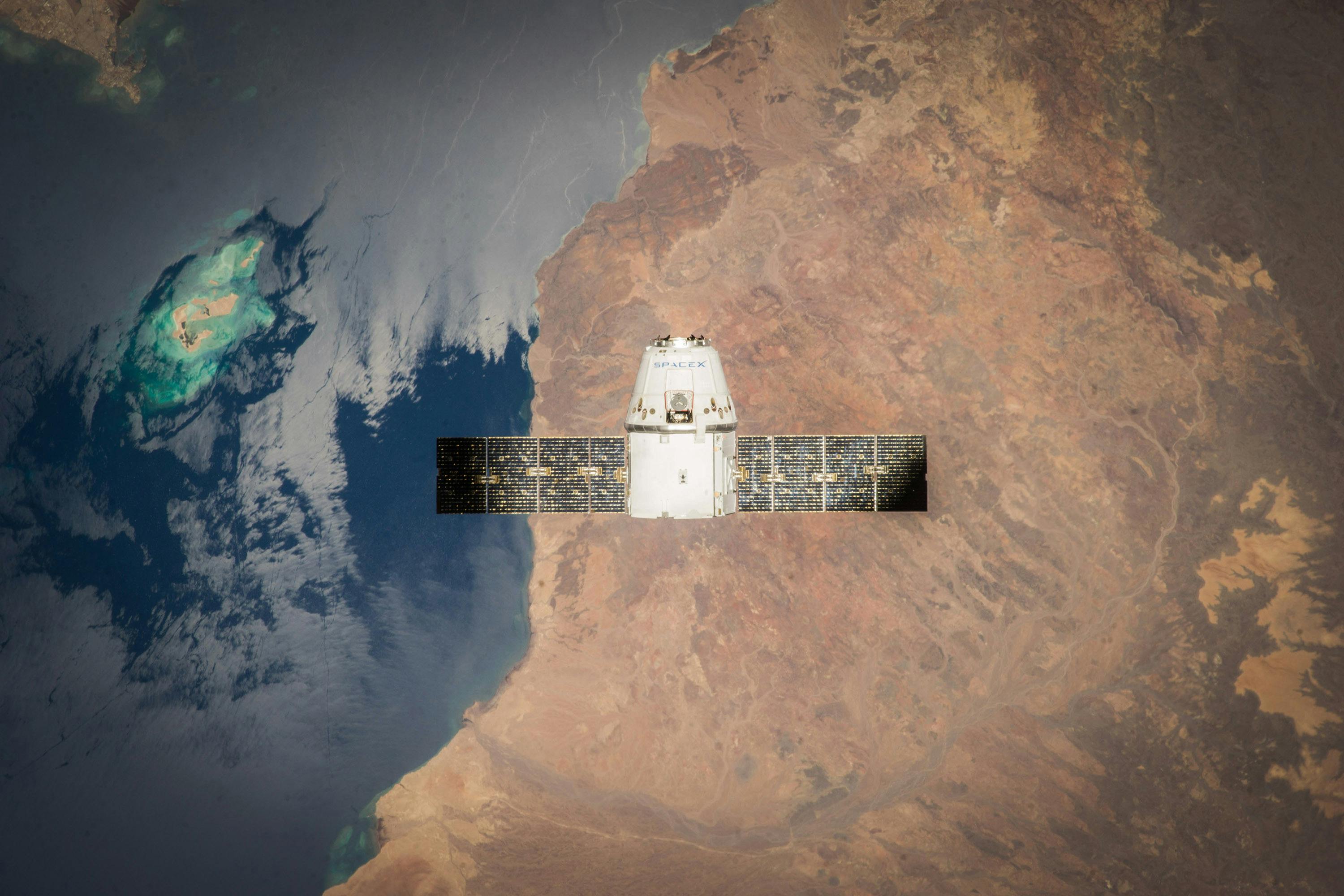
SpaceX advances Starship infrastructure, President Trump considers closing the National Space Council, and 23 new Starlink satellites boost global connectivity.

Pentagon cancels Next-Generation OPIR Polar program after Northrop Grumman delivered sensor payload. LEO and MEO alternatives deemed sufficient for missile-warning coverage.