

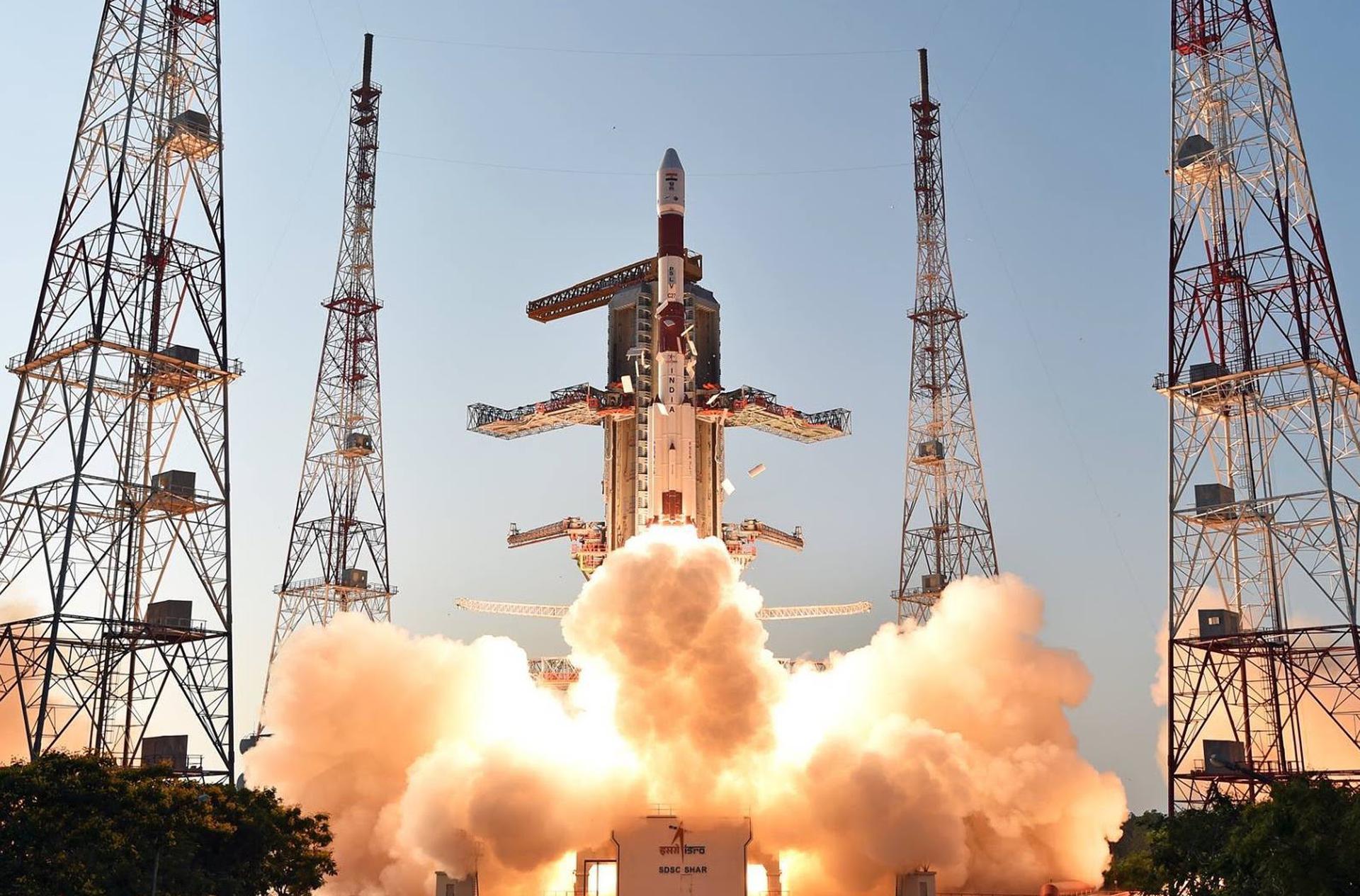
Space Brief 2 Oct 2025
Highlighting ExLabs' Space Force contract, Starlink advances, and developments in orbital communication tech.


Launch Date
November 14, 1987
Launch Site
Launch Pad
LC1
Launch Vehicle
Soyuz-U
NORAD ID
18535
International Designator
1987-093A
Decay Date
12/25/1987
Name
COSMOS 1896
Alternative Name
Kosmos-1896
Type
Status
Owner
VTS
Country
USSR
Constellation
N/A
Related Satellites
Major Events
N/A
Length
6.5
Diameter
2.4
Span
6.5
Dry Mass
2720
Launch Mass
2720
Shape
Sphere + DCone
Radar Cross Section
0.5
Visual Magnitude
Unknown
Color
Unknown
Material Composition
Unknown
Payload
Kometa No. 9L
Purpose
Area Reconnaissance, photo (film return type)
Mission
Area Reconnaissance, photo (film return type)
Manufacturer
TSSKB
Life Expectancy
Unknown
Bus
Yantar'-1KFT
Configuration
Yantar Bus, Zenit reentry module
Motor
Unknown
Equipment
Unknown
Power System
2 deployable solar arrays, batteries
ADCS
Unknown
Transmitter Frequency
Unknown
Learn more about satellites and other related topics.
Highlighting ExLabs' Space Force contract, Starlink advances, and developments in orbital communication tech.
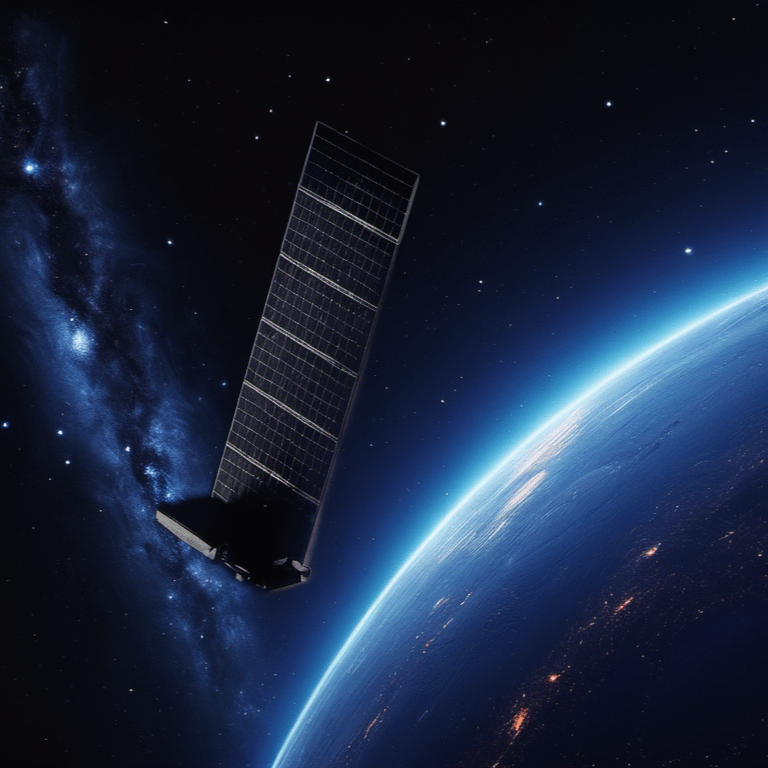
This article delves into SpaceX's incredible journey from its inception to becoming a space industry leader, and its Starlink project's mission to provide global internet access.
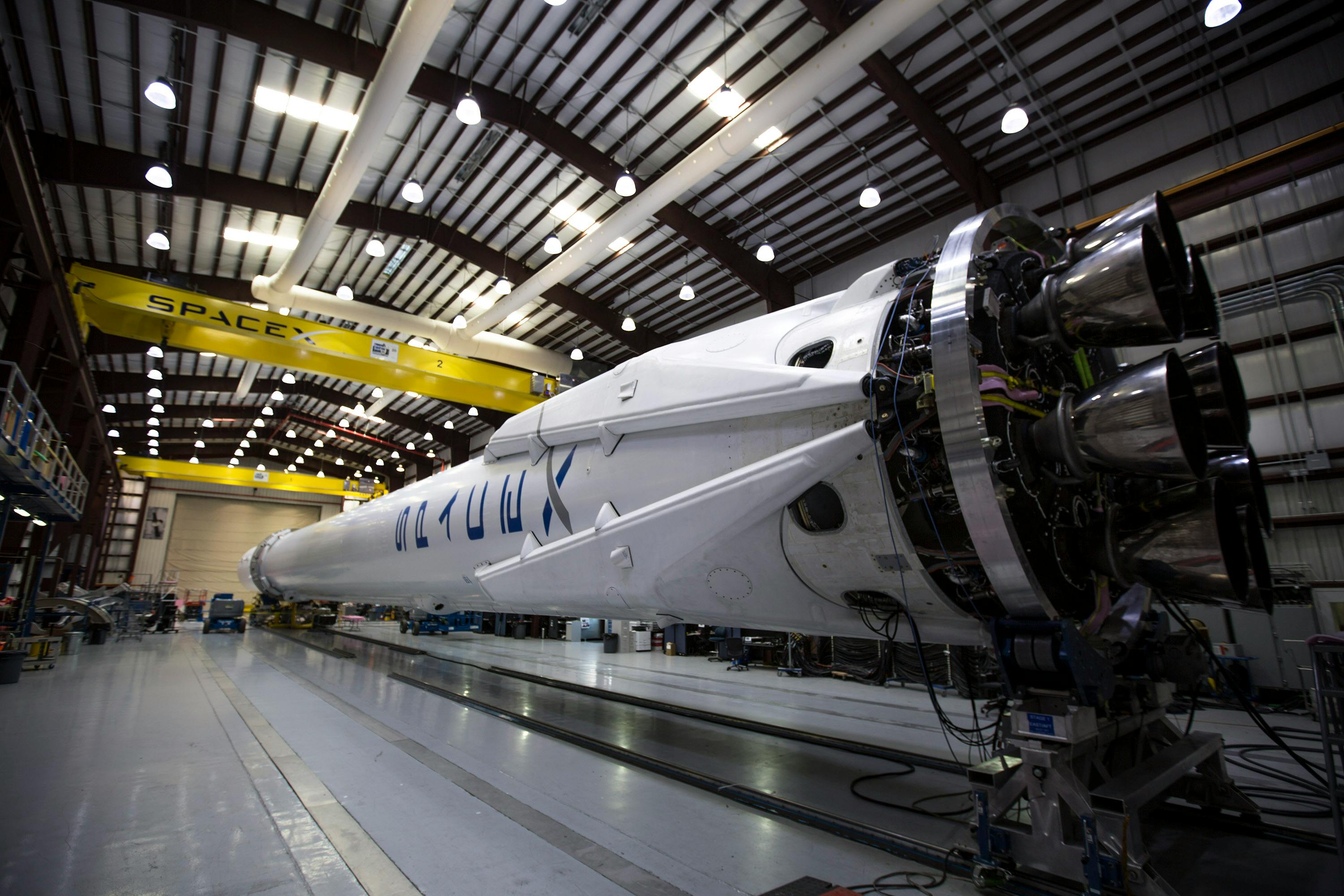
SpaceX continues to innovate as it nears peak Falcon 9 launch rates while refining technologies pivotal for future Mars missions.
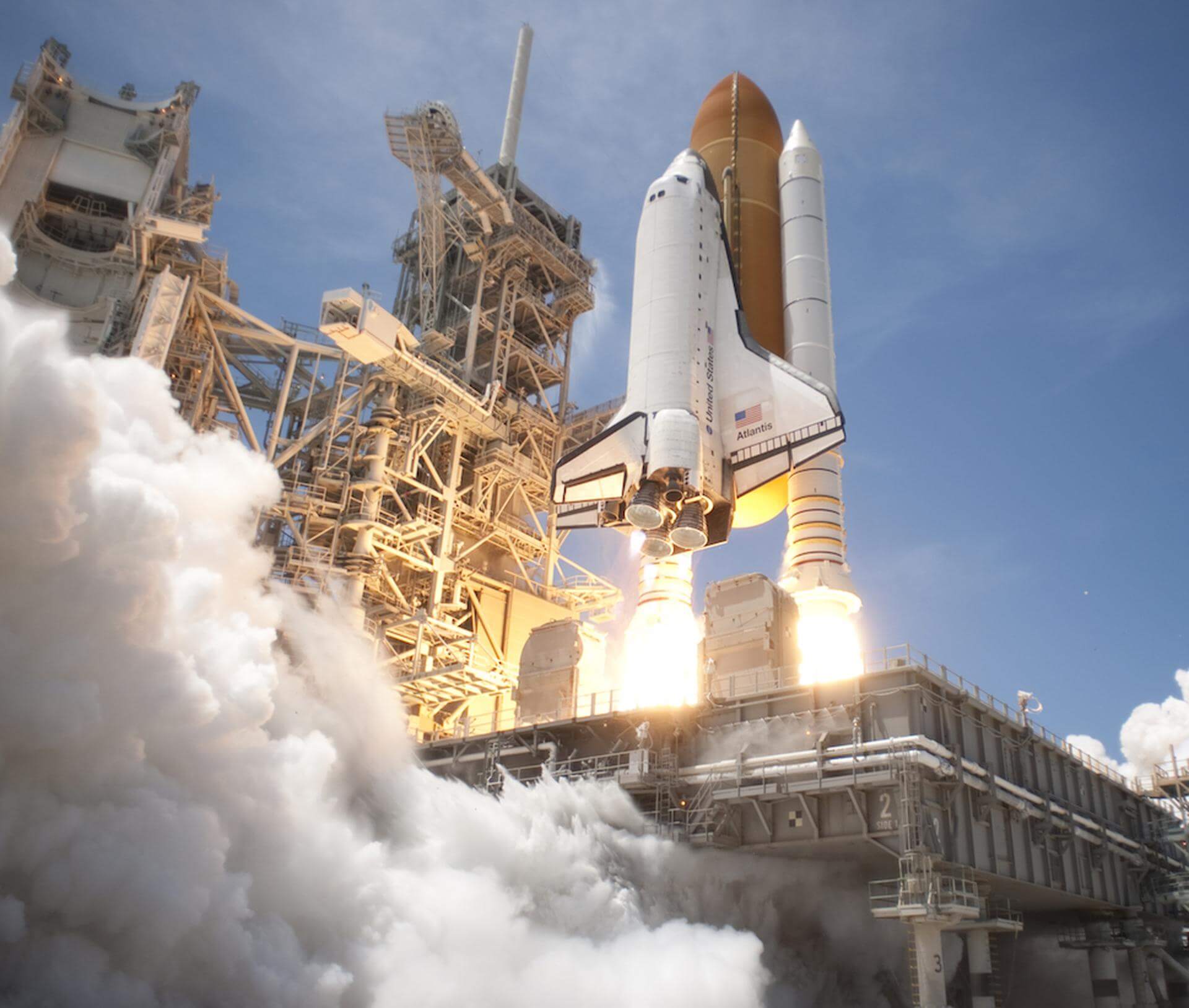
Blue Origin's New Glenn suffered catastrophic anomaly during static fire test at LC-36. Amazon LEO satellites pulled; NASA lunar missions now in question.
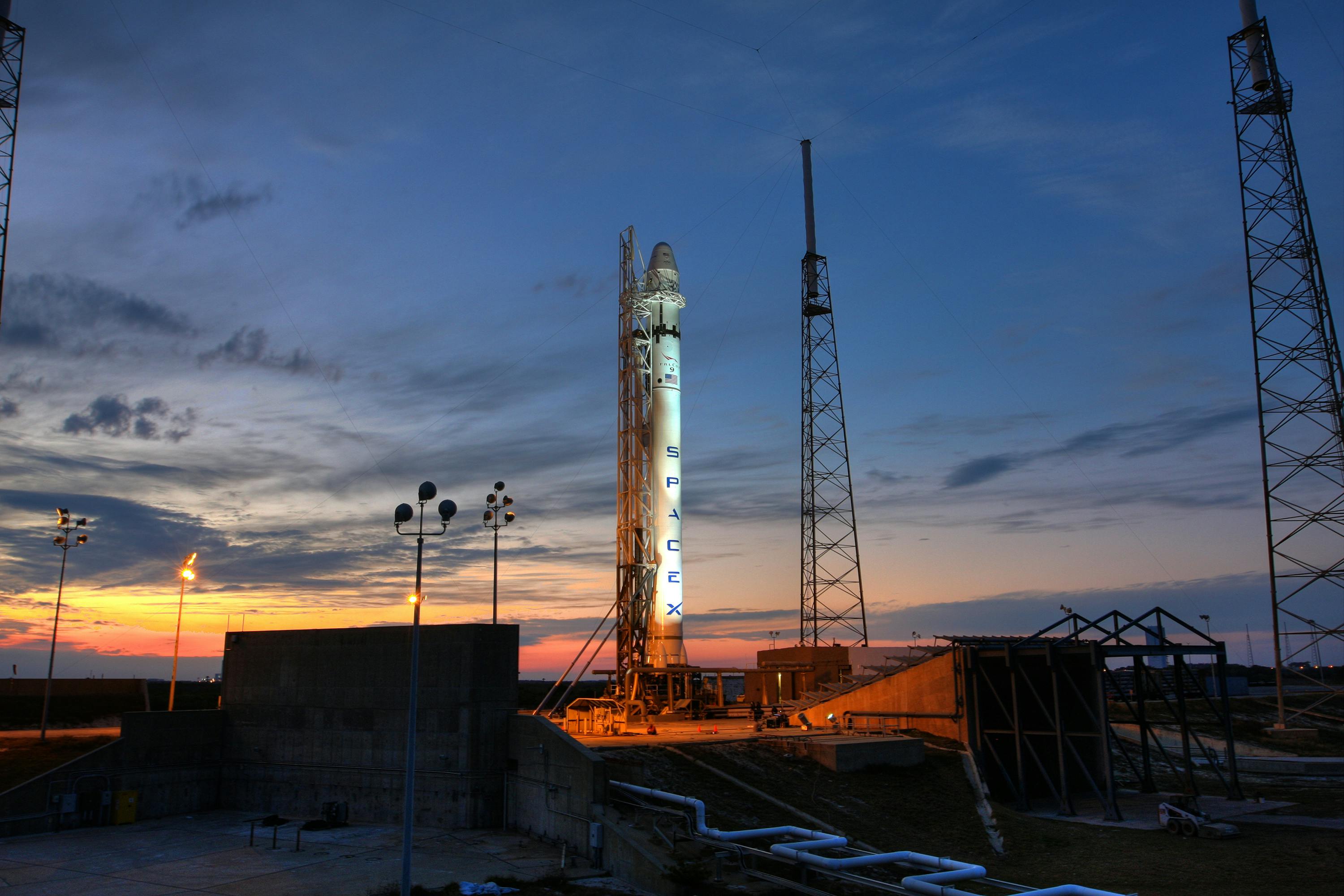
SpaceX launches 29 Starlink satellites in first deployment since recent satellite issues. Falcon 9 also delivers Italy's COSMO-SkyMed CSG-FM3 from Vandenberg. Starship plans solidified for 2026.

Johns Hopkins researchers use seismic networks to track space debris in near real-time. Pentagon faces Golden Dome production scale challenges. SpaceX launches 25 Starlink sats in seventh 2026 mission.

Today's highlights include strategic shifts in the defense sector, innovations in solar technology for space, and developments in satellite-related military projects.

As humanity increasingly relies on satellites, the escalating space junk problem poses a dire threat to our space-based infrastructure. With debris counts reaching alarming levels, urgent action is needed to prevent a cascade of collisions that could make key orbits unusable.