



Space Brief 25 Jan 2025
Today's Space Brief covers pivotal updates in military space capabilities, defense acquisitions, the UK's nuclear enhancements, and Boeing's financial challenges.



Launch Date
May 13, 1987
Launch Site
Launch Pad
LC45/1
Launch Vehicle
Zenit-2
NORAD ID
18476
International Designator
1987-041F
Epoch
Sat, 04 Jul 2026 05:15:51 GMT
Apogee
Calculating...
Perigee
Calculating...
Inclination
70.99°
Right Ascension
132.46°
Eccentricity
Calculating...
Argument of Perigee
29.09°
Period
104.86 min
Mean Motion
13.73 rev/day
Latitude
Calculating...
Longitude
Calculating...
Altitude
Calculating...
Velocity
Calculating...
Name
SL-16 DEB
Alternative Name
Sep Motor Cover
Type
Status
Owner
UNKS
Country
USSR
Constellation
N/A
Related Satellites
Major Events
N/A
1 18476U 87041F 26185.21934419 .00000078 00000-0 11162-3 0 9990
2 18476 70.9880 132.4637 0206738 29.0929 35.3724 13.73218518960225
Source: Celestrak
Length
0
Diameter
1
Span
1
Dry Mass
1
Launch Mass
1
Shape
Cone
Radar Cross Section
0.0936
Visual Magnitude
Unknown
Color
Unknown
Material Composition
Unknown
Payload
Sep Motor Cover
Purpose
Unknown
Mission
Unknown
Manufacturer
YUZH
Life Expectancy
Unknown
Bus
Sep Motor Cover
Configuration
Unknown
Motor
Unknown
Equipment
Unknown
Power System
Unknown
ADCS
Unknown
Transmitter Frequency
Unknown
Learn more about satellites and other related topics.
Today's Space Brief covers pivotal updates in military space capabilities, defense acquisitions, the UK's nuclear enhancements, and Boeing's financial challenges.

How a controversial telescope network has become a significant player in tracking the increasingly crowded orbital environment, raising important questions about transparency, dual-use technologies, and the future of space situational awareness.

Today's briefing covers the Long March 12A's first launch, a major advance in space radio communication, and highlights from key military developments impacting space operations.
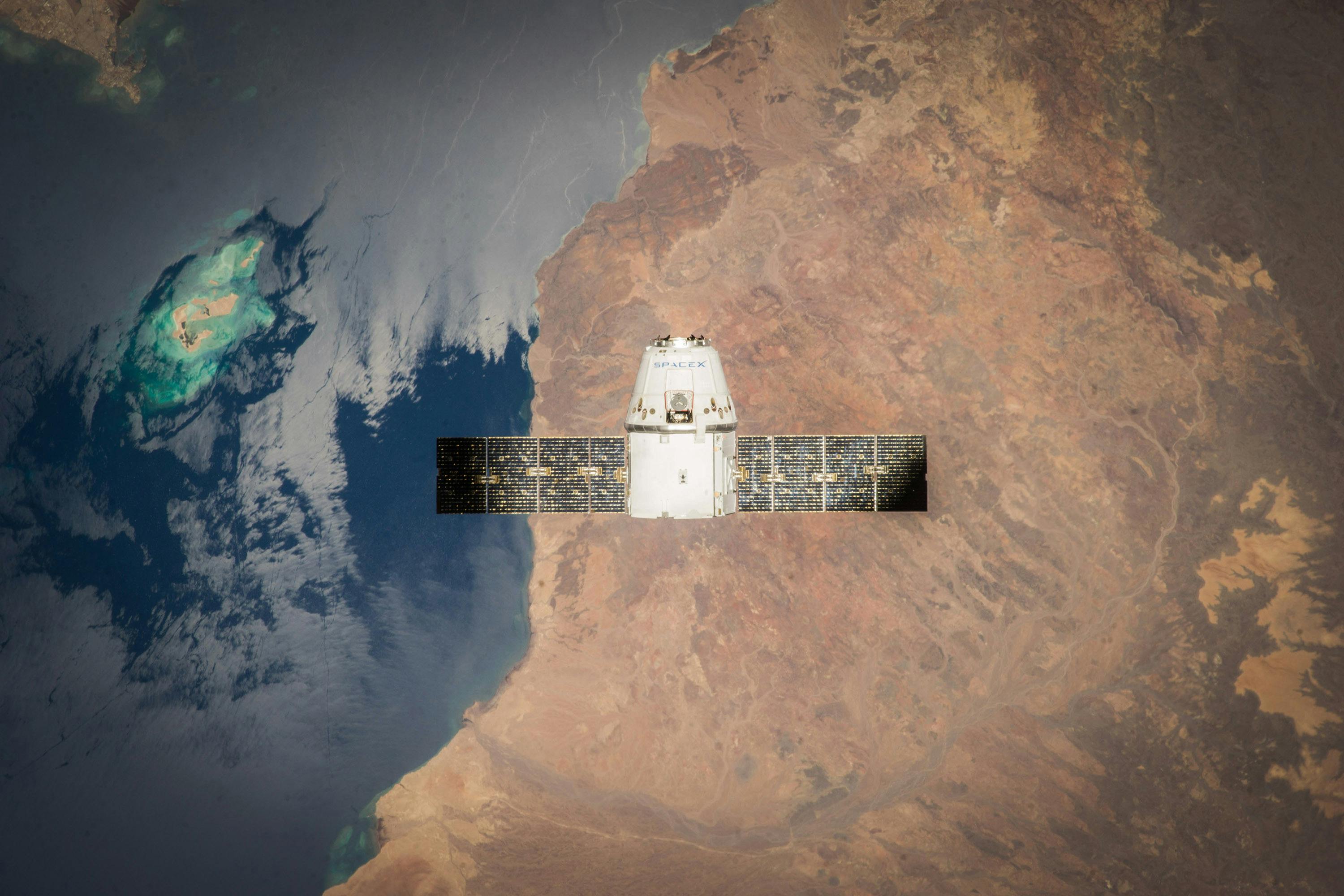
SpaceX made strides in both Starship and Starlink missions this week, launching another round of satellites while concurrently testing their Starship capabilities amidst challenges.
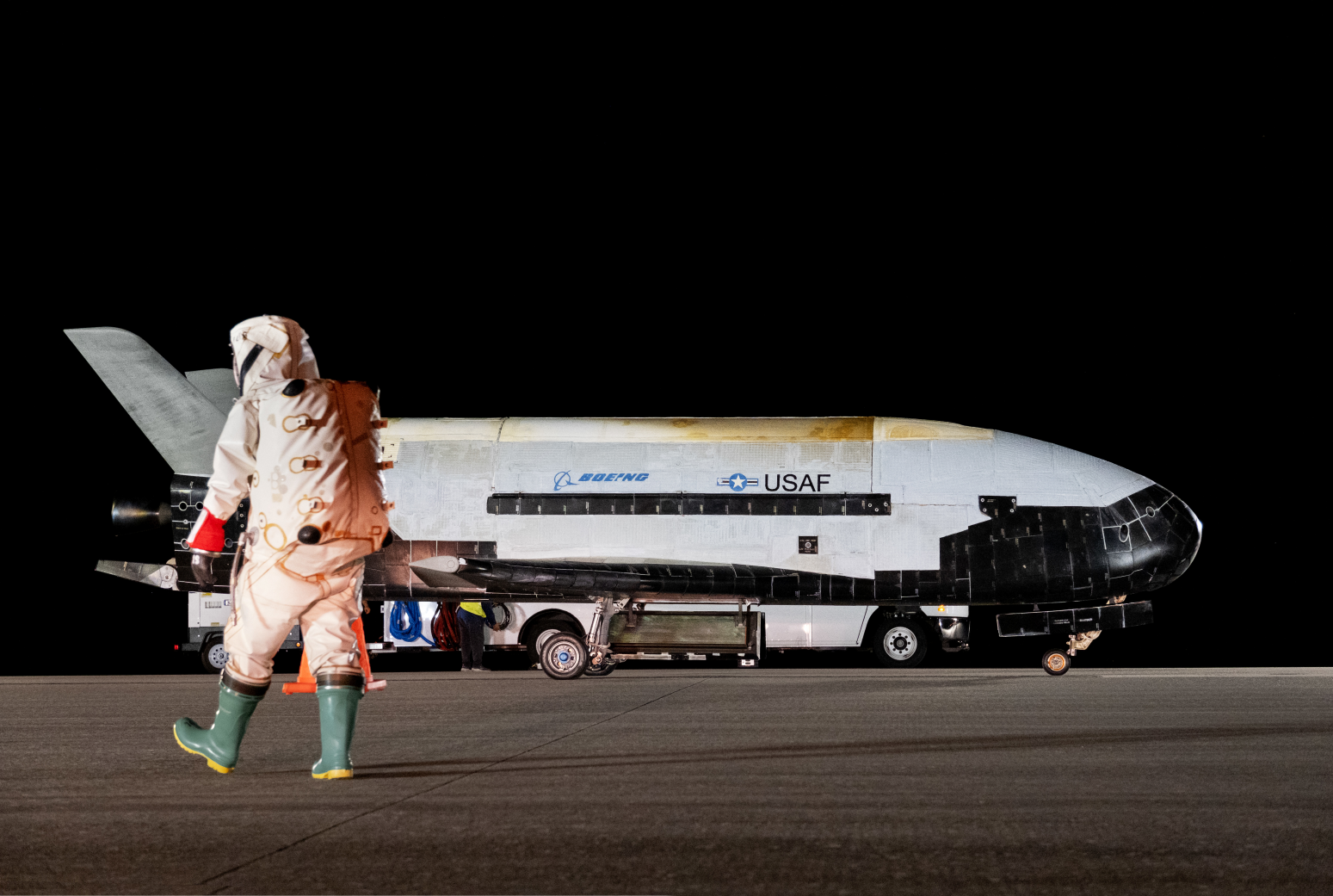
On April 22, 2010, an Atlas V lifted off from Cape Canaveral carrying a reusable robotic spaceplane so secret that the Air Force would not even confirm its mission duration. It came back 224 days later, lighter, quieter, and more operational than anyone outside Washington had expected. Fifteen years later, the X-37B is still flying, and the military still will not say what it does.

SpaceX continues to push forward with its ambitious plans as the FAA investigates Starship debris reports, while Starlink maintains robust satellite operations.

Today's brief covers advancements in satellite technology initiatives by the U.S. Space Force, geopolitical implications in maritime domains, and Sweden's significant military aid package. Additionally, we spotlight a historical satellite with modern implications.

SpaceX's Falcon 9 launches SpainSat NG-1 satellite as Starlink compatibility causes market ripples.