


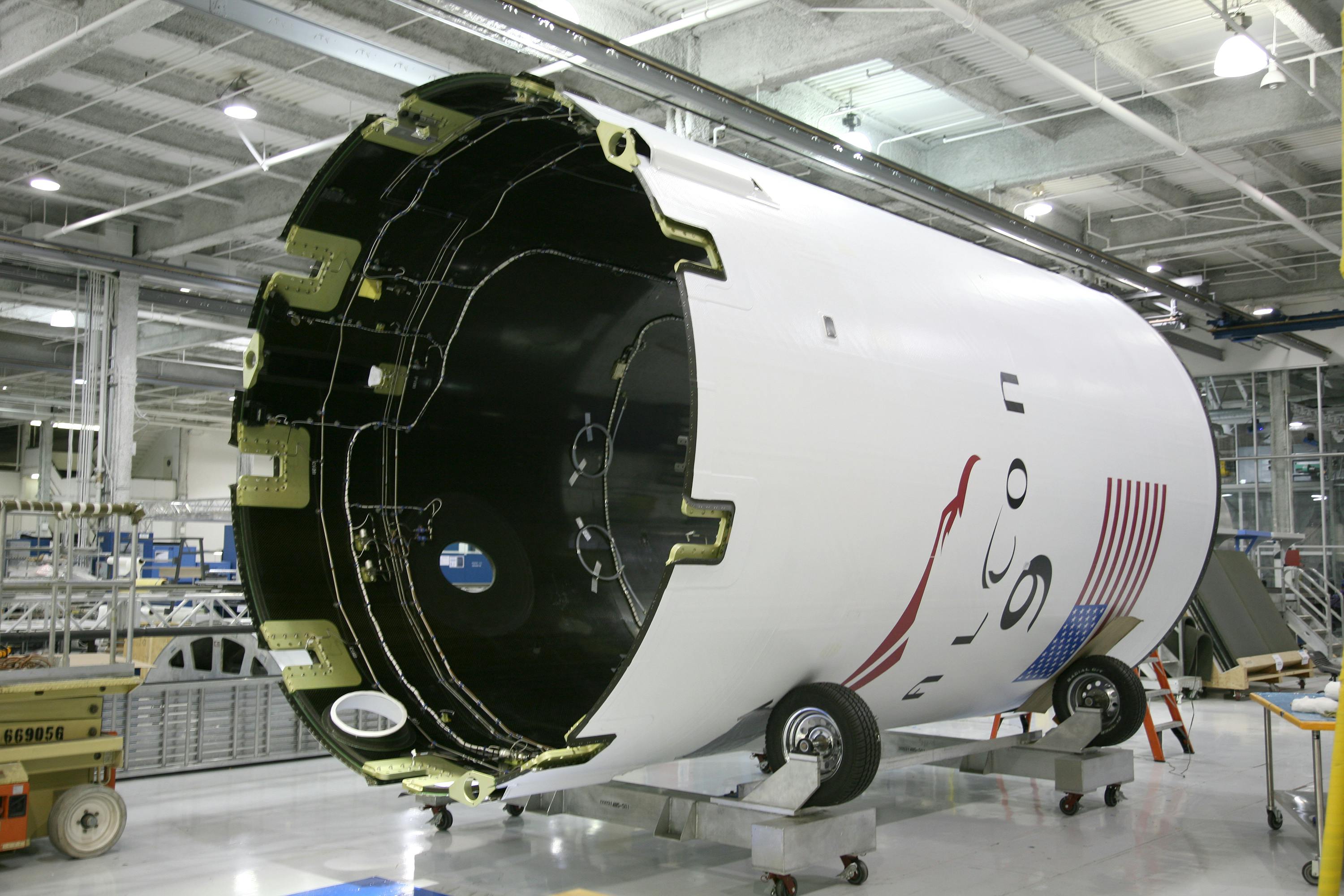
Falcon 9 Booster Flies 35th Mission, Deploys 29 Starlinks | KeepTrack X Report
SpaceX flew a Falcon 9 booster for a record 35th time on July 10, deploying 29 Starlink satellites as direct-to-cell tech expands to pet collars.


Launch Date
March 5, 1978
Launch Site
AFWTR
Launch Pad
SLC2W
Launch Vehicle
Delta 2910
NORAD ID
18467
International Designator
1978-026HE
Epoch
Sat, 04 Jul 2026 00:42:09 GMT
Apogee
Calculating...
Perigee
Calculating...
Inclination
98.82°
Right Ascension
210.31°
Eccentricity
Calculating...
Argument of Perigee
352.59°
Period
100.99 min
Mean Motion
14.26 rev/day
Latitude
Calculating...
Longitude
Calculating...
Altitude
Calculating...
Velocity
Calculating...
Name
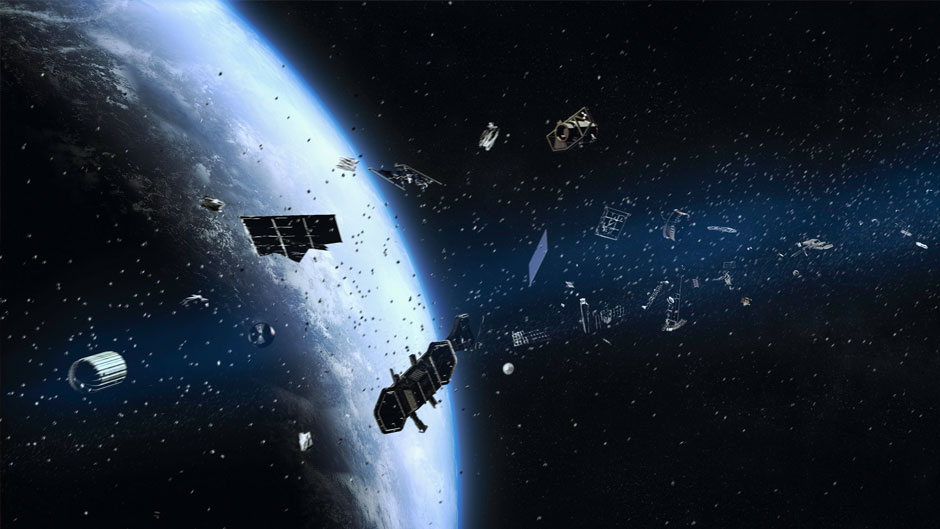
DELTA 1 DEB
Alternative Name
deb Delta 139
Type
Status
Owner
GSFC
Country
United States
Constellation
N/A
Related Satellites
Major Events
N/A
1 18467U 78026HE 26185.02927633 .00000437 00000-0 19401-3 0 9995
2 18467 98.8211 210.3099 0092460 352.5917 36.3416 14.25844658147219
Source: Celestrak
Length
0
Diameter
0
Span
0
Dry Mass
0
Launch Mass
0
Shape
N/A
Radar Cross Section
0.0078
Visual Magnitude
Unknown
Color
Unknown
Material Composition
Unknown
Payload
Unknown
Purpose
Unknown
Mission
Unknown
Manufacturer
Unknown
Life Expectancy
Unknown
Bus
Unknown
Configuration
Unknown
Motor
Unknown
Equipment
Unknown
Power System
Unknown
ADCS
Unknown
Transmitter Frequency
Unknown
Learn more about satellites and other related topics.
SpaceX flew a Falcon 9 booster for a record 35th time on July 10, deploying 29 Starlink satellites as direct-to-cell tech expands to pet collars.

ULA Vulcan faces scrutiny after solid booster anomaly on USSF-87 mission. ThinKom wins portable satellite ground station contract. Space Force starts Project Hecate for GPS past 2040.
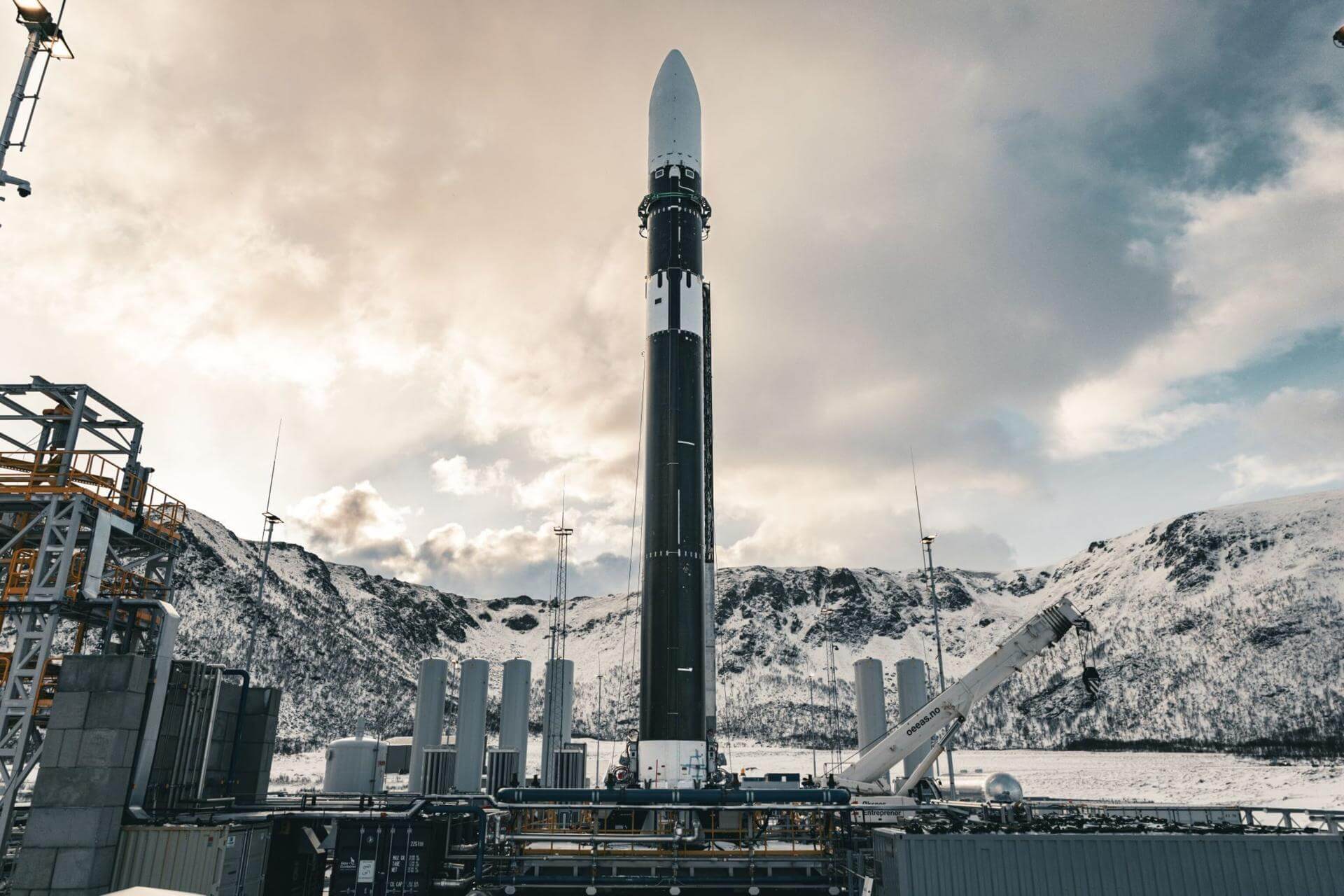
Exploring the future of space with concerns on space debris, rapid growth in orbital data centers, and new developments at launch sites.

SpaceX gears up for a series of launches, including Starlink deployments, lunar missions, and updates on the Starship program.

Space Force projects ~1,000 launches between FY2027–FY2031, averaging 200 annually. DAF study concludes new launch site is "probably" required to absorb cadence.
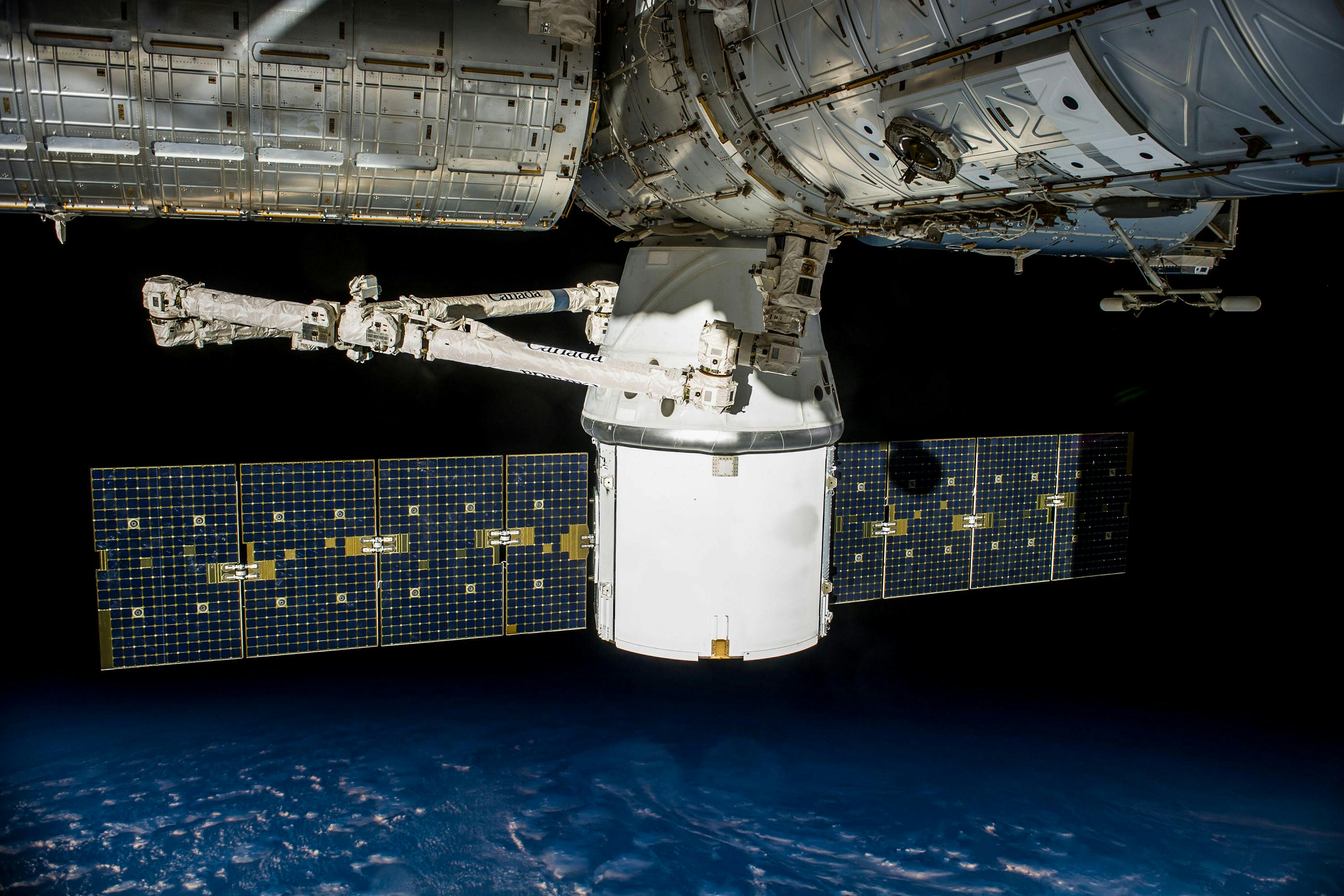
SpaceX sets a reuse record with Falcon 9, advances Starship program, while Starlink influences satellite market dynamics.

SpaceX marks a successful launch of 21 Starlink satellites, follows up after Starship explosion, and influences Qantas flights amid a busy operational schedule.
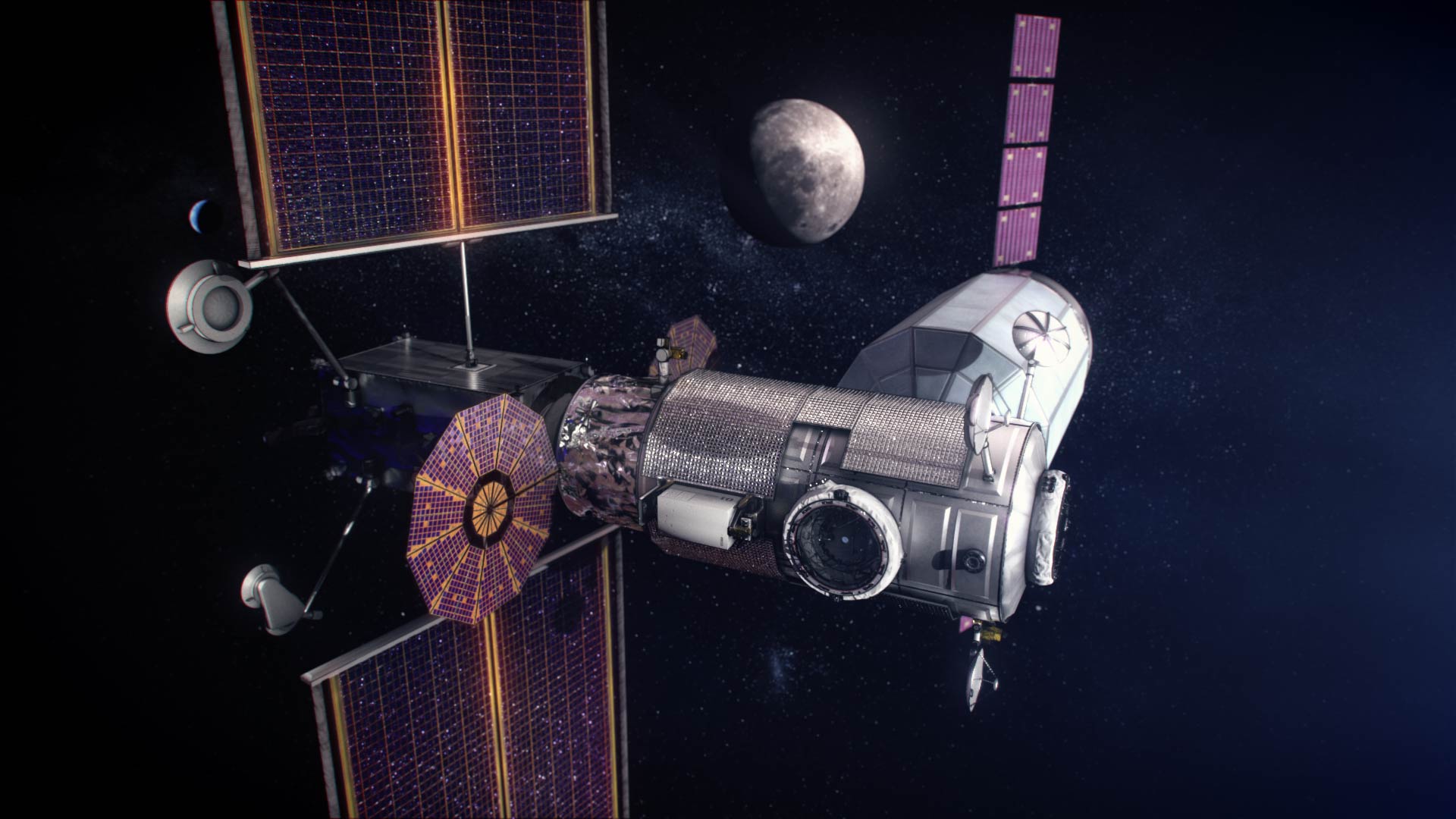
The volume of space between Earth and the Moon is roughly a thousand times larger than the orbit we actually watch, and almost none of it is under surveillance. As the U.S. and China race to build lunar outposts, the Space Force is scrambling to put eyes on a region it has been effectively blind to.