

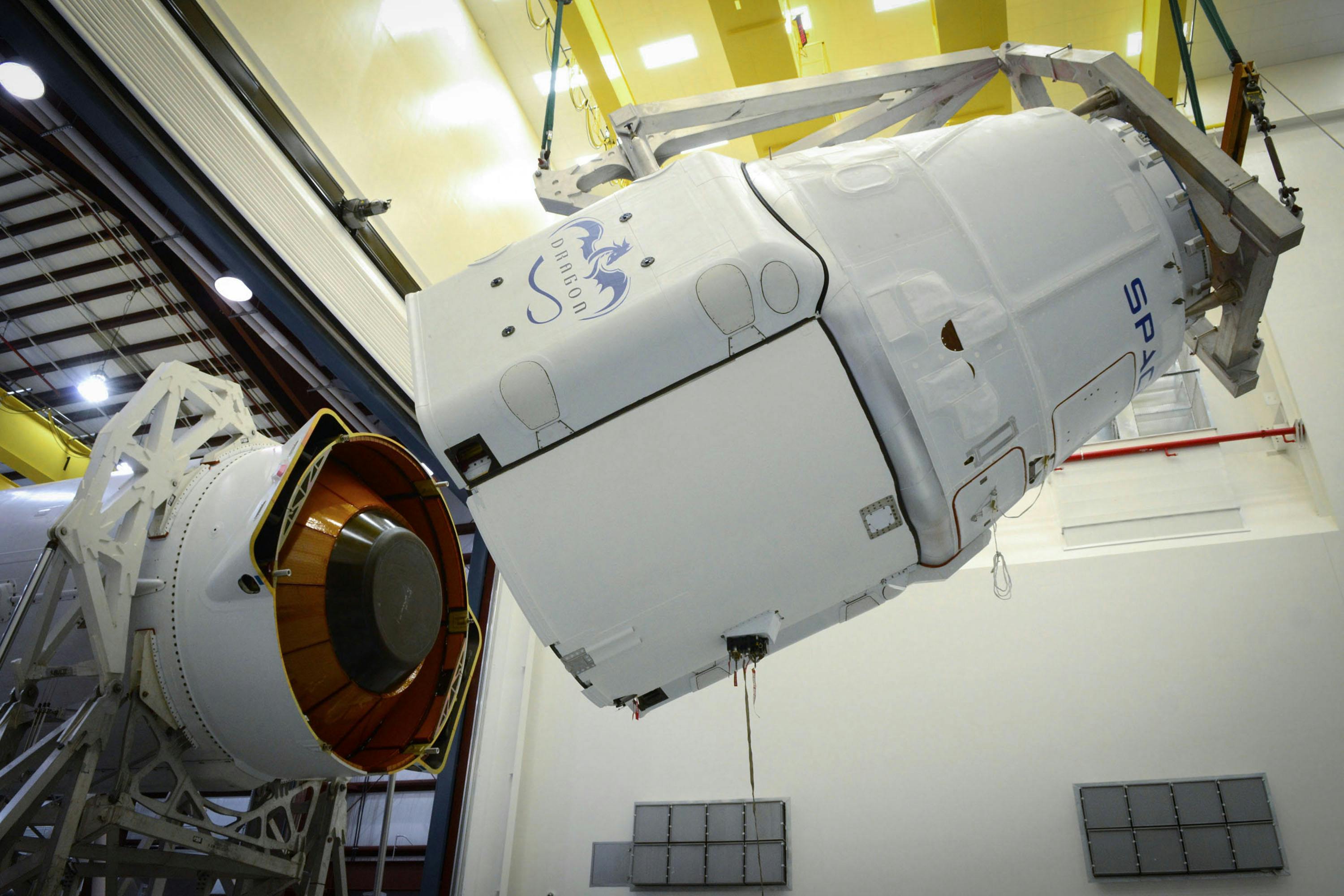
SpaceX Lands $2.29B Space Force Contract, X Report 27 May 2026
SpaceX wins a $2.29 billion US Space Force contract for a military space data network, NASA adds 6 crew missions, and Starship V3 makes its first flight.


Launch Date
October 22, 1987
Launch Site
PLMSC
Launch Pad
LC16/2
Launch Vehicle
Soyuz-U
NORAD ID
18432
International Designator
1987-089A
Decay Date
12/16/1987
Name
COSMOS 1893
Alternative Name
Kosmos-1893
Type
Status
Owner
UNKS
Country
USSR
Constellation
N/A
Related Satellites
Major Events
N/A
Length
6.3
Diameter
2.7
Span
6.3
Dry Mass
2886
Launch Mass
2886
Shape
Cyl + 2 Pan
Radar Cross Section
61.89
Visual Magnitude
Unknown
Color
Unknown
Material Composition
Unknown
Payload
Kobal't No. 514
Purpose
Reconnaissance, photo (film return type)
Mission
Reconnaissance, photo (film return type)
Manufacturer
TSSKB
Life Expectancy
Unknown
Bus
Yantar'-4K2
Configuration
Yantar Bus, main reentry module, 2 small reentry capsules
Motor
Unknown
Equipment
Unknown
Power System
2 deployable solar arrays, batteries
ADCS
Unknown
Transmitter Frequency
Unknown
Learn more about satellites and other related topics.
SpaceX wins a $2.29 billion US Space Force contract for a military space data network, NASA adds 6 crew missions, and Starship V3 makes its first flight.

SpaceX successfully launched 28 Starlink satellites while preparing for the upcoming Ax-4 mission to the ISS. Significant progress continues in their ongoing space endeavors.

SpaceX and Rocket Lab make headlines with simultaneous launches, while Musk's Starliner comments stir controversy.
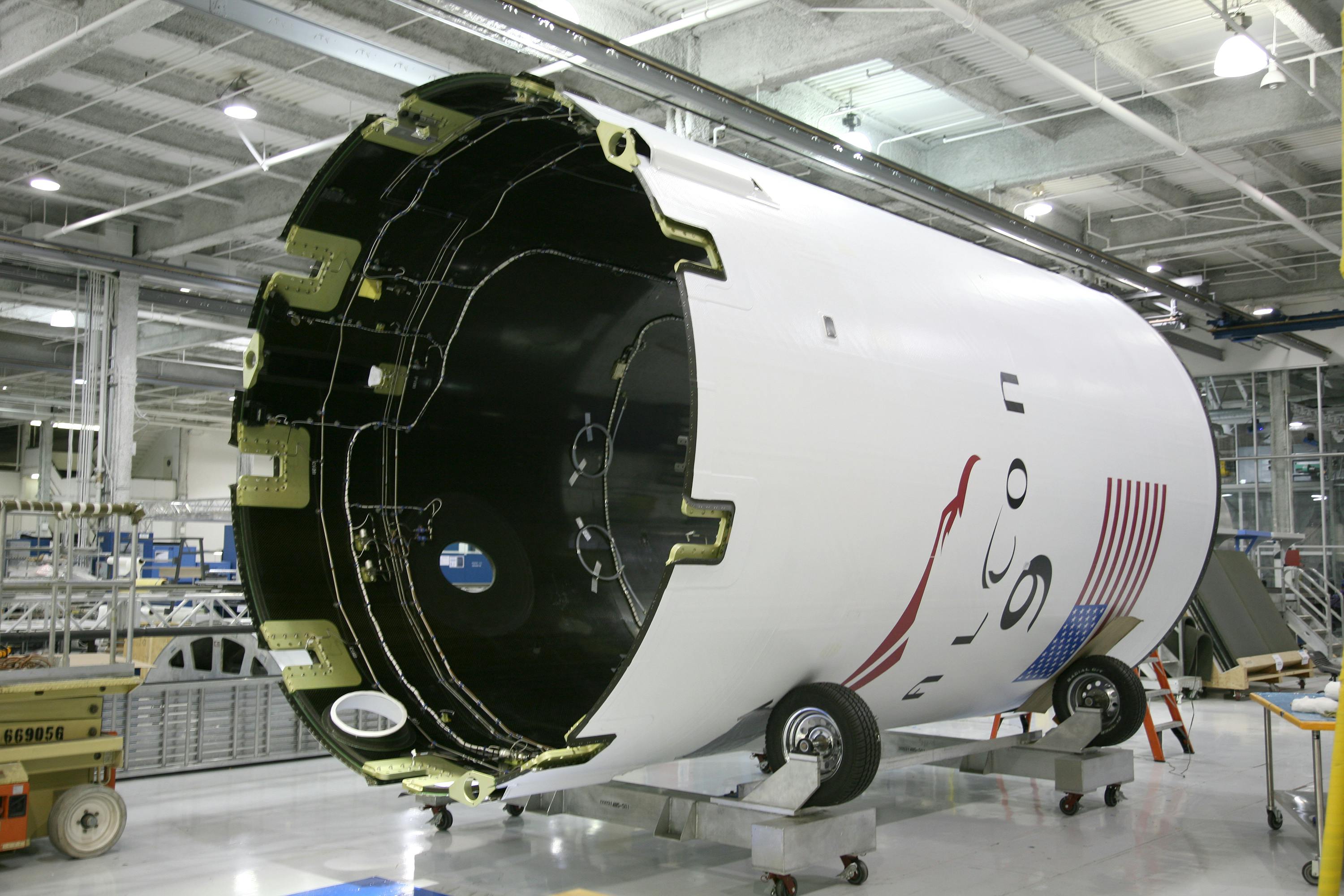
SpaceX prepares for the Crew-11 astronaut mission launch, while Starlink continues to expand its satellite network in orbit.
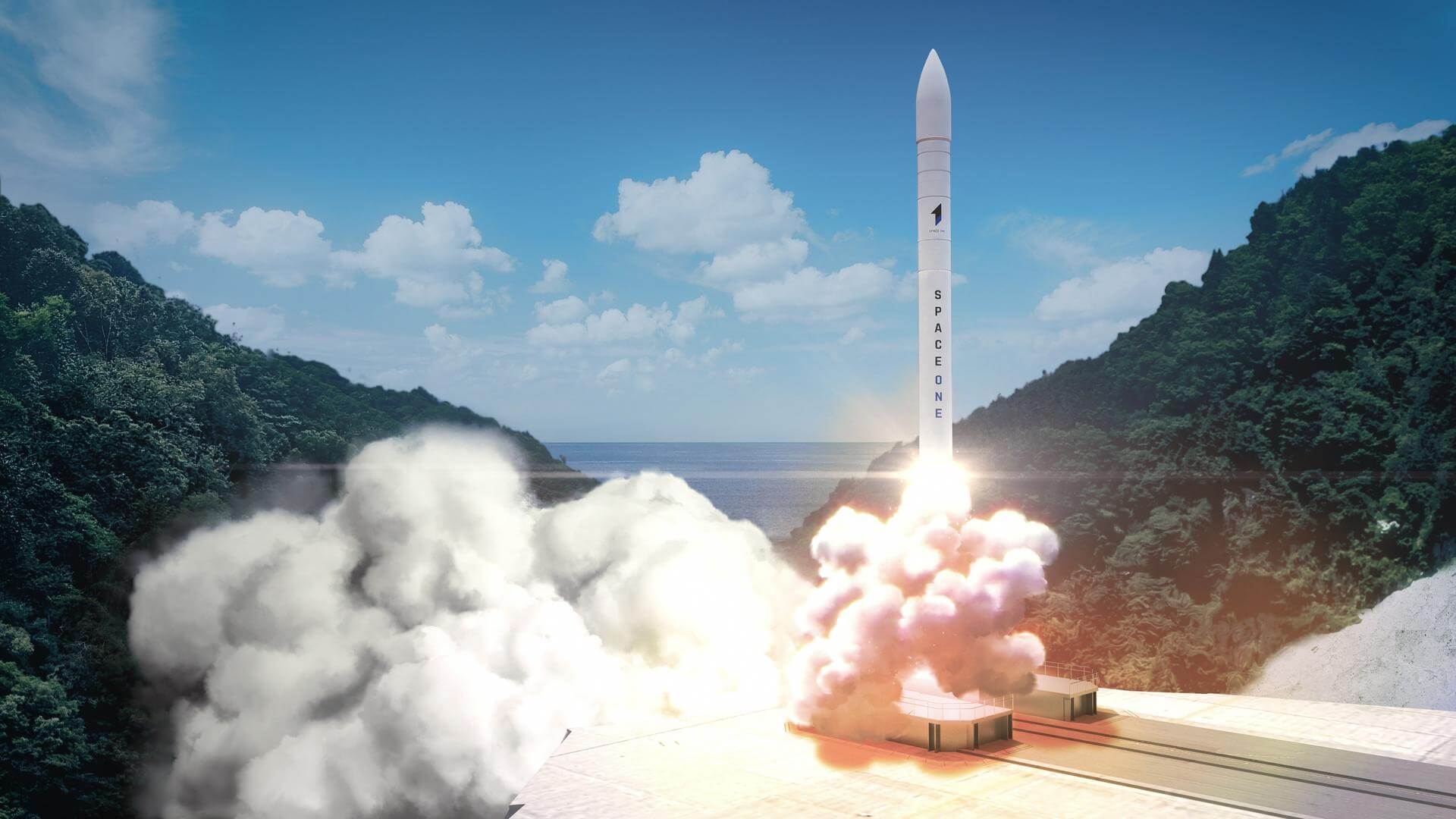
Today's brief covers significant advancements in materials technology for space applications, a U.S. Navy contract for rocket production facilities, and NATO's upcoming classified cloud system.
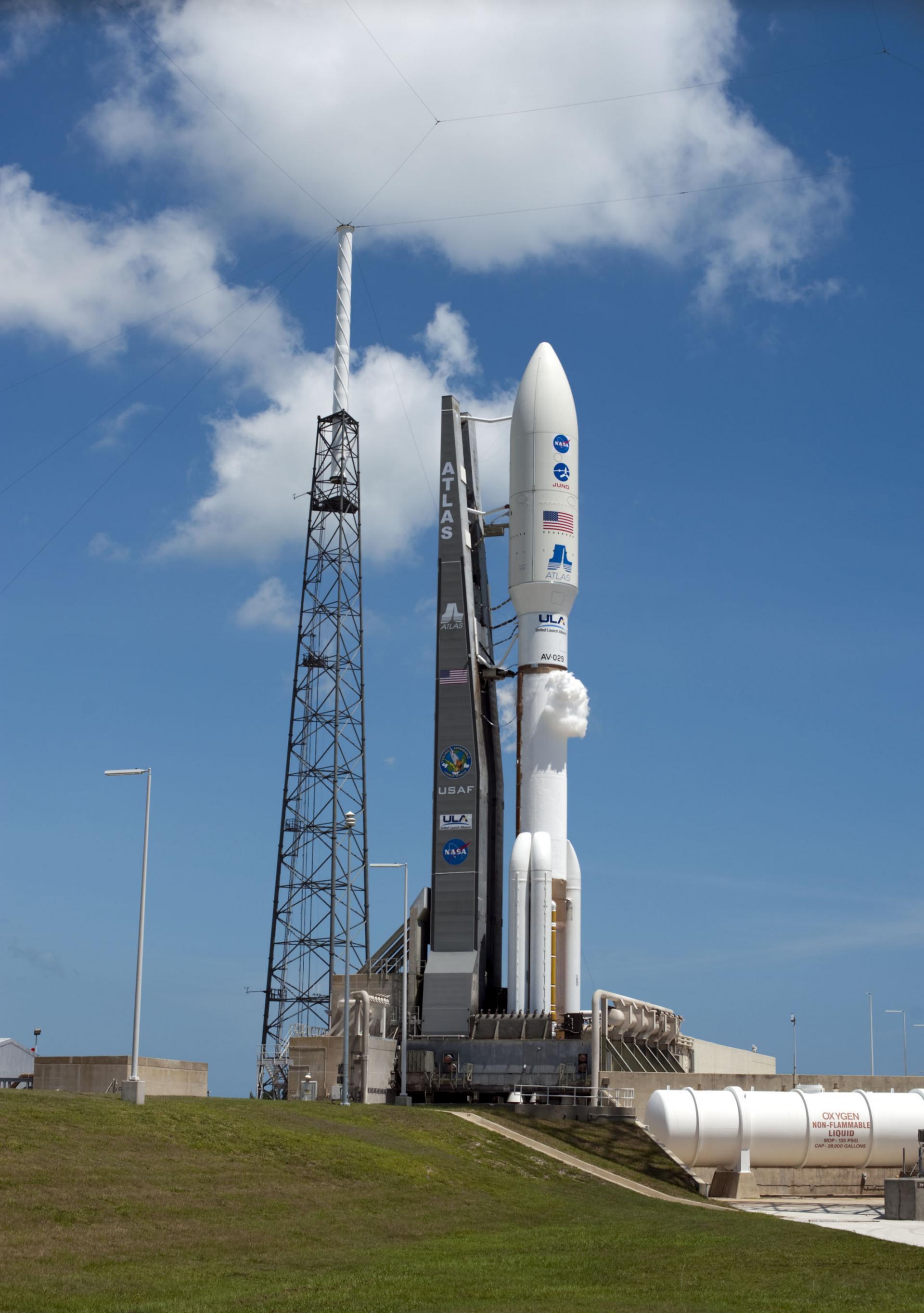
Today's Space Brief covers major developments in Pentagon procurement methods, strategic satellite intelligence advancements, and increasing interest in drone technology within the defense sector.

Katalyst's Link spacecraft passes key testing milestone ahead of June 2026 launch to rescue NASA's $500M SPARCS telescope. In-space servicing mission will create trackable conjunction risk during approach and docking phase.
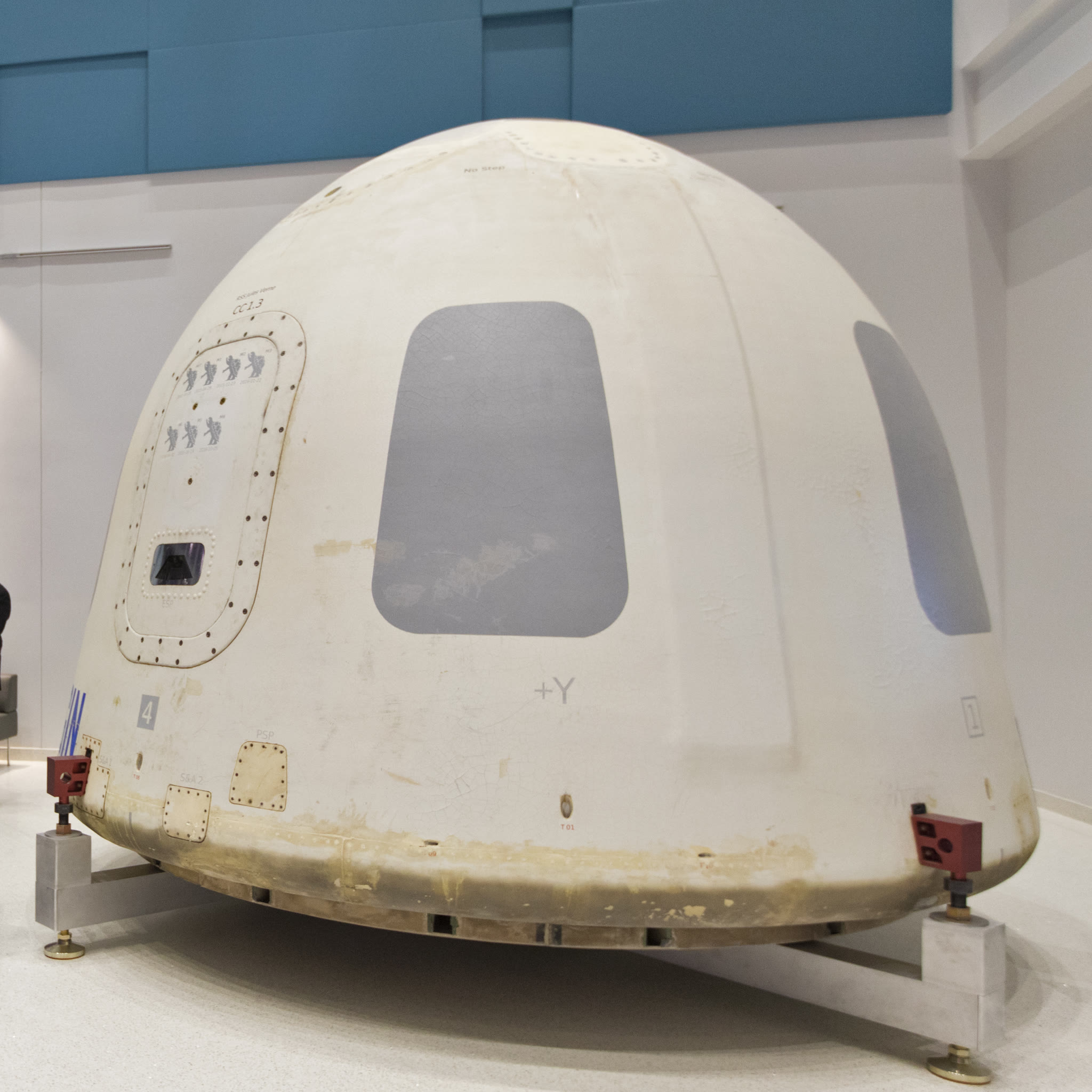
Twenty-two years after SpaceShipOne, the two companies that defined suborbital tourism are both sitting on the ground. Blue Origin parked New Shepard in January, Virgin Galactic has not flown a customer since 2024, and the math behind the whole business is finally getting an honest look.