


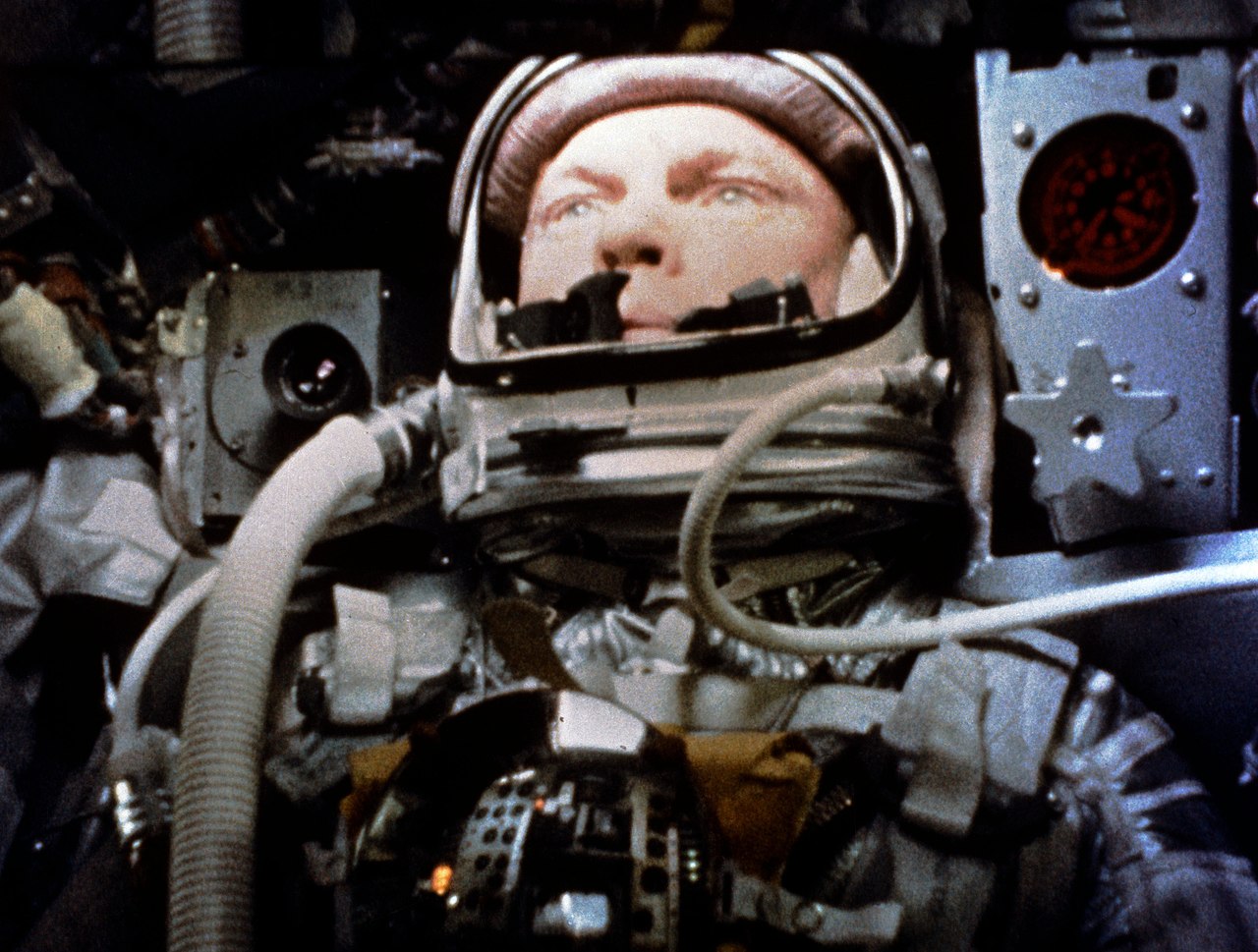
The Day America Reached Orbit
Sixty-three years ago, John Glenn became the first American to orbit Earth, piloting Friendship 7 through three historic orbits that transformed the Space Race


Launch Date
May 13, 1987
Launch Site
Launch Pad
LC45/1
Launch Vehicle
Zenit-2
NORAD ID
18411
International Designator
1987-041D
Epoch
Sat, 04 Jul 2026 01:49:57 GMT
Apogee
Calculating...
Perigee
Calculating...
Inclination
71.03°
Right Ascension
39.87°
Eccentricity
Calculating...
Argument of Perigee
187.21°
Period
104.61 min
Mean Motion
13.76 rev/day
Latitude
Calculating...
Longitude
Calculating...
Altitude
Calculating...
Velocity
Calculating...
Name
SL-16 DEB
Alternative Name
Sep Motor Cover
Type
Status
Owner
UNKS
Country
USSR
Constellation
N/A
Related Satellites
Major Events
N/A
1 18411U 87041D 26185.07636083 .00000143 00000-0 16644-3 0 9992
2 18411 71.0310 39.8729 0188664 187.2140 330.1892 13.76486212964569
Source: Celestrak
Length
0
Diameter
1
Span
1
Dry Mass
1
Launch Mass
1
Shape
Cone
Radar Cross Section
0.0816
Visual Magnitude
Unknown
Color
Unknown
Material Composition
Unknown
Payload
Sep Motor Cover
Purpose
Unknown
Mission
Unknown
Manufacturer
YUZH
Life Expectancy
Unknown
Bus
Sep Motor Cover
Configuration
Unknown
Motor
Unknown
Equipment
Unknown
Power System
Unknown
ADCS
Unknown
Transmitter Frequency
Unknown
Learn more about satellites and other related topics.
Sixty-three years ago, John Glenn became the first American to orbit Earth, piloting Friendship 7 through three historic orbits that transformed the Space Race
Starbase Pad 2 passes water-cooled deck test ahead of Booster 19. Starlink restrictions disrupt Russian battlefield communications. California city weighs banning Musk companies.
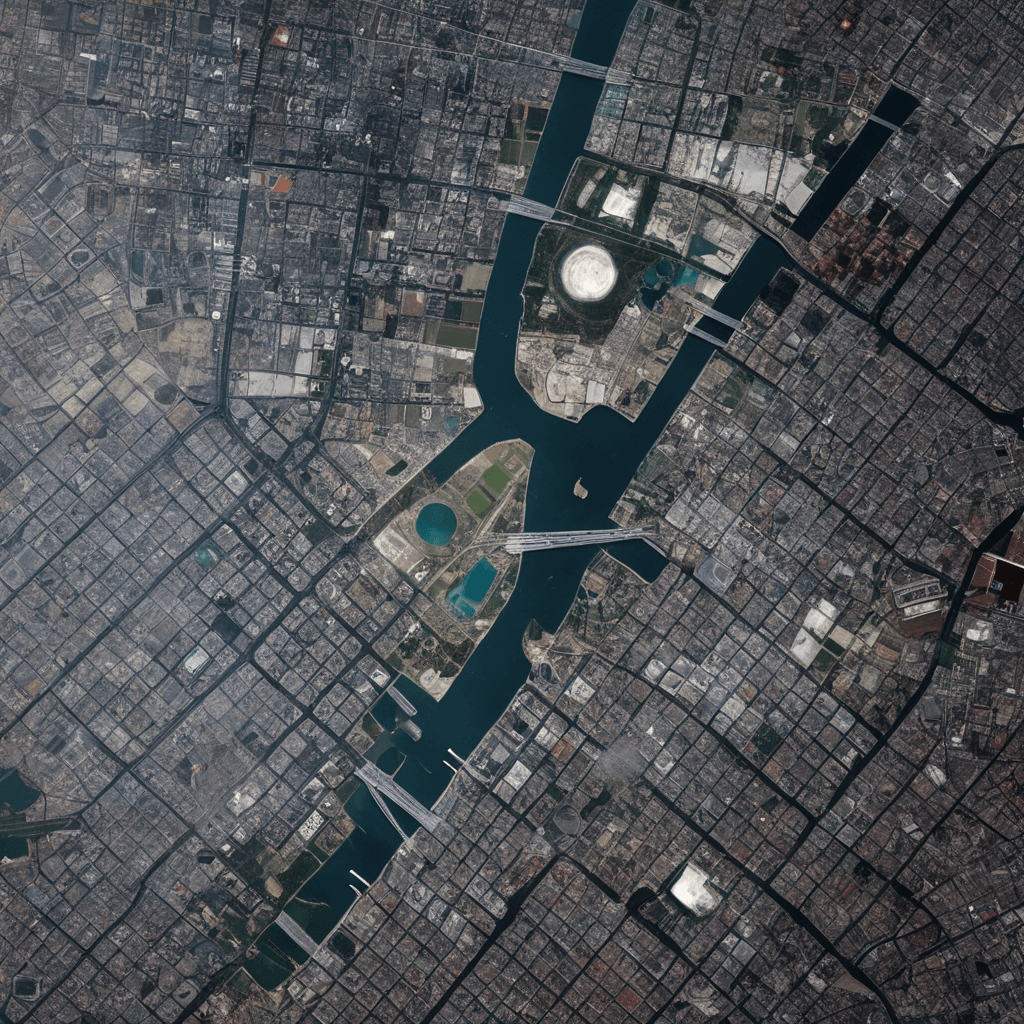
Learn which satellites take photos and why we can't get updates instantly.

Boeing opens new facility to boost missile-tracking sensor production for military satellites. Tory Bruno joins Blue Origin for national security projects. 25 Starlink sats launched.
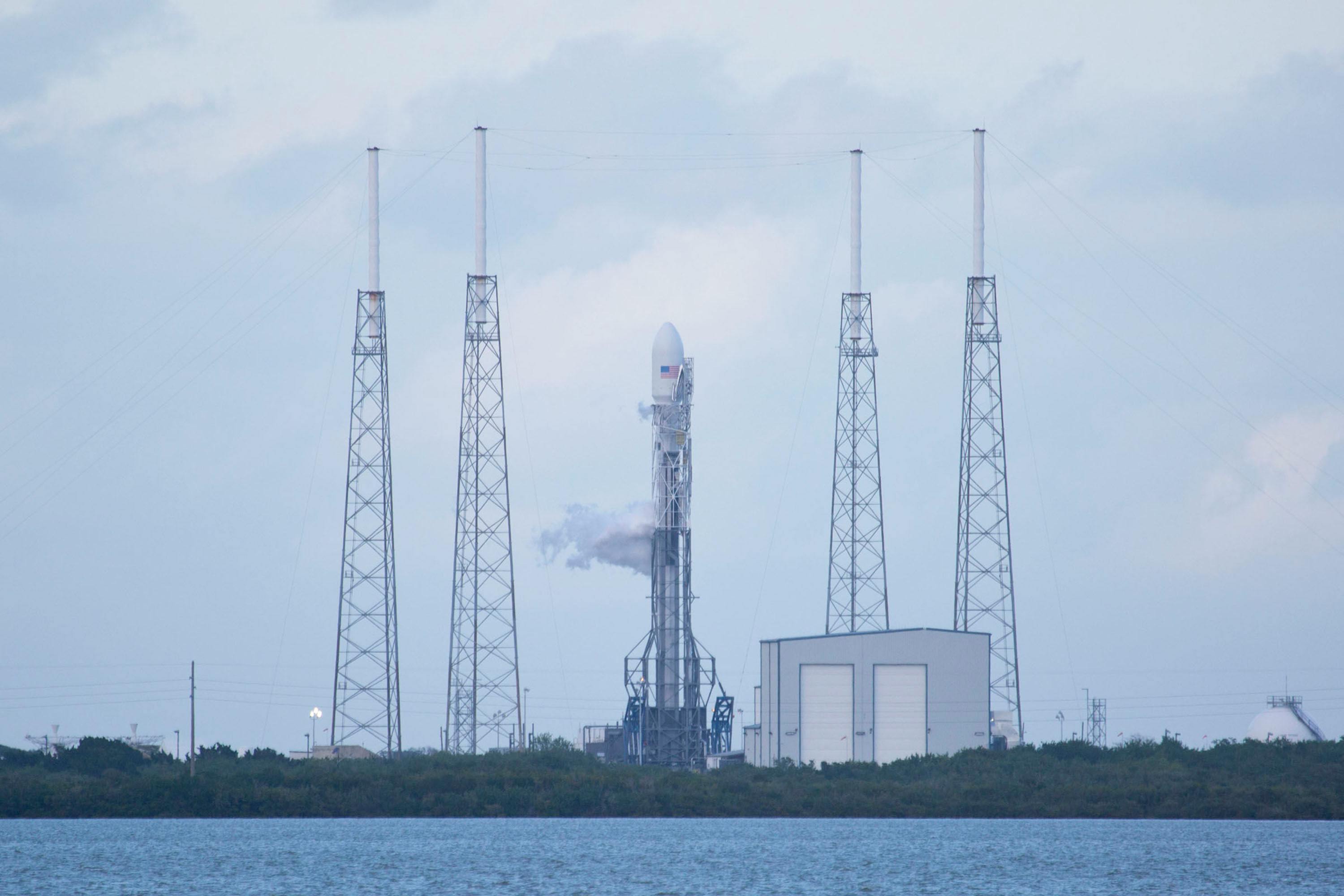
SpaceX cancels Texas land-swap deal amid growing Starship presence and launches 20 Starlink satellites using the 400th Falcon 9 rocket.

SpaceX celebrates significant milestones in satellite launches and contemplates a historic IPO while actively participating in the competitive landscape of space technology and services.
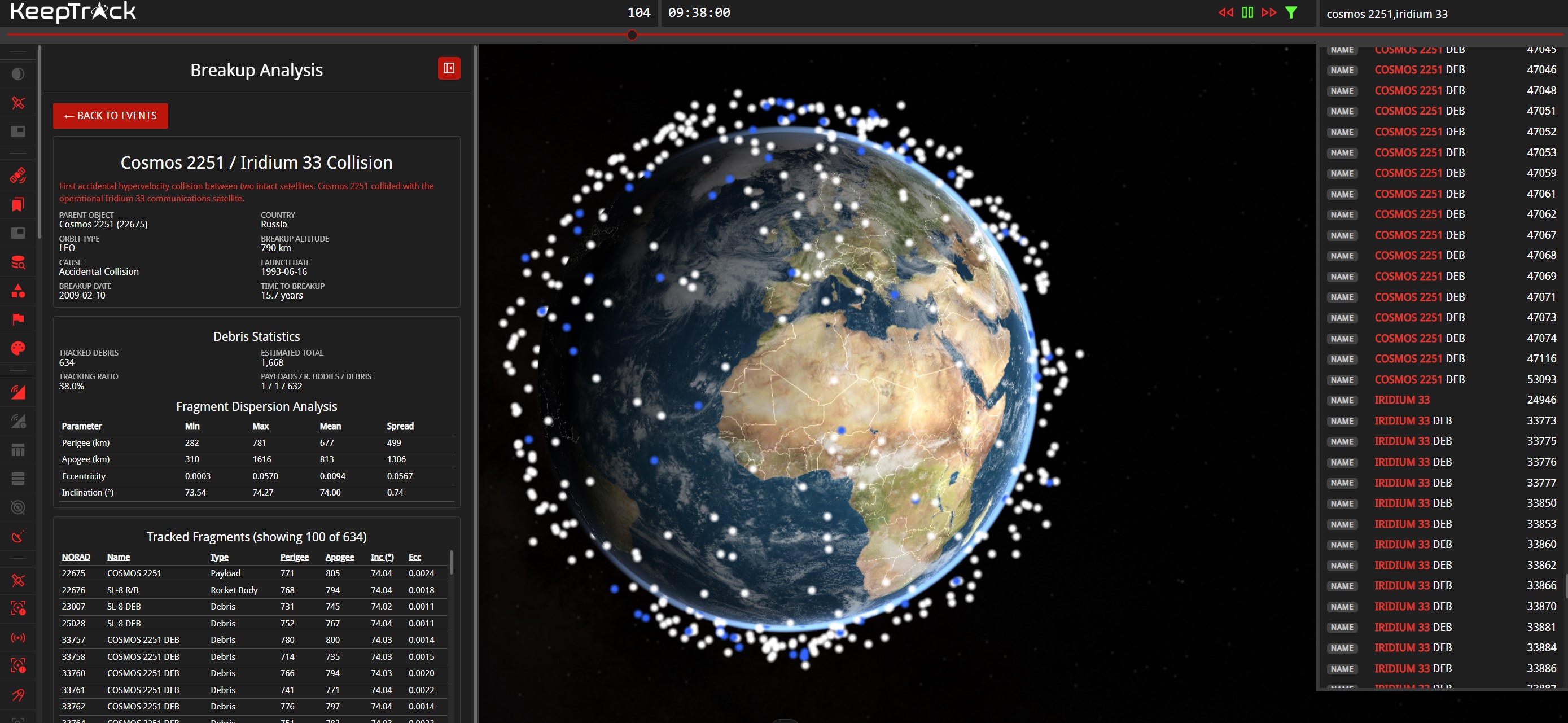
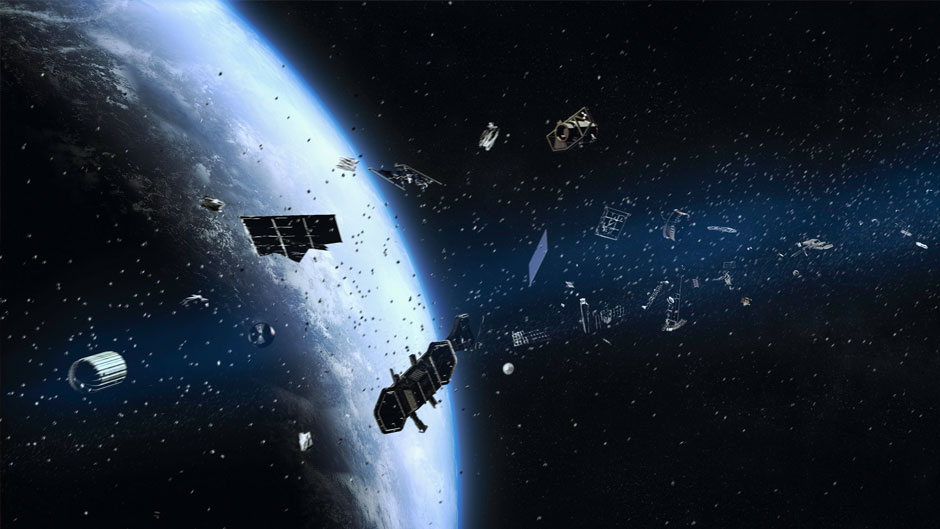
On February 10, 2009, an active Iridium communications satellite and a derelict Soviet military spacecraft slammed into each other 789 kilometers above Siberia. The collision produced more than 2,300 pieces of trackable debris that are still up there. Seventeen years later, the Iridium-Cosmos collision remains the event that made space debris a policy problem the world could no longer ignore.
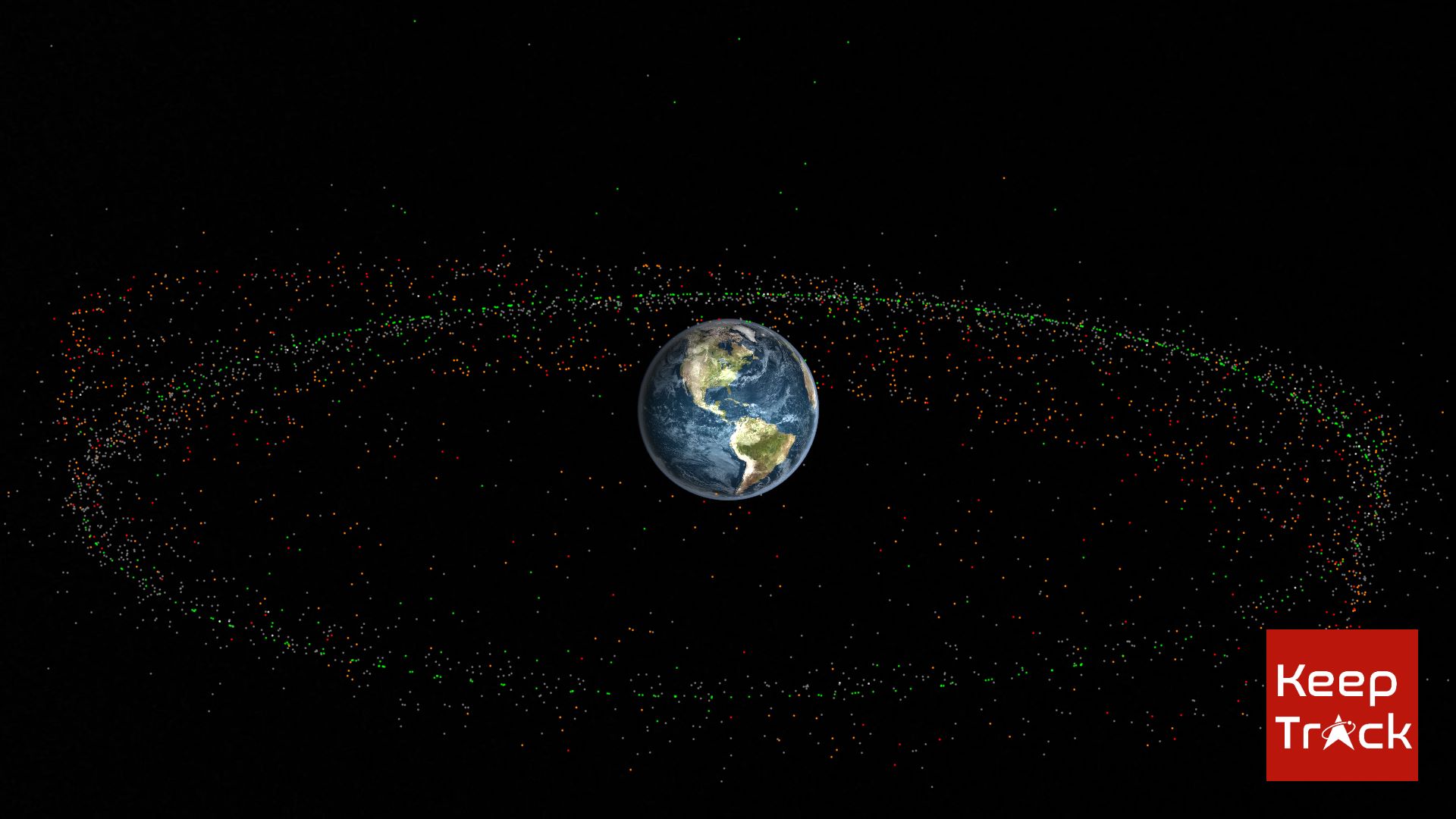
Understanding the unique orbital sweet spot that keeps satellites perfectly positioned above Earth