


Space Brief 28 Aug 2025
Today's briefing covers collaborations enhancing defense capabilities, new satellite technologies entering the market, and strategic shifts in military satellite applications.


Launch Date
October 10, 1987
Launch Site
Launch Pad
LC90
Launch Vehicle
Tsiklon-2
NORAD ID
18396
International Designator
1987-086A
Decay Date
12/26/1988
Name
COSMOS 1890
Alternative Name
Kosmos-1890
Type
Status
Owner
VMF
Country
USSR
Constellation
N/A
Related Satellites
Major Events
N/A
Length
10
Diameter
1.3
Span
17
Dry Mass
3000
Launch Mass
3300
Shape
Cyl + 2 Pan
Radar Cross Section
40.0038
Visual Magnitude
Unknown
Color
Unknown
Material Composition
Unknown
Payload
US-PM No. 10L
Purpose
Ocean surveillance, passive
Mission
Ocean surveillance, passive
Manufacturer
ARSL/KOMET
Life Expectancy
Unknown
Bus
US-P
Configuration
US-Bus
Motor
Unknown
Equipment
Unknown
Power System
2 deployable fixed solar arrays, batteries
ADCS
Unknown
Transmitter Frequency
Unknown
Learn more about satellites and other related topics.
Today's briefing covers collaborations enhancing defense capabilities, new satellite technologies entering the market, and strategic shifts in military satellite applications.
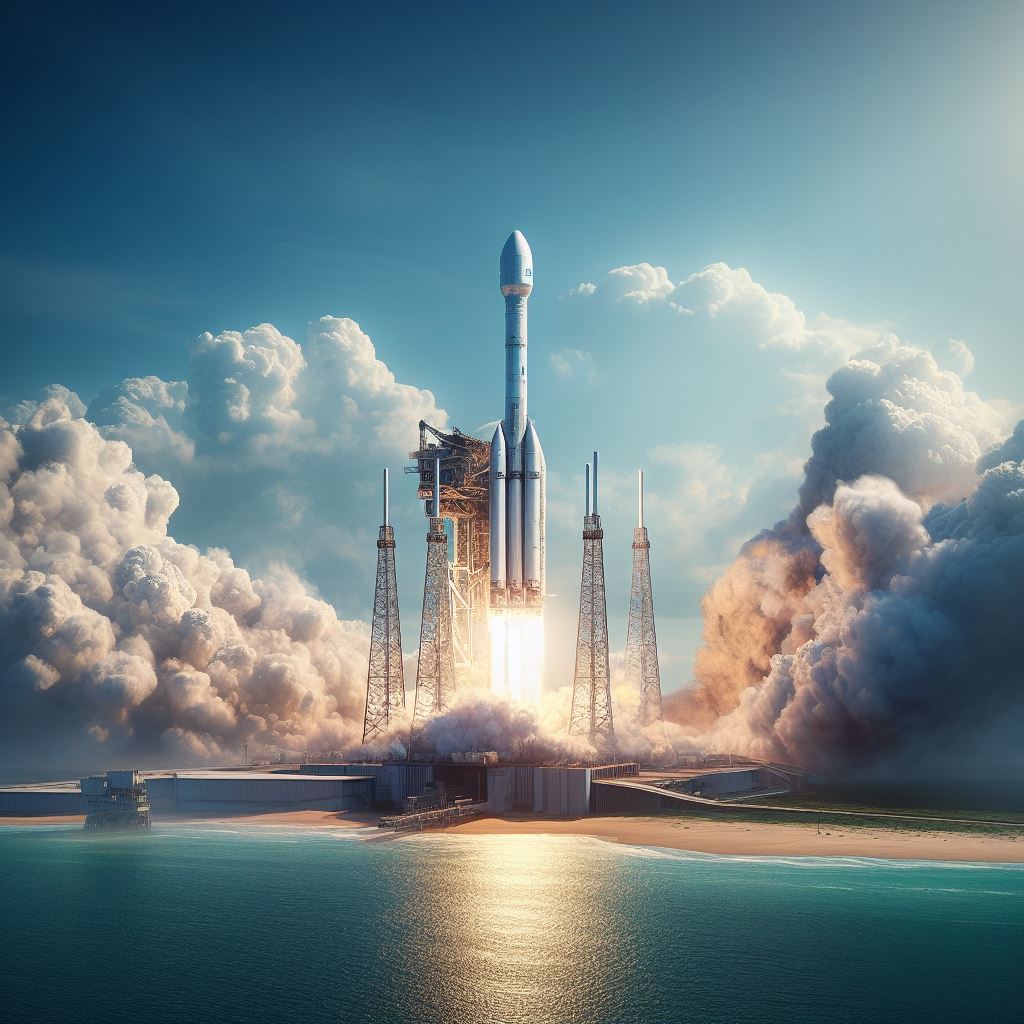
Super heavy-lift rockets are the most powerful launch vehicles ever built. They can send humans and cargo to the Moon, Mars, and beyond. But what are they, and why are they so important?

Twenty-two years ago, the crew of Space Shuttle Columbia awakened to John Lennon's 'Imagine' and shared a profound message about unity and peace that would become part of their enduring legacy

Today's Space Brief covers China’s latest satellite launches, leadership changes in the U.S. Space Force, insights from hyperspectral imagery on an Iranian facility, SpaceX's Starlink mission, and more.
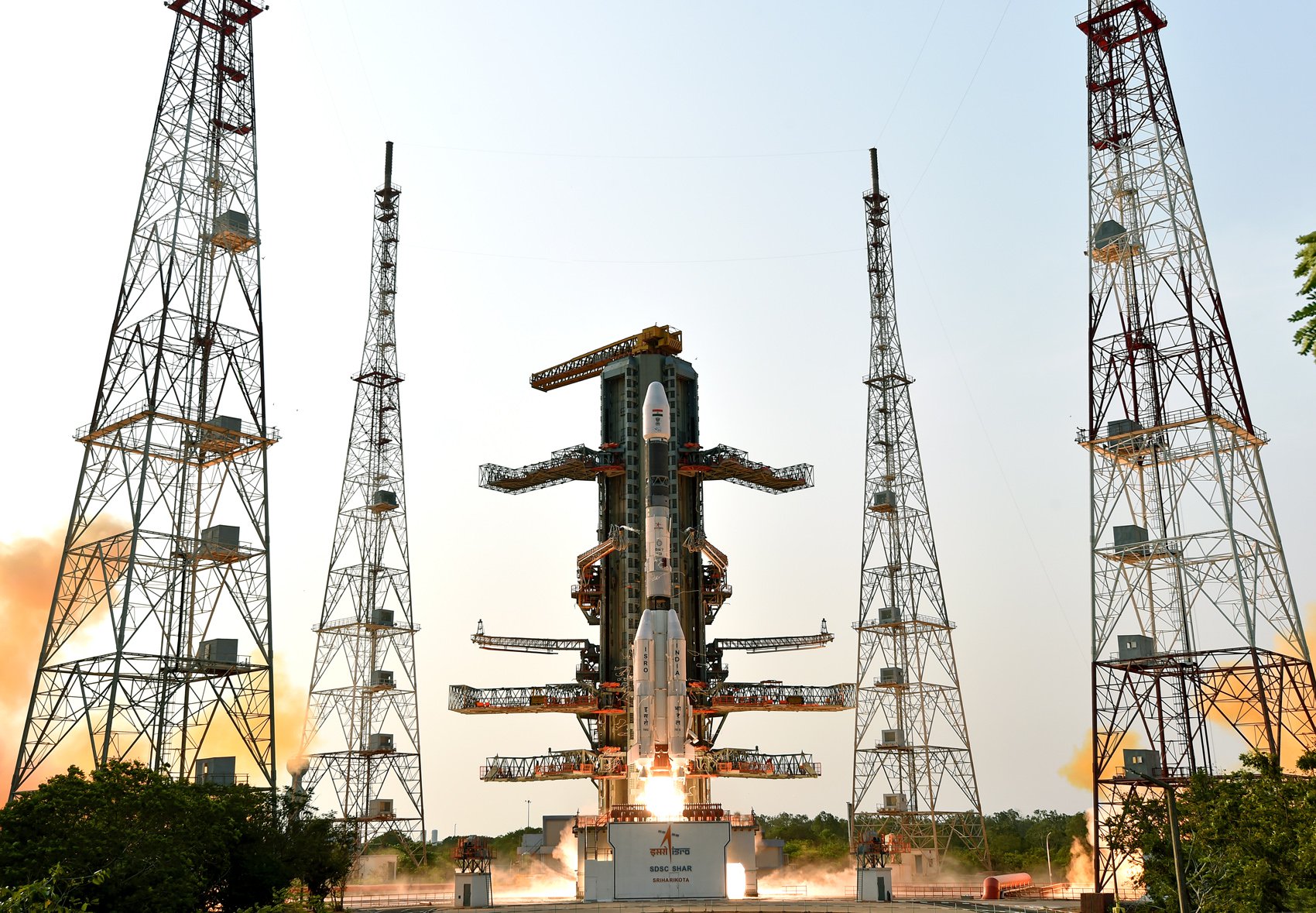
Today's highlights include China's remote-sensing satellite launch, U.S. Space Force's investment in missile-tracking satellites, and NASA's MAVEN milestone on Mars.

SpaceX carried out a double-header Starlink launch from both coasts while milestones from Max Space and Lux Aeterna signal growth in the commercial space sector.

SpaceX IPO paperwork stokes Tesla merger predictions: the amended S-1 sank Tesla stock 5% in a day. Starlink stands at 10,492 working satellites.

FCC approves 7,500 additional Starlink Gen2 satellites. Space Force awards SpaceX $739M for nine national security launches. NASA plans Crew-11 medical evacuation from ISS on January 14.