


Space Brief 8 May 2025
Today we cover new appointments at NASA, calls for increased Space Force funding, and a successful test of a hypersonic vehicle. Further investigations target SpaceX, and a documentary highlights space superiority.


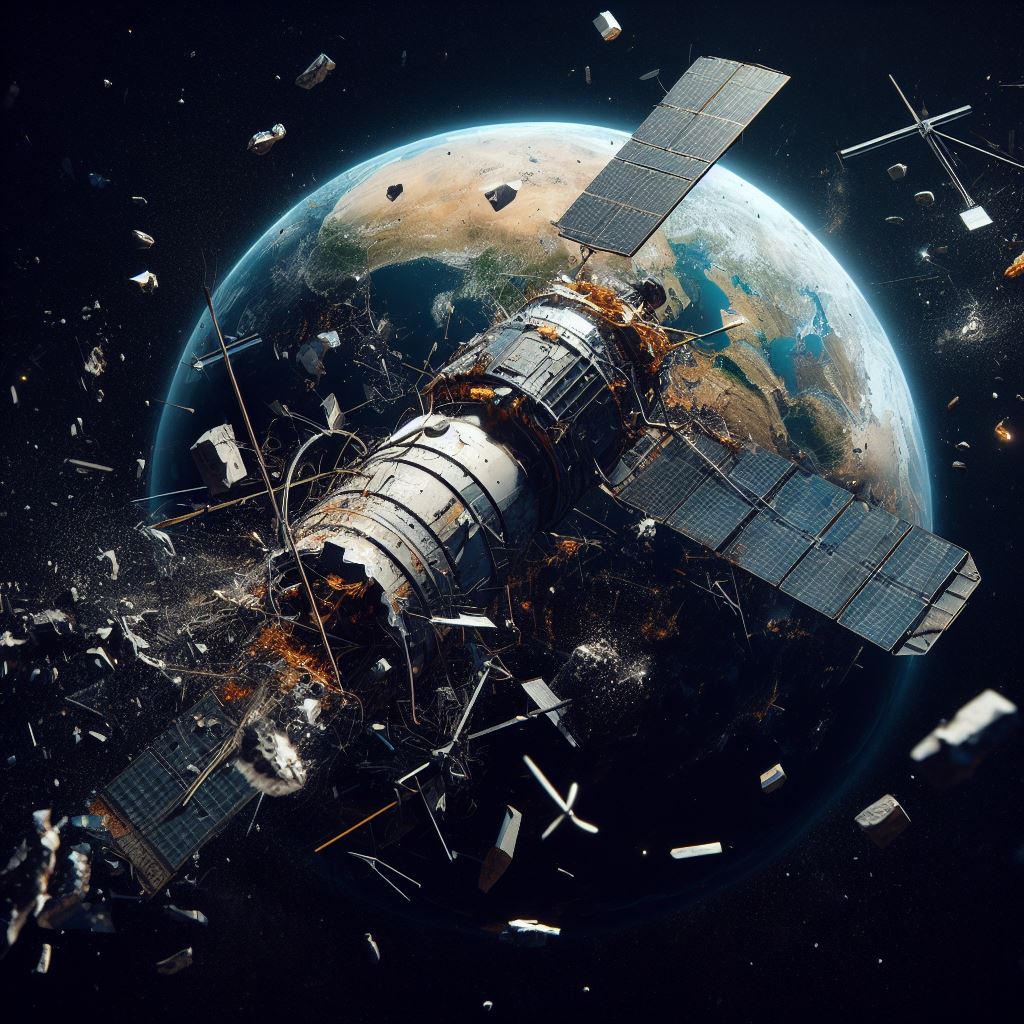
Launch Date
December 9, 1965
Launch Site
AFWTR
Launch Pad
Unknown
Launch Vehicle
Unknown
NORAD ID
01838
International Designator
N/A
Decay Date
12/15/1965
Name
OPS 7249 DEB
Alternative Name
Fairing
Type
Status
Owner
NRO/CIA
Country
United States
Constellation
N/A
Related Satellites
Major Events
N/A
Length
0.9
Diameter
1.3
Span
1.3
Dry Mass
25
Launch Mass
25
Shape
Frust
Radar Cross Section
Unknown
Visual Magnitude
Unknown
Color
Unknown
Material Composition
Unknown
Payload
Fairing S/N 029-MT13
Purpose
Unknown
Mission
Unknown
Manufacturer
LMSC
Life Expectancy
Unknown
Bus
SRV Adapter
Configuration
Unknown
Motor
Unknown
Equipment
Unknown
Power System
Unknown
ADCS
Unknown
Transmitter Frequency
Unknown
Learn more about satellites and other related topics.
Today we cover new appointments at NASA, calls for increased Space Force funding, and a successful test of a hypersonic vehicle. Further investigations target SpaceX, and a documentary highlights space superiority.

Understanding the high and low points of every orbit - from the International Space Station's careful dance with Earth's atmosphere to the extreme ellipses that take satellites to the edge of space and back.

Elon Musk provided updates on the anticipated Starship Flight 10, along with insights on SpaceX's progress at Cape Canaveral. Key developments include target timelines for upcoming launches and ongoing efforts in Starship's development.
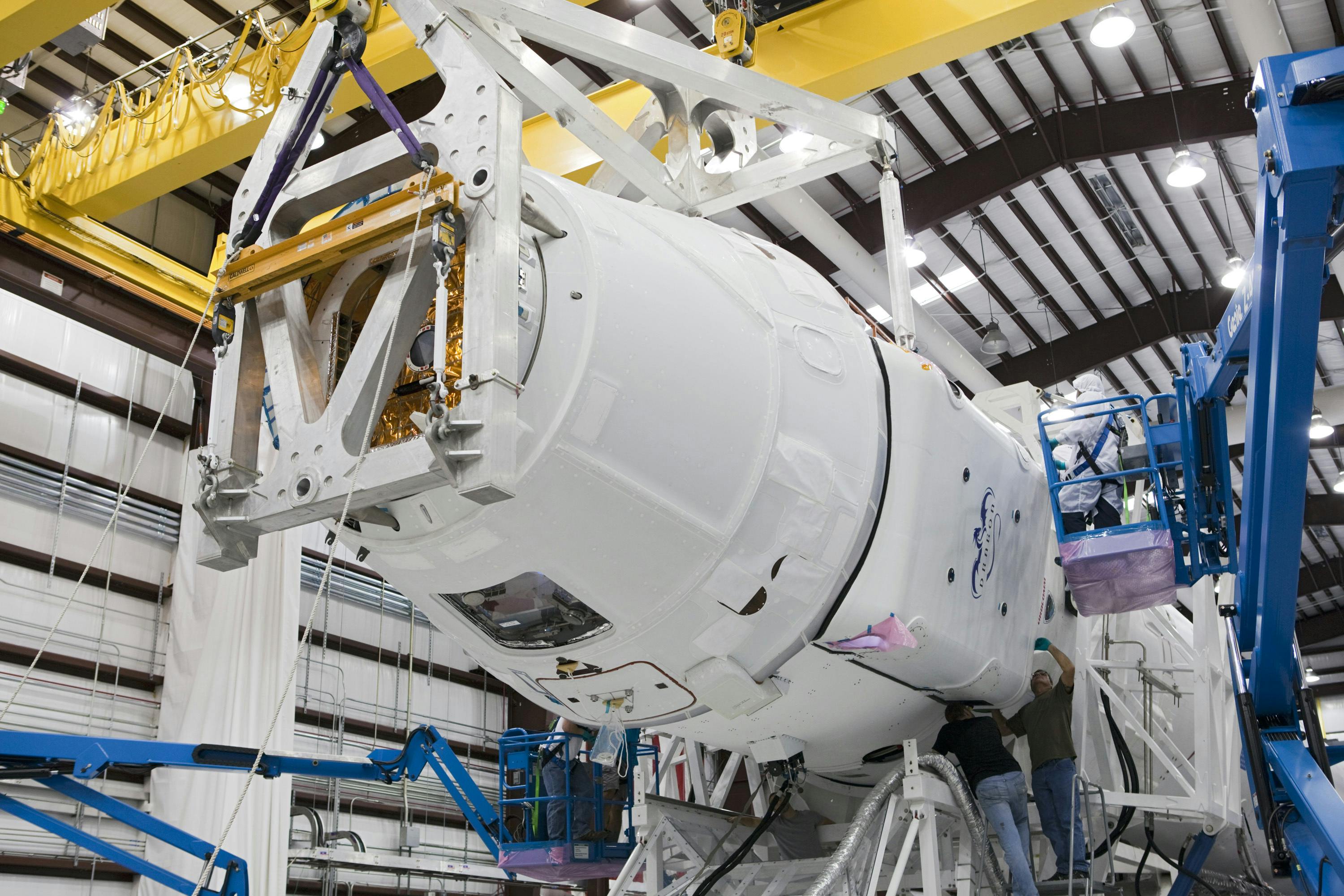
SpaceX completed two launches June 28, orbiting the 15,000-lb SXM-11 satellite and 24 Starlink V2 craft from Vandenberg.
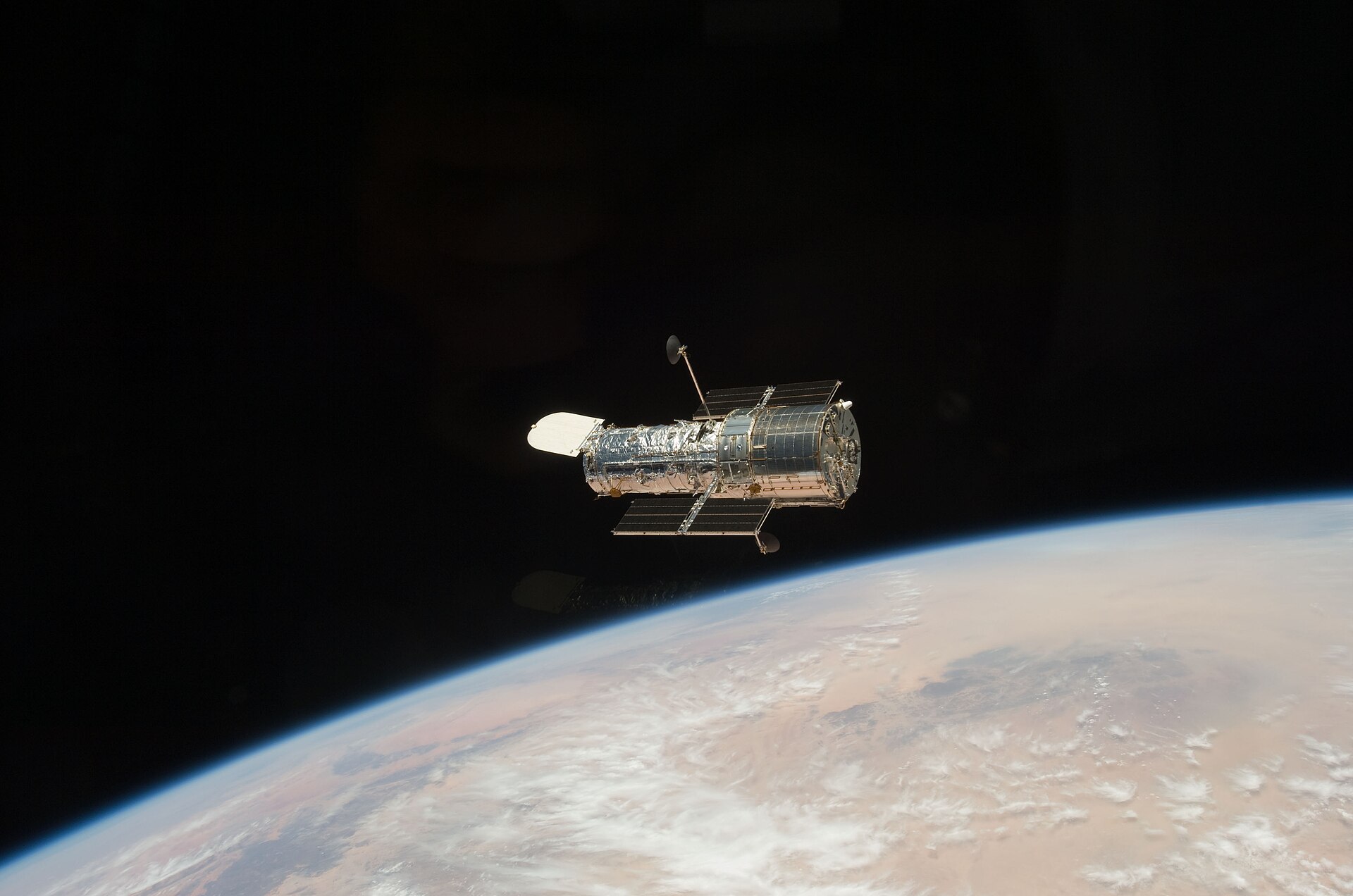
On April 25, 1990, the Space Shuttle Discovery's robotic arm lifted a 11,110-kilogram barrel of mirrors and instruments out of the payload bay and released it into orbit. Six weeks later, the first images came back badly out of focus. The Hubble Space Telescope had been ground to the wrong prescription, and America had just spent $2.5 billion on what the press was calling a 'technoturkey.'
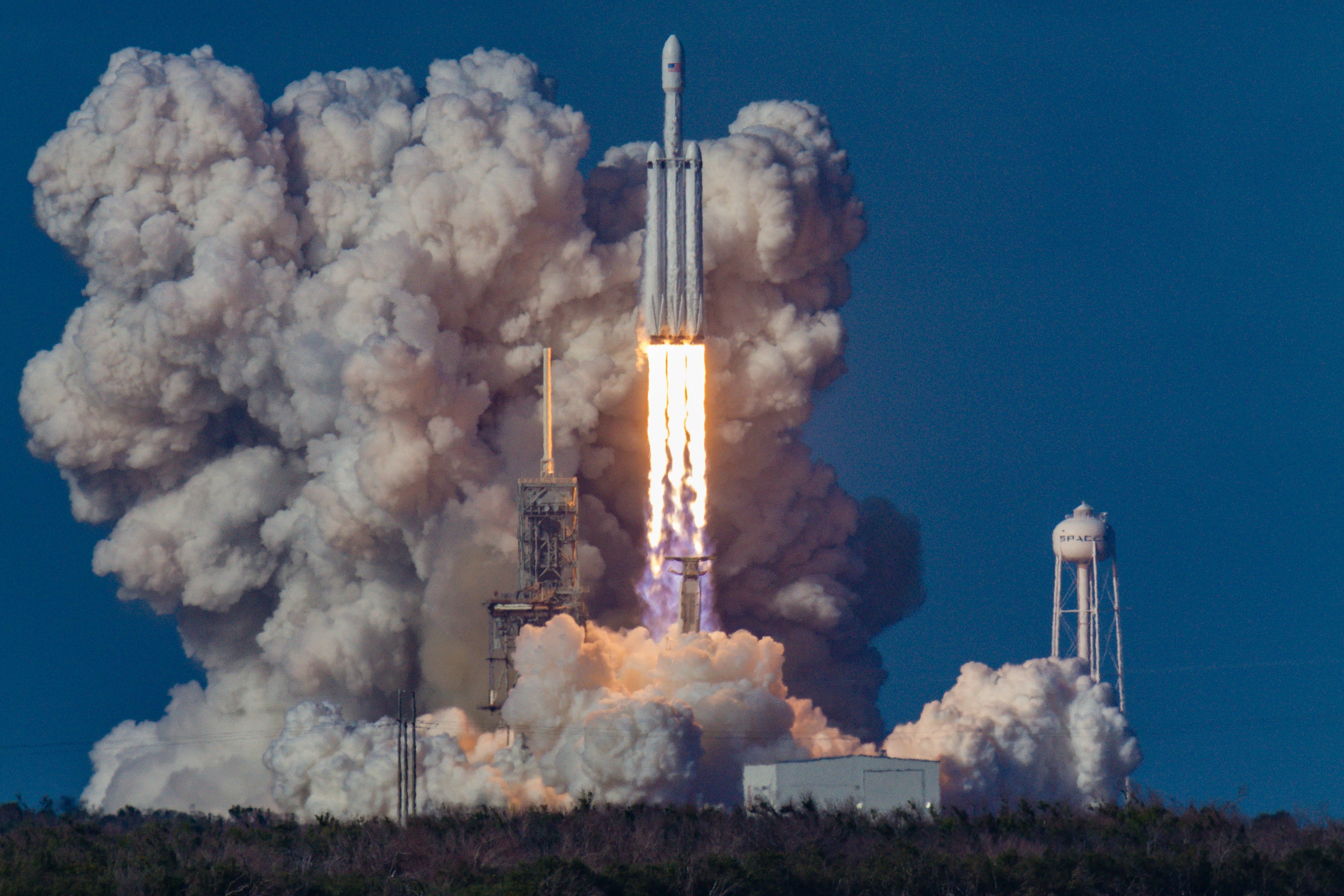
SpaceX achieves a remarkable milestone with its 50th Falcon 9 launch of 2025, while Starlink continues to expand, facing competition from China's megaconstellation efforts.
China successfully recovered a Long March 10C first stage booster, positioning the methalox rocket as its primary commercial launcher. Reusable boosters reshape Beijing's LEO constellation strategy.
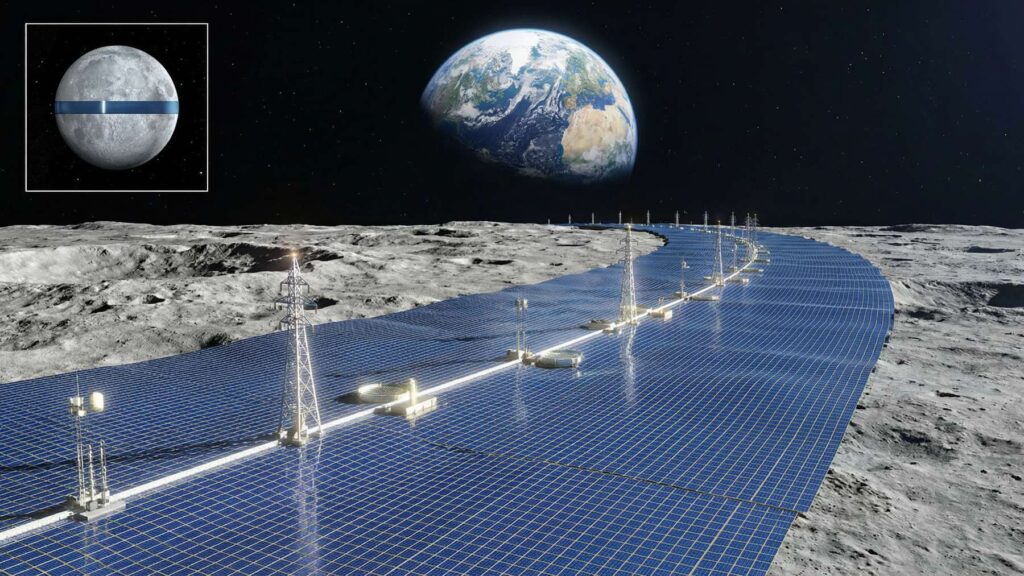
A 220-year-old Japanese construction company wants to build an 11,000-kilometer belt of solar cells around the lunar equator and beam the power back to Earth. The physics checks out. Everything else is another story.