


X Report 14 Mar 2025
SpaceX advances pre-launch tests amid Starlink deployment surge and strategic expansions in Texas.


Launch Date
September 16, 1987
Launch Site
AFWTR
Launch Pad
SLC5
Launch Vehicle
Scout G-1
NORAD ID
18362
International Designator
1987-080B
Epoch
Sat, 04 Jul 2026 04:41:27 GMT
Apogee
Calculating...
Perigee
Calculating...
Inclination
90.37°
Right Ascension
87.26°
Eccentricity
Calculating...
Argument of Perigee
26.33°
Period
107.10 min
Mean Motion
13.44 rev/day
Latitude
Calculating...
Longitude
Calculating...
Altitude
Calculating...
Velocity
Calculating...
Name
OSCAR 29
Alternative Name
NNS 30290-52
Type
Status
Owner
NAVAIR
Country
United States
Constellation
N/A
Related Satellites
Major Events
N/A
1 18362U 87080B 26185.19546027 .00000099 00000-0 15104-3 0 9991
2 18362 90.3722 87.2584 0106543 26.3257 126.3990 13.44482363902439
Source: Celestrak
Length
0.3
Diameter
0.5
Span
30
Dry Mass
64
Launch Mass
64
Shape
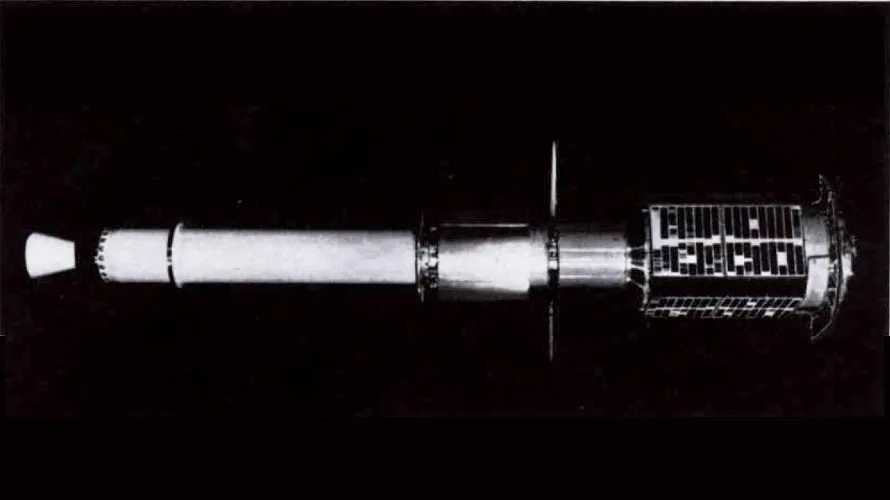
Oct Cyl + 4 Pan + Ant
Radar Cross Section
1.37
Visual Magnitude
Unknown
Color
Unknown
Material Composition
Unknown
Payload
NNS O-29
Purpose
Navigation
Mission
Navigation
Manufacturer
GEEW
Life Expectancy
Unknown
Bus
Transit 5
Configuration
Transit-Bus, Gravity Stabilized
Motor
?
Equipment
?
Power System
4 deployable fixed solar arrays, batteries
ADCS
Unknown
Transmitter Frequency
Unknown
Learn more about satellites and other related topics.
SpaceX advances pre-launch tests amid Starlink deployment surge and strategic expansions in Texas.

SpaceX's orbital data center constellation and TERAFAB's $25B AI chip factory spark backlash as Starlink surpasses 10,116 working satellites.
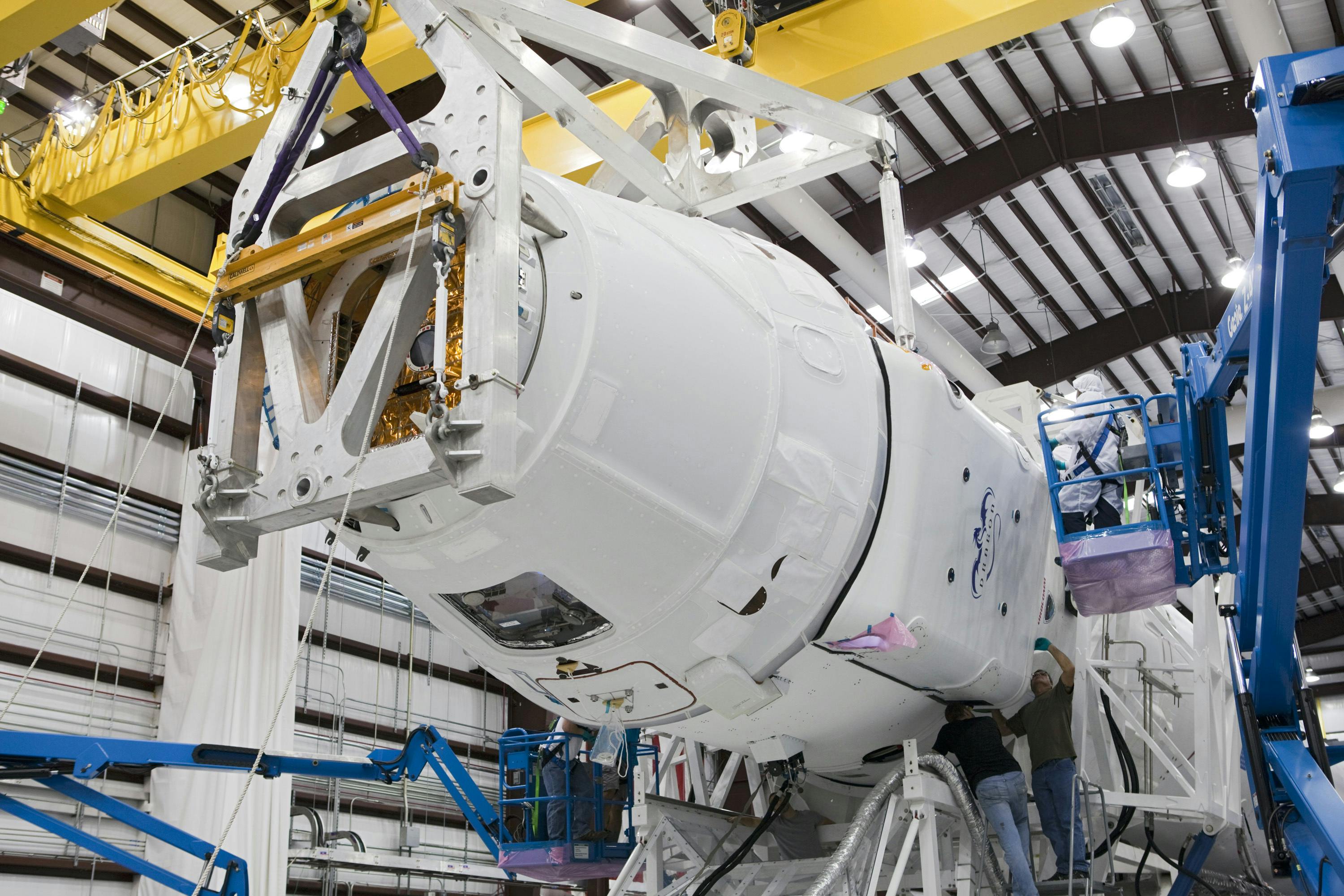
SpaceX has completed the investigation into Starship Flight 7, announcing causes ahead of the next planned launch, while numerous missions are lined up for launch this week.
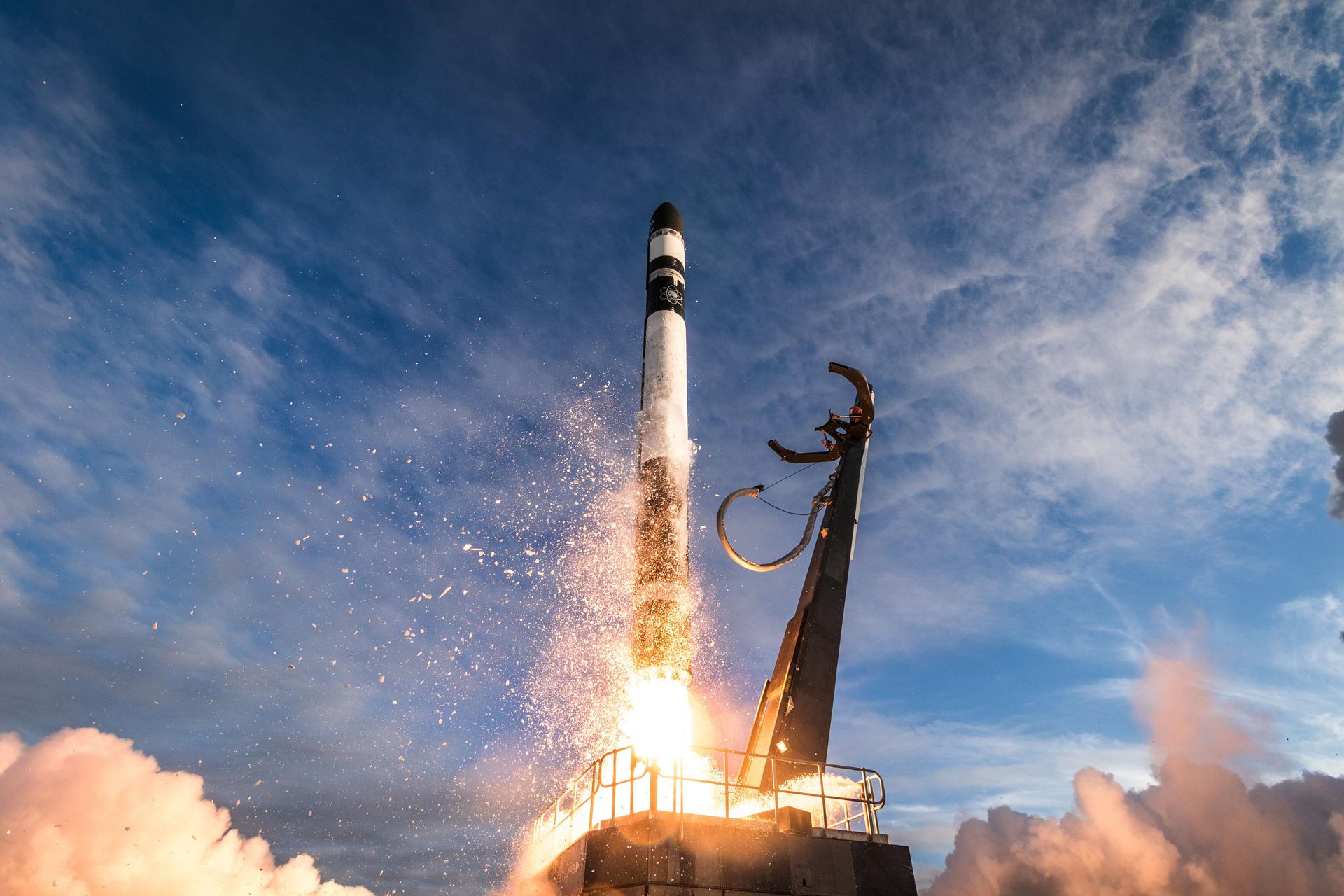
Today's focus spans critical developments in military space initiatives, strategic policy shifts, and modest steps in semiconductor advancements. Key developments include Rocket Lab's new U.S. Air Force contract, Sierra Space's progress in satellite programs, and potential policy changes under Trump's leadership.
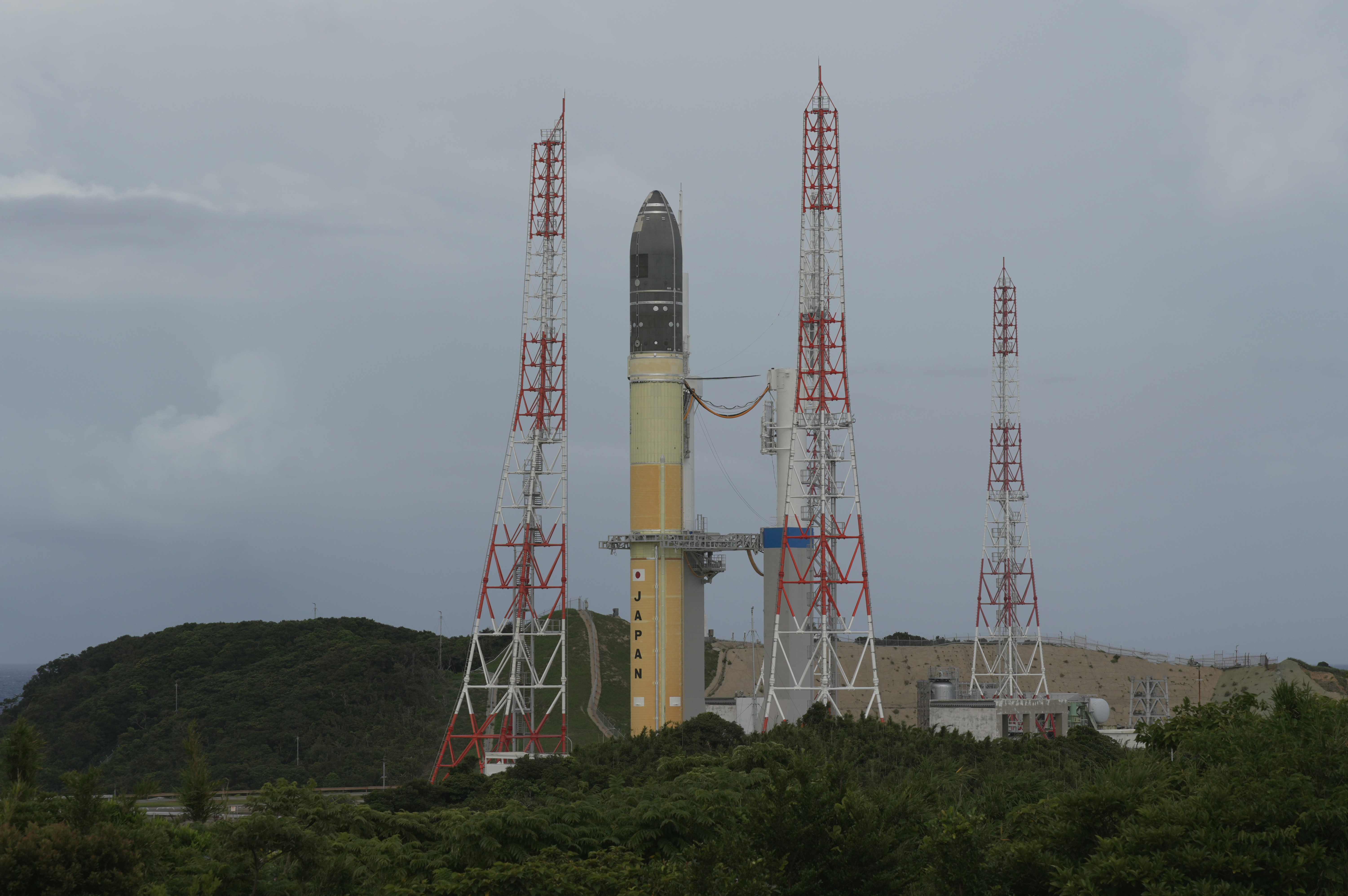
NASA demands Blue Origin find alternate launcher for Artemis moon landers after New Glenn test explosion damaged Cape Canaveral LC-36. Schedule risk to lunar missions.
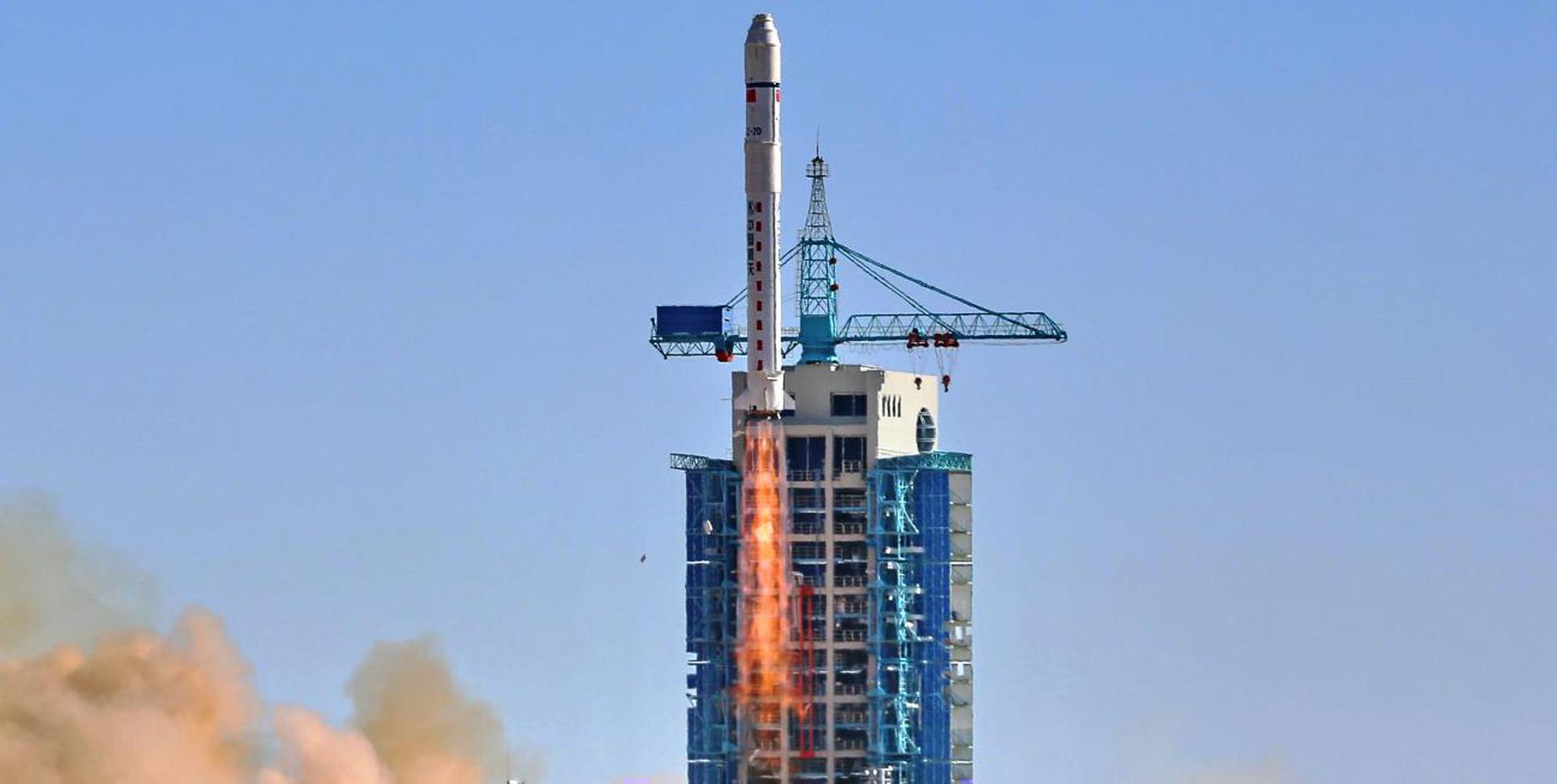
Today's highlights include SpaceX's Starlink launch, NASA's revived lunar mission, and a spotlight on space-defense activities.
On April 27, 1961, a Scout rocket lifted a 37-kilogram NASA satellite into orbit from Wallops Island carrying the first serious instrument for detecting cosmic gamma rays. Explorer 11 operated for seven months before its tape recorder failed. In that time it registered 22 gamma-ray photons - a pitiful number by modern standards, but enough to launch an entire branch of astronomy.

Today's brief highlights a Pentagon satellite network challenge, the expanding use of AI in military strategy, and advancements in commercial launch vehicle production.