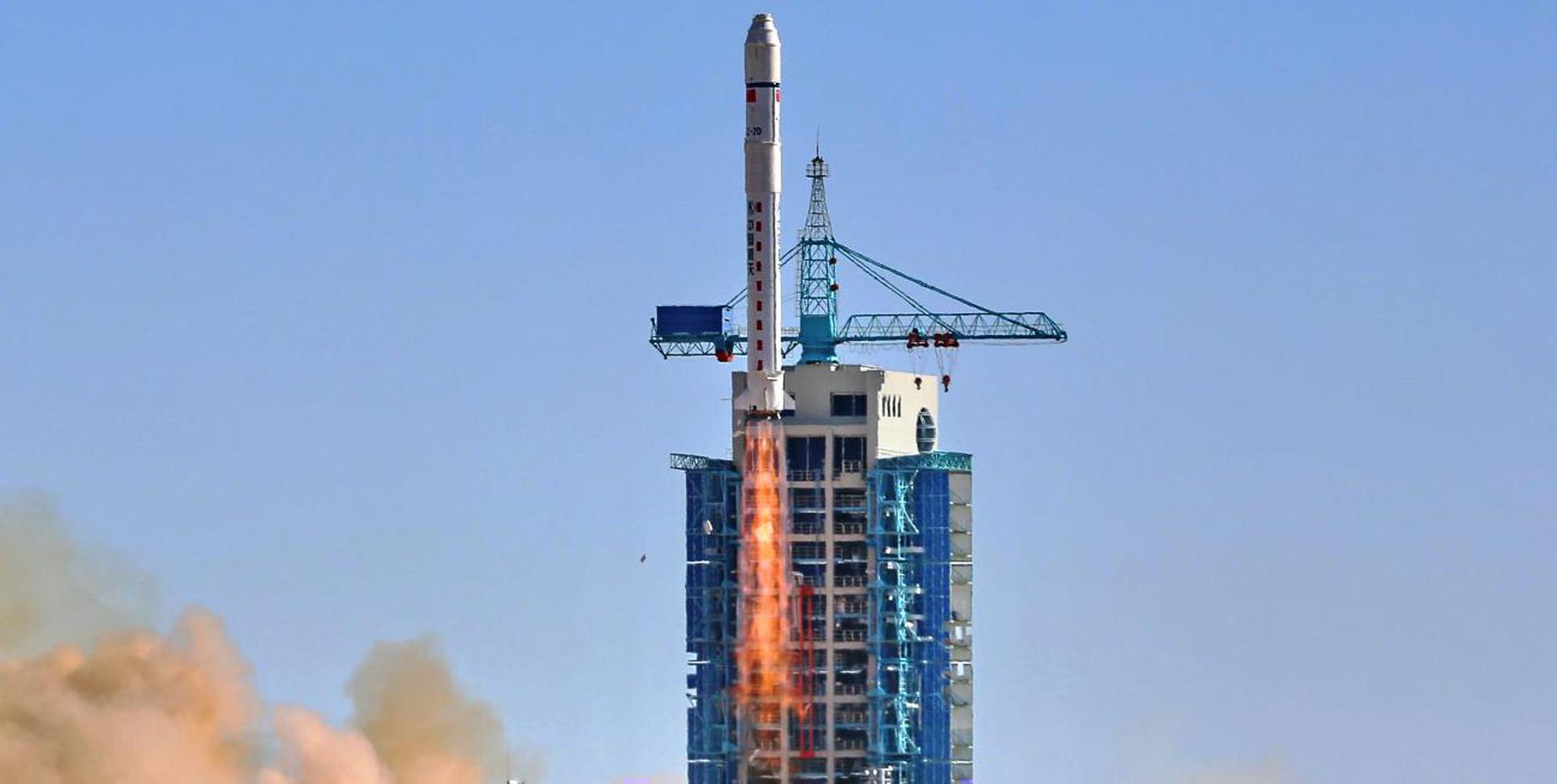
ARIANE 1 DEB (18149)

COSPAR: 1986-019PS | Alt Name: deb Ariane V16
DECAYED

Image
ARIANE 1 DEB Satellite Image
Additional Sources
Launch Details

Launch Date

February 22, 1986

Launch Site

FRGUI

Launch Pad

ELA1

Launch Vehicle

Ariane 1

Orbital Elements

NORAD ID

18149

International Designator

1986-019PS

Decay Date

12/14/1988

Basic Satellite Info

Name

ARIANE 1 DEB

Alternative Name

deb Ariane V16

Type

Debris

Status

Space Junk

Owner

AE

Country

France

Constellation

N/A

Related Satellites

Major Events

N/A

Summary
Space debris, also known as space junk, encompasses all non-functional objects orbiting Earth such as defunct satellites, spent rocket stages, and fragments from collisions or disintegrations. Over time, this debris can accumulate and create an increasingly hazardous environment in orbit. Even tiny fragments, traveling at extremely high velocities, can inflict significant damage on operational satellites and spacecraft. If left unmanaged, the density of debris raises the risk of catastrophic collisions and further fragmentation, compounding the problem and threatening the safety and sustainability of space activities.
Physical Characteristics

Length

0

Diameter

0

Span

0

Dry Mass

0

Launch Mass

0

Shape

N/A

Radar Cross Section

0.06

Visual Magnitude

Unknown

Color

Unknown

Material Composition

Unknown

Technical Details

Payload

Unknown

Purpose

Unknown

Mission

Unknown

Manufacturer

Unknown

Life Expectancy

Unknown

Bus

Unknown

Configuration

Unknown

Motor

Unknown

Equipment

Unknown

Power System

Unknown

ADCS

Unknown

Transmitter Frequency

Unknown

Satellite Articles

View All Posts »

Learn more about satellites and other related topics.

Earthquake Sensors Repurposed to Track Space Debris Reentry | KeepTrack Space Brief

Earthquake Sensors Repurposed to Track Space Debris Reentry | KeepTrack Space Brief

Scientists use earthquake sensors to track space debris reentry via sonic boom detection. SpaceX launches 25 Starlink satellites in seventh mission of 2026. NASA and DOE partner for lunar nuclear power.

Vulcan GEM 63XL Passes Static Fire; February Anomaly Still Under Investigation | KeepTrack Space Brief

Vulcan GEM 63XL Passes Static Fire; February Anomaly Still Under Investigation | KeepTrack Space Brief

Northrop Grumman's GEM 63XL solid rocket booster passed static fire testing, but ULA's investigation into a February 2026 Vulcan in-flight anomaly remains open. No RTF date set.

Space Brief 14 Dec 2024

Space Brief 14 Dec 2024

Today’s Space Brief covers significant developments such as SpaceX’s latest Starlink launch, the US Space Force testing modular satellite technology, and key long-range missile tests by the Pentagon.

Van Allen Probe A Reenters After 14 Years; NASA Designates Starliner Type A Mishap | KeepTrack Space Brief

Van Allen Probe A Reenters After 14 Years; NASA Designates Starliner Type A Mishap | KeepTrack Space Brief

NASA's 590 kg Van Allen Probe A reentered March 10 after 14 years studying Earth's radiation belts. Meanwhile, Boeing Starliner classified as Type A mishap after leaving astronauts stranded on ISS.

X Report 26 Nov 2025

X Report 26 Nov 2025

This edition highlights SpaceX's ambitious plans for Starship in light of recent developments, a busy launch week featuring multiple missions, and the latest updates on Starlink's operational status.

Falling Space Debris Risk to Aircraft Grows, North Korea Tests Hypersonic Missiles | KeepTrack Space Brief

Falling Space Debris Risk to Aircraft Grows, North Korea Tests Hypersonic Missiles | KeepTrack Space Brief

Experts warn falling space debris risk to aircraft is increasing. North Korea tests advanced hypersonic missiles. Space Force seeks launch providers for Cape Canaveral and Vandenberg pads.

Space Brief 2 Jul 2025

Space Brief 2 Jul 2025

Explore today's major events in space, including military advancements in satellite tracking, new missile defenses, and significant defense funding decisions.

Space Brief 1 Aug 2025

Space Brief 1 Aug 2025

Today's Space Brief covers a crucial weather data decision by the U.S. Defense Department, an innovative power supply for aerospace systems, advancements in satellite link technology, and Norway's maritime surveillance. AI/ML tools for airspace management and concerns about defense testing capabilities are also highlighted.